
Last Updated: March 21, 2026
When you’re gearing up for a project, choosing the right tool can make all the difference. If you’ve ever wondered whether to grab a hammer drill or an impact driver, you’re not alone.
These two power tools might look similar, but they serve very different purposes—and using the wrong one could slow you down or even damage your work. You’ll discover exactly how a hammer drill and an impact driver work, when to use each one, and why picking the right tool will save you time, effort, and frustration.
Ready to make the smart choice for your next project? Let’s dive in.
:max_bytes(150000):strip_icc()/SPR-hammer-drill-vs-impact-driver-8609798-hero-47f71aec37d043cfbea62a25a71a8bb2.jpg)
Credit: www.thespruce.com
Key Differences
Understanding the key differences between a hammer drill and an impact driver helps you choose the right tool. Each tool has a unique design and function that suits different tasks. Knowing these differences makes your work easier and more efficient.
Mechanism And Function
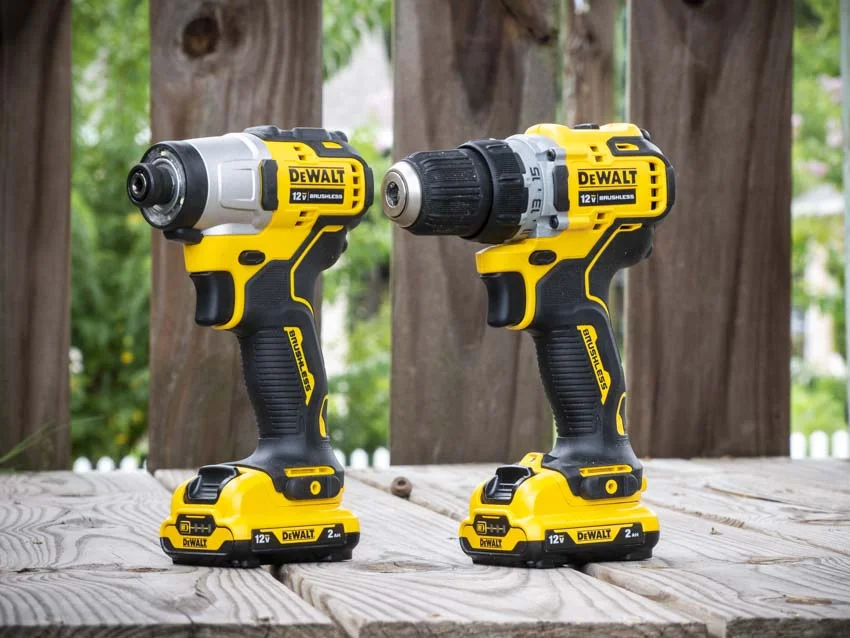
A hammer drill combines rotary motion with a hammering action. It moves the drill bit forward and backward rapidly. This action breaks up hard materials like concrete and brick while drilling.
An impact driver uses rotational force with quick bursts of high torque. It drives screws and bolts with less effort and reduces wrist strain. The impact action helps push screws deep without stripping them.
Best Use Cases
Hammer drills are best for drilling holes in tough materials. They work well on masonry, stone, and concrete surfaces. Use them when you need to make clean, deep holes in hard surfaces.
Impact drivers are ideal for driving long screws, lag bolts, and nuts. They are perfect for construction projects and assembling furniture. Use them to fasten materials quickly and securely without damaging the screw head.
Impact Driver Features
Impact drivers have unique features that make them valuable for many tasks. Their design focuses on delivering high power in a compact form. This makes them easy to handle and very effective for fastening jobs. Understanding these features helps you choose the right tool for your project.
Unlike regular drills, impact drivers combine rotational force with quick bursts of impact. This action reduces the effort needed to drive screws deep into tough materials. The tool’s compact size and ergonomic grip add to its convenience.
Torque And Speed
Impact drivers provide high torque, much more than standard drills. This torque helps drive large screws and bolts quickly. They also operate at high speeds, usually between 1,500 and 3,500 RPM. The combination of torque and speed makes them efficient for heavy fastening work.
Their impact mechanism adds bursts of force, increasing driving power. This reduces the chance of stripping screws or tiring your wrist. Speed and torque work together to make fastening faster and smoother.
Ideal Fastening Tasks
Impact drivers excel at driving long screws, lag bolts, and fasteners into wood and metal. They handle tough materials without slowing down or overheating. These tools are perfect for building decks, assembling furniture, and installing drywall.
They can also remove stubborn screws that regular drills struggle with. Their compact design allows working in tight spaces where larger drills won’t fit. For fastening tasks that need power and precision, impact drivers are a smart choice.
Hammer Drill Features
Hammer drills are powerful tools designed for tough drilling tasks. They combine regular drilling with a hammering motion. This makes them ideal for hard materials that normal drills struggle with. Understanding their key features helps you choose the right tool for your project.
Hammering Action
The hammer drill’s main feature is its hammering action. It moves the drill bit forward and backward rapidly. This motion chips away at hard surfaces like concrete or brick. It does this while the bit spins, making holes faster and easier.
This action reduces strain on the user. It breaks up tough materials so the bit can drill through quickly. Without hammering, drilling into masonry would take much longer and need more effort.
Drilling Into Hard Materials
Hammer drills excel at drilling into stone, brick, and concrete. The hammering action helps penetrate these dense surfaces. The tool uses special masonry bits that withstand the impact and rotation.
Unlike regular drills, hammer drills keep steady power and speed. This prevents bits from getting stuck or damaged. They create clean, precise holes needed for anchors, screws, or bolts in masonry.
In summary, hammer drills are built for heavy-duty drilling tasks. Their hammering action and durable design make them essential for hard material projects.
Credit: www.protoolreviews.com
Risks Of Misuse
Using the wrong tool can cause damage and safety issues. Both hammer drills and impact drivers serve different purposes. Misusing them can lead to poor results and broken tools. Understanding the risks helps avoid common mistakes.
Using Impact Driver For Masonry
An impact driver is not made for masonry work. It uses rotational force with quick bursts. It lacks the hammering action needed to break hard materials. Using it on brick or concrete can overheat the tool. This can cause motor damage and shorten its life.
Also, the bits may not stay stable. This causes uneven holes and may damage the surface. The impact driver may struggle, leading to poor performance and user fatigue. For masonry, a hammer drill is the right choice.
Potential Bit And Material Damage
Wrong tool use can ruin drill bits and materials. Impact driver bits are built for screws, not masonry. Using them on hard materials can cause bits to wear out fast. Masonry bits used in impact drivers can chip or break quickly.
Hammer drills deliver a hammering action to break material. Using an impact driver misses this feature. This leads to extra stress on bits and material. The workpiece may crack or splinter. Bit slipping can cause injury or damage the work.
Choosing The Right Tool
Choosing the right tool makes your work easier and faster. Each tool has a unique job. Understanding which one fits your needs saves time and effort. Hammer drills and impact drivers look alike but serve different purposes. Picking the right one depends on what you want to do and the materials involved.
Project Requirements
Think about the task you will do. Need to drill holes in concrete or brick? A hammer drill is the best choice. It combines rotation with a hammering action to break tough surfaces.
Driving screws or bolts? An impact driver works better. It delivers strong rotational force with quick impacts. This helps sink screws without tiring your wrist.
Material Considerations
Hard materials like concrete, stone, or brick need a hammer drill. It can chip and drill through these surfaces safely. Soft materials like wood, plastic, or metal suit an impact driver for fastening tasks.
Using the wrong tool can damage bits or the material. Hammer drills may overdo it on soft wood. Impact drivers lack the hammering action for masonry. Match the tool to the material for best results.
Credit: kakilai.sg
Comparing To Standard Drills
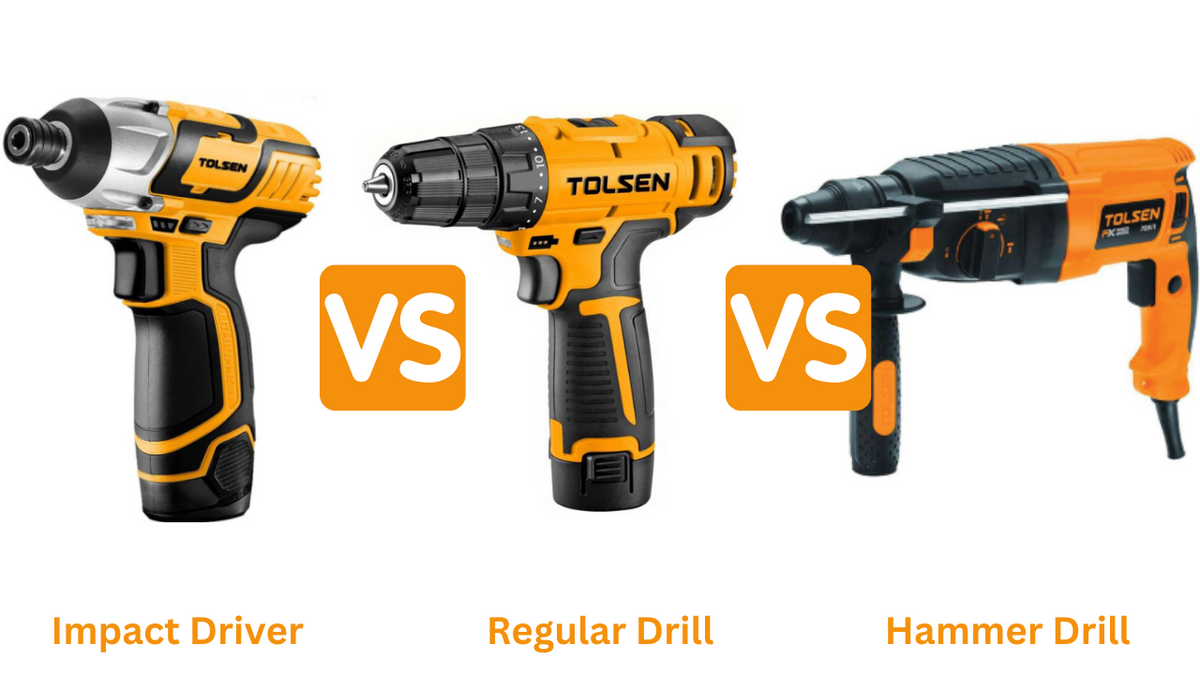
Standard drills are common tools in many toolboxes. They offer basic drilling and screw-driving functions. Compared to hammer drills and impact drivers, standard drills work well on softer materials like wood and plastic. They provide steady rotation without extra force or impact. This makes them less suited for heavy-duty tasks.
Hammer drills and impact drivers add specific features that standard drills lack. Hammer drills combine rotation with a hammering action. This helps break through tough materials like concrete and brick. Impact drivers deliver quick bursts of rotational force. This design makes driving screws easier and faster, especially large or long fasteners.
When To Use Each Tool
Use a standard drill for light to medium tasks. Drilling small holes in wood or assembling furniture works well. Hammer drills are best for hard surfaces like masonry or concrete. They can drill holes where regular drills fail. Impact drivers excel at driving screws and bolts. They reduce wrist strain and speed up fastening jobs.
Limitations And Advantages
Standard drills lack the power to handle tough materials. They are quieter and simpler to control. Hammer drills can be noisy and heavy but drill through hard materials easily. Impact drivers can drive large screws without slipping. They are not designed for precise drilling. Each tool fits different jobs, making them valuable in a toolbox.
Frequently Asked Questions
Can An Impact Driver Be Used As A Hammer Drill?
No, an impact driver cannot replace a hammer drill. It lacks the hammering action needed for concrete or masonry drilling. Impact drivers excel at driving screws, while hammer drills efficiently chip hard materials. Using an impact driver on masonry can damage bits and reduce effectiveness.
Do I Need An Impact Driver Or Hammer Drill?
Use an impact driver for driving screws and fasteners with high torque. Choose a hammer drill to drill into concrete, brick, or masonry efficiently. Avoid using an impact driver as a hammer drill; their functions and mechanisms differ significantly.
Can I Use A Hammer Drill As A Regular Drill?
Yes, you can use a hammer drill as a regular drill by turning off the hammer mode. It drills wood, metal, and plastic effectively.
When Not To Use An Impact Driver?
Avoid using an impact driver for drilling into concrete, masonry, or brittle materials. It can damage bits and materials. Use a hammer drill instead.
What Is The Main Difference Between A Hammer Drill And Impact Driver?
A hammer drill combines rotation with hammering for hard materials. An impact driver delivers strong rotational impacts for driving screws.
Can An Impact Driver Be Used Like A Hammer Drill?
No, impact drivers lack the forward hammering action needed to drill into concrete or masonry.
Conclusion
Choosing between a hammer drill and an impact driver depends on your project needs. Use a hammer drill for drilling into hard materials like concrete or brick. Pick an impact driver to drive screws and bolts quickly without wrist strain.
Each tool has a unique design that suits specific tasks. Using the wrong tool can slow work and damage bits. Keep your projects efficient by matching the tool to the job. Simple choices lead to better results and less frustration.
Related Articles
- Electric Screwdriver Vs Drill: Ultimate Guide to Choose Right Tool
- How Does an Impact Driver Work: Ultimate Guide to Power and Precision
- What is a Rotary Hammer Used for: Ultimate Guide to Powerful Drilling
- Can You Use a Hammer Drill As a Regular Drill? Expert Insights
nn