
Last Updated: March 27, 2026
When you reach for a pipe wrench, you probably think about getting the job done fast and right. But have you ever wondered why some wrenches feel lighter or tougher than others? The reason usually comes down to what they’re made of—aluminum or steel. Choosing between these two might seem simple, but there’s a lot more to it. Whether you’re a professional plumber, a DIY enthusiast, or just someone who wants the best tool for the job, understanding the differences between aluminum vs steel pipe wrench could save you time, money, and even a sore back.
Let’s take a closer look at how these two types of wrenches compare, what you should consider before buying, and some real-world experiences from users who’ve handled both. By the end, you’ll know which one truly fits your needs—and why the right choice can make all the difference.
What Is A Pipe Wrench?
A pipe wrench is a tool used to grip and turn pipes or circular bars. It has adjustable jaws, which allow it to fit different pipe sizes. The teeth on the jaws dig into metal, giving you a strong grip. Pipe wrenches are common in plumbing, mechanical work, and even construction. There are two main types in the market: aluminum and steel. Each one offers unique benefits and drawbacks.
Key Differences Between Aluminum And Steel Pipe Wrenches
Understanding what makes these two materials different is the first step to making an informed choice.
| Feature | Aluminum Pipe Wrench | Steel Pipe Wrench |
|---|---|---|
| Weight | Lighter (40-60% less) | Heavier |
| Strength | Strong, but less than steel | Very strong, durable |
| Corrosion Resistance | High | Moderate (can rust) |
| Price | Usually higher | Often lower |
| Best Use | Frequent, overhead work | Heavy-duty, tough jobs |
Credit: www.reddit.com
Aluminum Pipe Wrench: Features, Pros, And Cons
Features
Aluminum pipe wrenches are designed with a body made from lightweight aluminum alloy. The jaws and teeth are usually steel to maintain grip strength. The biggest advantage is how light they are. For example, a 24-inch aluminum wrench can be up to 40% lighter than its steel counterpart.
Pros
- Lightweight: Easier to carry and use for long periods. This is a major benefit for overhead work or when you need to climb ladders.
- Corrosion Resistance: Aluminum doesn’t rust like steel. This makes it ideal for wet environments, such as plumbing.
- Less Fatigue: Because it’s lighter, you’ll feel less tired after hours of work.
- Good for Repetitive Tasks: If you need to use a wrench all day, aluminum helps you work longer without strain.
Cons
- Lower Strength: Aluminum is strong but not as tough as steel. It can bend or break under extreme force.
- Higher Price: The material and manufacturing process usually make these wrenches more expensive.
- Can Be Damaged by Mishandling: Dropping or using it as a hammer can cause cracks.
Real-world Example
Many HVAC technicians prefer aluminum wrenches because they often work above their heads. The lighter weight means less shoulder pain and a lower risk of dropping the tool on pipes or their own feet.
Steel Pipe Wrench: Features, Pros, And Cons
Features
Steel pipe wrenches are made entirely from strong steel alloys. Their jaws and handle are built for maximum durability, which explains why they’re the traditional choice for tough jobs.
Pros
- Maximum Strength: Steel won’t bend or break easily. It handles high-torque tasks better.
- Long Lifespan: With proper care, a steel wrench can last decades—even with heavy use.
- Lower Cost: Usually, steel pipe wrenches are less expensive than their aluminum counterparts.
- Reliable for Heavy-Duty Jobs: If you deal with large, tight, or rusted pipes, steel is your best bet.
Cons
- Heavier: Carrying and using steel wrenches all day can cause fatigue.
- Rusts More Easily: Steel can corrode, especially if not dried or oiled after use.
- Not Ideal for Overhead Work: The extra weight makes them harder to use above your head for long periods.
Real-world Example
Many plumbers working with old cast iron pipes rely on steel wrenches. The added strength helps them loosen stubborn joints that would break an aluminum wrench.
Performance Comparison: Aluminum Vs Steel Pipe Wrench
Weight And Handling
The weight difference is perhaps the most obvious. Aluminum wrenches are up to 60% lighter. For example, a 24-inch aluminum pipe wrench weighs about 4 pounds, while a steel one of the same size can weigh nearly 7 pounds. This matters a lot when working overhead or in tight spots.
Durability And Strength
Steel is the clear winner for strength. It resists bending, breaking, and wear, making it ideal for tough jobs. Aluminum wrenches are strong but can deform if pushed past their limits. For most home plumbing tasks, aluminum is strong enough. But for industrial or high-torque jobs, steel is safer.
Corrosion And Longevity
Aluminum is naturally more resistant to corrosion. If you leave your wrench in a wet toolbox, aluminum will hold up better over time. Steel wrenches need regular maintenance—wiping, oiling, and keeping them dry—to avoid rust.
Price And Value
Aluminum wrenches cost more upfront. A 24-inch aluminum pipe wrench can be 20-30% more expensive than steel. However, if you value comfort and reduced fatigue, the extra cost can be worth it. Steel wrenches offer better value for those on a budget or who need extra strength.
When To Choose Aluminum Pipe Wrench
- You work above your head often or need to carry tools long distances.
- You have multiple repetitive tasks, such as assembling several pipes in a row.
- You want a wrench that resists rust in wet or outdoor environments.
- You value comfort and want to reduce strain on your hands, wrists, and shoulders.
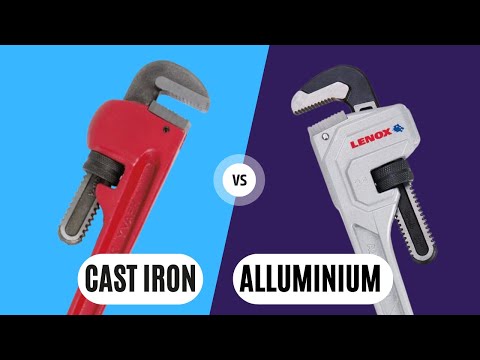
Aluminum wrenches are best for residential plumbers, HVAC technicians, and general maintenance professionals who need to carry their tools everywhere.
Credit: www.youtube.com
When To Choose Steel Pipe Wrench
- You work with large or stubborn pipes that require maximum force.
- You’re in heavy industry or on construction sites where tools take a beating.
- You want the most durable, long-lasting tool for the lowest price.
- You’re less concerned with tool weight and more focused on strength.
Steel wrenches are the standard for commercial plumbers, industrial workers, and anyone who needs a reliable tool for the toughest jobs.
Practical Insights And Common Mistakes
Hidden Costs
Many people buy the cheapest steel wrench and regret it later. Why? Because the extra weight can lead to repetitive strain injuries over time. Medical bills or lost work days can cost much more than the price difference between aluminum and steel.
Misjudging Strength Needs
Some beginners think all pipe wrenches are indestructible. Using an aluminum wrench for a high-torque job can bend the handle or break the tool. Always match the wrench strength to the task.
Ignoring Maintenance
Steel wrenches last decades, but only if you take care of them. Wipe them dry after each use and apply a thin layer of oil to prevent rust. This simple habit extends tool life dramatically—a fact many new users overlook.
Overlooking Ergonomics
Comfort matters, especially if you use wrenches daily. A lighter aluminum wrench helps prevent fatigue and injury, which can pay off in the long run.

Credit: www.reddit.com
Case Study: Plumber’s Toolkit
Imagine a professional plumber’s toolkit. They usually carry both aluminum and steel wrenches. The aluminum wrench comes out for quick jobs, overhead work, or when they’re crawling under sinks. The steel wrench is used for big, stuck, or rusted pipes where maximum force is needed.
This mix allows for efficiency and safety, proving there’s no one-size-fits-all answer. The choice often depends on the specific job at hand.
Aluminum Vs Steel: User Experiences
Let’s look at some real feedback from users who have tried both:
- Sarah, an HVAC tech: “I switched to aluminum wrenches last year. My shoulders hurt less, and I can work longer. But I keep a steel wrench in my truck for tough jobs.”
- Mike, a commercial plumber: “Steel wrenches are my go-to for big pipes. I broke an aluminum one trying to loosen a 3-inch fitting. Now I use each tool where it’s strongest.”
- Carlos, DIY home renovator: “I bought an aluminum wrench because I hate heavy tools. It’s perfect for regular repairs and doesn’t rust, but I’d borrow a steel wrench for anything really stuck.”
Comparison Table: Best Uses
Here’s a quick look at which wrench fits different users:
| User Type | Aluminum Wrench | Steel Wrench |
|---|---|---|
| Homeowner | Great for general repairs | Good for occasional tough jobs |
| Professional Plumber | Excellent for daily tasks | Essential for heavy-duty work |
| HVAC Technician | Best choice (lightweight) | Useful as a backup |
| Industrial Worker | Not recommended | Best for large pipes |
Environmental Impact
Many people don’t consider the environmental impact of their tools. Steel production uses more energy and resources than aluminum, but aluminum mining can harm ecosystems if not managed properly. Both materials can be recycled, but steel is easier and less energy-intensive to recycle in most regions.
Which Wrench Should You Buy?
Here are some quick tips to help you decide:
- Evaluate your usual tasks. If you mostly work with small to medium pipes, aluminum is a smart investment.
- Consider your work environment. Wet or outdoor jobs? Aluminum resists rust better.
- Think about your budget. Steel offers more strength for less money, but may cost more in fatigue and maintenance.
- Try before you buy. If possible, handle both types in-store to feel the difference in weight and grip.
Remember, it’s not just about one being “better”—it’s about the right tool for your specific needs.
For further reading about tool materials and their properties, check out this Wikipedia page on pipe wrenches.
Frequently Asked Questions
What Size Pipe Wrench Is Best For Home Use?
A 14-inch or 18-inch wrench works well for most home plumbing jobs. It’s big enough for common pipes but small enough for tight spaces.
Can Aluminum Pipe Wrenches Handle Heavy-duty Jobs?
They can handle most household and commercial tasks but are not ideal for very large or stuck pipes. For high-torque jobs, a steel wrench is safer.
How Do I Prevent My Steel Pipe Wrench From Rusting?
Dry it after each use and apply a light coat of oil. Store it in a dry place. Avoid leaving it in wet toolboxes or outside.
Are Aluminum Pipe Wrenches Worth The Higher Price?
If you use your wrench often or for long periods, the lighter weight and rust resistance are worth the extra cost. For rare use, steel is more budget-friendly.
Do Professionals Use Both Types Of Pipe Wrenches?
Yes, many professionals keep both in their toolbox. Aluminum for regular work and overhead jobs, steel for heavy-duty or stubborn pipes.
Choosing between aluminum and steel pipe wrenches is not just about material—it’s about matching the tool to your work style, environment, and health. Make your choice with confidence, knowing the strengths and limits of each option.
