
Last Updated: March 20, 2026
When it comes to choosing the right circular saw, you might have come across the terms “amps” and “volts” and wondered which one really matters. You want a tool that’s powerful, efficient, and safe to use—but understanding amps versus volts can be confusing.
Should you focus on the saw’s amperage for strength, or the voltage for compatibility? How do these electrical specs actually affect your cutting performance and safety? You’ll discover exactly what amps and volts mean for your circular saw, how they impact your work, and which one you should prioritize when making your next purchase.
Keep reading to make sure you get the best tool for your needs without any costly mistakes.
Voltage Role In Circular Saws
Voltage plays a crucial role in the operation of circular saws. It determines how the tool receives power and affects its performance and safety. Understanding voltage helps you choose the right saw for your tasks and ensures it works efficiently.
Voltage As Electrical Pressure
Voltage acts like electrical pressure in a circular saw. It pushes the electric current through the tool’s motor. The right voltage level ensures the motor runs smoothly. Too low or too high voltage can cause problems.
Impact On Tool Compatibility
Each circular saw requires a specific voltage to work properly. Using the wrong voltage can damage the saw or cause it not to start. Matching the saw’s voltage with the power source is essential for safe operation.
Risks Of Incorrect Voltage
Incorrect voltage can lead to overheating or motor failure. High voltage might burn internal parts, while low voltage can cause slow performance. Both cases reduce the lifespan of the circular saw and can be dangerous.
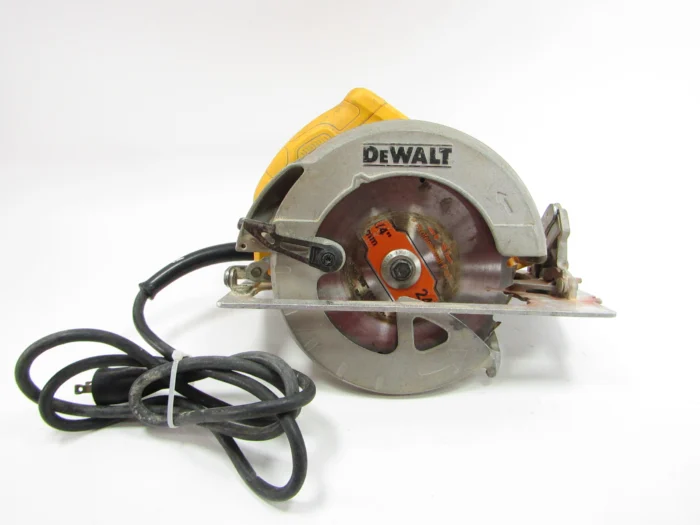
Credit: www.pawnamerica.com
Amperage And Saw Performance
Amperage plays a key role in circular saw performance. It affects how strong and fast the saw can cut. Understanding amps helps in choosing the right saw for your needs.
Amperage also impacts safety and the tool’s lifespan. Let’s explore how amps influence saw power and operation.
Amps As Electrical Current
Amps measure the electrical current flowing through the saw. This current powers the motor. Higher amps mean more electricity flows to the motor. More flow means the motor can work harder. Amps are like the volume of water in a pipe. The more amps, the stronger the motor runs.
Effect On Power And Torque
Amperage directly affects power and torque of the saw. Power is the saw’s ability to cut through material. Torque is the twisting force that turns the blade. Higher amps increase torque and power. This helps the saw cut thicker or harder wood. A saw with low amps may struggle under heavy loads. Higher amps ensure smooth cutting and better performance.
Amperage Limits And Safety
Every saw has a maximum amperage rating for safe operation. Exceeding this limit can cause overheating. Overheating damages the motor and can cause failure. Electrical circuits can also trip or short out. Using a saw within its amperage limits protects both the tool and user. Proper amperage ensures the saw runs safely and lasts longer.
Matching Voltage For Safety
Matching the voltage of your circular saw to the power source is vital for safety and tool longevity. Using the correct voltage prevents electrical problems that can harm both the tool and the user. It ensures the saw runs smoothly without unexpected interruptions or hazards.
Voltage acts like the pressure pushing electricity through the saw. If this pressure is too high or too low, it can cause serious issues. Keeping the voltage matched protects the internal parts and maintains consistent performance.
Avoiding Overheating And Damage
Using a circular saw with the wrong voltage can cause overheating. Too much voltage forces excessive current, heating the motor and wiring. This can melt parts or cause permanent damage.
Too little voltage makes the saw work harder to perform, increasing wear and tear. The motor may stall, leading to damage over time. Correct voltage helps keep the saw cool and safe.
Ensuring Proper Tool Operation
The saw’s motor depends on the right voltage for optimal speed and power. Incorrect voltage can cause the blade to spin too slowly or erratically. This affects cutting accuracy and safety.
Matching voltage ensures the circular saw runs as designed. It provides consistent power for smooth cuts and reliable operation. Proper voltage also reduces the risk of electrical shocks or failures.
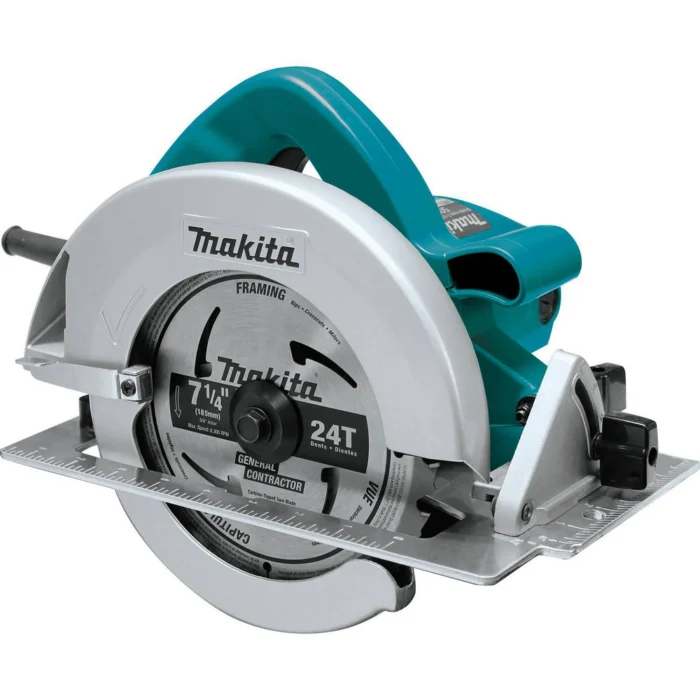
Credit: www.mscdirect.com
Choosing The Right Amperage
Choosing the right amperage for your circular saw is essential for efficient and safe operation. The amperage rating indicates how much electrical current the saw can handle. It affects the saw’s power, cutting speed, and overall performance. Picking the correct amperage ensures the tool meets your project needs without overloading or underperforming.
Meeting Power Demands
The amperage rating must match the power needs of your cutting tasks. Higher amperage means the saw can draw more current, providing stronger power. This is crucial for heavy-duty cutting or thick materials. Lower amperage saws suit lighter tasks and thin materials. Selecting a saw with enough amperage avoids stalling and damage during use.
Influence On Cutting Speed
Amperage directly impacts how fast the blade spins. A saw with higher amperage can maintain blade speed under load. This means smoother, quicker cuts. If the amperage is too low, the blade slows down when cutting dense wood or metal. Proper amperage helps keep your work efficient and reduces fatigue.
Consequences Of Low Amperage
Using a circular saw with insufficient amperage causes several problems. The blade may bog down or stop when cutting thick materials. The motor can overheat due to excess strain. This reduces the tool’s lifespan and increases the risk of failure. Low amperage also means slower progress and poor cut quality. Choosing a saw with the right amperage prevents these issues.
Voltage Vs Amperage In Power Tools
Understanding voltage and amperage is essential for using power tools correctly. Voltage is the electrical pressure that pushes current through a tool. Amperage measures the amount of electrical current flowing. Both affect how a power tool, like a circular saw, performs. Knowing the difference helps you choose the right tool for your job and work safely.
Balancing Speed And Strength
Voltage affects the speed of a circular saw’s motor. Higher voltage means the motor can spin faster, cutting through material more quickly. Amperage relates to the tool’s strength or torque. More amps allow the saw to handle tougher materials without slowing down. The best circular saw has the right balance of voltage and amperage for your work needs.
Safety Considerations
Voltage and amperage both impact safety. Too high voltage can cause overheating or damage the tool. Too much current flow can lead to electrical shocks or fire hazards. Always use tools with voltage and amperage ratings that match your power source. Proper use and maintenance reduce risks and protect you from accidents.
Which Matters More?
Voltage is critical for tool compatibility and basic operation. Without the right voltage, a tool may not work or could be damaged. Amperage determines how well the tool performs under load. For powerful cutting, sufficient amperage is necessary. Neither voltage nor amperage alone is more important. Both must match the tool’s requirements for the best results.
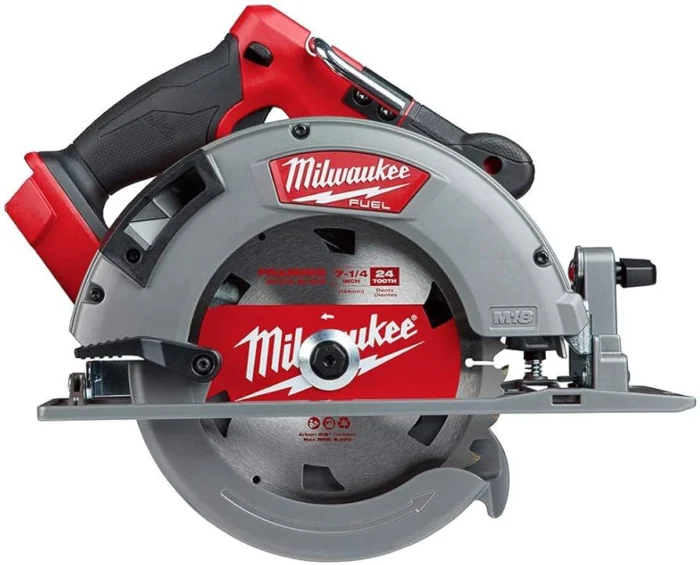
Credit: www.amazon.com
Tips For Selecting Circular Saws
Selecting the right circular saw requires understanding its power and performance. Power depends on two main factors: amps and volts. Knowing how these affect the saw helps make a better choice. This section covers key tips to choose between amp and volt circular saws easily.
Each factor plays a unique role in the saw’s operation. Voltage affects compatibility with the power source. Amperage relates to how strong and fast the saw can work. Matching these correctly ensures safety and efficiency.
Checking Voltage Ratings
Voltage tells how much electrical pressure the saw needs. The saw must match the voltage of the power supply. Too high voltage can damage the saw. Too low voltage can cause poor performance or failure. Always check the saw’s voltage rating before buying. This prevents damage and keeps the saw running smoothly.
Understanding Amperage Needs
Amps measure the current the saw uses. More amps usually mean more power and faster cutting. The power source should supply enough amps for the saw. If the amperage is too low, the saw may slow down or stop. The saw pulls only the amps it needs. Check the amperage to ensure good performance and safety.
Matching Power Source And Tool
Choose a power source that fits the saw’s voltage and amperage. Corded saws need a steady power supply with the correct voltage. Cordless saws depend on battery volts and amps. Batteries with higher voltage provide more power. Make sure the battery or outlet matches the saw’s requirements. This match avoids damage and keeps the saw working well.
Frequently Asked Questions
Is It Better To Have More Amps Or Volts?
Voltage must match device requirements to prevent damage. Amperage affects performance and charging speed. Both are equally important for safe, efficient operation.
How Many Amps Should A Circular Saw Be?
A circular saw typically requires 10 to 15 amps for efficient cutting. Higher amps deliver more power and better performance. Choose a saw with sufficient amperage to handle your woodworking tasks safely and effectively.
Is A 10 Amp Circular Saw Good?
A 10 amp circular saw offers strong power for most cutting tasks. It delivers efficient, consistent performance for wood and light materials. This amperage supports smooth operation without frequent stalls, making it a good choice for both DIYers and professionals.
Is A 13 Amp Circular Saw Good?
A 13 amp circular saw delivers strong power suitable for most cutting tasks. It offers good performance and durability for home and professional use.
What Is The Difference Between Amps And Volts In Circular Saws?
Volts measure electrical pressure, while amps measure the flow of electricity in the saw.
How Do Amps Affect Circular Saw Performance?
Higher amps allow the saw to draw more power, improving cutting strength and speed.
Conclusion
Choosing between amps and volts for a circular saw depends on your needs. Voltage ensures the saw works safely and matches the power source. Amperage affects how strong and fast the saw runs. Both matter for the tool’s performance and safety.
Use the right voltage to avoid damage. Make sure the amperage meets or exceeds the saw’s requirements. Understanding these basics helps you pick the best circular saw for your projects. Simple and clear choices lead to better results and longer tool life.
{ “@context”: “https://schema.org”, “@type”: “Article”, “headline”: “Amp Vs Volt Circular Saw: Ultimate Guide to Choosing Power”, “description”: “Amp vs volt circular saw explains the difference between current and voltage in saws, helping understand power and efficiency for effective tool use.”, “url”: “https://www.powertoolstoday.com/amp-vs-volt-circular-saw/”, “datePublished”: “2025-11-12”, “dateModified”: “2026-03-18”, “author”: { “@type”: “Organization”, “name”: “Power Tools Today”, “url”: “https://www.powertoolstoday.com” }, “publisher”: { “@type”: “Organization”, “name”: “Power Tools Today”, “url”: “https://www.powertoolstoday.com” }, “mainEntityOfPage”: { “@type”: “WebPage”, “@id”: “https://www.powertoolstoday.com/amp-vs-volt-circular-saw/” }, “image”: { “@type”: “ImageObject”, “url”: “https://www.powertoolstoday.com/wp-content/uploads/2025/11/Amp-Vs-Volt-Circular-Saw-1024×576.webp” } }nn