
Last Updated: March 27, 2026
Are Cordless Tools As Powerful As Corded?
Power tools have changed the way we work at home and on the job. For many years, corded tools were the only option for people who needed strength and reliability. But today, cordless tools are everywhere, promising freedom from power outlets and tangled cords. This has led to a big question for DIYers, tradespeople, and homeowners: Are cordless tools as powerful as corded?
Let’s look closely at how cordless and corded tools compare, why their power matters, and what you should consider before making your choice.
Understanding Tool Power: Corded Vs. Cordless
The main question is about power. But what does “power” really mean for tools? In simple terms, it is the tool’s ability to do work—like drilling, cutting, or sanding. Power is measured in watts (W), amps (A), or volts (V), depending on the tool and its source.
Corded tools plug directly into an outlet, using the steady supply of electricity from the wall. Most run on 120V or 230V AC (depending on your country). This gives them a consistent power flow—no drops or slowdowns.
Cordless tools run on rechargeable batteries. The most common are lithium-ion (Li-ion) batteries, usually with voltages from 12V to 60V. Higher voltage means more potential power, but battery tools can lose strength as the battery drains.
Key Differences In How Power Is Delivered
- Corded tools: Constant, strong power as long as they are plugged in.
- Cordless tools: Power depends on the battery charge and quality. Some high-end models now rival corded power, but only for a certain time.
Comparing Performance: How Cordless And Corded Tools Stack Up
To see if cordless tools are as powerful, we need to compare real performance in different areas.
Drills And Drivers
Early cordless drills were much weaker than corded versions. Today, 18V and 20V cordless drills can deliver up to 750 in-lbs of torque, which matches or even beats many corded drills. For light to medium work—like building furniture or drilling into wood—modern cordless drills are often just as strong.
However, for continuous heavy-duty drilling (like mixing thick mortar or drilling large holes in concrete), corded drills still have an edge. They do not slow down, and there’s no battery to run out.
Saws
Circular saws and reciprocating saws are essential for cutting jobs. Cordless saws have become much more powerful—some 60V cordless circular saws can cut through two layers of plywood with ease. But if you are making long, repeated cuts (such as on a jobsite), the battery life can limit your work. Corded saws stay at full power, hour after hour.
Grinders And Sanders
Corded versions usually win when it comes to angle grinders and sanders. These tools need a lot of energy, especially for heavy metal grinding or smoothing hardwood. Cordless models now offer decent performance for short tasks, but frequent battery swaps or slowdowns are common for bigger jobs.
Impact Wrenches
Cordless impact wrenches have seen big improvements. Some 1/2-inch 20V impact wrenches deliver over 1,000 ft-lbs of torque—enough to remove lug nuts or work on tough bolts. For automotive work, many professionals now prefer cordless for convenience and similar power.
Power Comparison Table
Here’s a quick comparison of typical specs for popular tools:
| Tool Type | Corded Power | Cordless Power | Notes |
|---|---|---|---|
| Drill | 5-10 Amps, up to 800 in-lbs torque | 12V-20V, up to 750 in-lbs torque | Cordless nearly matches corded for most tasks |
| Circular Saw | 12-15 Amps, 5,000+ RPM | 18V-60V, 4,000-5,800 RPM | Cordless good for short/medium jobs |
| Angle Grinder | 7-15 Amps, 8,500+ RPM | 18V-60V, 8,000-9,000 RPM | Heavy grinding favors corded |
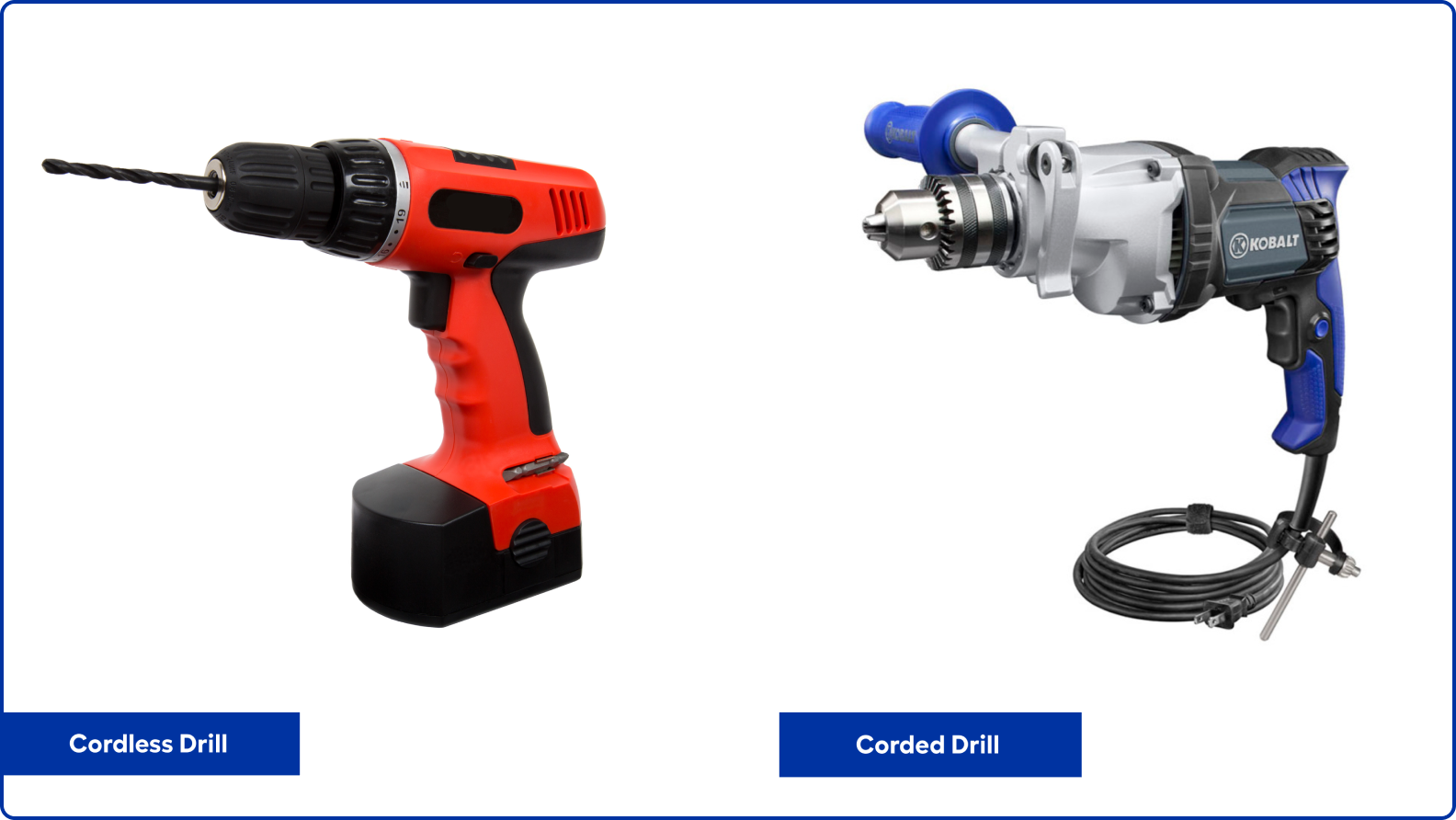
Credit: www.lowes.com
Battery Technology: The Heart Of Cordless Tools
The real progress in cordless tool power comes from battery improvements. Modern lithium-ion batteries are lighter, charge faster, and hold more energy than old nickel-cadmium (NiCd) batteries.
How Battery Specs Affect Power
- Voltage: Higher voltage means more power. A 20V tool is usually stronger than a 12V tool.
- Amp-hours (Ah): Shows how much energy the battery stores. More Ah equals longer run time.
- Battery management systems: Smart electronics in the battery prevent overheating and control power output for better performance.
Battery Run Time Vs. Tool Power
Even the best cordless tool is limited by its run time. High-demand jobs—like cutting thick lumber or grinding steel—can drain a battery in 10-20 minutes. You can swap batteries, but this can interrupt your work.
For many tasks, cordless tools are powerful enough for 90% of jobs. But for all-day, heavy-duty work, battery run time is still a limiting factor.
Battery Comparison Table
Below is a quick look at typical battery specs for cordless tools:
| Battery Voltage | Typical Amp-Hours (Ah) | Run Time (Heavy Use) | Charge Time |
|---|---|---|---|
| 12V | 1.5–3.0 Ah | 10–30 mins | 30–60 mins |
| 18V/20V | 2.0–6.0 Ah | 20–60 mins | 30–90 mins |
| 36V/60V | 4.0–12.0 Ah | 30–90 mins | 60–120 mins |
Advantages Of Cordless Tools
Cordless tools have many strengths beyond just power. Here’s why many people choose them:
- Freedom of movement: No cord means you can work anywhere—on roofs, in the yard, or far from outlets.
- Easy setup: No need to find a power source or deal with extension cords.
- Safer work environment: No cords to trip over or cut by accident.
- Modern features: Many cordless tools have smart controls, LED lights, and brushless motors for longer life.
These benefits matter even more on busy jobsites or for people working in tight spaces.

Credit: mafpro.in
Limitations Of Cordless Tools
But cordless tools are not perfect for everyone or every job:
- Battery limits: Long, heavy-duty tasks can drain batteries quickly. You may need to buy extra batteries, which adds cost.
- Higher upfront price: Cordless tools and their batteries are often more expensive than similar corded models.
- Weight: Batteries add weight, which can make some tools heavier than corded versions.
For professionals who need nonstop power (like in factories or big construction sites), corded tools may still be the better choice.
Where Corded Tools Still Win
Corded tools have not disappeared for a reason. They offer:
- Unlimited run time: You can work all day without stopping to recharge.
- Consistent power: No slowdowns as with draining batteries.
- Often less expensive: No need to buy batteries or chargers.
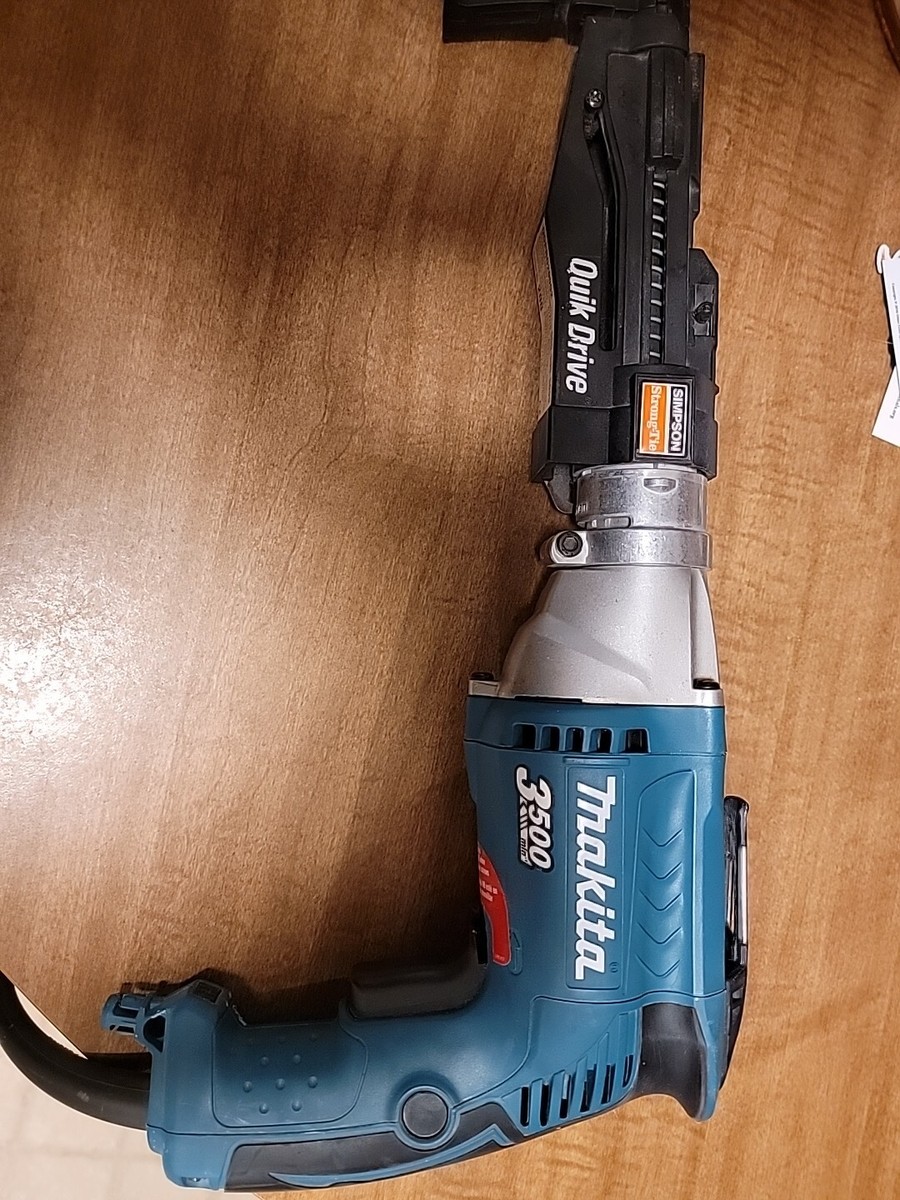
For jobs like concrete drilling, heavy grinding, or long sessions of sawing, corded tools are often the best.
Credit: www.ebay.com
Surprising Insights Most Beginners Miss
Many people think cordless tools are always weaker, but this is not true for most new models. In fact, some cordless tools now outperform their corded cousins in short bursts. For example, top-tier cordless impact wrenches can produce more torque than corded ones, at least for a few minutes.
Another common oversight: tool maintenance. Cordless tools have more electronics and need proper care—like not leaving batteries in extreme heat or cold. Neglecting this can reduce battery life and tool power.
Choosing Between Cordless And Corded: What Really Matters
If you’re unsure which is better for you, consider these factors:
- Type of work: For short, flexible tasks, cordless is usually best. For nonstop, high-demand jobs, corded wins.
- Budget: Cordless tools cost more upfront but may save time and hassle.
- Frequency of use: If you use tools only now and then, cordless may be more convenient.
- Work location: No power on site? Cordless is the clear winner.
- Tool lifespan: Corded tools can last for decades with simple care. Battery life on cordless tools is typically 3-5 years, after which you may need to buy new batteries.
Real-world Example: Construction Jobsite
On a busy construction site, you will often see a mix of both tool types. Workers use cordless drills and impact drivers for quick jobs and to move around easily. For tasks like cutting steel beams or running a table saw all day, corded tools are still preferred.
The Future: Are Cordless Tools Catching Up?
Battery and motor technology is improving fast. Some brands now offer 60V cordless saws and brushless motors that can match or exceed corded power for many tasks. In a few years, it’s likely that cordless tools will close the gap even more.
Still, battery run time remains a challenge for some jobs. Until batteries can provide hours of full-power work, corded tools will have a place.
For more on the science behind battery improvements, see this Lithium-ion battery overview.
Frequently Asked Questions
How Long Do Cordless Tool Batteries Last Before Replacement?
Most lithium-ion batteries last about 3 to 5 years or 300–500 charge cycles, whichever comes first. If you notice your tool running out of power much faster than before, it’s time to replace the battery.
Can Cordless Tools Handle Heavy-duty Jobs Like Corded Tools?
High-end cordless tools can handle many heavy-duty jobs, but their run time is limited. For continuous, demanding work like cutting concrete or grinding metal for hours, corded tools are usually more reliable.
Are Cordless Tools Safer Than Corded Tools?
Cordless tools are often safer because there are no cords to trip over or cut accidentally. However, always follow safety instructions and keep batteries away from water and extreme temperatures.
Why Are Cordless Tools More Expensive Than Corded Tools?
The cost of advanced batteries and the extra electronics inside cordless tools make them more expensive. Corded tools are simpler and have fewer parts that can wear out.
Is It Worth Buying Extra Batteries For Cordless Tools?
If you use your cordless tools for long periods or on big projects, having spare batteries is very helpful. This lets you swap batteries and keep working without waiting for a recharge.
Cordless tools have come a long way and now offer real competition to corded models for most jobs. The right choice depends on your needs, your budget, and how much you value convenience versus continuous power. With rapid improvements in battery technology, the power gap is shrinking—and for many users, cordless tools are more than powerful enough.