
Last Updated: March 20, 2026
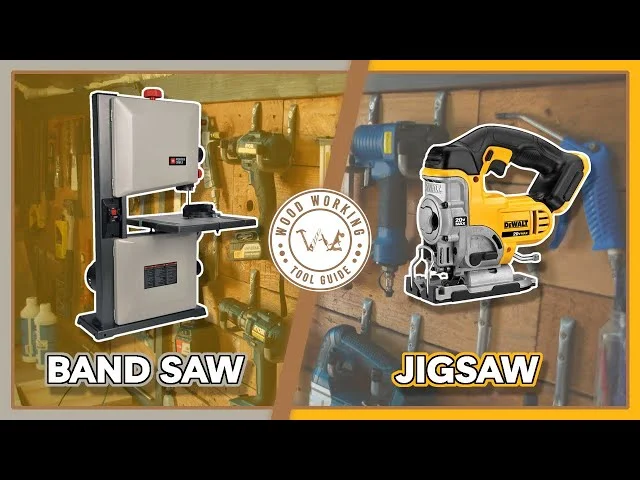
When it comes to choosing the right saw for your woodworking projects, you might find yourself stuck between a band saw and a jigsaw. Both tools have unique strengths and can make a big difference in how smoothly and precisely your cuts turn out.
But which one fits your needs best? Whether you’re working on thick lumber or need to create detailed curves, understanding the key differences between a band saw and a jigsaw will help you make smarter decisions and get better results.
Keep reading, and you’ll discover exactly when to reach for each saw, so your next project turns out just the way you want.
Credit: www.youtube.com
Band Saw Features
The band saw offers unique features that make it a valuable tool in many workshops. It excels in cutting various materials with precision. Its design and functionality suit both straight and curved cuts. Understanding its features helps choose the right saw for your projects.
Blade Design And Operation
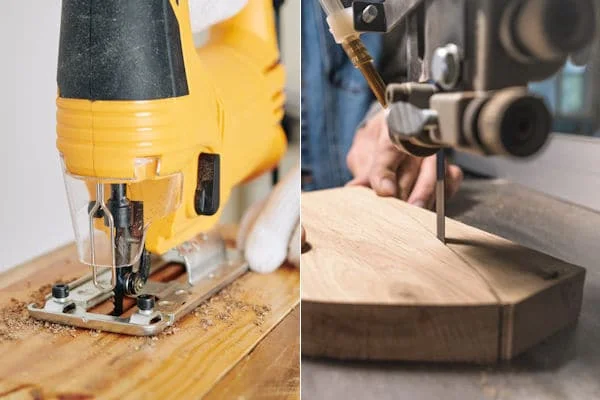
The band saw uses a continuous loop blade. This blade runs around two wheels inside the machine. It moves in one direction for smooth cutting. The blade is thin and flexible, allowing curved cuts. Its teeth size varies based on the material type. This design ensures steady cuts with less vibration.
Material Thickness And Cutting Depth
Band saws can cut thick materials easily. The blade can slice through wood, metal, or plastic. Cutting depth depends on the saw’s throat size. Larger throat sizes allow bigger material cuts. This makes the band saw ideal for resawing thick boards. It provides clean cuts even on dense materials.
Stationary Use And Workspace Setup
Band saws are typically stationary tools. They require a fixed spot in your workspace. The setup includes a solid table and enough space for material movement. This setup improves cutting accuracy and safety. Users benefit from a stable base to control the workpiece better.
Credit: toolandbark.com
Jigsaw Features
The jigsaw is a versatile power tool favored for its precision and flexibility. It is ideal for projects that require detailed cuts and shapes. Understanding its features helps to choose the right tool for your woodworking needs.
Blade Movement And Types
The jigsaw uses a reciprocating blade that moves up and down. This motion allows for quick and controlled cutting. Blades come in various types, including those for wood, metal, and plastic. Choosing the correct blade ensures clean and accurate cuts. Some jigsaws also offer orbital action, which adds a slight forward motion. This feature speeds up cutting on softer materials.
Portability And Handling
Jigsaws are lightweight and compact. Their size makes them easy to carry around the workspace or job site. The ergonomic design helps reduce hand fatigue during use. Many models have rubber grips for better control. This makes jigsaws suitable for beginners and experienced users alike.
Cutting Curves And Interior Shapes
Jigsaws excel at cutting curves and interior shapes. The narrow blade can turn easily, allowing tight radius cuts. This makes them perfect for intricate designs and patterns. To cut interior shapes, drill a starter hole and insert the blade. The jigsaw then cuts smoothly from inside the material. This feature is useful for making holes or decorative cuts.
Cutting Capabilities
Understanding the cutting capabilities of band saws and jigsaws helps choose the right tool. Each saw handles different tasks with unique strengths. Knowing these differences improves project accuracy and efficiency.
Straight Cuts And Resawing
Band saws excel at straight cuts, especially on thick wood pieces. Their wide blades stay steady, making precise, long cuts easy. Resawing, or cutting wood into thinner slices, works best with a band saw. Jigsaws struggle with long straight cuts due to narrow blades and blade movement. They are not suitable for resawing tasks.
Curved And Intricate Cuts
Jigsaws shine in curved and detailed cuts. Their small blades move up and down rapidly, allowing sharp turns and fine shapes. Band saws also cut curves but need more skill for tight, intricate patterns. Jigsaws are the preferred tool for puzzles and decorative designs requiring many curves.
Material Suitability
Band saws handle thick wood, plastic, and even metal with the right blade. They cut smoothly through tough materials. Jigsaws work well on thinner materials like plywood and laminate. They are great for quick cuts on light materials but less effective on dense or thick stock.
Credit: www.youtube.com
Safety And Ease Of Use
Safety and ease of use are key factors when choosing between a band saw and a jigsaw. Both tools have unique features that impact how safely and easily you can operate them. Understanding these differences helps avoid accidents and improves your cutting experience.
Kickback And User Control
Band saws generally offer better control with less chance of kickback. The continuous blade moves smoothly, reducing sudden movements. Jigsaws have a reciprocating blade that moves up and down quickly. This can cause more kickback and requires a steady hand. Using proper grip and guiding the tool slowly improves control for both saws.
Skill Level Requirements
Jigsaws are easier for beginners to use. Their lightweight design and simple operation make them good for small projects. Band saws need more skill to guide the material through the blade safely. They are better suited for users with some experience. Practice and patience help improve accuracy and safety with either saw.
Workspace Safety Tips
Keep your workspace clean and well-lit to avoid accidents. Secure the material firmly before cutting. Always wear safety glasses and hearing protection. Avoid loose clothing that can catch in the blade. Keep hands away from the cutting path and use push sticks if needed. Regularly check the blade condition and tension for safe operation.
Project Suitability
Choosing between a band saw and a jigsaw depends on the type of project you want to complete. Each tool suits different tasks and skill levels. Understanding project suitability helps you pick the right saw for your work. This section explains which saw fits various woodworking and crafting needs.
Woodworking And Lumber Tasks
Band saws excel at cutting thick wood and lumber. They handle large pieces and straight or curved cuts smoothly. This saw is ideal for resawing and ripping boards into thinner slices. Jigsaws work well for thinner wood and smaller cuts. They are better for intricate shapes but struggle with thick lumber.
Diy And Craft Applications
Jigsaws are perfect for DIY projects and crafts. Their small size and maneuverability allow detailed cuts and curves. They cut shapes like circles and patterns easily. Band saws are less common in crafts because they are larger and less precise for fine detail. Choose a jigsaw for hobby projects needing accuracy.
Professional Vs Hobby Use
Professionals often prefer band saws for heavy-duty and repetitive work. Their power and precision save time on big projects. Hobbyists and beginners usually pick jigsaws for their ease and versatility. Jigsaws require less setup and are safer for casual use. Each saw suits different skill levels and work demands.
Cost And Maintenance
Cost and maintenance play a major role in choosing between a band saw and a jigsaw. Both tools serve different purposes and require different levels of upkeep. Understanding these differences helps in making a smart purchase that lasts long and performs well.
Initial Investment And Accessories
Band saws generally cost more upfront than jigsaws. They are larger and more powerful machines. Jigsaws are compact and budget-friendly. Accessories for band saws include blades, stands, and guides. Jigsaws need fewer extras, mainly blades and batteries if cordless. Consider your budget and workspace before buying.
Blade Replacement And Care
Band saw blades last longer but cost more to replace. They require careful tensioning and alignment for smooth cuts. Jigsaw blades wear out faster, especially when cutting hard materials. Changing jigsaw blades is quick and simple. Both tools need clean blades for accurate cuts and safety.
Long-term Durability
Band saws are built to handle heavy-duty cutting for years. Proper maintenance extends their lifespan significantly. Jigsaws are less durable but work well for light to medium tasks. Regular cleaning and lubrication keep both tools running smoothly. Investing time in care avoids costly repairs and replacements.
Frequently Asked Questions
Is A Bandsaw Better Than A Jigsaw?
A bandsaw excels at deep, smooth cuts in thick materials. A jigsaw suits detailed, curved cuts on thinner wood. Choose based on cut type and material thickness.
What Are The Disadvantages Of A Bandsaw?
A bandsaw requires more skill to guide accurately and can suffer from blade drift. It struggles with long, straight rip cuts and lacks portability.
What Is The Easiest Saw For A Beginner?
The easiest saw for beginners is a jigsaw. It’s lightweight, portable, and ideal for making curved and detailed cuts safely.
What Is The 3-tooth Rule For Bandsaws?
The 3-tooth rule for bandsaws means at least three teeth should contact the material during cutting. This ensures smooth, efficient cuts and prevents blade damage.
What Is The Main Difference Between A Band Saw And A Jigsaw?
A band saw uses a continuous blade for deep cuts; a jigsaw uses a small blade for detailed curves.
Which Saw Is Better For Cutting Thick Wood Pieces?
Band saws are better for thick wood because they cut deeper and more smoothly.
Conclusion
Choosing between a band saw and a jigsaw depends on your project needs. Band saws cut thick materials and make smooth, deep cuts. Jigsaws handle detailed, curved cuts with ease. Both tools serve different purposes in woodworking. Consider the type of cuts and material thickness before buying.
Using the right saw saves time and improves your work quality. Understanding each tool helps you work smarter, not harder.
{ “@context”: “https://schema.org”, “@type”: “Article”, “headline”: “Band Saw Vs Jigsaw: Ultimate Guide to Choose the Best Tool”, “description”: “Band Saw vs Jigsaw compares two cutting tools, highlighting their design differences, uses, and best applications in woodworking and metal cutting.”, “url”: “https://www.powertoolstoday.com/band-saw-vs-jigsaw/”, “datePublished”: “2025-11-16”, “dateModified”: “2026-03-18”, “author”: { “@type”: “Organization”, “name”: “Power Tools Today”, “url”: “https://www.powertoolstoday.com” }, “publisher”: { “@type”: “Organization”, “name”: “Power Tools Today”, “url”: “https://www.powertoolstoday.com” }, “mainEntityOfPage”: { “@type”: “WebPage”, “@id”: “https://www.powertoolstoday.com/band-saw-vs-jigsaw/” }, “image”: { “@type”: “ImageObject”, “url”: “https://www.powertoolstoday.com/wp-content/uploads/2025/11/Band-Saw-Vs-Jigsaw-1024×576.webp” } }{ “@context”: “https://schema.org”, “@type”: “Article”, “headline”: “Band Saw Vs Jigsaw: Ultimate Guide to Choose the Best Tool”, “description”: “Band Saw vs Jigsaw compares two cutting tools, highlighting their design differences, uses, and best applications in woodworking and metal cutting.”, “url”: “https://www.powertoolstoday.com/band-saw-vs-jigsaw/”, “datePublished”: “2025-11-16”, “dateModified”: “2026-03-19”, “author”: { “@type”: “Organization”, “name”: “Power Tools Today”, “url”: “https://www.powertoolstoday.com” }, “publisher”: { “@type”: “Organization”, “name”: “Power Tools Today”, “url”: “https://www.powertoolstoday.com” }, “mainEntityOfPage”: { “@type”: “WebPage”, “@id”: “https://www.powertoolstoday.com/band-saw-vs-jigsaw/” }, “image”: { “@type”: “ImageObject”, “url”: “https://www.powertoolstoday.com/wp-content/uploads/2025/11/Band-Saw-Vs-Jigsaw-1024×576.webp” } }nn