
Last Updated: March 14, 2026
A bench grinder is a powerful tool for shaping, sharpening, and polishing metal and other materials. But many users face a common and annoying problem: bench grinder motor overheating. If your grinder gets too hot, it can damage the motor, reduce the tool’s life, and even become dangerous. Overheating is not only a sign of trouble; it can also lead to sudden stops, smoke, or a burning smell.
Many beginners simply let the grinder cool down and keep using it, but this approach just masks the real issue. Fixing overheating is possible, but you need to understand the root causes, check your equipment, and use smart maintenance steps.
This article will guide you through every part of the problem, from why it happens to how you can fix it and prevent it from coming back.
Why Bench Grinder Motors Overheat
Understanding the reasons behind motor overheating is key to a lasting solution. Most bench grinders are designed for heavy use, but they still have limits. Here are the main causes of overheating:
- Overloading the Motor: Grinding hard materials, pushing too much pressure, or running the tool for long periods can strain the motor.
- Poor Ventilation: Dust buildup, blocked vents, or a crowded workspace can trap heat inside the grinder body.
- Worn Bearings: Bearings reduce friction. When they wear out, the motor must work harder, creating more heat.
- Electrical Issues: Low voltage, bad wiring, or a faulty capacitor can make the motor run inefficiently.
- Improper Wheel Size or Type: Using wheels that are too large, too heavy, or not suited for your grinder’s speed can overload the motor.
- Continuous Duty: Most bench grinders are built for short bursts, not long, non-stop use.
Non-obvious insight: Many users think only heavy grinding causes overheating, but even light use with poor ventilation or old bearings can quickly raise motor temperature.
How To Diagnose Overheating Causes
Before fixing anything, you need to find out why your grinder is getting hot. Here’s how to diagnose the problem:
- Visual Inspection: Look for dust, debris, or anything blocking the vents. Check for signs of burning, melting, or discoloration.
- Listen for Noise: A grinding or squealing sound often means worn bearings.
- Touch Test: Carefully (with the power off), feel the motor housing. If it’s too hot to touch after a short use, that’s a red flag.
- Check the Power Supply: Use a multimeter to ensure correct voltage. Low voltage makes motors overheat.
- Spin the Wheels by Hand: If they feel rough or don’t spin freely, bearings may be failing.
- Inspect the Wheels: Make sure the wheels are the correct size and securely attached.
Practical tip: Always disconnect the grinder from power before touching, inspecting, or opening any part.
Step-by-step Fixes For Bench Grinder Motor Overheating
Once you’ve identified the likely cause, you can fix the overheating problem. Here’s how:
1. Clean And Improve Ventilation
Blocked vents trap heat. Unplug the grinder, remove the covers, and clean out all dust and debris using compressed air or a brush. Place the grinder in an open area where air flows freely. Avoid using it in tight corners.
2. Replace Or Lubricate Bearings
Worn bearings create friction and heat. If you hear noise or feel resistance, it’s time to replace them. Buy bearings that match your grinder’s model. If the bearings are in good shape but dry, add a few drops of machine oil.
Avoid over-lubrication, which can attract more dust.
3. Check And Fix Electrical Issues
Loose wires, bad switches, or a weak capacitor can make the motor overheat. Open the housing and inspect all connections. If you see burnt wires, replace them. Test the capacitor with a multimeter; if it’s out of range, replace it.
If you’re not confident with electrical repairs, call a professional.
4. Use The Correct Wheels
Check your grinder manual for the recommended wheel size and type. Never use wheels larger or heavier than what’s specified. If you need to replace wheels, buy ones rated for your grinder’s RPM. Mount them properly and balance the wheels to reduce vibration and heat.
5. Avoid Overloading And Continuous Duty
Let the grinder rest between long grinding sessions. Use light, steady pressure—don’t force the workpiece into the wheel. If you regularly need long runs, consider upgrading to a grinder rated for continuous use.
6. Upgrade Your Power Supply
If your workshop has old wiring or voltage drops, this can lead to overheating. Use a dedicated outlet for your grinder, and avoid long extension cords. If voltage is still low, talk to an electrician.
7. Replace The Motor (if Necessary)
If the motor is badly damaged, sometimes the only fix is a replacement. Buy a motor that matches your grinder’s voltage, wattage, and speed specs. Installation may require professional help to ensure safety.
Comparing Key Fixes: Cost, Time, And Complexity
Here is a practical comparison of different overheating fixes for your bench grinder:
| Fix | Estimated Cost | Time Required | Skill Level |
|---|---|---|---|
| Clean vents and body | Low (under $10) | 10-20 minutes | Beginner |
| Replace bearings | Medium ($15-$40) | 1-2 hours | Intermediate |
| Fix electrical issues | Medium ($10-$50) | 30-60 minutes | Intermediate/Professional |
| Change grinding wheels | Low ($10-$30) | 15-30 minutes | Beginner |
| Replace motor | High ($50-$200+) | 2-4 hours | Advanced/Professional |

Credit: www.ereplacementparts.com
Preventing Overheating: Maintenance And Best Practices
Fixing the problem is good, but preventing it is even better. Here are key maintenance habits to keep your bench grinder running cool:
Regular Cleaning
Dust and metal shavings are your grinder’s worst enemy. Clean the tool after every use. Pay special attention to air vents and fan blades.
Lubrication Schedule
Check and lubricate bearings every 6–12 months, or as your manual suggests. Use the correct lubricant, and apply sparingly.
Smart Grinding Habits
Don’t press too hard. Let the wheel do the work. Take breaks during long jobs to let the motor cool.
Safe Storage
Store your grinder in a dry, dust-free place. Cover it if possible to prevent dust buildup.
Wheel Checks
Inspect wheels for cracks, chips, or improper mounting before each use. Replace damaged wheels immediately.
Non-obvious insight: Even a slightly unbalanced wheel can cause extra vibration, which leads to more heat in the motor and bearings.
Signs Your Bench Grinder Is Overheating
It’s important to notice early warning signs:
- The grinder feels very hot after a short use
- You smell burning or see smoke
- The grinder slows down or stops unexpectedly
- The motor makes unusual noises
- The grinding wheels wobble or vibrate
Reacting quickly to these signs can save your tool and prevent accidents.

Credit: bucktool.com
When To Replace Instead Of Repair
Sometimes, fixing is not enough. Here’s when you should consider replacing your grinder:
- Motor Damage: If the insulation is burnt or the windings are shorted, replacement is usually cheaper and safer than repair.
- Repeated Overheating: If you fix one problem and another pops up soon after, the tool may be at the end of its life.
- Obsolete Parts: If you can’t find replacement bearings, switches, or wheels, a new grinder is the best choice.
- Upgrading Needs: If your projects have outgrown your current tool, consider buying a grinder with a more powerful motor or better cooling.
Bench Grinder Motor Types: Which Overheat Less?
Different grinder motors handle heat differently. Here’s a comparison:
| Motor Type | Common Uses | Heat Tolerance | Overheating Risk |
|---|---|---|---|
| Brushed AC Motor | Most small bench grinders | Medium | High (if overused) |
| Induction Motor | Mid to large grinders | High | Medium (better cooling) |
| Brushless DC Motor | Some modern/industrial models | Very High | Low (efficient design) |
Tip: If you use your grinder often or for tough jobs, consider a model with an induction motor for better heat resistance.
Credit: www.youtube.com
Real-world Example: Overheating In A Home Workshop
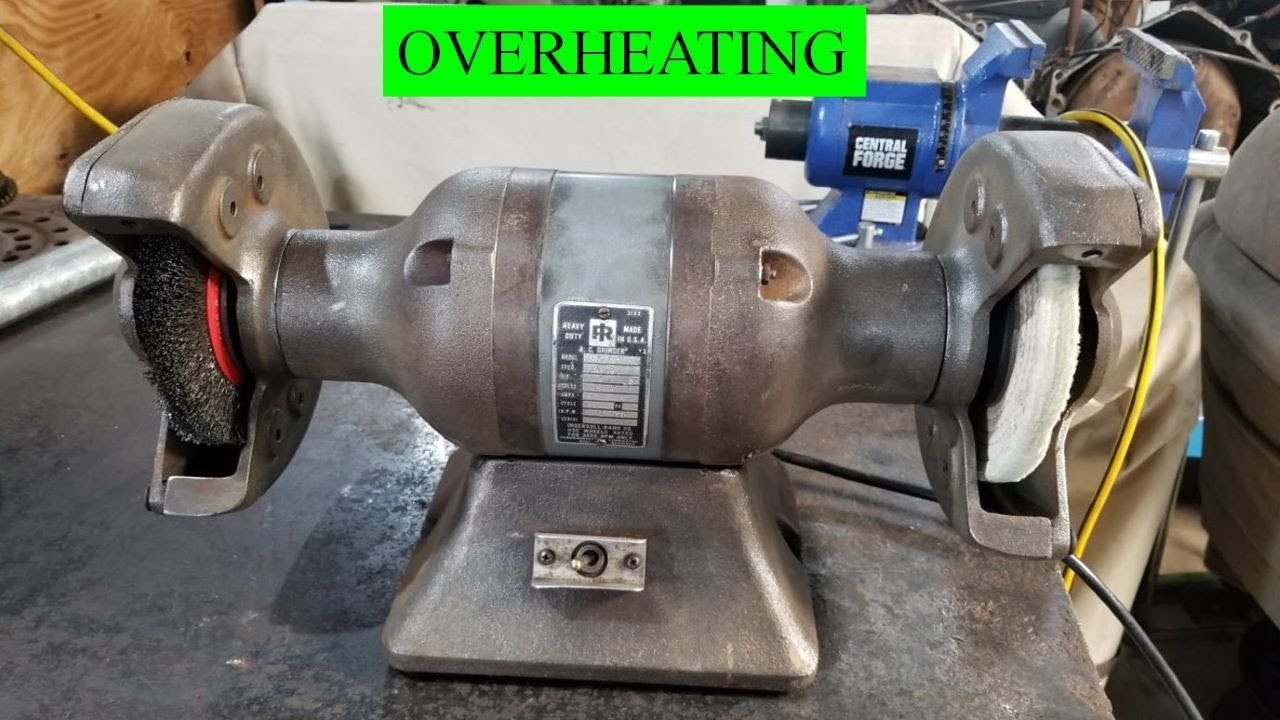
Imagine you use your bench grinder to sharpen tools in a small garage. After 10 minutes, it gets very hot and slows down. You notice dust around the vents and a humming noise. After cleaning the vents and replacing the bearings, the grinder runs cooler and quieter.
This real-world fix shows how basic maintenance can solve most overheating issues.
Safety Tips When Working On Your Bench Grinder
- Always unplug the tool before opening or cleaning it.
- Wear safety glasses and gloves to protect against dust and sharp edges.
- If you’re unsure about electrical repairs, ask a professional.
- Never use damaged wheels or parts.
- Test the grinder on a scrap piece before returning to regular work.
The Role Of Ambient Temperature And Workshop Conditions
Many users forget that room temperature affects motor heat. If your workshop is hot, the motor has a harder time cooling off. Use fans or air conditioning in extreme weather. Avoid running the grinder near flammable materials, as overheating motors can become fire risks.
Common Myths About Bench Grinder Overheating
- Myth: Only old grinders overheat.
- Fact: Even new grinders can overheat with improper use or poor maintenance.
- Myth: Bigger motors never overheat.
- Fact: Any motor can overheat if overloaded or poorly ventilated.
- Myth: Overheating is always caused by the motor.
- Fact: Wheels, bearings, and even electrical supply can be the cause.
Useful Resources
For more details on motor types, maintenance, and troubleshooting, the Wikipedia Bench Grinder page offers a deep dive into the topic.
Frequently Asked Questions
Why Does My Bench Grinder Get Hot So Quickly?
A grinder that heats up fast may have blocked air vents, worn bearings, or may be overloaded with too much pressure. Check for dust, clean the tool, and use the correct grinding technique.
How Often Should I Clean My Bench Grinder?
Clean your grinder after every heavy use and at least once a month for light use. Pay close attention to air vents and moving parts.
Is It Safe To Use A Bench Grinder That Is Overheating?
No. Using an overheating grinder can damage the motor, cause electrical faults, or start a fire. Always stop use immediately and find the cause.
What Is The Best Way To Cool A Bench Grinder Motor?
Allow the grinder to rest between uses. Clean vents, avoid overloading, and use fans or air conditioning to lower room temperature.
Can I Replace Just The Bearings Or Do I Need A New Grinder?
Most of the time, you can replace the bearings without buying a new grinder. Only replace the whole tool if parts are unavailable or the motor is severely damaged.
A bench grinder is a valuable tool, but only if it runs safely and efficiently. By understanding, diagnosing, and fixing motor overheating, you can keep your grinder running for years and avoid costly repairs or accidents. Whether you’re a hobbyist or a professional, regular maintenance and smart use make all the difference.