
Last Updated: March 19, 2026
When it comes to choosing the right drill bit for your projects, you might find yourself stuck between black oxide and titanium drill bits. Both have their strengths, but which one truly fits your needs?
Whether you’re working on wood, metal, or plastic, the right drill bit can make a huge difference in performance and durability. You’ll discover the key differences between black oxide and titanium drill bits—so you can pick the perfect tool that saves you time, effort, and money.
Ready to find out which drill bit works best for your tasks? Keep reading!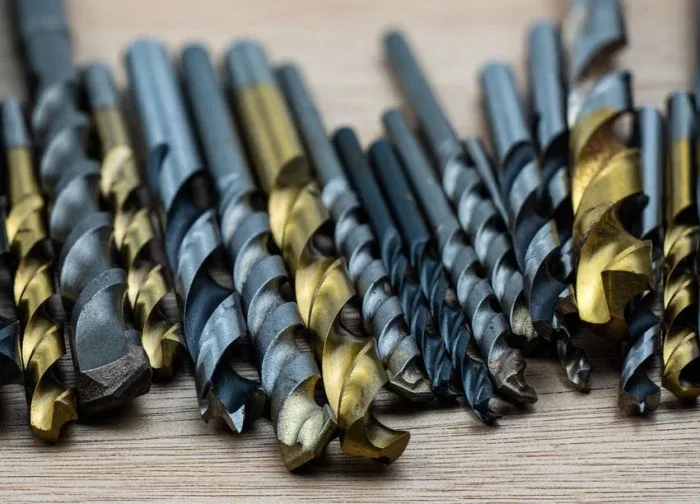
Credit: www.protoolreviews.com
Black Oxide Drill Bits
Black oxide drill bits are a popular choice for many drilling tasks. They feature a black oxide coating that improves their strength and lifespan. These bits are made from high-speed steel (HSS) and are designed for general use. The coating helps reduce friction and protects the bit from rust and wear. This makes black oxide bits ideal for home projects and light industrial work.They offer a good balance of durability and performance at a reasonable price. These bits can handle a variety of materials and provide smooth drilling with less heat buildup.
Material Compatibility
Black oxide drill bits work well with wood, plastic, and soft metals. They easily drill into aluminum, copper, and brass. These bits are not suited for very hard metals like stainless steel. Their coating helps keep the bit sharp when working on softer materials. This makes them versatile for many DIY and repair jobs.
Durability And Corrosion Resistance
The black oxide finish increases the bit’s durability by protecting it from corrosion. It helps resist rust caused by moisture and sweat. This coating extends the life of the bit compared to plain steel bits. It also reduces heat build-up during drilling. This lowers the chance of the bit losing its sharpness quickly.
Performance In General Drilling
Black oxide drill bits offer smooth and efficient drilling. Their reduced friction helps drill faster with less effort. They produce clean holes in soft materials without much wear. These bits perform well in wood and plastic projects. They are a reliable choice for everyday drilling tasks.
Titanium Drill Bits
Titanium drill bits are popular for their strength and light weight. They have a hard coating that improves performance and durability. These bits are often used in metalworking and woodworking.
Coating Types And Benefits
Titanium drill bits usually have titanium nitride (TiN) coating. This coating gives a shiny gold color. It reduces friction and helps the bit cut smoothly. The coating also protects the bit from rust and wear. This means the drill bits last longer than plain steel bits.
Heat Resistance And Wear
Titanium coating helps drill bits resist heat. They stay sharper longer during heavy use. This makes them good for drilling harder materials. The coating can wear off after time, so the bit may need replacement. Still, they handle heat better than many standard bits.
Common Applications
Titanium drill bits work well on metal, wood, and plastic. They are good for drilling steel, aluminum, and other metals. Many people use them for home repairs, automotive work, and metal projects. Their durability and heat resistance make them a reliable tool choice.
Durability Comparison
Durability plays a key role in choosing between Black Oxide and Titanium drill bits. Both types have their strengths and weaknesses. Understanding how they hold up under regular use helps you pick the right bit for your tasks. Below, we explore their durability through wear resistance, coating longevity, and heat impact.
Wear Resistance Over Time
Black Oxide drill bits resist wear well due to their coating. The black oxide layer adds toughness and reduces friction. This helps the bit last longer on wood and soft metals. Titanium drill bits, with their titanium nitride coating, are harder. They hold sharp edges better during heavy use. Titanium bits often outperform Black Oxide in tough materials. Still, both types wear down with continuous drilling.
Coating Longevity
Black Oxide coatings last for many drill cycles but can wear off with heavy use. The coating protects the steel underneath from rust and corrosion. Titanium coatings are thicker and harder, giving longer protection. However, when the titanium layer wears away, the bit’s performance drops quickly. Black Oxide bits maintain decent protection even as the coating thins. Titanium bits require careful use to keep their coating intact.
Impact Of Heat On Performance
Heat affects drill bit durability during fast or deep drilling. Black Oxide bits handle moderate heat well. They resist rust and maintain strength under normal temperatures. Titanium bits resist heat better due to their coating. They can drill harder materials without losing hardness. Still, extreme heat can cause the titanium coating to peel. Both bits perform best when cooling breaks are taken during heavy drilling.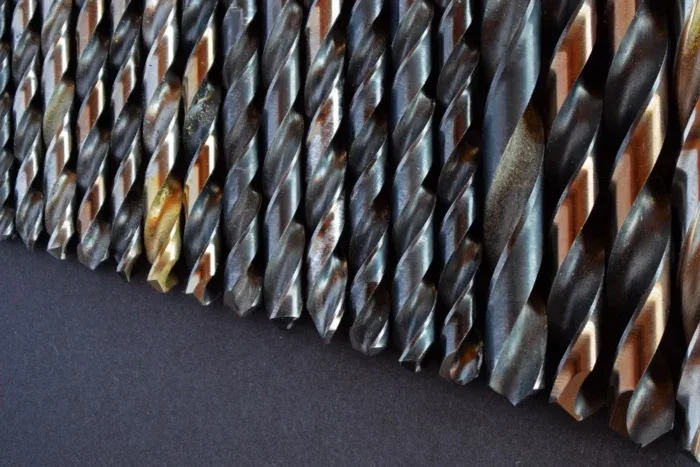
Credit: simpleweld.com
Performance Factors
Performance plays a key role in choosing between Black Oxide and Titanium drill bits. Each type offers unique benefits that affect drilling tasks. Understanding their performance factors helps in selecting the right bit for your project.
Friction And Drilling Speed
Black Oxide drill bits reduce friction with their smooth coating. This helps the bit slide through materials more easily. Lower friction means less heat buildup and faster drilling speeds. Titanium drill bits also cut well but tend to create more heat during use. Over time, this can slow down drilling and wear the bit quicker.
Material Suitability
Black Oxide bits work well on soft materials. Wood, plastic, and soft metals like aluminum are good matches. Titanium bits suit harder materials better, including steel and tougher metals. Their coating adds strength but wears off with heavy use. Choosing the right bit depends on the material you plan to drill.
Ease Of Use
Black Oxide bits offer smooth starts and steady drilling. They are less likely to slip on surfaces, making them user-friendly for beginners. Titanium bits can require more care to avoid coating damage. They perform best with steady pressure and proper speed. Both types are easy to handle but differ in maintenance needs.
Cost And Value
Choosing between black oxide and titanium drill bits involves weighing cost against value. Both types offer unique benefits that affect their price and usefulness. Understanding the financial aspect helps in making a smart purchase for your needs.
Initial Investment
Black oxide drill bits usually cost less upfront. They suit hobbyists and light DIY tasks. Titanium drill bits come with a higher price tag. This cost reflects their advanced coating and durability. Budget-conscious buyers may prefer black oxide for basic projects.
Long-term Cost Efficiency
Titanium bits last longer due to their tough surface. Their coating resists heat and wear better. This means fewer replacements over time. Black oxide bits wear faster but cost less to replace. Consider how often you drill to decide which saves money overall.
Replacement Frequency
Black oxide drill bits need replacement sooner. Their coating can wear off after heavy use. Titanium drill bits maintain sharpness longer. This reduces the frequency of buying new bits. Frequent users might find titanium more cost-effective in the long run.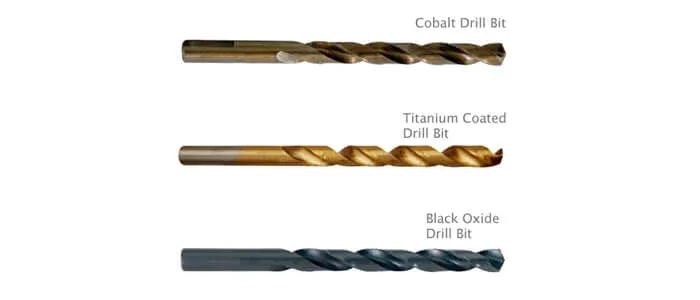
Credit: www.tenyutool.com
Choosing The Right Bit
Choosing the right drill bit can make a big difference in your project’s success. It affects the quality, speed, and ease of drilling. Picking between black oxide and titanium bits depends on several factors. Understanding these will help you get the best results with less effort and fewer problems.
Project Requirements
Think about what your project needs. Black oxide bits work well for general tasks. They handle wood, plastic, and soft metals easily. Titanium bits last longer and stay sharper. They are better for tougher materials or frequent use. Choose a bit that matches how hard your work will be.
Material Type Considerations
Different materials need different drill bits. Black oxide bits are good for soft materials. They resist rust and reduce friction. Titanium bits handle harder metals better. Their coating helps cut through tougher surfaces. Match the bit type to the material to avoid damage or wear.
User Skill Level
Your skill level affects the bit you should use. Black oxide bits are forgiving and easy to handle. They suit beginners and casual users well. Titanium bits need more care to keep their coating intact. Experienced users can get the most from titanium bits. Pick a bit that fits your comfort and skill.
Conclusion
Choosing between black oxide and titanium drill bits depends on your needs. Black oxide bits work well for general tasks and resist rust. Titanium bits offer extra hardness but can lose coating over time. Both types suit different materials and projects.
Consider your work and budget before buying. Use the right bit to get clean, efficient holes every time. This helps your tools last longer and your work improve. Keep these points in mind for smart drill bit choices.
Frequently Asked Questions
Titanium drill bits lose their coating quickly and offer limited heat resistance. They wear out faster than cobalt bits and are unsuitable for heavy-duty drilling.
Black oxide drill bits drill wood, plastic, and soft metals like aluminum. Their coating reduces friction, resists rust, and extends bit life.
Black oxide coating offers limited corrosion resistance without oil protection. It wears faster than harder coatings and is less heat-resistant. This reduces durability in high-friction or high-temperature applications. The coating can also chip, exposing the base metal to rust and damage.
The best drill bit coating depends on use. Titanium offers light-duty durability. Cobalt excels in heat resistance and longevity. Black oxide suits general-purpose drilling with corrosion resistance. Choose cobalt for hard materials, titanium for softer metals, and black oxide for everyday tasks.
Black oxide bits have a black finish for corrosion resistance. Titanium bits have a hard titanium coating for longer life.
Titanium drill bits last longer because their coating is harder and reduces wear better than black oxide.