
Last Updated: March 20, 2026
Are you wondering if your circular saw can handle cutting metal? You’re not alone.
Many DIY enthusiasts and professionals ask this question before starting their projects. The answer isn’t a simple yes or no—it depends on the type of metal, the blade you use, and your saw’s power. Knowing the right approach can save you time, money, and frustration.
You’ll discover when and how a circular saw can cut metal safely and effectively, plus expert tips to get the job done right. Keep reading to unlock the secrets that will make your next metal-cutting project a success.
Metal Cutting With Circular Saws
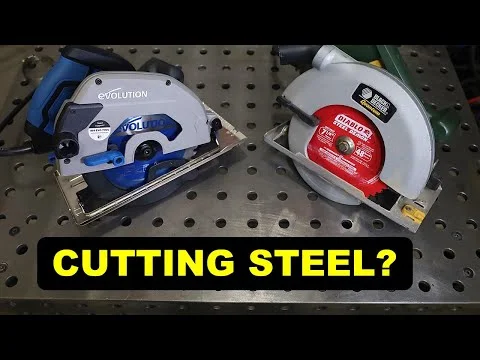
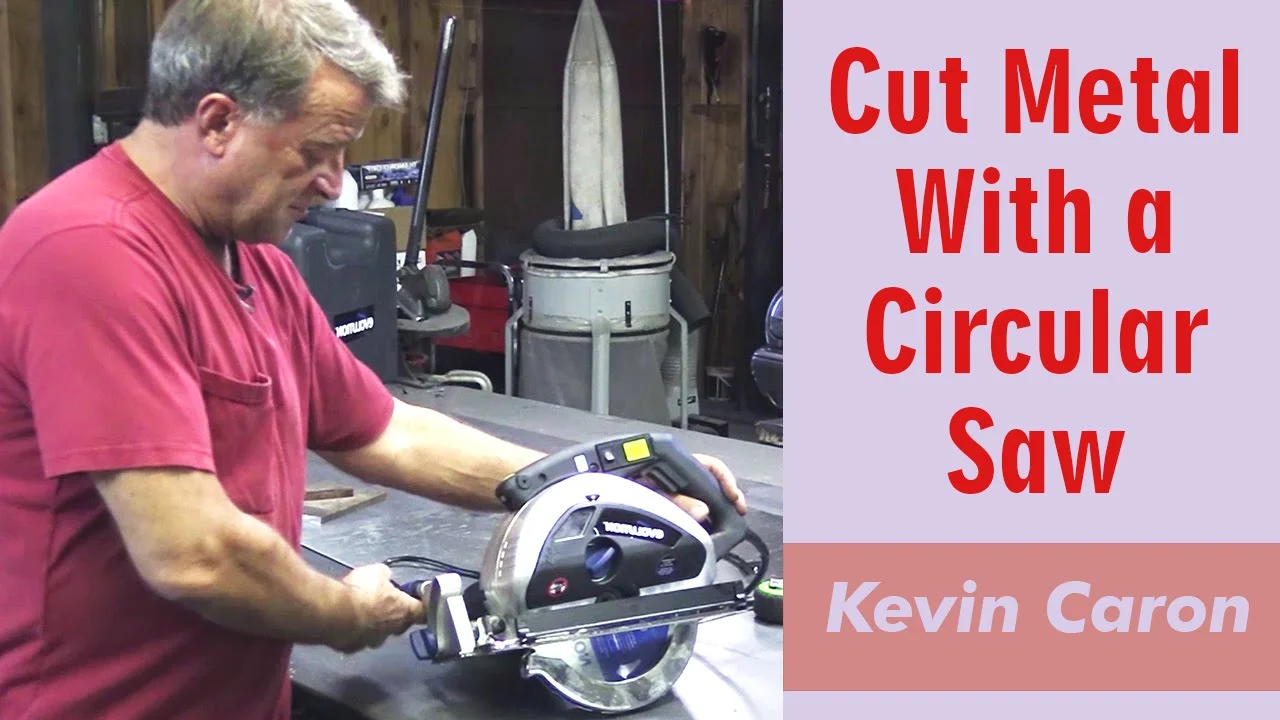
Circular saws are common tools in many workshops. They are mainly used for cutting wood. Cutting metal with a circular saw is possible but needs special care. Different blades and techniques are required to cut metal safely and effectively.
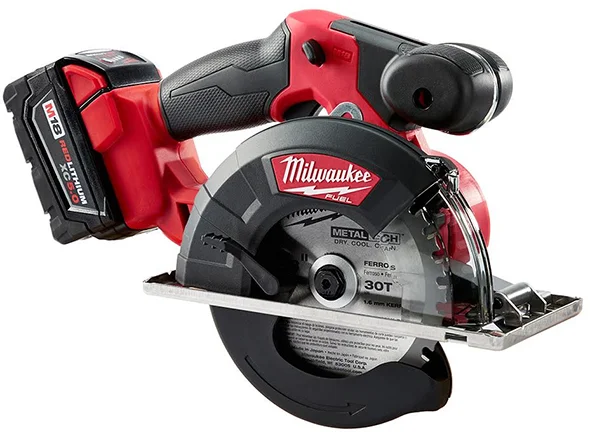
Using the right blade is key. Metal cutting blades have small teeth made of carbide. They are designed to handle the hardness of metal. Standard wood blades will wear out quickly or even break if used on metal.
Select blades made for metal cutting only. Carbide-tipped blades offer durability and clean cuts. Blades with more teeth provide smoother edges but cut slower. Fewer teeth cut faster but may leave rough edges.
Safety Precautions
Wear safety goggles and gloves to protect from sparks and metal shards. Secure the metal piece firmly before cutting. Use a clamp or vise to keep the metal stable. Avoid loose clothing that can catch in the saw.
Cutting Techniques
Mark the cutting line clearly on the metal. Start the saw before it touches the metal to avoid binding. Cut slowly and steadily to control the saw and reduce sparks. Let the blade cool down between cuts to prevent overheating.
Limitations And Considerations
Circular saws work best for thin metal sheets or pipes. Thick metal may require specialized tools like a cold cut saw or an abrasive chop saw. Expect some sparks and noise during cutting. Proper ventilation helps reduce inhaling metal dust.
Credit: www.youtube.com
Choosing The Right Blade
Choosing the right blade is key to cutting metal with a circular saw. The blade type impacts the cut quality, safety, and tool performance. Not all blades work well on metal. Pick a blade made for metal cutting to avoid damage and achieve clean cuts.
Understanding Blade Materials
Blades for metal cutting often use carbide tips. Carbide is hard and stays sharp longer. It can cut through tough metals without dulling fast. Steel blades with carbide teeth provide durability and strength needed for metal.
Blade Teeth And Design
Metal cutting blades have more teeth than wood blades. More teeth create smoother cuts and reduce metal burrs. The teeth are usually smaller and closer together. This helps the blade cut metal without grabbing or binding.
Blade Thickness And Size
Thicker blades handle metal better. They resist bending or warping from heat and pressure. Choose a blade size that fits your circular saw. A blade too thin or too large can cause unsafe cutting conditions.
Choosing The Right Rpm Rating
Blades have a maximum RPM rating. Match the blade’s rating with your saw’s speed. Too fast or too slow can damage the blade. Using the correct RPM keeps the blade sharp and prolongs its life.
Safety Gear Essentials
Using a circular saw to cut metal demands strict attention to safety. Metal cutting creates sparks, sharp edges, and flying debris. Proper safety gear reduces injury risks and keeps you protected throughout the job.
Always prepare with the right equipment before starting any metal cutting task. Safety gear is not optional. It ensures your hands, eyes, ears, and lungs stay safe.
Eye Protection
Cutting metal produces flying sparks and small metal shards. Wear safety goggles or a full face shield. They stop particles from hitting your eyes. Choose gear that fits well and does not fog up easily.
Hearing Protection
Metal cutting with a circular saw is loud. Prolonged exposure can damage hearing. Use earplugs or earmuffs to reduce noise. Protect your ears to avoid long-term problems.
Hand Protection
Metal edges are sharp and can cut skin. Wear thick, cut-resistant gloves. Gloves also protect from heat and sparks. Choose gloves that allow good hand movement and grip.
Respiratory Protection
Cutting metal creates dust and fumes that are harmful to breathe. Use a dust mask or respirator. Ensure it fits snugly to block fine particles. Clean air is vital for your lungs.
Protective Clothing
Wear long sleeves and pants made from durable material. Avoid synthetic fabrics that melt from sparks. Sturdy clothing shields your skin from burns and cuts. Use closed-toe shoes to protect your feet.
Cutting Techniques For Metal
Cutting metal requires the right approach and tools to get clean, safe results. Different metals and thicknesses need different techniques. Using a circular saw for metal can work well if you follow proper steps and use the right blade. This section explains key cutting techniques for metal to help you make effective cuts.
Select a blade made specifically for metal cutting. Carbide-tipped blades work best for clean cuts. Avoid using wood blades; they dull quickly and can cause accidents. Match the blade size to your circular saw for smooth operation.
Securing The Metal
Clamp the metal firmly before cutting. Movement during cutting leads to uneven edges and risks injury. Use a sturdy workbench or vise to hold the metal in place. Check twice to ensure stability before starting the saw.
Setting The Correct Speed
Metal cutting needs slower speeds than wood. Too fast can overheat the blade and metal. Adjust your saw speed if it has a variable setting. If not, cut carefully and take breaks to avoid overheating.
Marking The Cut Line
Use a permanent marker or scribe to draw a clear line. This guides your cut and keeps it straight. Measure twice to avoid mistakes. A straight cut reduces the need for extra finishing work.
Using Safety Gear
Wear safety glasses to protect your eyes from sparks and metal shards. Use gloves to protect your hands but keep them tight to avoid getting caught. Ear protection helps reduce noise from the saw. Always work in a well-ventilated area.
Common Challenges And Solutions
Cutting metal with a circular saw presents several common challenges. These issues can affect safety, efficiency, and the quality of the cut. Understanding these challenges helps find the right solutions for better results.
Using the correct blade, managing sparks, and controlling the saw speed are key factors. Proper techniques reduce risks and improve the lifespan of your tools.
Standard wood-cutting blades cannot cut metal effectively. Using a blade made for metal is essential. Carbide-tipped blades work well for most metals. They stay sharp longer and cut cleaner. Avoid using dull or damaged blades to prevent accidents.
Managing Sparks And Debris
Cutting metal creates sparks and flying debris. Sparks can cause burns or start fires. Always wear protective gear like gloves and goggles. Work in a clear, safe area. Use clamps to hold the metal firmly. This reduces movement and keeps sparks contained.
Controlling Saw Speed And Feed Rate
Metal cutting requires slower saw speeds than wood cutting. High speed can overheat the blade and metal. Apply steady, moderate pressure during cutting. Let the blade do the work without forcing it. This prevents damage and improves cut accuracy.
Preventing Blade Overheating
Heat buildup dulls the blade and weakens metal edges. Use cutting oil or lubricant to cool the blade. Take breaks between cuts to let the blade cool down. Overheating can cause blade warping or breakage.
Credit: www.youtube.com
Alternatives To Circular Saws
Choosing the right tool for cutting metal is important for safety and efficiency. Circular saws may handle some metals, but other tools offer better results. Alternatives to circular saws provide cleaner cuts and reduce the risk of damage or injury.
Cold Cut Saw
Cold cut saws use carbide-tipped blades for smooth, precise cuts. They create little heat and almost no sparks. This makes them perfect for cutting thick metal sheets and pipes. The cuts are clean with minimal burrs, reducing the need for extra finishing work.
Abrasive Chop Saw
Abrasive chop saws use a spinning disc to grind through metal. They work well on hardened steel and thick materials. These saws produce sparks and heat, so wear protective gear. Cleanup is necessary due to metal dust and debris after cutting.
Reciprocating Saw
Reciprocating saws are handheld and easy to use on thin metal pieces. They cut by moving the blade back and forth rapidly. These saws are less precise but good for quick jobs or tight spaces. Use blades designed specifically for metal cutting to improve performance.
Bandsaw
Bandsaws use a continuous blade that moves in one direction. They offer high capacity and good control for large metal cutting jobs. Bandsaws create smooth cuts and work well for straight and curved shapes. They are common in workshops and industrial settings.
Credit: toolguyd.com
Frequently Asked Questions
How Thick Of Metal Can A Circular Saw Cut?
A circular saw can cut metal up to about 1/4 inch thick using a proper metal-cutting blade. Thicker metals require specialized saws.
Which Saw Is Best For Cutting Metal?
The best saw for cutting metal depends on the task. Use a cold cut saw for clean, precise cuts. A metal-cutting circular saw suits general use. Choose a bandsaw for high-volume jobs, and a hacksaw for small manual tasks. Abrasive chop saws cut hardened steel efficiently.
Can You Get A Metal Cutting Blade For A Circular Saw?
Yes, you can get metal cutting blades for circular saws. Use carbide-tipped or abrasive blades designed specifically for metal.
Which Circular Saw Blade For Metal?
Use a carbide-tipped, metal-cutting circular saw blade for clean, precise cuts on metal. Choose blades labeled for metal cutting.
Can A Circular Saw Cut Metal Safely?
Yes, using the right metal-cutting blade and safety gear makes cutting metal safe with a circular saw.
What Blade Should I Use To Cut Metal?
Use a carbide-tipped or abrasive metal-cutting blade designed specifically for metal with your circular saw.
Conclusion
A circular saw can cut metal with the right blade and safety steps. Use a metal-cutting blade to avoid damage and ensure clean cuts. Always wear protective gear to stay safe from sparks and metal shards. Remember, not all metals or thicknesses suit a circular saw.
Choose the proper tool for your metal type and project. Cutting metal takes patience and care to get good results. With correct preparation, a circular saw can be a helpful tool for metal cutting tasks.
Related reading: Can You Cut Ceramic Tile With a Circular Saw.
Related reading: How to Cut a Straight Line With a Jigsaw.
{ “@context”: “https://schema.org”, “@type”: “Article”, “headline”: “Can a Circular Saw Cut Metal: Essential Tips for Safe Cutting”, “description”: “Can a circular saw cut metal? It can with the right blade, allowing efficient cutting of thin metal sheets and pipes in various construction tasks.”, “url”: “https://www.powertoolstoday.com/can-a-circular-saw-cut-metal/”, “datePublished”: “2025-11-19”, “dateModified”: “2026-03-18”, “author”: { “@type”: “Organization”, “name”: “Power Tools Today”, “url”: “https://www.powertoolstoday.com” }, “publisher”: { “@type”: “Organization”, “name”: “Power Tools Today”, “url”: “https://www.powertoolstoday.com” }, “mainEntityOfPage”: { “@type”: “WebPage”, “@id”: “https://www.powertoolstoday.com/can-a-circular-saw-cut-metal/” }, “image”: { “@type”: “ImageObject”, “url”: “https://www.powertoolstoday.com/wp-content/uploads/2025/11/can-a-circular-saw-cut-metal.webp” } }{ “@context”: “https://schema.org”, “@type”: “Article”, “headline”: “Can a Circular Saw Cut Metal: Essential Tips for Safe Cutting”, “description”: “Can a circular saw cut metal? It can with the right blade, allowing efficient cutting of thin metal sheets and pipes in various construction tasks.”, “url”: “https://www.powertoolstoday.com/can-a-circular-saw-cut-metal/”, “datePublished”: “2025-11-19”, “dateModified”: “2026-03-19”, “author”: { “@type”: “Organization”, “name”: “Power Tools Today”, “url”: “https://www.powertoolstoday.com” }, “publisher”: { “@type”: “Organization”, “name”: “Power Tools Today”, “url”: “https://www.powertoolstoday.com” }, “mainEntityOfPage”: { “@type”: “WebPage”, “@id”: “https://www.powertoolstoday.com/can-a-circular-saw-cut-metal/” }, “image”: { “@type”: “ImageObject”, “url”: “https://www.powertoolstoday.com/wp-content/uploads/2025/11/can-a-circular-saw-cut-metal.webp” } }nn