
Last Updated: March 20, 2026
Are you wondering if your reciprocating saw can handle cutting metal? Whether you’re tackling a DIY project or working on a professional job, knowing the right tools and techniques makes all the difference.
You might think a reciprocating saw is just for wood or demolition, but with the right blade and approach, it can cut through metal too. You’ll discover how to choose the best blades, what types of metal you can cut, and tips to get clean, efficient cuts every time.
Keep reading to unlock the full potential of your saw and avoid common mistakes that could slow you down or damage your tool.
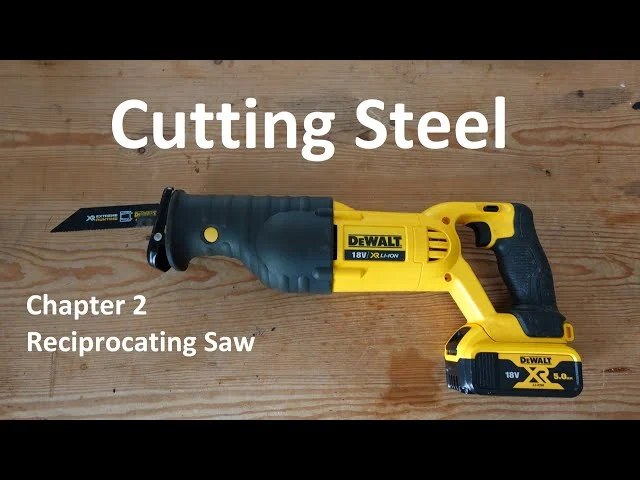
Credit: www.youtube.com
Metal Cutting With Reciprocating Saws
Reciprocating saws are versatile tools used in many construction and DIY projects. They are known for their ability to cut through various materials, including wood, plastic, and metal. Cutting metal with a reciprocating saw is possible, but it requires the right blade and technique.
This section explains how to cut metal using a reciprocating saw. It covers the types of metal suitable for cutting, blade selection, and safety tips for effective use.
Choosing The Right Blade For Metal Cutting
Blades designed for metal have fine teeth and strong construction. High TPI (teeth per inch) blades work best for thin metal sheets. For thicker metal, use blades with fewer teeth but made of high-speed steel or bi-metal. Using the correct blade prevents damage and ensures a clean cut.
Types Of Metal Suitable For Reciprocating Saw
Thin metal sheets up to ⅛ inch thick are easy to cut. Metal pipes and tubes also work well with the right blade. Thick metal pieces over ¼ inch are difficult and can wear out the blade quickly. Light gauge steel and aluminum respond best to reciprocating saws.
Techniques For Cutting Metal Safely
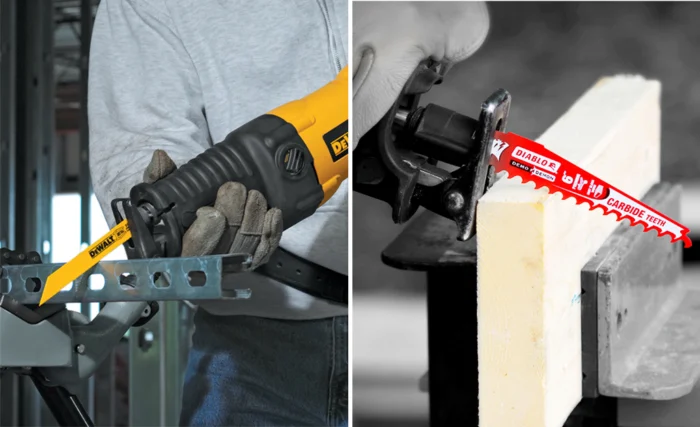
Secure the metal firmly before cutting. Use steady, controlled movements and avoid forcing the blade. Let the saw do the work to prevent overheating. Wear safety goggles and gloves to protect from sparks and sharp edges. Regularly check the blade for wear and replace if needed.
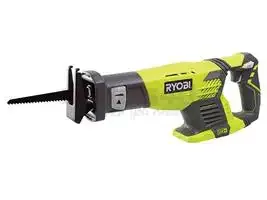
Credit: www.metals4u.co.uk
Choosing The Right Blade
Choosing the right blade is key to cutting metal well with a reciprocating saw. The blade type affects speed, smoothness, and durability. Using a blade designed for metal makes cutting easier and safer. Different blades suit different metals and thicknesses. Understanding blade options helps pick the best one for your project.
Bi-metal Blades
Bi-metal blades combine two metals for strength and flexibility. They have sharp teeth made from high-speed steel. The blade body is flexible to resist breaking. These blades cut through mild steel, pipes, and thin metal sheets. They last longer than regular steel blades. Bi-metal blades balance durability with a reasonable price.
Carbide-tipped Blades
Carbide-tipped blades have hard carbide tips on each tooth. They stay sharp much longer than bi-metal blades. These blades cut tough metals like stainless steel and cast iron. They handle thicker metal pieces without dulling quickly. Carbide-tipped blades cost more but work well for heavy-duty jobs. They reduce the need to change blades often.
Diamond Grit Blades
Diamond grit blades use small diamond particles on the cutting edge. They cut very hard metals and non-metal materials like tile or concrete. These blades provide a smooth cut and reduce heat build-up. Diamond grit blades wear slower but cut slower too. They fit projects needing precision on very hard materials. These blades often come as special attachments.
Cutting Metal Thickness Limits
Reciprocating saws can cut various metal thicknesses, but they have limits. Knowing these limits helps to choose the right blade and technique. Cutting metal too thick can strain the saw and blade. It also affects cut quality and safety. Understanding how thin and thick metals respond to reciprocating saws improves results.
Thin Sheets And Pipes
Thin metal sheets, about 1/8 inch thick, are easy to cut with a reciprocating saw. Use a fine-toothed blade made for metal. Pipes with similar thickness also cut well. The saw moves quickly through thin metal with less effort. Cutting thin metal requires steady control to avoid bending or warping. The right blade and slow speed help make clean cuts.
Thick Metal Challenges
Thicker metals above 1/4 inch are harder to cut with a reciprocating saw. The blade may struggle to cut through fully. This causes heat buildup and blade wear. Slow, steady pressure is necessary but may still take time. For very thick metal, consider other tools like angle grinders or plasma cutters. Using a saw on thick metal risks damaging the blade or saw motor.
Credit: www.homedepot.com
Top Blade Brands
Choosing the right blade is key for cutting metal with a reciprocating saw. The blade quality affects the cut speed and durability. Top brands make blades that fit various metal types and thicknesses. These brands offer reliable performance and long-lasting blades.
Diablo
Diablo blades are known for their sharpness and strength. They cut through metal smoothly and resist wear. Their blades have a high tooth count for fine, clean cuts. Diablo offers blades for both thin sheets and thicker metals.
Milwaukee
Milwaukee blades provide excellent durability and cutting power. They use special steel that stays sharp longer. These blades handle tough metals like steel and iron well. Milwaukee designs blades for fast cuts with less effort.
Lenox
Lenox blades are built for heavy-duty metal cutting. They feature bi-metal construction for flexibility and toughness. Lenox blades cut through pipes, rods, and thick metal plates easily. They maintain sharpness even after many cuts.
Safety Tips For Metal Cutting
Cutting metal with a reciprocating saw requires careful attention to safety. Metal edges can be sharp and sparks may fly during cutting. Protecting yourself and others nearby is essential. Follow key safety tips to avoid accidents and injuries.
Proper Gear And Precautions
Wear safety goggles to shield your eyes from flying debris. Use thick gloves to protect your hands from sharp metal edges. Long sleeves and pants can prevent cuts and burns. Ensure your work area is clear of flammable materials. Secure the metal firmly before cutting to avoid slips. Always maintain a steady grip on the saw. Keep bystanders at a safe distance during operation.
Blade Maintenance
Check your saw blade before each use. Replace blades that are dull, bent, or damaged. A sharp blade cuts cleaner and reduces the risk of kickback. Clean the blade regularly to remove metal residue. Use blades designed specifically for cutting metal. Proper blade care increases efficiency and safety during cutting tasks.
Common Mistakes To Avoid
Using a reciprocating saw to cut metal requires care and attention. Avoiding common mistakes ensures cleaner cuts and extends your tool’s life. Many beginners make errors that cause damage or poor results. Learning what not to do helps you work smarter and safer.
Using The Wrong Blade
Choosing the incorrect blade is a frequent error. Metal cutting needs blades with fine teeth made for metal. Using wood blades on metal dulls them quickly. Always pick blades labeled for metal cutting.
Applying Too Much Pressure
Pressing hard on the saw does not speed up cutting. Excess pressure can bend or break the blade. Let the saw do the work. Hold it steady and guide it gently through the metal.
Ignoring Blade Speed Settings
Many saws have adjustable speed controls. Cutting metal needs slower speeds than wood. Running the blade too fast wears it out fast. Adjust speed according to the metal thickness and blade type.
Not Securing The Metal Properly
Loose metal causes unsafe, rough cuts. Secure the metal firmly before cutting. Use clamps or a vise to hold it steady. This prevents movement and helps control the saw better.
Cutting Thick Metal Without The Right Blade
Reciprocating saws struggle with thick metal. Using a blade made for thin metal on thick pieces leads to damage. Choose blades designed for the metal’s thickness. Otherwise, the cut will be slow and rough.
Overlooking Safety Gear
Skipping safety equipment risks injury. Always wear gloves and eye protection. Metal cutting creates sparks and sharp edges. Safety gear protects your hands and eyes from harm.
Frequently Asked Questions
How Thick Metal Can A Reciprocating Saw Cut?
A reciprocating saw can cut metal up to about 1/8 inch thick effectively with the right blade. Cutting metal thicker than 1/4 inch becomes difficult and less efficient. Use carbide-tipped or bi-metal blades for better performance on thicker or harder metals.
What Should You Not Do With A Reciprocating Saw?
Do not use a reciprocating saw with dull or incorrect blades. Avoid removing safety guards or disabling features. Never operate it with loose or damaged parts. Do not force the saw through thick metal beyond blade capacity. Avoid cutting materials not suitable for the blade type.
What Kind Of Saw Is Best For Cutting Metal?
A bi-metal saw blade suits most metal cutting tasks, offering durability and versatility. Carbide-tipped blades excel on hard metals like stainless steel. Choose high TPI blades for thin metals and lower TPI for thicker, softer metals. Reciprocating saws with proper blades cut metal effectively.
What Is The Best Blade For A Metal Reciprocating Saw?
The best blade for metal reciprocating saws is carbide-tipped. It cuts hard metals like thick steel and stainless steel efficiently. Bi-metal blades suit general metal cutting, while diamond grit blades cut hardened steel but slower and cost more. Choose based on metal thickness and hardness.
Can A Reciprocating Saw Cut Through Metal Pipes?
Yes, with the correct metal-cutting blade, a reciprocating saw can cut metal pipes effectively.
What Type Of Blade Cuts Metal Best On A Reciprocating Saw?
Blades with high teeth per inch (TPI) and made from bi-metal or carbide cut metal best.
Conclusion
A reciprocating saw can cut metal with the right blade and technique. Thin metal sheets and pipes work best with this tool. Use blades designed for metal to get clean cuts. Avoid forcing the saw on thick or hard metals.
Safety matters—always wear protective gear during cutting. This tool offers flexibility for many metal cutting tasks. Choose the correct blade and take your time. Cutting metal becomes easier and safer this way.
{ “@context”: “https://schema.org”, “@type”: “Article”, “headline”: “Can a Reciprocating Saw Cut Metal: Expert Tips & Safety Guide”, “description”: “Can a reciprocating saw cut metal? Yes, it uses a push-and-pull motion with specialized blades to efficiently cut through various metal types.”, “url”: “https://www.powertoolstoday.com/can-a-reciprocating-saw-cut-metal/”, “datePublished”: “2025-11-13”, “dateModified”: “2026-03-18”, “author”: { “@type”: “Organization”, “name”: “Power Tools Today”, “url”: “https://www.powertoolstoday.com” }, “publisher”: { “@type”: “Organization”, “name”: “Power Tools Today”, “url”: “https://www.powertoolstoday.com” }, “mainEntityOfPage”: { “@type”: “WebPage”, “@id”: “https://www.powertoolstoday.com/can-a-reciprocating-saw-cut-metal/” }, “image”: { “@type”: “ImageObject”, “url”: “https://www.powertoolstoday.com/wp-content/uploads/2025/11/Can-a-Reciprocating-Saw-Cut-Metal-1024×576.webp” } }nn