
Last Updated: March 20, 2026
Have you ever wondered if your angle grinder can cut through wood? It’s a question that many DIY enthusiasts and professionals ask, especially when they want to tackle wood projects without buying extra tools.
The answer isn’t as simple as yes or no. Using an angle grinder on wood can be tricky, even risky, if you don’t have the right blade or knowledge. But what if you could safely and effectively cut wood with this versatile tool?
You’ll discover the surprising truth about cutting wood with an angle grinder, learn the best tips to do it right, and find out when it’s better to choose another tool. Keep reading to unlock the secrets that can save your project—and your fingers.
Angle Grinder Basics
An angle grinder is a powerful handheld tool. It spins a disc at high speed. You can use it for many tasks like cutting, grinding, and polishing. Most people use it on metal or stone. But can it cut wood? Understanding the basics helps answer this question.
Angle grinders come in different sizes and power levels. The discs or wheels you attach determine what materials you can work on. Using the right disc is very important for safety and results.
What Is An Angle Grinder?
An angle grinder is a tool with a rotating disc. The disc can be grinding wheels, cutting wheels, or sanding pads. It has a handle for control and a guard for safety. The motor inside spins the disc fast to cut or grind materials.
Types Of Discs For Cutting
Discs vary based on the task. Metal cutting discs are thin and hard. Grinding discs are thicker and rougher. Wood cutting discs have teeth or special shapes. Choosing the right disc affects the quality of the cut and tool safety.
How To Use An Angle Grinder Safely
Always wear safety gear like goggles and gloves. Hold the tool firmly and keep the guard in place. Check the disc for damage before use. Do not force the tool; let the disc do the work. Keep sparks away from flammable materials.

Credit: nootancrafts.com
Wood Cutting Potential
Angle grinders can cut wood if fitted with the right blade, like a wood-cutting disc. Small pieces and thin wood work best for clean cuts. Using an angle grinder on thick wood may cause difficulty and unsafe conditions.
An angle grinder can cut wood, but it requires the right blade and care. This tool is mainly for metal and masonry, yet it can handle wood with special attachments.
Wood cutting with an angle grinder is possible but not always ideal. The speed and power of the grinder make quick cuts, but control can be tricky. Safety is very important because wood can catch fire or splinter.
Types Of Blades For Wood
Using the correct blade is key to cutting wood with an angle grinder. Standard metal cutting discs can damage wood and cause accidents. Wood cutting blades have teeth made from tungsten carbide. These teeth are tough and cut through wood fibers smoothly.
There are also special wood carving discs for shaping wood. These discs look like small chainsaws or have sharp edges designed for wood. Choosing the right blade increases cutting precision and safety.
Cutting Thickness And Wood Types
Angle grinders can cut thin to medium thickness wood pieces. Thin plywood, softwood boards, and planks are easier to cut. Thick hardwoods or large beams need more powerful tools like a circular saw.
Smaller grinders work well for thin wood, but struggle with thicker pieces. Cutting thick wood with an angle grinder takes more time and effort. It is best for trimming, shaping, or small cutting tasks.
Safety And Technique Tips
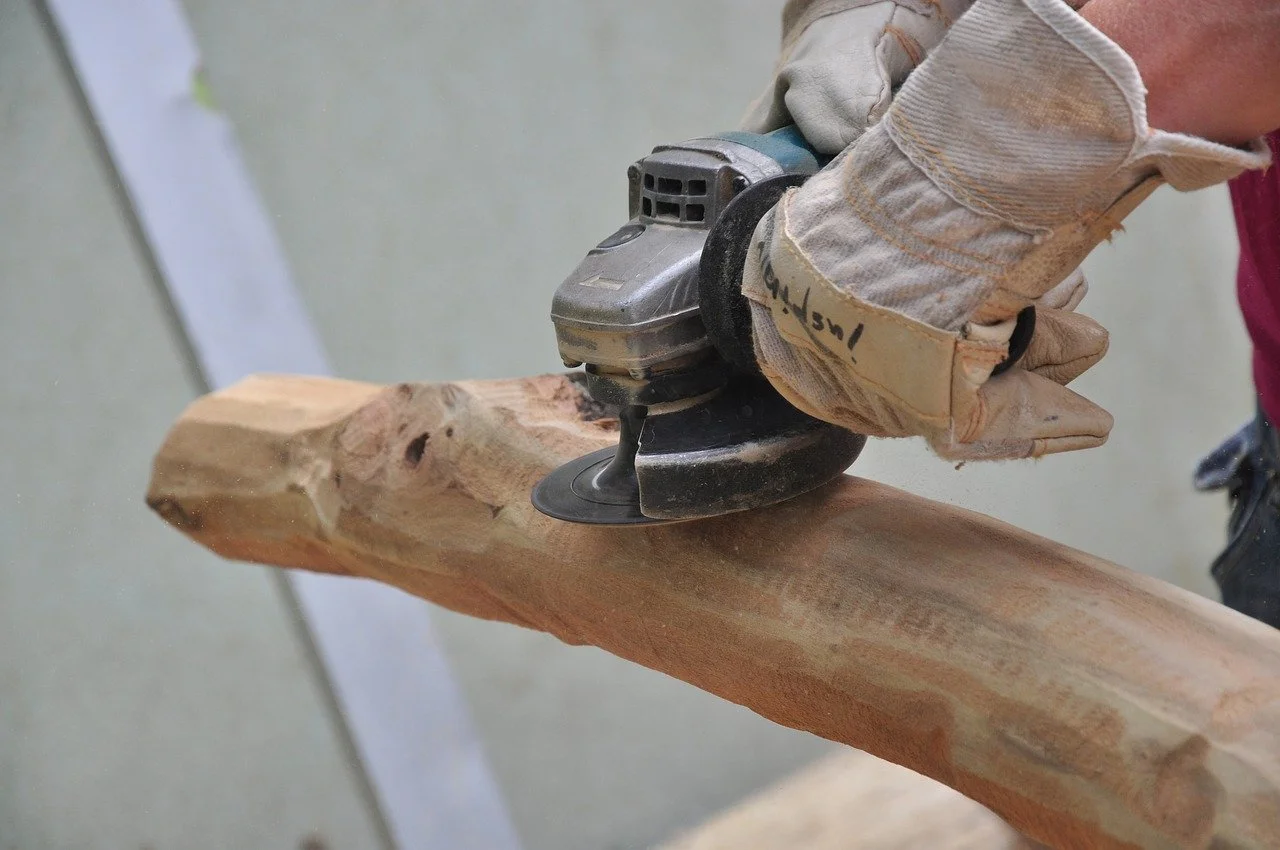
Wood cutting with an angle grinder must be done carefully. Always wear safety goggles and gloves. Use a blade guard and keep a firm grip on the tool.
Cut slowly and avoid forcing the blade. Let the tool do the work. Keep the cutting line steady and avoid kickbacks. Proper technique prevents accidents and damage to wood.
Choosing The Right Blade
Choosing the right blade for your angle grinder is key to cutting wood safely and effectively. Not all blades are made for wood. Using the wrong blade can damage your tool and ruin your project.
Wood cutting blades have special features. They are designed to cut through wood fibers smoothly. This helps prevent splintering and burning.
Types Of Blades For Cutting Wood
Carbide-tipped blades are common for wood. They have strong teeth that stay sharp longer. These blades cut cleanly through soft and hard wood.
Diamond blades are usually for stone but can cut wood with resin bonds. They are less common for wood projects.
Abrasive discs work for metal and some wood tasks but can cause rough cuts. They wear out quickly on wood.
Blade Size And Compatibility
Choose a blade size that fits your angle grinder. Most grinders use 4.5 to 7 inches blades. Check your grinder’s manual for the right size.
Using the correct size keeps the blade stable. It reduces vibration and improves control.
Blade Teeth And Cut Quality
Blades with more teeth give smoother cuts. Fewer teeth mean faster, rougher cuts. Pick a blade based on how smooth you want the edge.
For detailed work, a fine-toothed blade is best. For quick cuts, a blade with fewer teeth works well.
Safety Tips For Blade Selection
Always buy blades made for wood cutting. Avoid using metal or masonry blades on wood. They can cause kickbacks or blade damage.
Inspect blades for cracks or damage before use. Replace worn blades immediately to prevent accidents.
Credit: www.e-architect.com
Cutting Techniques For Wood
Using an angle grinder to cut wood requires careful technique. It is important to choose the right blade and control the tool properly. Incorrect use can cause damage or injury.
Different cutting methods suit various wood types and thicknesses. Understanding these techniques improves safety and results.
Use a blade designed specifically for wood cutting. Carbide-tipped blades work best for clean cuts. Avoid metal cutting discs as they can burn or splinter wood.
Check blade size to match your grinder. Larger blades handle thicker wood, while smaller ones are good for detailed cuts.
Marking And Securing The Wood
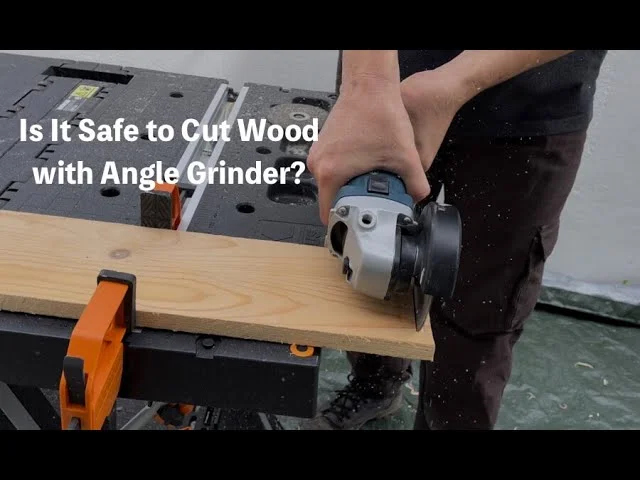
Always mark your cut line clearly. Use a pencil or chalk for visible guidance. Secure the wood firmly with clamps to stop movement during cutting.
This prevents slips and ensures accurate cuts. Never hold the wood by hand while cutting.
Proper Cutting Angle And Speed
Hold the grinder at a steady angle, typically 15 to 30 degrees. This angle helps the blade cut smoothly without digging in too deep. Maintain a steady, moderate speed for controlled cutting.
Do not force the grinder through the wood. Let the blade do the work to avoid damage.
Making Straight And Curved Cuts
For straight cuts, guide the grinder slowly along the marked line. Use a straight edge as a guide if needed. For curved cuts, move the grinder carefully in small, controlled motions.
Take extra caution with curves to avoid overcutting or uneven edges.
Finishing The Cut
After cutting, smooth edges with sandpaper or a sanding disc on the grinder. This removes splinters and sharp points. Clean the work area to prevent hazards from wood dust and debris.
Safety Gear Essentials
Using an angle grinder to cut wood requires strict attention to safety. The tool spins at high speed and can create flying debris. Wearing the right safety gear reduces the risk of injury. Proper protection keeps eyes, hands, and body safe from sparks and splinters.
Eye Protection
Safety goggles or a full face shield are essential. They protect your eyes from flying wood chips and dust. Clear, impact-resistant lenses work best. Never use an angle grinder without proper eye protection.
Hearing Protection
Angle grinders are loud and can damage hearing. Use earplugs or earmuffs to reduce noise. Protecting your ears prevents long-term hearing loss. Keep hearing protection on during the entire cutting process.
Hand Protection
Wear heavy-duty gloves to guard your hands. Gloves protect against splinters and accidental contact with the blade. Choose gloves that allow good grip and flexibility. Avoid loose gloves that can catch on the tool.
Respiratory Protection
Cutting wood creates dust that can harm your lungs. Use a dust mask or respirator to filter particles. Proper respiratory gear helps prevent breathing problems. Work in a well-ventilated area for added safety.
Protective Clothing
Wear long sleeves and sturdy pants to protect your skin. Avoid loose clothing that can get caught in the grinder. Use closed-toe shoes or boots with good traction. Dress to minimize exposure to sparks and debris.
Common Mistakes To Avoid
Using an angle grinder to cut wood can be tricky. Many make mistakes that cause poor results or danger. Knowing what to avoid helps keep the work safe and clean.
Some errors damage the wood or the tool. Others risk injury. Avoiding these mistakes makes the job easier and better.
Using The Wrong Blade
Not all blades work well on wood. Using a metal-cutting disc can burn or crack the wood. It can also break the blade. Choose a blade designed for wood cutting only.
Ignoring Safety Gear
Angle grinders produce sparks and dust. Not wearing goggles or gloves can lead to injury. Use safety glasses, gloves, and a dust mask every time.
Cutting Too Deep At Once
Trying to cut thick wood in one pass causes the blade to bind. It can kick back or overheat. Make several shallow cuts instead.
Holding The Grinder Incorrectly
Poor grip or wrong angle causes loss of control. This leads to uneven cuts or accidents. Hold the grinder firmly with both hands at the right angle.
Not Securing The Wood
Loose wood moves during cutting. This causes rough edges or tool slips. Always clamp the wood to a stable surface before starting.
Comparing Tools For Woodwork
Choosing the right tool for woodwork matters a lot. Each tool has its strengths and limits. Some tools work fast but need skill. Others are safer but slower. Understanding these tools helps you pick the best one for your project. Below, we compare common tools used for cutting wood.
Angle Grinder
Angle grinders are mainly for metal and stone. They can cut wood with special blades. These blades have carbide teeth and a unique shape. The tool cuts fast but needs careful handling. It can be risky without proper safety gear. Angle grinders work well for small or detailed cuts.
Circular Saw
Circular saws are a popular choice for wood. They have sharp, round blades made for wood cutting. They cut straight lines quickly and cleanly. These saws are easy to control. They suit cutting large wood pieces and making long cuts.
Jigsaw
Jigsaws use a small, narrow blade that moves up and down. They cut curves and shapes in wood easily. Jigsaws work well on thin wood and detailed designs. They are slower than circular saws but more precise for shapes.
Hand Saw
Hand saws are simple tools without power. They require physical effort but offer good control. Hand saws are quiet and safe for small jobs. They work well for trimming or cutting small wood parts.
Maintenance And Care Tips
Proper maintenance and care of your angle grinder extend its life and improve safety. Regular upkeep keeps the tool running smoothly. Neglecting maintenance can cause poor performance or accidents.
Follow simple steps to care for your angle grinder after cutting wood or other materials. Clean, inspect, and store it properly to avoid damage and wear.
Cleaning The Angle Grinder After Use
Remove dust and debris from the grinder after every use. Use a soft brush or compressed air to clean vents and moving parts. Avoid water or liquids that can damage the motor.
Checking The Cutting Disc Condition
Inspect the wood cutting disc for cracks, chips, or wear before each use. Replace damaged or worn discs immediately. Using a damaged disc can cause accidents or poor cuts.
Lubricating Moving Parts
Apply lubricant to the grinder’s moving parts as per the manufacturer’s guide. Lubrication reduces friction and prevents overheating. Keep the tool running efficiently and safely.
Storing The Angle Grinder Properly
Store the angle grinder in a dry, clean place away from moisture and dust. Use a protective case if available. Proper storage prevents rust and damage.
Credit: www.youtube.com
Frequently Asked Questions
Is There A Wood Cutting Blade For An Angle Grinder?
Yes, special wood cutting blades for angle grinders exist. They have large tungsten carbide teeth and a unique shape for safe wood cutting. Use these blades to cut wood efficiently while minimizing damage and ensuring safety. Always choose the correct blade size for your grinder.
What Size Wood Can A Grinder Handle?
A grinder can handle wood pieces up to 2-3 inches thick effectively. Thicker wood may cause strain or damage.
What Should You Not Use An Angle Grinder For?
Do not use an angle grinder on unsecured workpieces, plastic, soft metals, or materials not suited for grinding discs. Avoid cutting wood without a proper wood-cutting blade. Do not use it for precision cuts or on materials prone to shattering.
Can I Use A Grinder As A Cutter?
Yes, you can use a grinder as a cutter by attaching a cutting disc. Avoid using grinding discs for cutting tasks.
Can An Angle Grinder Safely Cut Wood?
Yes, with the right blade, an angle grinder can cut wood safely and effectively.
Conclusion
An angle grinder can cut wood with the right blade and care. Use a wood-specific disc to avoid damage or accidents. Always wear safety gear and work slowly for control. This tool works best on small or thin wood pieces.
Avoid thick or hard wood to prevent blade wear or kickback. Proper technique keeps your cuts clean and safe. Angle grinders offer a quick option but aren’t a full substitute for saws. Choose the right tool for your wood project needs.
{ “@context”: “https://schema.org”, “@type”: “Article”, “headline”: “Can an Angle Grinder Cut Wood: Expert Tips and Safety Guide”, “description”: “Can an angle grinder cut wood? It can with the right blade but is primarily designed for metal and masonry cutting, requiring caution when used on wood.”, “url”: “https://www.powertoolstoday.com/can-an-angle-grinder-cut-wood/”, “datePublished”: “2025-11-26”, “dateModified”: “2026-03-18”, “author”: { “@type”: “Organization”, “name”: “Power Tools Today”, “url”: “https://www.powertoolstoday.com” }, “publisher”: { “@type”: “Organization”, “name”: “Power Tools Today”, “url”: “https://www.powertoolstoday.com” }, “mainEntityOfPage”: { “@type”: “WebPage”, “@id”: “https://www.powertoolstoday.com/can-an-angle-grinder-cut-wood/” }, “image”: { “@type”: “ImageObject”, “url”: “https://www.powertoolstoday.com/wp-content/uploads/2025/11/can-an-angle-grinder-cut-wood.webp” } }nn