
Last Updated: March 19, 2026
Are you wondering if you can use rotary bits in your regular drill? It’s a question many DIY enthusiasts and beginners ask when they want to expand their tool’s capabilities without buying new equipment.
Before you try fitting those bits into your drill, you need to know that not all rotary bits are designed to work safely or effectively with standard drills. Using the wrong bit can lead to poor results, damage to your tools, or even injury.
You’ll discover which rotary bits can be used with your drill, which ones you should avoid, and the best alternatives to get the job done right. Keep reading to protect your tools and make your projects easier and safer.
Types Of Rotary Bits
Rotary bits come in various types, each designed for specific tasks. Knowing these types helps you choose the right bit for your project. Using the correct rotary bit improves efficiency and results.
Rotary bits are not all the same. Some are for cutting, others for grinding or polishing. They fit into rotary tools, but not all bits suit every tool.
Common Rotary Bit Varieties
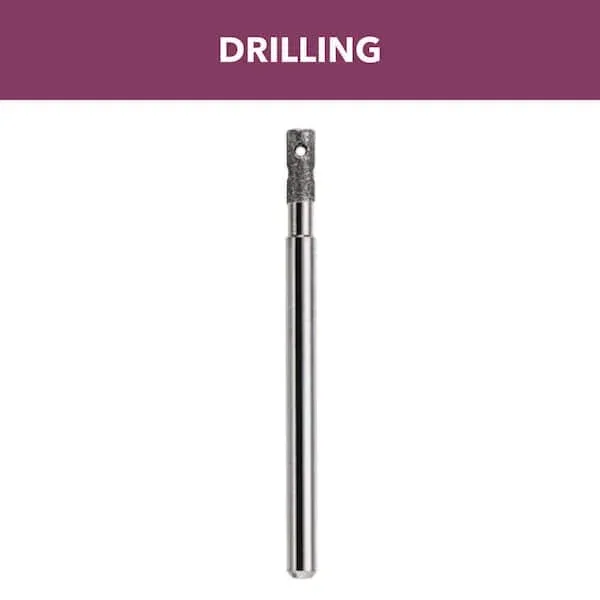
There are many common rotary bits used in different jobs. Carbide bits are strong and cut hard materials like metal. Diamond bits grind and shape glass or stone. Sanding drums smooth wood and remove paint. Grinding stones sharpen blades and shape metal. Wire brushes clean rust and dirt from surfaces.
Differences From Drill Bits
Rotary bits differ from drill bits in shape and use. Drill bits are made to bore straight holes. Rotary bits often cut sideways or shape materials. Drill bits have pointed tips for drilling. Rotary bits have varied tips for grinding, cutting, or sanding. Rotary bits spin faster but with less force than drill bits. Using a rotary bit in a drill can cause poor results or damage.
Credit: www.homedepot.com
Compatibility With Drills
Using rotary bits in a drill depends on how well the bit and drill match. Compatibility affects performance and safety. Not all rotary bits fit every drill. Understanding key factors helps you pick the right setup.
Two main points determine if a rotary bit works with your drill. These are shank size and chuck fit, plus rotational speed requirements. These factors keep your tool working smoothly and safely.
Shank Size And Chuck Fit
The shank is the part of the bit that goes into the drill chuck. Drill chucks have limits on shank sizes they can hold. Common shank sizes are 1/4 inch, 3/8 inch, and 1/2 inch. Make sure your rotary bit shank matches your drill chuck size.
A bit too small might slip during use. A bit too large will not fit in the chuck. Some rotary bits have unique shanks made for special tools. These usually do not fit standard drills.
Rotational Speed Requirements
Rotary bits need certain speeds to work well. Drills vary in speed, often from 500 to 3,000 RPM. Some rotary bits require high speeds above typical drill limits.
Using a rotary bit at the wrong speed can cause damage. It may wear out the bit fast or break it. Check the bit’s recommended speed before use. Choose a drill that can match or exceed this speed safely.
Risks Of Using Rotary Bits In Drills
Using rotary bits in drills might seem convenient. Yet, it carries certain risks that users must understand. Drills and rotary bits are designed for different tasks and speeds. Misusing them can lead to problems, both with the tools and personal safety.
Potential Damage To Bits
Rotary bits need high speed and stability to work correctly. Drills do not provide this, causing bits to wear out faster. The drill’s sideways forces can bend or break the bit shaft. This damage makes the bit unusable or unsafe for future use. Wobbling or slipping inside the drill chuck can also ruin the bit’s cutting edge.
Safety Hazards During Operation
Using rotary bits in drills risks serious injury. The wrong tool speed can cause the bit to overheat and break suddenly. Broken pieces can fly off and hit the user. Lack of control leads to slipping, increasing chances of cuts or punctures. Drills lack the proper guard and support needed for rotary bits. This creates unstable working conditions and higher accident risk.
Proper Tools For Rotary Bits
Choosing the right tool for rotary bits is essential for safety and quality. Not all power tools suit rotary bits, especially those designed for specific tasks. Using the wrong tool can damage your project and the bit itself. Proper tools provide the right speed, control, and stability needed for smooth cuts and finishes.
Why Routers Are Preferred
Routers are built for rotary bits. They spin at high speeds necessary for clean cuts. Their design handles sideways forces without wobbling. This control prevents bit damage and uneven cuts. Routers also come with features like depth adjustment. This allows precise control over how deep the bit cuts. Using a router reduces the risk of accidents caused by bit breakage. They are the safest choice for routing tasks.
Using Rotary Tools Like Dremel
Dremel and similar rotary tools are smaller and more versatile. They operate at very high speeds, perfect for fine detail work. These tools fit small rotary bits designed for engraving, polishing, or carving. Their lightweight design makes them easy to handle for delicate tasks. Unlike drills, they provide better speed control and less vibration. This precision helps avoid mistakes and bit damage. Dremel tools are ideal for hobbyists and small projects requiring detail.
Safe Usage Tips
Using rotary bits in a drill requires care to avoid accidents and damage. Follow safe usage tips to ensure smooth operation and protect both the tool and user. Proper handling of the bits and drill settings plays a key role in safety and efficiency.
Securing Bits Properly
Always check that the rotary bit fits tightly in the drill chuck. Loose bits can slip or fly out during use. Use the drill’s chuck key or tightening mechanism to secure the bit firmly. Stop and re-tighten if you feel wobbling or vibration. Never force a bit into a chuck that is too small or damaged.
Controlling Speed And Pressure
Adjust the drill speed according to the bit type and material. High speeds may damage the bit or work surface. Apply steady, moderate pressure without pushing too hard. Excessive force can break the bit or cause the drill to jerk. Let the rotary bit do the cutting work. Slow down or stop if you notice smoke or unusual noise.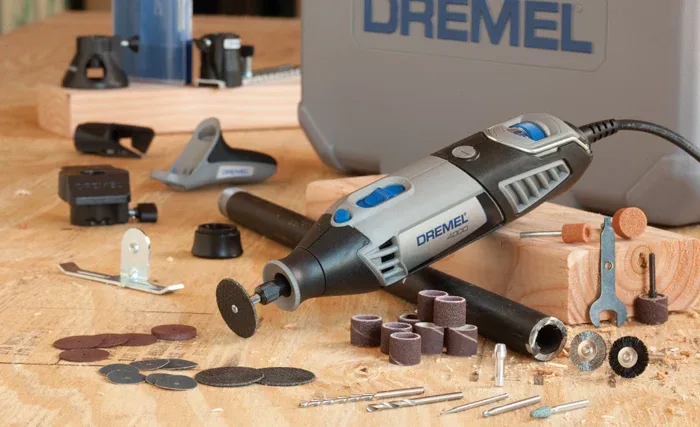
Credit: www.homedepot.com
Alternatives And Recommendations
Choosing the right tool bit ensures safety and effective work. Rotary bits often do not fit or function well in standard drills. Using the proper bit avoids damage to both the drill and the material. There are better options for different tasks that improve results and reduce risks.
Explore alternatives to rotary bits that match your drill type. Use bits designed for the drill’s speed and torque. This choice improves control and the quality of your work. Knowing when to switch tools can save time and money.
Choosing The Right Bit For The Drill
Select bits made for your drill’s chuck size and power. High-speed steel (HSS) bits work well for most drilling tasks. Masonry bits are best for concrete or brick. Avoid using bits meant for rotary hammers or routers in a regular drill. They may not fit or could break easily. Match the bit’s design to the material and the drill’s capabilities. This prevents wear and unsafe conditions.
When To Invest In Specialized Tools
Use a rotary hammer for heavy-duty drilling in hard materials. These tools handle hammer drill bits safely and efficiently. Buy a router when you need precise shaping or cutting of wood. Routers spin bits at high speed sideways, unlike drills. Specialized tools offer better performance for specific jobs. Investing in the right tool reduces frustration and improves results. It also increases the lifespan of your bits and equipment.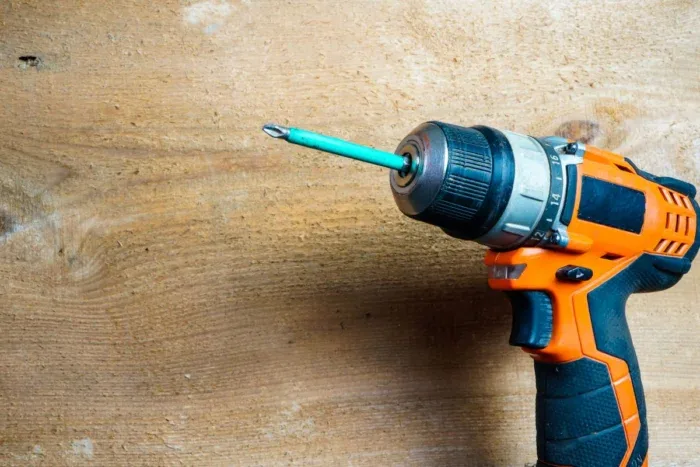
Credit: www.tigerfishtools.com
Conclusion
Rotary bits and drills serve different purposes and need proper matching. Using rotary bits in a drill can cause poor results and safety risks. Drills lack the speed and control needed for rotary bits, especially router bits. Choose the right tool for your task to avoid damage or injury.
For routing, use a router or a rotary tool designed for that work. Always check compatibility before mixing bits and tools. Staying safe and using the correct equipment leads to better, cleaner work.
Frequently Asked Questions
No, you cannot use a rotary hammer bit in a regular drill. Regular drills lack the hammering action and proper chuck compatibility needed. Using such bits can damage your drill and reduce efficiency. Always use a hammer drill for rotary hammer bits to ensure safety and performance.
No, do not use a router bit in a standard drill. Drills lack proper speed, stability, and control, causing poor cuts and safety risks. Use a router for routing tasks to ensure quality and safety.
No, you should not use a rotozip bit in a standard drill. Drills lack the speed and stability needed, risking damage and injury. Use a rotozip tool or router designed for these bits to ensure safety and proper performance.
Not all nail bits fit every drill. Match the bit’s shank size with your drill’s chuck for proper fit and safety.
Rotary bits can fit in a regular drill, but performance varies by bit type and drill power.
Rotary hammer bits usually do not fit or work safely in standard drills.