
Last Updated: March 20, 2026
Are you wondering if you can cut plexiglass with a table saw? Whether you’re working on a DIY project or a professional build, knowing the right way to cut plexiglass can save you time and avoid costly mistakes.
Cutting this clear, durable plastic might seem tricky, especially with power tools designed for wood. But with the right approach, your table saw can become a powerful ally for making clean, precise cuts. You’ll discover how to safely and effectively cut plexiglass using your table saw, plus expert tips to prevent chipping, cracking, or melting.
Keep reading to unlock simple techniques that will make your next plexiglass cut smooth and stress-free.
Credit: www.bobvila.com
Tools For Cutting Plexiglass
Cutting plexiglass requires the right tools to ensure clean, precise edges. Choosing the correct tool depends on the thickness and shape of the cut. Using improper tools can cause cracking or chipping. Below are common tools used for cutting plexiglass safely and effectively.
Utility Knife For Thin Sheets
Thin plexiglass sheets can be cut with a sharp utility knife. Score the surface multiple times along a straight edge. Then snap the sheet along the scored line. This method works best for sheets under 1/8 inch thick.
Jigsaw With Fine-tooth Blade
A jigsaw equipped with a fine-tooth blade cuts curves and straight lines well. It allows more control for detailed cuts. Use a slow speed to prevent melting or cracking of the plexiglass.
Table Saw With Fine-tooth Blade
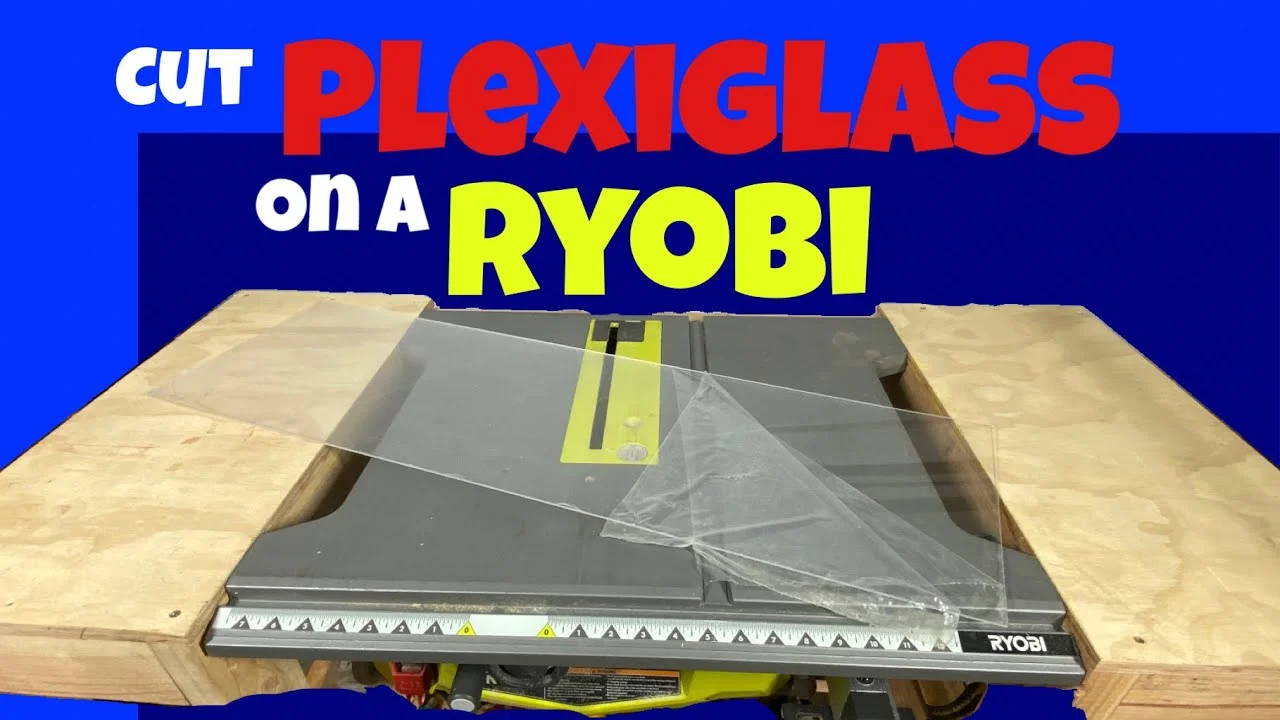
For thick plexiglass sheets, a table saw is a solid option. Use a blade designed for plastics or fine-tooth blades. Support the sheet firmly to avoid vibrations. Cutting slowly reduces the risk of chipping.
Circular Saw For Straight Cuts
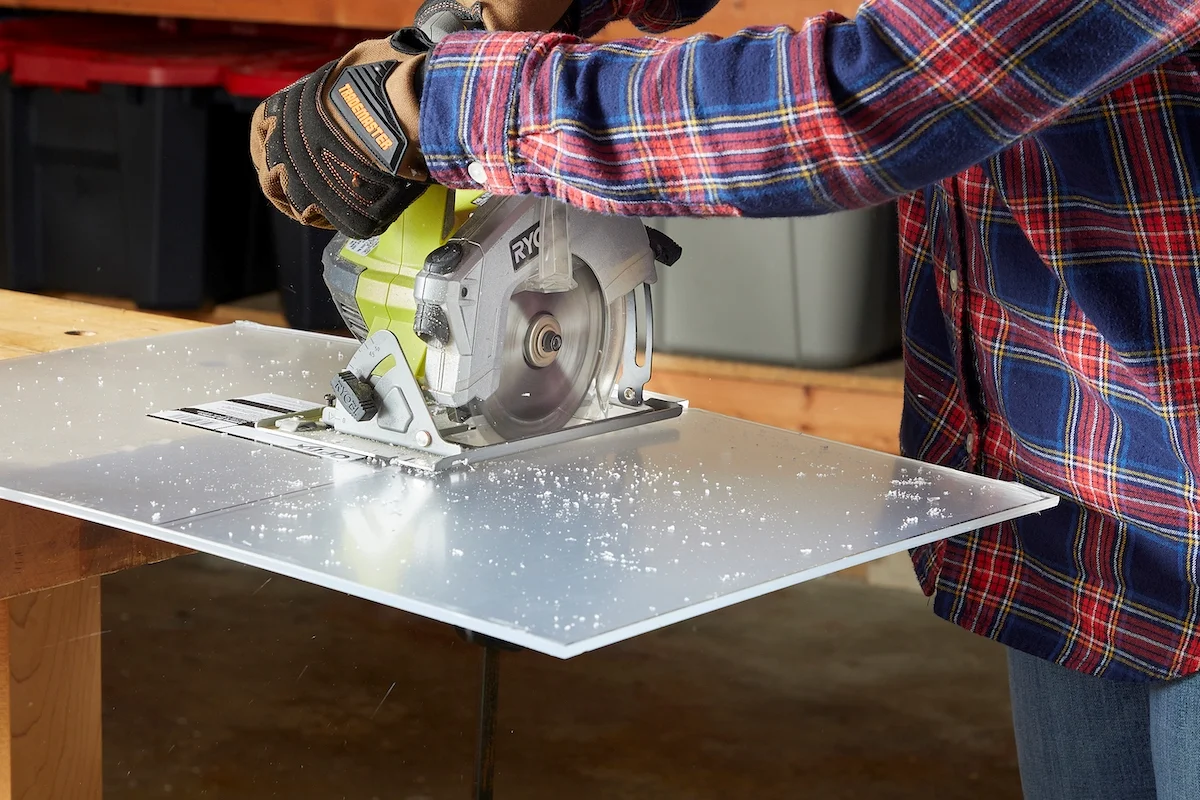
A circular saw fitted with a fine-tooth blade handles straight cuts on thicker plexiglass. Guide the saw steadily for smooth edges. Clamp the sheet securely to prevent shifting during the cut.
Rotary Tool For Intricate Shapes
Rotary tools with cutting attachments are ideal for small, detailed cuts. They work well for curves and holes in thin plexiglass. Use light pressure to avoid cracking or overheating the material.
Preparing Plexiglass For Cutting
Preparing plexiglass for cutting ensures clean, precise results. Proper preparation reduces the risk of cracking or chipping. It also protects the material and your tools.
Before cutting, gather all necessary tools and safety gear. Clear your workspace for better control and accuracy.
Clean The Plexiglass Surface
Remove dust, dirt, and oils from the plexiglass surface. Use a soft cloth and mild soap solution. Avoid harsh chemicals that can damage the sheet.
Dry the plexiglass completely before proceeding to cut. A clean surface helps you see the cutting lines clearly.
Mark The Cutting Line
Use a fine-tip permanent marker or grease pencil to draw the cut line. Straight lines require a metal ruler or straight edge for accuracy.
Double-check your measurements before marking. Clear markings guide the saw and prevent mistakes.
Secure The Plexiglass Sheet
Clamp the plexiglass firmly to your workbench or table. Use soft clamps or add a protective layer to avoid surface damage.
Ensure the sheet does not move during cutting. Stability prevents uneven cuts and reduces accidents.
Using A Table Saw Safely
Using a table saw to cut plexiglass requires careful attention to safety. Plexiglass is a type of acrylic that can chip or crack if handled incorrectly. The table saw blade can cause serious injury without proper precautions. Follow safety steps to protect yourself and achieve a clean cut.
Wear Proper Safety Gear
Always wear safety glasses to protect your eyes from flying debris. Use ear protection to guard against loud noise. Wear a dust mask to avoid inhaling small acrylic particles. Gloves can help protect your hands but avoid loose gloves that might get caught in the blade.
Choose The Right Blade
Use a fine-tooth blade designed for cutting plastics or acrylics. A blade with at least 60 teeth works best. This reduces the chance of chipping and produces a smoother edge. Avoid using a wood-cutting blade, which can cause damage to the plexiglass.
Secure The Plexiglass Properly
Clamp the plexiglass firmly to the saw table to prevent movement. Use a straight edge or guide to keep the cut line accurate. Do not hold the plexiglass by hand near the blade. A stable setup reduces the risk of kickback and uneven cuts.
Adjust The Saw Settings
Set the blade height to just above the thickness of the plexiglass. A higher blade can cause melting or cracking. Use a slower feed rate to let the blade cut smoothly through the material. Avoid forcing the plexiglass through too quickly.
Keep Your Work Area Clean
Clear the table and surrounding area of sawdust and scraps. This prevents slips and distractions. Regularly remove cut pieces to maintain a safe workspace. A clean area helps you focus on precise and safe cutting.
Blade Selection And Settings
Selecting the right blade and settings is crucial to cut plexiglass cleanly with a table saw. The blade type affects the smoothness of the cut and prevents cracking or chipping. Correct saw speed and blade height also play important roles. Adjustments ensure safety and precision during the cut.
Choosing The Right Blade
Use a fine-toothed blade designed for plastics or acrylic. A carbide-tipped blade with 80 to 100 teeth works best. Blades made for wood may cause melting or rough edges. Avoid blades with large, widely spaced teeth.
Blade Speed And Feed Rate
Set the table saw to a slow to medium speed. High speeds create heat and melt the plexiglass. Feed the material slowly and steadily to avoid cracks. Too fast feeding causes chipping and uneven cuts.
Blade Height And Cutting Depth
Adjust the blade height to just slightly above the plexiglass thickness. This reduces vibration and prevents the sheet from cracking. Cutting in multiple shallow passes is safer than one deep cut. It also improves cut quality.
Techniques To Prevent Chipping And Melting
Cutting plexiglass with a table saw requires special care to avoid damage. Chipping and melting are common problems that ruin the edges. Applying the right techniques can help you achieve clean cuts without imperfections. Use sharp blades, control speed, and support the material properly.
Use A Fine-tooth Blade
Select a blade with many teeth designed for plastics. Fine teeth reduce the chance of chipping by making smaller cuts. Avoid blades meant only for wood or metal. A carbide-tipped blade works best for plexiglass.
Set The Saw Speed Low
Lower the blade speed to prevent heat buildup. High speed causes friction that melts the plexiglass. A slower cut keeps the material cool and reduces melting. Move the plexiglass steadily to avoid burns and rough edges.
Support The Plexiglass Firmly
Place the sheet on a flat, stable surface. Use clamps or guides to hold it in place. Proper support stops vibrations that cause chips. Support the piece on both sides of the cut line for best results.
Make Shallow Passes
Cut the plexiglass in several shallow passes instead of one deep cut. This reduces stress on the material and blade. Gradually go deeper until the sheet is fully cut through. This method lowers the risk of cracking and melting.
Use Masking Tape On The Cut Line
Apply masking tape over the cutting line to hold the surface together. Tape helps reduce chipping and splintering at the edges. Remove the tape after cutting for a clean finish. This simple trick protects the plexiglass surface.
Credit: www.youtube.com
Alternative Cutting Methods
Cutting plexiglass requires careful handling to avoid cracks and chips. Using a table saw is one option, but several alternative methods offer ease and precision. These methods suit different project needs and skill levels. Choose the right tool based on your plexiglass thickness and cut style.
Using A Utility Knife For Thin Sheets
A utility knife works well for thin plexiglass sheets. Score the surface multiple times along a straight edge. Apply steady pressure until a deep groove forms. Then, snap the sheet along the scored line. This method is simple and creates clean edges without special tools.
Jigsaw For Curves And Shapes
A jigsaw handles curved cuts and complex shapes easily. Use a fine-tooth blade designed for plastics. Clamp the plexiglass firmly to prevent movement. Cut slowly to avoid melting or cracking. Sand the edges afterward for a smooth finish.
Circular Saw For Thick Sheets
A circular saw with a fine-tooth blade cuts thick plexiglass sheets well. Set the blade depth slightly deeper than the sheet thickness. Use a guide to keep the cut straight. Wear safety glasses and work in a well-ventilated area. This method produces fast, straight cuts.
Rotary Tool For Detail Work
Rotary tools offer precision for small or detailed cuts. Attach a plastic cutting bit or fine saw blade. Move slowly to control the cut and avoid overheating. This method suits intricate designs or trimming edges carefully.

Credit: www.eplastics.com
Frequently Asked Questions
What Is The Best Tool To Cut Plexiglass With?
The best tool to cut plexiglass depends on thickness and cut type. Use a utility knife for thin sheets, a jigsaw for curves, and a table saw with a fine-tooth blade for thick, straight cuts. A rotary tool works well for detailed shapes.
How Do You Cut Plexiglass Without Cracking It?
Score the plexiglass deeply with a utility knife along a straight edge. Snap it carefully to avoid cracks. For thick sheets, use a fine-tooth blade on a table saw at low speed. Always secure and support the material to prevent vibrations and cracking.
What Table Saw Blade For Plexiglass?
Use a fine-tooth, high-speed steel or carbide-tipped blade with 80+ teeth for clean plexiglass cuts. Set the saw to a low speed.
What Type Of Cutting Is Never Permitted With A Table Saw?
Never perform freehand cuts or crosscuts without proper support on a table saw. Avoid ripping small or narrow pieces to prevent kickback and injury.
Can You Safely Cut Plexiglass With A Table Saw?
Yes, using the right blade and slow speed helps cut plexiglass safely on a table saw.
What Blade Is Best For Cutting Plexiglass On Table Saw?
A fine-tooth carbide blade designed for plastics works best for clean cuts on plexiglass.
Conclusion
Cutting plexiglass with a table saw is possible and practical. Use a fine-tooth blade to avoid cracks and chips. Take your time and feed the material slowly for smooth edges. Always wear safety gear to protect your eyes and hands.
With the right tools and care, you can achieve clean, straight cuts easily. This method works well for thicker sheets that need precise lines. Practice on scrap pieces before cutting your final project. Keep your workspace clean and well-lit for better control.
Cutting plexiglass does not have to be difficult or risky.
{ “@context”: “https://schema.org”, “@type”: “Article”, “headline”: “Can You Cut Plexiglass With a Table Saw: Expert Tips Revealed”, “description”: “Can you cut plexiglass with a table saw? Learn how this tool can safely and effectively cut plexiglass sheets with the right blade and technique.”, “url”: “https://www.powertoolstoday.com/can-you-cut-plexiglass-with-a-table-saw/”, “datePublished”: “2025-11-17”, “dateModified”: “2026-03-18”, “author”: { “@type”: “Organization”, “name”: “Power Tools Today”, “url”: “https://www.powertoolstoday.com” }, “publisher”: { “@type”: “Organization”, “name”: “Power Tools Today”, “url”: “https://www.powertoolstoday.com” }, “mainEntityOfPage”: { “@type”: “WebPage”, “@id”: “https://www.powertoolstoday.com/can-you-cut-plexiglass-with-a-table-saw/” }, “image”: { “@type”: “ImageObject”, “url”: “https://www.powertoolstoday.com/wp-content/uploads/2025/11/Can-You-Cut-Plexiglass-With-a-Table-Saw-1024×576.webp” } }{ “@context”: “https://schema.org”, “@type”: “Article”, “headline”: “Can You Cut Plexiglass With a Table Saw: Expert Tips Revealed”, “description”: “Can you cut plexiglass with a table saw? Learn how this tool can safely and effectively cut plexiglass sheets with the right blade and technique.”, “url”: “https://www.powertoolstoday.com/can-you-cut-plexiglass-with-a-table-saw/”, “datePublished”: “2025-11-17”, “dateModified”: “2026-03-19”, “author”: { “@type”: “Organization”, “name”: “Power Tools Today”, “url”: “https://www.powertoolstoday.com” }, “publisher”: { “@type”: “Organization”, “name”: “Power Tools Today”, “url”: “https://www.powertoolstoday.com” }, “mainEntityOfPage”: { “@type”: “WebPage”, “@id”: “https://www.powertoolstoday.com/can-you-cut-plexiglass-with-a-table-saw/” }, “image”: { “@type”: “ImageObject”, “url”: “https://www.powertoolstoday.com/wp-content/uploads/2025/11/Can-You-Cut-Plexiglass-With-a-Table-Saw-1024×576.webp” } }nn