Multimeter Fuse Replacement: How to Identify, Select, and Install

multimeter fuse replacement

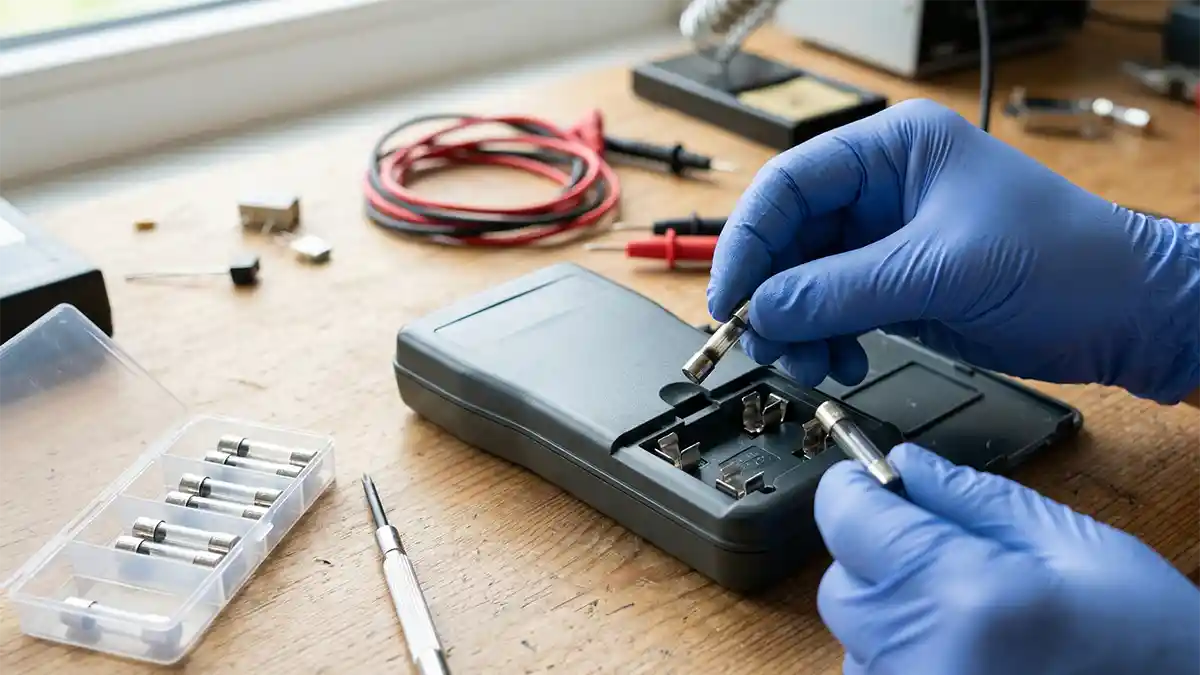
Multimeters have internal fuses that protect the meter’s current measurement circuit from overload. When you accidentally connect the meter in voltage mode with probes in the amperage port, or measure too high a current, the fuse blows to protect the meter. The result: your meter works fine for voltage and resistance but reads 0A for …

Read more

Auto-Ranging vs Manual Multimeter: Which Is Right for You?

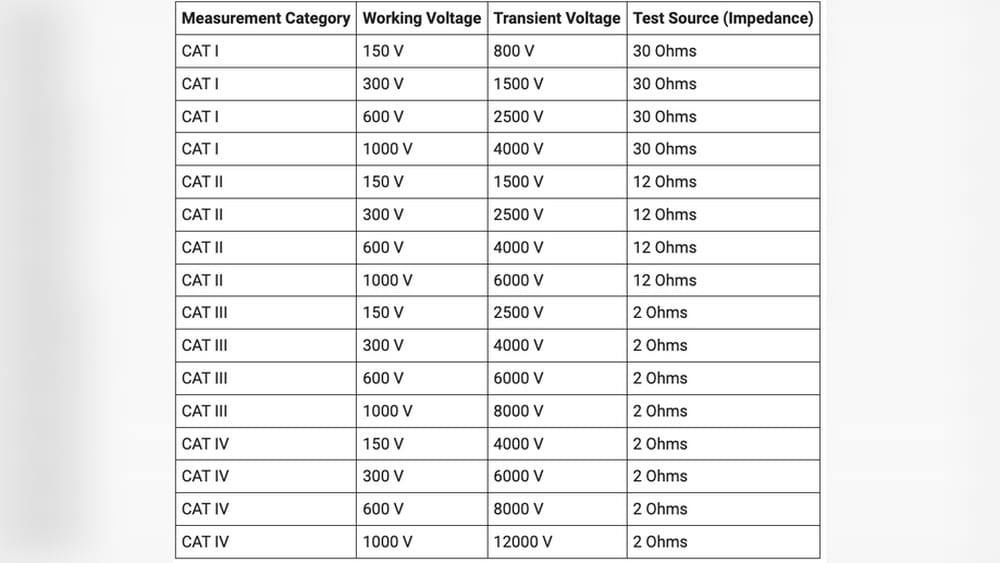
Multimeter category rating CAT III explained comparison chart

Auto-Ranging vs Manual Multimeter: Which Is Right for You? An auto-ranging multimeter automatically selects the correct measurement range when you connect the probes. A manual-ranging meter requires you to select the range yourself before measuring. Auto-ranging is faster and more beginner-friendly — you simply select the measurement type and read the result. Manual-ranging gives more …

Read more

Electrical Wire Color Guide: What Each Color Means in US Wiring

Electrical Wire Color Guide

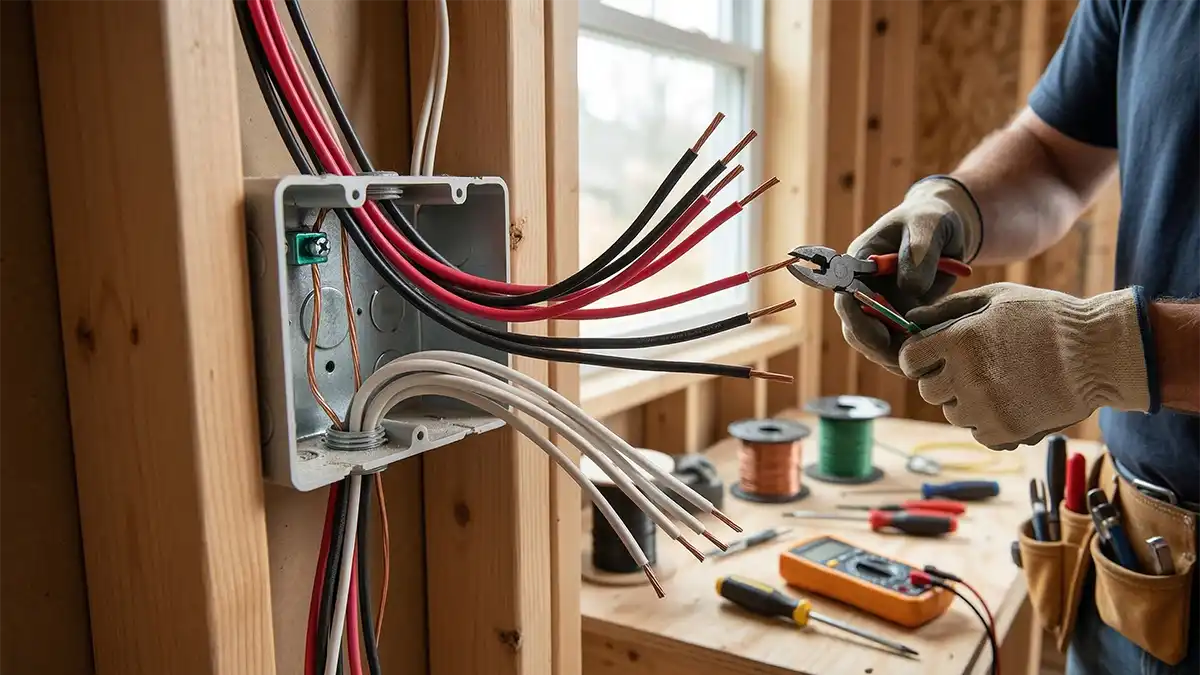
In US residential wiring, black and red wires are hot (live), white is neutral, and green or bare copper is ground. These colors follow the National Electrical Code (NEC) standard. Mixing them up causes shocks, equipment damage, and fire hazards. This guide covers every wire color you’ll encounter in standard home electrical systems — and …

Read more

How to Splice Electrical Wire: Safe Methods and NEC Rules

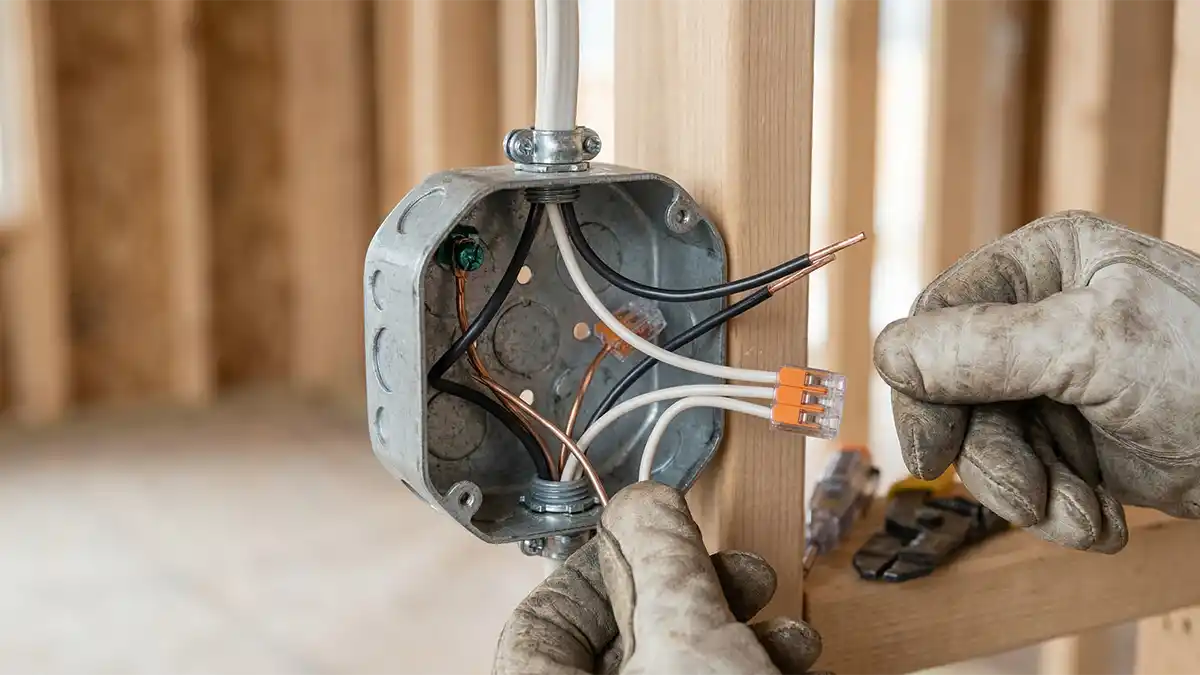
How to Splice Electrical Wire

How to Splice Electrical Wire: Safe Methods and NEC Rules Splicing electrical wire means joining two or more conductors to extend a circuit or add a connection. The safest, code-compliant methods use wire nuts, push-in connectors, or in-line splice connectors — all housed inside a proper junction box. Every wire splice must be accessible and …

Read more

Wire Nut vs Wire Connector: Which Should You Use?

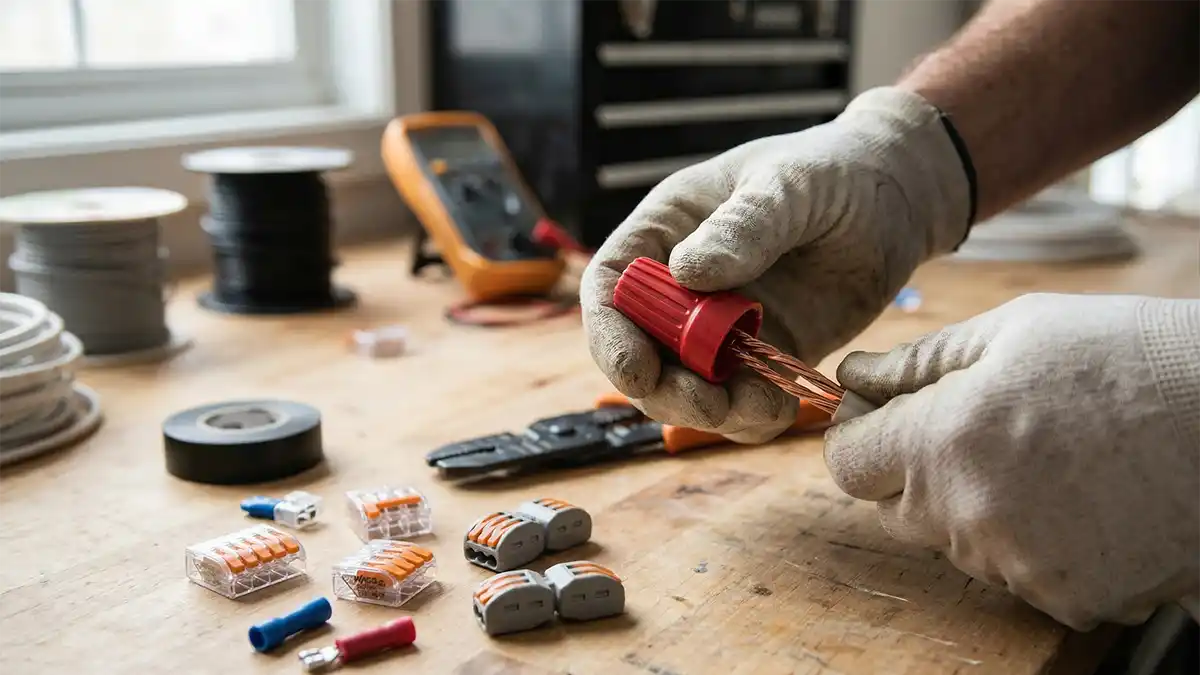
Wire Nut vs Wire Connector

Wire Nut vs Wire Connector: Which Should You Use? Wire nuts (twist-on connectors) and push-in wire connectors are both code-compliant methods for splicing electrical conductors — but they work differently and suit different jobs. Wire nuts are the traditional choice, great for standard in-box splices with solid or stranded wire. Push-in connectors like Wago levers …

Read more

How to Solder Wires Together: Step-by-Step Guide

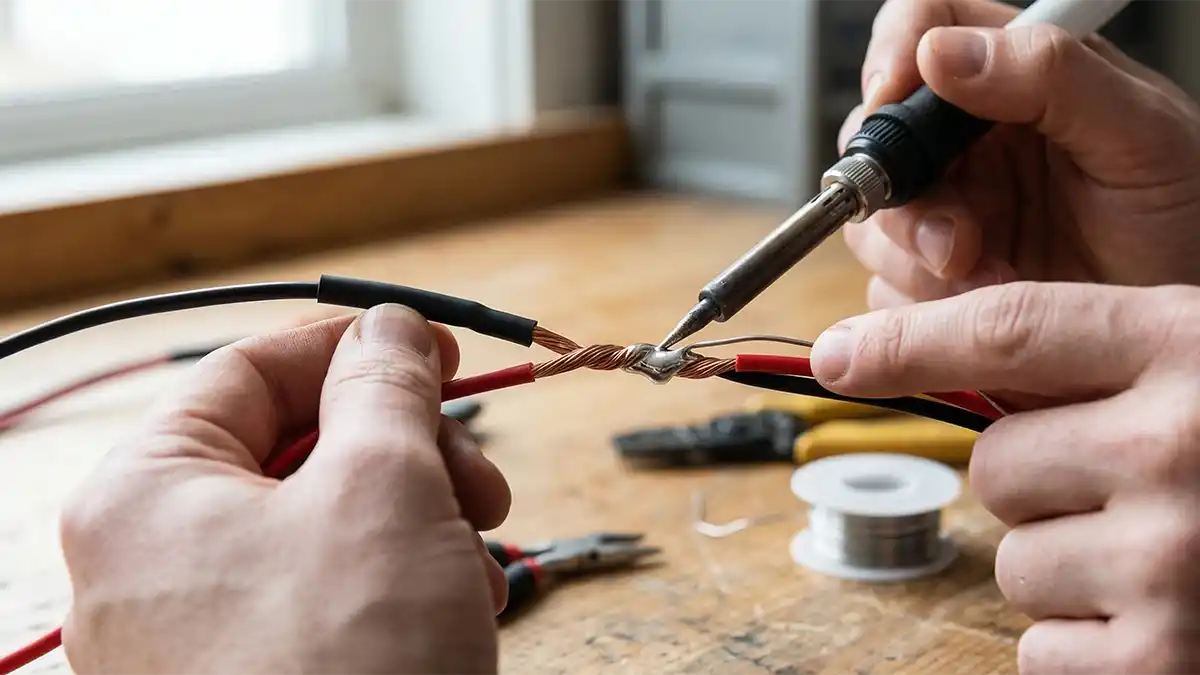
How to Solder Wires Together

How to Solder Wires Together: Step-by-Step for Clean, Strong Joints Soldering wires together creates a permanent, low-resistance electrical connection stronger than most mechanical connectors. The key is heating the wire itself — not the solder — so the solder flows into the joint rather than sitting on top of it. A proper wire-to-wire solder joint …

Read more

Soldering Iron vs Soldering Gun: Which Tool Do You Actually Need?

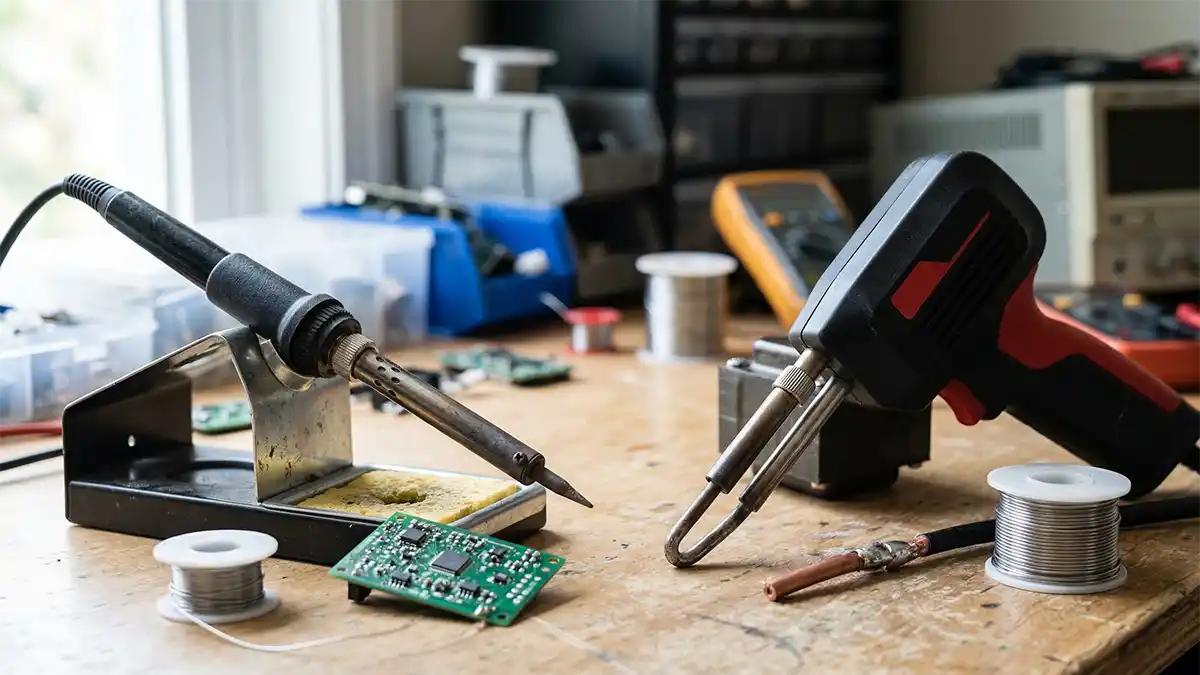
Soldering Iron vs Soldering Gun

A soldering iron uses a heated metal tip for precision work on electronics and small wires. A soldering gun uses a trigger-activated transformer that heats a copper tip almost instantly for heavier-gauge wire and electrical connections. For most DIY electronics and PCB work, a soldering iron is the better choice. For thick wire splices and …

Read more

🛒 Affiliate Disclosure: As an Amazon Associate, I earn from qualifying purchases. Some links on this site are affiliate links — clicking them may earn us a small commission at no extra cost to you. Learn more