
Last Updated: March 20, 2026
Choosing the right circular saw can make all the difference in how smoothly your project goes. You might be wondering: should you go for a corded model that promises endless power, or is a cordless saw with its freedom and portability the better fit for your needs?
Whether you’re tackling a tough job or working in tight spaces, understanding the real strengths and limits of corded versus cordless circular saws will save you time, effort, and frustration. Keep reading to discover which type suits your work style and projects best—because picking the wrong saw could slow you down or leave you stuck mid-cut.
Let’s dive into the key differences that will help you make a smart choice today.
Power And Performance
The power and performance of a circular saw determine how well it handles different cutting tasks. Choosing between corded and cordless models depends on the type of work and power needs. Both types have strengths and limitations in delivering power.
Consistent Power Of Corded Saws
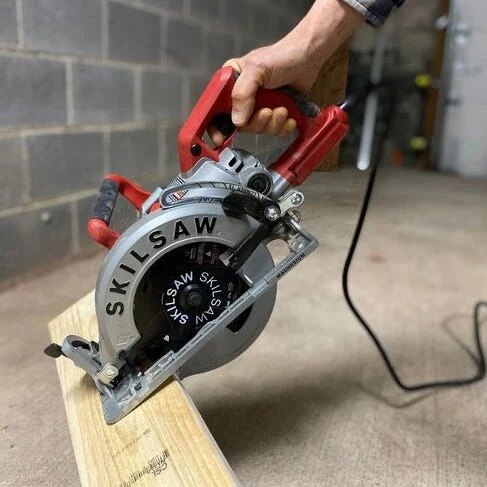
Corded circular saws plug directly into an electrical outlet. This connection gives them steady and continuous power. They maintain high torque throughout the job. They cut through tough materials like hardwood and metal with ease. There is no drop in performance, no matter how long the saw runs. This makes corded saws perfect for long or heavy-duty projects. Users do not need to worry about power loss or battery changes.
Battery Life And Power Fade In Cordless Models
Cordless circular saws run on rechargeable batteries. Their power depends on the battery’s charge level. As the battery drains, power and speed can reduce. This power fade may slow down cutting and affect accuracy. Battery life limits how long the saw can operate before needing a recharge. Modern lithium-ion batteries have improved runtime and charging speed. Still, cordless saws are best for shorter, lighter tasks or where power outlets are unavailable.
Credit: www.popularmechanics.com
Portability And Convenience
Portability and convenience play a vital role in choosing the right circular saw. These factors affect how easily you can carry, handle, and use the saw on different job sites. The design and power source of the saw determine its portability. Corded and cordless circular saws differ significantly in this area. Understanding these differences helps pick the best tool for your needs.
Mobility Limits Of Corded Saws
Corded circular saws need a power outlet nearby. The cord length restricts your movement and work area. You must keep the cord clear of the blade at all times. This limits how far you can go from the power source. The cord may get tangled or caught on objects, causing delays. Using extension cords can help but adds to the clutter. These factors reduce the saw’s flexibility. Corded saws are best for stationary or indoor work. Moving around frequently becomes cumbersome.
Advantages Of Cordless Flexibility
Cordless circular saws run on batteries, freeing you from cords. You can move easily across large or outdoor spaces. No need to find or carry extension cords. This makes cordless saws ideal for remote or hard-to-reach places. They offer better control in tight spots or awkward angles. Modern batteries provide longer run times and quick charging. Cordless saws increase safety by eliminating trip hazards. Their lightweight design adds to user comfort. These benefits make cordless saws very convenient for many projects.
Best Use Cases
Choosing between a corded and cordless circular saw depends on the task you plan to do. Each type suits different work styles and environments. Understanding their best use cases helps you pick the right tool for your needs. Below are clear examples where each saw excels.
Heavy-duty And Stationary Tasks
Corded circular saws are perfect for heavy-duty jobs. They offer continuous power without interruption. This makes them ideal for cutting thick wood and tough materials. Professionals use them on construction sites and workshops. Their constant power handles long cuts and dense materials easily.
Because they plug into an outlet, corded saws do not run out of power. This is important for long, stationary jobs. They provide steady torque and speed. They work well when precise, deep cuts are needed. Their weight and cord length make them better for fixed locations.
Diy And On-the-go Projects
Cordless circular saws are great for small projects and quick jobs. They offer freedom to move without worrying about cords. This makes them useful for jobs far from power sources. Homeowners and DIYers prefer cordless saws for ease and portability.
Modern batteries deliver enough power for most cutting tasks. They recharge fast and hold charge longer than before. Cordless saws are lighter and easier to handle in tight spots. They fit well in places where cords get in the way. Perfect for quick fixes and outdoor work.

Credit: rontgensaws.com
Safety Considerations
Safety is a top priority when using circular saws. Both corded and cordless saws have unique risks to consider. Understanding these risks helps prevent accidents and injuries. Proper handling and awareness make the work site safer for everyone.
Cord Hazards And Risks
Corded circular saws have a power cord that can cause problems. The cord may get tangled, leading to tripping hazards. It can also catch on objects, pulling the saw unexpectedly. Damage to the cord can cause electrical shocks or tool failure. Users must keep the cord away from the cutting path. Inspecting the cord before use reduces the chance of accidents. Avoid running the saw near wet areas to prevent electric hazards.
Cordless Safety Benefits
Cordless circular saws remove the risk of cord-related accidents. Without a cord, users move freely and work in tight spaces easily. This lowers the chance of tripping or pulling the saw by mistake. Cordless tools also reduce electrical hazards since they run on batteries. This makes them safer to use in damp or outdoor conditions. The lighter weight of cordless saws improves control and reduces user fatigue. Still, users should follow all safety instructions and wear protective gear.
Cost And Maintenance
Cost and maintenance are key factors when choosing between a corded and cordless circular saw. These aspects affect your budget and the tool’s lifespan. Understanding expenses and upkeep helps pick the right saw for your needs.
Upfront And Long-term Expenses
Corded saws usually cost less upfront. They do not need batteries or chargers, lowering the initial price. Their power comes directly from the outlet, so no extra parts are required.
Cordless saws tend to cost more initially. You pay for the battery and charger along with the saw. Over time, you may need to buy new batteries, raising long-term costs.
Corded saws have fewer parts to replace, keeping maintenance costs low. Cordless saws need battery care and replacement, which adds to expenses over time.
Battery Care And Replacement
Cordless saws rely on batteries that need regular charging. Proper battery care extends their life. Avoid fully draining or overcharging the battery to keep it healthy.
Batteries lose capacity after many charge cycles. Replacing them can be costly and necessary after a few years. This adds to the total cost of owning a cordless saw.
Corded saws skip battery issues, offering uninterrupted power. They require less maintenance since no batteries are involved. This makes them simpler and cheaper to maintain long term.
Choosing The Right Saw
Picking the best circular saw depends on your specific needs. Both corded and cordless saws have unique strengths. Understanding these helps you make a smart choice.
Consider the type of work you do and where you work. This will guide you in selecting the right tool for your projects.
Evaluating Project Needs
Think about the materials you will cut most often. Hard materials need more power and longer run times.
For heavy-duty tasks, a corded saw is usually better. It delivers steady power without interruptions.
If your projects involve light or medium cutting, a cordless saw can be enough. It offers more freedom of movement.
Balancing Power And Portability
Corded saws provide strong, constant power. You don’t worry about battery life during long jobs.
Cordless saws shine in portability. No cords mean easier handling in tight or remote spaces.
Modern batteries last longer and charge faster. This reduces the gap between cordless and corded power.
Choose a saw that fits your balance of power needs and job site mobility.
Credit: www.youtube.com
Frequently Asked Questions
Are Corded Or Cordless Circular Saws Better?
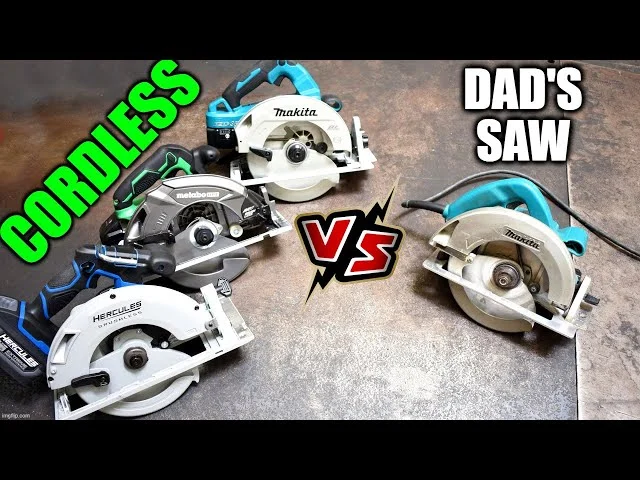
Corded circular saws provide consistent, unlimited power for heavy-duty tasks. Cordless saws offer portability and ease in tight spaces but depend on battery life. Choose corded for power and duration; pick cordless for flexibility and mobility.
Is Corded Better Than Cordless?
Corded tools offer consistent, unlimited power ideal for heavy-duty jobs. Cordless tools provide better portability and ease of use but rely on battery life. Choose corded for power and cordless for flexibility.
What Are The Key Advantages Of Using A Battery-powered Circular Saw Compared To A Corded Model In Construction And Diy Projects?
Battery-powered circular saws offer superior portability and maneuverability without cords. They work well in tight spaces and remote locations. Modern batteries provide longer runtimes and fast charging. These saws enhance safety by eliminating cord tripping hazards. Ideal for general DIY and flexible construction tasks.
What Is The Best Circular Saw For Diy?
The best circular saw for DIY depends on your needs. Corded saws offer consistent power for heavy tasks. Cordless saws provide portability and ease in tight spaces. Choose corded for long, tough cuts and cordless for flexibility and convenience.
What Is The Main Difference Between Corded And Cordless Circular Saws?
Corded saws plug into power, while cordless run on batteries for portability.
Which Circular Saw Offers Better Power And Performance?
Corded circular saws provide stronger, continuous power for tough jobs.
Conclusion
Choosing between corded and cordless circular saws depends on your work needs. Corded saws deliver steady power and never run out of juice mid-job. Cordless saws offer freedom of movement and ease in tight spots. Battery life limits cordless use but modern batteries improve this.
Think about your project size and location. Both types have clear benefits. Pick the tool that suits your tasks best for smooth, efficient cutting.
{ “@context”: “https://schema.org”, “@type”: “Article”, “headline”: “Corded Vs Cordless Circular Saw: Ultimate Guide to Choosing Right”, “description”: “Corded vs cordless circular saw compares power source types, highlighting differences in mobility, runtime, and typical uses for cutting wood and materials.”, “url”: “https://www.powertoolstoday.com/corded-vs-cordless-circular-saw/”, “datePublished”: “2025-11-13”, “dateModified”: “2026-03-18”, “author”: { “@type”: “Organization”, “name”: “Power Tools Today”, “url”: “https://www.powertoolstoday.com” }, “publisher”: { “@type”: “Organization”, “name”: “Power Tools Today”, “url”: “https://www.powertoolstoday.com” }, “mainEntityOfPage”: { “@type”: “WebPage”, “@id”: “https://www.powertoolstoday.com/corded-vs-cordless-circular-saw/” }, “image”: { “@type”: “ImageObject”, “url”: “https://www.powertoolstoday.com/wp-content/uploads/2025/11/Corded-Vs-Cordless-Circular-Saw-1024×576.webp” } }nn