
Last Updated: March 21, 2026
Are you planning to drill into concrete but unsure if a regular drill will cut it? Maybe you’ve tried before and felt the struggle—slow progress, overheating bits, or even broken tools.
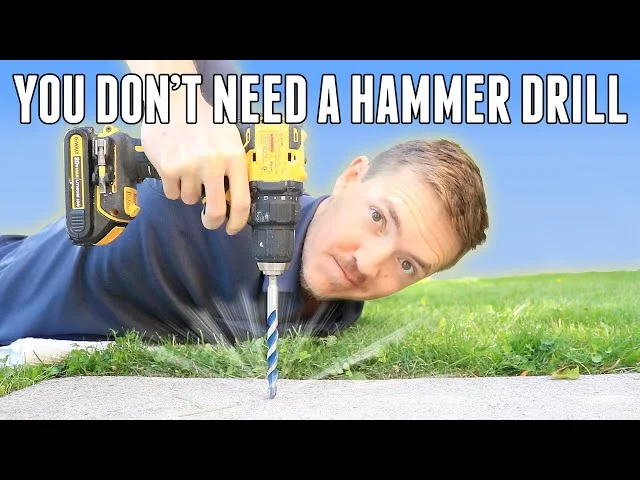
You’re not alone. Concrete is tough, and drilling into it can be frustrating if you don’t have the right equipment. That’s why many people wonder: do you really need a hammer drill for concrete? You’ll discover when a hammer drill is a game-changer, how it works, and whether your current drill can handle the job.
Keep reading, and you’ll learn exactly what you need to make your concrete drilling easier, faster, and safer.
Credit: www.youtube.com
Drilling Concrete Basics
Drilling into concrete requires the right tools and knowledge. Concrete is a tough material. Without proper technique, drilling can be slow and frustrating.
Understanding the basics helps you choose the right drill and bits. It also keeps the process safe and efficient. Let’s explore the key points about drilling concrete.
Types Of Drills
There are several types of drills for concrete. A regular drill can work but is slow. It lacks the power to drill quickly through hard concrete.
A hammer drill is more effective. It uses a hammering action to break the concrete. This makes drilling faster and easier. Rotary hammer drills are even stronger, best for heavy jobs.
Choose the drill based on your project size and concrete hardness.
Masonry Bits Importance
Masonry bits are special drill bits for concrete. They have a tough carbide tip. This tip cuts through concrete without breaking or dulling fast.
Using regular bits damages the drill and wastes time. Masonry bits come in many sizes. Pick the right size for your hole.
Sharp and durable bits make drilling smoother and safer.
Safety Precautions
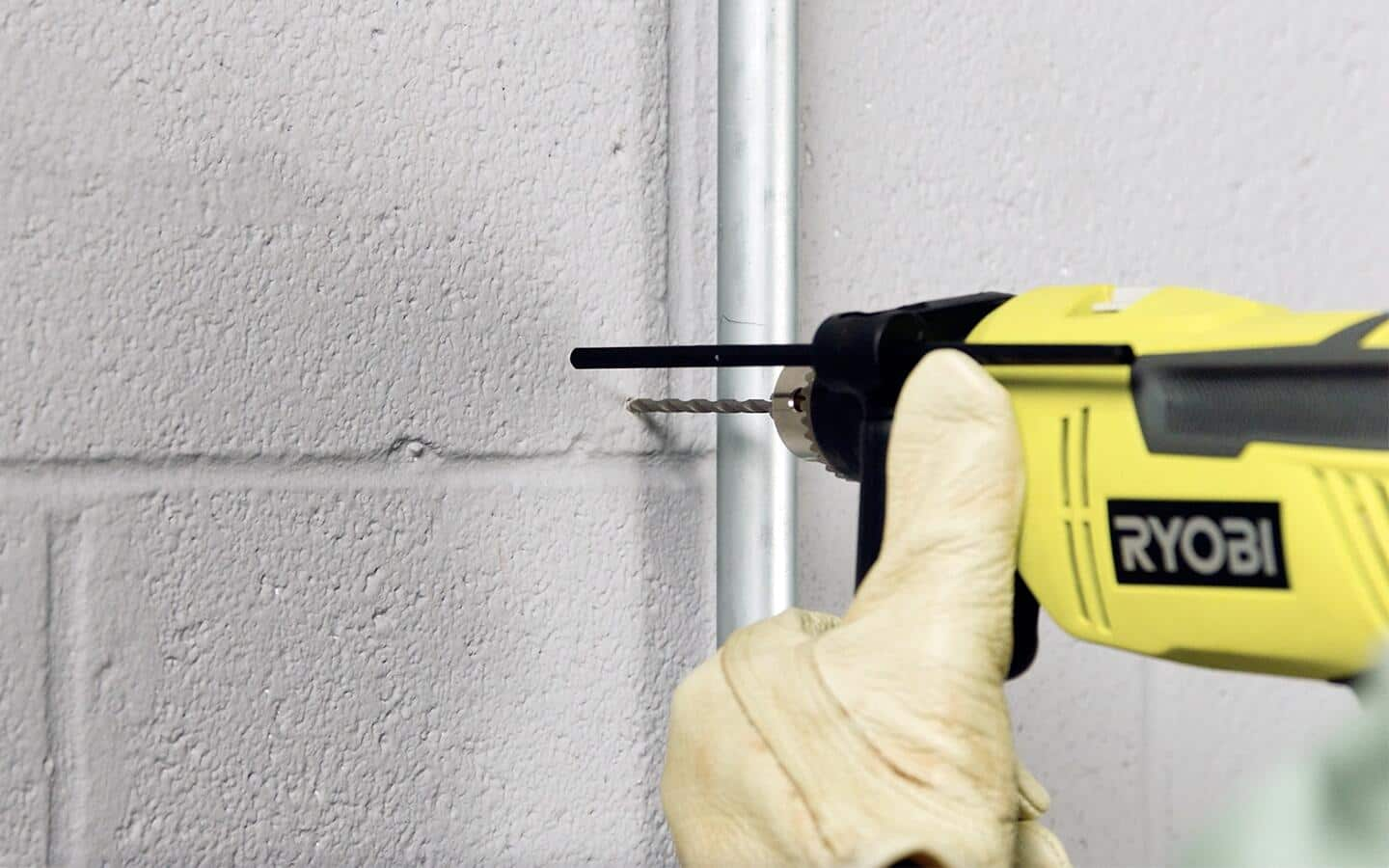
Drilling concrete creates dust and flying debris. Always wear safety glasses to protect your eyes. Gloves protect your hands from vibration and sharp edges.
Wear a dust mask to avoid breathing concrete dust. Use ear protection if your drill is loud. Secure the concrete piece before drilling to prevent slips.
Work slowly and carefully to avoid overheating the drill and bits.
Credit: www.homedepot.com
Regular Drill On Concrete
Using a regular drill on concrete is possible but not ideal. Concrete is a hard material that challenges ordinary drills. You can manage small tasks but expect slow progress. The right drill bits and settings improve results. Safety gear is essential for protection from dust and debris.
Suitability And Limitations
Regular drills work best on soft concrete or small holes. They lack the hammering action needed for tough surfaces. Drilling large holes or many holes is tiring and time-consuming. Bits may wear out faster without the right type. Overheating can damage the drill and bit. Regular drills suit occasional, light concrete work.
Best Drill Settings
Use low speed and high torque for concrete drilling. Slow speed prevents bit damage and overheating. High torque helps the drill push through hard material. Avoid using the hammer mode if your drill has one but is not a hammer drill. Steady pressure keeps the bit working without stalling. Regular breaks help the tool cool down.
Tips For Efficient Drilling
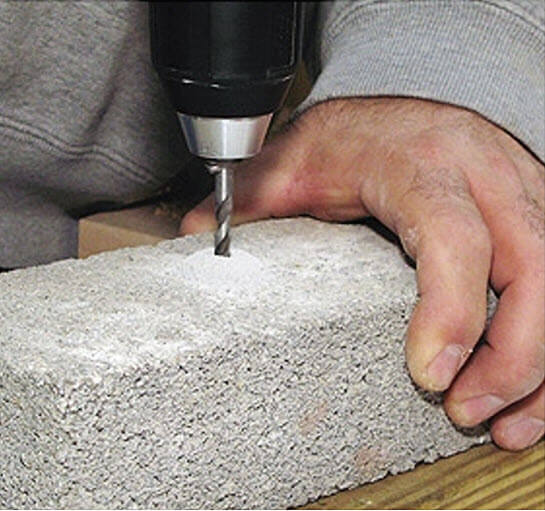
Choose a carbide-tipped masonry bit designed for concrete. Start with a small pilot hole to guide the larger bit. Remove the bit regularly to clear out dust and debris. Apply firm but controlled pressure on the drill. Use a little water to cool the bit and reduce dust. Wear safety goggles and gloves to protect yourself. Take your time for better results and longer tool life.
Hammer Drill Advantages
Hammer drills offer clear advantages for drilling into concrete. Their unique design combines rotary motion with a rapid hammering action. This combination helps break up tough concrete surfaces quickly and efficiently. Using a hammer drill reduces strain and improves precision.
These tools make concrete drilling less tiring. They save time and energy on projects of any size. Choosing a hammer drill can improve your overall drilling experience.
Hammering Action Benefits
The hammering action delivers quick, powerful bursts. This breaks concrete into small pieces while drilling. It prevents the bit from getting stuck. The drill can move forward smoothly with less pressure. This reduces wear on the drill bit and motor. Hammering action also helps create cleaner, more accurate holes.
Ideal Use Cases
Hammer drills work best for hard materials like concrete and brick. They suit tasks such as installing anchors, electrical boxes, and plumbing pipes. Large or deep holes need the extra power of a hammer drill. For soft materials like wood or drywall, a regular drill is enough. Hammer drills excel in construction, renovation, and heavy-duty home projects.
Speed And Effort Savings
Hammer drills drill faster than regular drills in concrete. The hammering motion speeds up breaking the surface. You use less force, which lowers fatigue during long jobs. Faster drilling means less time spent on each hole. This efficiency helps finish projects sooner and reduces frustration. Overall, hammer drills save effort and increase productivity.
Credit: toolstoday.com
When To Choose A Hammer Drill
Choosing the right tool for drilling concrete matters a lot. A hammer drill offers special power and speed for tough jobs. Knowing when to pick a hammer drill saves time and effort. It suits certain situations better than a regular drill.
Hard Concrete Scenarios
Concrete varies in hardness. Some types are very tough to drill. A hammer drill uses rapid hammering to break the surface. This makes drilling faster and less tiring. Hard concrete often needs this extra force to avoid tool damage.
Large Projects
Big projects mean many holes to drill. Using a standard drill for these takes too long. Hammer drills keep a steady pace and reduce fatigue. They handle continuous work better without overheating. This keeps your work smooth and efficient.
Frequent Drilling Needs
Drilling often wears down regular drills fast. Hammer drills are built for frequent use on concrete. They last longer and keep performance steady. This saves money and hassle over time. Choose a hammer drill if you drill concrete regularly.
Comparing Drill Types
Choosing the right drill for concrete work can make your project easier and faster. Different drill types offer various power and features. Understanding their differences helps you pick the best tool for your needs.
Hammer Drill Vs Regular Drill
A regular drill spins the bit to cut into materials. It works well on wood and metal but struggles with concrete. A hammer drill adds a pounding action. This hammering helps break the concrete while the bit spins. It makes drilling into concrete much quicker and less tiring.
Regular drills can drill into concrete but take more time. They may overheat and wear out the bits fast. Hammer drills handle concrete better and last longer on tough jobs.
Rotary Hammer Overview
A rotary hammer is a more powerful tool than a hammer drill. It uses a piston mechanism to deliver strong impacts. This makes it ideal for heavy-duty concrete work and large holes. Rotary hammers often have multiple modes for drilling, hammer drilling, and chiseling.
They are heavier and cost more but offer superior performance. For big projects or very hard concrete, a rotary hammer is the best choice.
Cost And Performance
Regular drills are the cheapest option but work slow on concrete. Hammer drills cost more but save time and effort. They are a good middle ground for most concrete tasks.
Rotary hammers come with the highest price tag. Their power and speed justify the cost for professionals or large jobs. For occasional home use, a hammer drill usually offers the best balance.
Maintenance And Safety Tips
Proper maintenance and safety are crucial when using a hammer drill for concrete. Caring for your tools and protecting yourself ensures better results and longer tool life. This section covers essential tips to keep your hammer drill in top shape and stay safe on the job.
Drill Bit Care
Use sharp masonry bits for concrete drilling. Dull bits make drilling hard and damage the drill. Clean bits after use to remove dust and debris. Store bits in a dry place to prevent rust. Replace worn or broken bits immediately to avoid accidents.
Overheating Prevention
Drilling concrete can heat up the bit and drill quickly. Take breaks to let tools cool down. Avoid pushing too hard; let the drill do the work. Use water occasionally to cool the drill bit. Overheating can cause damage and reduce tool life.
Protective Gear Essentials
Always wear safety glasses to protect eyes from flying debris. Use gloves to protect hands and improve grip. Wear ear protection to reduce noise from the hammer drill. A dust mask helps prevent inhaling concrete dust. Proper gear keeps you safe during every project.
Frequently Asked Questions
Can A Regular Drill Be Used To Drill Concrete?
A regular drill can drill concrete using a carbide-tipped masonry bit but works slowly and with more effort. For faster, easier drilling, use a hammer drill.
Should You Use A Hammer Drill For Concrete?
Use a hammer drill for concrete to drill faster and with less effort. It breaks up concrete efficiently. Regular drills work but are slower and strain the tool. Choose a hammer drill for hard or large concrete projects.
Can I Screw Straight Into Concrete?
You cannot screw directly into concrete without anchors. Use concrete screws or anchors after drilling pilot holes with a masonry bit.
Can A Cordless Drill Go Through Concrete?
A cordless drill can drill through concrete using a carbide-tipped masonry bit. Drilling is slower and less efficient than with a hammer drill. Applying steady pressure and low speed helps, but a hammer drill is better for harder concrete and larger jobs.
Can A Regular Drill Effectively Drill Into Concrete?
A regular drill can drill concrete but it is slow and requires a masonry bit.
What Makes A Hammer Drill Better For Concrete?
Hammer drills have a hammering action that breaks concrete, making drilling faster and easier.
Conclusion
Choosing the right drill depends on your project size and concrete hardness. A regular drill can work for small, light tasks but takes more time and effort. A hammer drill speeds up tough jobs with its hammering action. Using the proper drill bit and safety gear matters most.
Think about how often and how deep you need to drill. This helps you pick the best tool and finish your work smoothly.
nn