
Last Updated: March 20, 2026
When it comes to tackling your DIY projects, choosing the right tool can make all the difference. You might be wondering: should you reach for an electric screwdriver or grab a drill?Both tools look similar and sometimes seem to do the same jobs, but understanding their differences can save you time, effort, and frustration. You’ll discover exactly when an electric screwdriver fits your needs and when a drill is the smarter choice.By the end, you’ll feel confident picking the perfect tool for your next project—no more guessing or second-guessing. Ready to find out which one suits your work best? Let’s dive in.Tool Basics
Understanding the basics of electric screwdrivers and drills helps pick the right tool. Both tools serve different purposes but sometimes overlap in use. Knowing their features and characteristics simplifies decision-making.Electric Screwdriver Features
Electric screwdrivers are lightweight and compact. They focus on driving screws quickly and easily. Most have a fixed torque setting to prevent over-tightening screws. Their batteries last long for small jobs. They often use hex-shaped bits that fit securely. Electric screwdrivers run at lower speeds than drills. They are quiet and easy to handle. Ideal for assembling furniture or light repair work.Drill Characteristics
Drills are more powerful and versatile tools. They can drill holes and drive screws effectively. Their variable speed control adjusts power for different tasks. Drills use a chuck that accepts many bit types. They have higher torque to handle tough materials. Drills come in corded and cordless models. Heavier and larger than electric screwdrivers. Suitable for construction, woodworking, and metalwork projects.Power And Performance
Power and performance define the core differences between an electric screwdriver and a drill. Both tools serve specific roles but vary greatly in strength and efficiency. Understanding these differences helps choose the right tool for your project needs.Torque And Speed Comparison
Torque means the twisting force the tool provides. Drills offer higher torque than electric screwdrivers. This higher torque allows drills to drive larger screws and drill into harder materials easily. Electric screwdrivers provide lower torque, ideal for light fastening tasks.Speed also varies. Drills have adjustable speeds and often reach higher RPMs (rotations per minute). This helps with faster drilling and driving. Electric screwdrivers usually have a fixed, slower speed, which gives more control but less power.Material Compatibility
Drills handle a wider range of materials. Hard wood, metal, and plastic all respond well to a drill’s power and speed. They can also use different types of drill bits for various materials.Electric screwdrivers work best with soft materials like drywall, soft wood, and thin plastic. They struggle with dense materials and large screws. Their limited power means they are suited for small, simple tasks.Bit Types And Compatibility
Choosing between an electric screwdriver and a drill depends on the bits they use. Bits are the parts that touch the material, so compatibility matters. Each tool supports different bit types made for specific tasks. Understanding these differences helps select the right tool for your project.Screwdriver Bits
Screwdriver bits come in various shapes like Phillips, flathead, and Torx. They fit tightly into the screwdriver’s hex-shaped chuck. These bits are shorter and designed to drive screws efficiently. Most electric screwdrivers use 1/4 inch hex bits. This size fits well for quick screw changes. The bits are easy to swap and ideal for small to medium screws. Some screwdrivers have magnetic chucks to hold bits firmly in place.Drill Bits And Chucks
Drill bits come in many sizes and styles for different materials. They include twist bits, masonry bits, and spade bits. Drills use a three-jaw chuck that opens wide to hold round or hex shank bits. This chuck offers more versatility than screwdriver chucks. It can accept bits of various diameters, allowing for drilling holes of different sizes. Drill bits are longer and stronger to handle tougher materials. The standard chuck size is 3/8 inch or 1/2 inch, which fits most bits.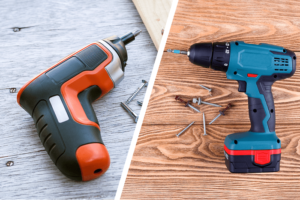 Credit: www.familyhandyman.com
Task Suitability
Choosing the right tool depends on the task you want to complete. Electric screwdrivers and drills serve different purposes. Knowing their best uses helps you work smarter and finish faster.Each tool fits certain jobs better. This section explains which tasks suit electric screwdrivers and which are ideal for drills.Best Uses For Electric Screwdrivers
Electric screwdrivers excel at driving screws into soft materials. They work well for assembling furniture or installing light fixtures. Their lightweight design makes them easy to control.These tools shine in small or delicate jobs. They prevent over-tightening screws, reducing damage to materials. Electric screwdrivers are perfect for tasks that need precision and care.Use them for repetitive screwdriving. Battery life lasts long enough for many screws at once. They work best with small to medium screws in wood, plastic, or drywall.Ideal Applications For Drills
Drills handle tougher jobs that need power and speed. They bore holes in wood, metal, or masonry. Their higher torque helps break through hard surfaces easily.Drills also drive screws but are better for larger or longer ones. They come with adjustable speed and torque settings. This makes them versatile for many construction tasks.Choose drills for heavy-duty work. Tasks like building decks, installing cabinets, or drilling pilot holes require a drill. Their ability to accept many bit types adds to their flexibility.Portability And Convenience
Portability and convenience are key factors in choosing between an electric screwdriver and a drill. These tools are designed for different tasks but must be easy to carry and use. Whether you work in tight spaces or on large projects, the size, weight, and battery life impact your efficiency and comfort.Size And Weight Considerations
Electric screwdrivers are usually smaller and lighter than drills. Their compact size fits well in small hands and tight areas. This makes them ideal for quick fixes or assembling furniture. Drills tend to be bulkier and heavier. They offer more power but can tire your arm during long use. Choosing the right tool depends on how much you move around and the job size.Battery Life And Charging
Battery life affects how long you can work without stopping. Electric screwdrivers often have smaller batteries. They run out faster but recharge quickly. Drills have larger batteries to support higher power needs. This means longer use but slower charging times. Some models offer removable batteries, letting you swap for a fresh one. Consider your work pace and breaks when picking a tool.Choosing The Right Tool
Choosing the right tool between an electric screwdriver and a drill depends on your specific needs. Both tools serve different purposes and excel in different tasks. Understanding their strengths helps you make the best choice for your project. Selecting the correct tool saves time, effort, and ensures better results.Assessing Your Project Needs
Consider the type of work you will do most often. Electric screwdrivers are perfect for driving screws quickly and easily. They work well for assembling furniture or small repairs. Drills handle a wider range of jobs. They can drill holes in wood, metal, or plastic. Drills also drive screws but with more power. If your tasks involve drilling and fastening, a drill offers more flexibility. For simple screw-driving jobs, an electric screwdriver is enough.Budget And Value Factors
Electric screwdrivers are usually less expensive than drills. They are lightweight and easy to use. This makes them ideal for casual DIYers or occasional users. Drills tend to cost more but offer greater power and versatility. Investing in a drill pays off if you work on many projects or tougher materials. Think about how often you will use the tool. Choose the one that gives the best value for your money.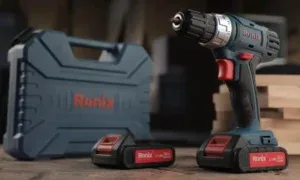 Credit: ronixtools.comFrequently Asked QuestionsCan An Electric Screwdriver Be Used As A Drill?Yes, an electric screwdriver can drill small holes in soft materials using hex-shaped bits. For tougher tasks, a drill offers more power, speed, and bit versatility.Should I Get A Drill Or Electric Screwdriver?Choose a drill for powerful, versatile hole drilling in hard materials. Pick an electric screwdriver for light screw driving and small pilot holes. Drills handle tougher tasks with higher torque and varied bits, while electric screwdrivers suit quick, easy fastening jobs.Is An Electric Screwdriver Worth It?An electric screwdriver is worth it for light-duty tasks and quick screw driving. It offers convenience but lacks power for heavy drilling. Choose it for small projects and easy handling.Can I Use An Electric Screwdriver To Drill Into A Wall?An electric screwdriver can drill small holes in soft materials like drywall or wood using hex-shaped bits. For tougher walls or larger holes, use a dedicated drill for better power, speed, and bit compatibility.What Is The Main Difference Between An Electric Screwdriver And A Drill?An electric screwdriver is mainly for driving screws, while a drill is for making holes and driving screws.Can An Electric Screwdriver Drill Holes Effectively?It can drill small holes in soft materials but lacks power for tough or large drilling tasks.
Conclusion
Choosing between an electric screwdriver and a drill depends on your needs. Electric screwdrivers work well for light tasks and driving screws quickly. Drills offer more power and handle tougher jobs like drilling into hard wood or metal. A drill fits many bit types, making it more versatile.For small holes or soft materials, a screwdriver can do the job. For heavy-duty work, a drill saves time and effort. Keep your projects simple by picking the right tool for each task. This way, you get good results without extra hassle.Related reading: Brushless vs Brushed Drill: Real Differences Explained.
{ “@context”: “https://schema.org”, “@type”: “Article”, “headline”: “Electric Screwdriver Vs Drill: Ultimate Guide to Choose Right Tool”, “description”: “Electric screwdriver vs drill explores their differences in design and function, with screwdrivers for fastening and drills for drilling holes in various…”, “url”: “https://www.powertoolstoday.com/electric-screwdriver-vs-drill/”, “datePublished”: “2025-11-10”, “dateModified”: “2026-03-19”, “author”: { “@type”: “Organization”, “name”: “Power Tools Today”, “url”: “https://www.powertoolstoday.com” }, “publisher”: { “@type”: “Organization”, “name”: “Power Tools Today”, “url”: “https://www.powertoolstoday.com” }, “mainEntityOfPage”: { “@type”: “WebPage”, “@id”: “https://www.powertoolstoday.com/electric-screwdriver-vs-drill/” }, “image”: { “@type”: “ImageObject”, “url”: “https://www.powertoolstoday.com/wp-content/uploads/2025/11/Electric-Screwdriver-Vs-Drill-1024×576.webp” } }{ “@context”: “https://schema.org”, “@type”: “Article”, “headline”: “Electric Screwdriver Vs Drill: Ultimate Guide to Choose Right Tool”, “description”: “Electric screwdriver vs drill explores their differences in design and function, with screwdrivers for fastening and drills for drilling holes in various…”, “url”: “https://www.powertoolstoday.com/electric-screwdriver-vs-drill/”, “datePublished”: “2025-11-10”, “dateModified”: “2026-03-19”, “author”: { “@type”: “Organization”, “name”: “Power Tools Today”, “url”: “https://www.powertoolstoday.com” }, “publisher”: { “@type”: “Organization”, “name”: “Power Tools Today”, “url”: “https://www.powertoolstoday.com” }, “mainEntityOfPage”: { “@type”: “WebPage”, “@id”: “https://www.powertoolstoday.com/electric-screwdriver-vs-drill/” }, “image”: { “@type”: “ImageObject”, “url”: “https://www.powertoolstoday.com/wp-content/uploads/2025/11/Electric-Screwdriver-Vs-Drill-1024×576.webp” } } nnRelated Articles
- Hammer Drill Vs Impact Driver: Ultimate Guide to Choose Right Tool
- How Does an Impact Driver Work: Ultimate Guide to Power and Precision
- What is a Rotary Hammer Used for: Ultimate Guide to Powerful Drilling
- Can You Use a Hammer Drill As a Regular Drill? Expert Insights