
Last Updated: March 20, 2026
When it comes to cutting tools, choosing the right one can make all the difference in your project’s success. You might be wondering: should you go for a Hackzall or a reciprocating saw?
Both tools have their strengths, but they serve very different purposes. If you want precision and ease in tight spaces, the Hackzall might be your best friend. On the other hand, if you need raw power to tackle tough materials like metal pipes or wood, a reciprocating saw could be exactly what you need.
You’ll discover the key differences, pros, and cons of each tool so you can pick the perfect one for your next job. Ready to find out which saw fits your work style and needs? Let’s dive in!
Tool Design And Size
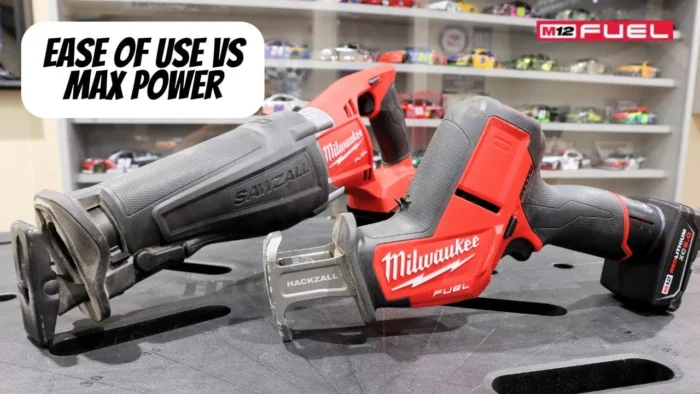
The design and size of cutting tools play a crucial role in their performance and usability. Both the Hackzall and the reciprocating saw serve different purposes based on their build. Understanding their design differences helps in choosing the right tool for your project. Size affects how easy the tool is to handle and the type of tasks it can perform.
Hackzall Compact Features
The Hackzall is known for its compact and lightweight design. It fits comfortably in one hand, allowing for easy control and precision. Its small size makes it ideal for tight spaces and detailed work. The tool is cordless, enhancing portability and ease of use in various locations. Despite its small frame, the Hackzall offers decent power for light to medium cutting tasks.
Reciprocating Saw Bulk And Build
The reciprocating saw is larger and heavier compared to the Hackzall. It often requires two hands for better control and stability. Its robust build supports more powerful motors for heavy-duty cutting. The larger size allows it to handle thick materials like wood, metal, and pipes with ease. This tool is designed for demolition and rough cutting tasks that need strength over finesse.
Credit: www.youtube.com
Power And Performance
Power and performance define how well a cutting tool handles tough jobs. Both the Hackzall and the reciprocating saw offer unique strengths. Understanding these differences helps choose the right tool for the task. Let’s examine their cutting strength and material compatibility closely.
Cutting Strength Comparison
The reciprocating saw delivers higher cutting power than the Hackzall. It uses a motor that moves the blade back and forth rapidly. This motion allows it to cut through thick and hard materials with ease. The Hackzall, designed for lighter tasks, has less power. It is ideal for small cuts and tight spaces but struggles with heavy-duty jobs.
The reciprocating saw can slice through wood, metal pipes, and even nails quickly. The Hackzall works best on thinner materials and smaller projects. For heavy demolition or construction work, the reciprocating saw is the stronger choice.
Material Compatibility
The reciprocating saw offers versatility across many materials. It can cut wood, metal, plastic, drywall, and more. Its interchangeable blades allow it to adapt to different surfaces. This makes it perfect for rough cuts or demolition tasks.
The Hackzall excels with lighter materials like thin metal sheets or small plastic pipes. It is not recommended for dense wood or thick metal. Its compact size makes it easier to use in tight spots, but it is less flexible than the reciprocating saw.
Choosing between them depends on the material and the job’s difficulty. The reciprocating saw handles a wide range of materials and tough conditions better than the Hackzall.
Blade Types And Versatility
The choice between a Hackzall and a reciprocating saw often depends on blade types and versatility. Blades are central to their cutting ability. Each tool offers different blade options tailored to tasks. Understanding these options helps match the tool to the job. Versatility in blade choice can expand a tool’s usability. This section breaks down blade options for both tools.
Hackzall Blade Options
Hackzalls use shorter, compact blades. These blades are ideal for tight spaces and one-handed use. They come in various types for cutting wood, metal, and plastic. Fine-toothed blades suit precision cuts on thin materials. Coarser blades handle faster cuts on wood and soft materials. The blade change system is simple and quick. This allows users to switch blades easily during work.
Although smaller, Hackzall blades are strong enough for light to medium tasks. They do not perform well on thick or very hard materials. Hackzall blades focus on control and maneuverability rather than power. The blade size and shape make them perfect for detailed or delicate cuts.
Reciprocating Saw Blade Variety
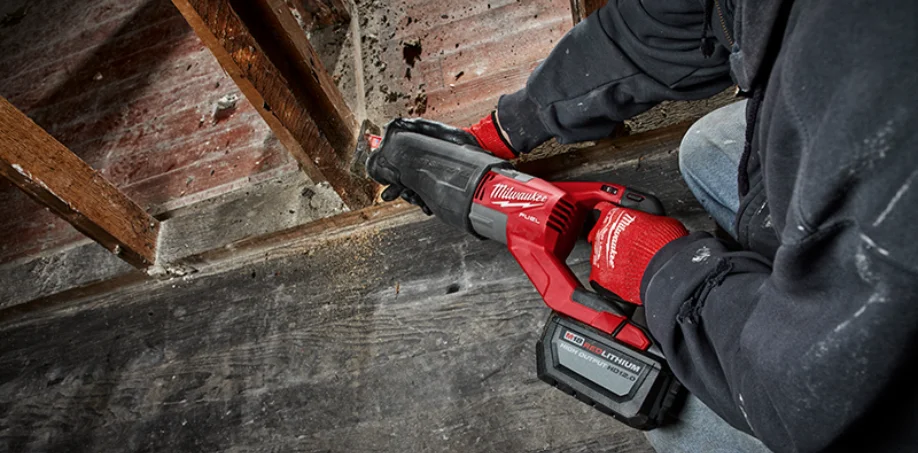
Reciprocating saws support a wide range of blade types. They use longer blades designed for heavy-duty cutting. Blades vary by tooth design, length, and material. This variety lets them cut wood, metal, drywall, and masonry. Some blades are specialized for demolition work or pruning trees.
Blade teeth can be fine, medium, or coarse to match material hardness. There are blades designed for fast, rough cuts or smooth, precise cuts. Reciprocating saw blades often have shanks for quick, tool-free changes. This increases efficiency on the job site.
The broad blade selection makes reciprocating saws highly versatile. They handle larger, tougher jobs than Hackzalls. Their blade options allow cutting through thick pipes, nails, and dense wood. This tool suits construction, remodeling, and demolition tasks.
Credit: www.midlandtool.com
Best Use Cases
Choosing between a Hackzall and a reciprocating saw depends on the task at hand. Each tool suits different types of cutting jobs. Understanding their best uses helps pick the right tool for efficiency and safety. Below are clear examples of when each tool performs best.
Light-duty Tasks For Hackzall
The Hackzall is perfect for light cutting tasks. Its compact size allows easy one-handed use. It works well on thin materials like small pipes and plastic. Ideal for quick fixes around the house or hobby projects. It cuts with precision and control. The Hackzall is excellent for tight spaces and delicate jobs. It handles small wood pieces and metal rods smoothly. This tool is great for tasks that need less power and more accuracy.
Heavy-duty Jobs For Reciprocating Saw
Reciprocating saws excel in heavy-duty cutting jobs. They cut through thick wood, metal pipes, and even concrete. These tools provide strong power for demolition and construction work. Their larger size fits well for rough cuts and fast work. The reciprocating saw is a solid choice for large projects. It manages tough materials that a Hackzall cannot handle. This saw is ideal for creating openings in walls or cutting large beams. It offers versatility with different blade types for many materials.
Ease Of Use And Maneuverability
Ease of use and maneuverability are key factors in choosing between a Hackzall and a reciprocating saw. Both tools offer unique handling experiences, affecting how you complete your tasks. Understanding their differences helps you work faster and with less effort.
One-handed Operation Benefits
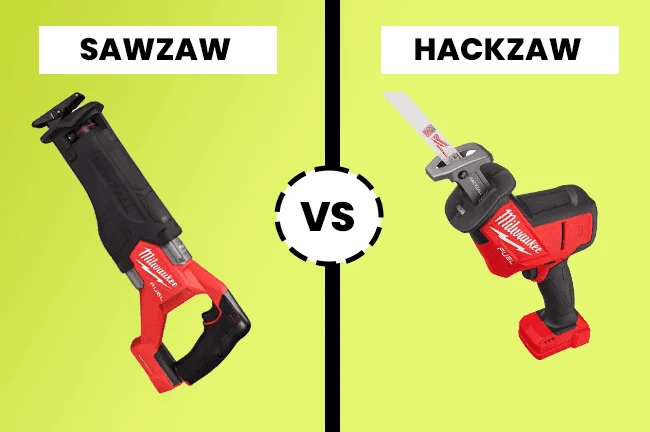
The Hackzall is designed for one-handed use. This makes it easy to carry and control in tight spaces. You can hold materials with your other hand, improving safety and precision. Its lightweight design reduces fatigue during long jobs. Ideal for quick cuts and small tasks, it fits well in your hand and feels balanced.
Handling Larger Tools
Reciprocating saws are often larger and require two hands. This provides better stability and power for heavy-duty cutting. They can handle thick wood, metal pipes, and demolition work with ease. The extra size may limit use in tight spots, but it helps control the tool during tough jobs. For bigger projects, the strength and grip of a reciprocating saw make it the preferred choice.
Credit: cbmtools.com
Safety And User Considerations
Safety and user considerations play a key role when choosing between a Hackzall and a reciprocating saw. Both tools have unique features and risks. Understanding how to use each safely helps prevent accidents and injuries. Users must consider their skill level, the work environment, and the tool’s power before starting any job.
Safety Tips For Hackzall
Always wear safety glasses to protect your eyes from debris. Keep a firm grip on the tool to avoid slips. Use the correct blade for the material being cut. Make sure the blade is sharp and properly installed. Work slowly and do not force the tool through tough materials. Keep your hands away from the blade path. Disconnect the battery or unplug the tool when changing blades or making adjustments. Use gloves to protect your hands from sharp edges and vibrations. Maintain a stable stance to control the tool better. Check the tool for damage before use.
Precautions With Reciprocating Saws
Wear ear protection to reduce noise exposure. Use a dust mask if cutting materials that create dust. Secure the workpiece firmly before cutting. Avoid loose clothing and jewelry that can get caught in the saw. Keep both hands on the saw during operation for better control. Always start the saw before contacting the material. Allow the blade to reach full speed before cutting. Be aware of the blade’s kickback potential. Inspect the blade regularly for cracks or wear. Turn off and unplug the saw before changing blades or performing maintenance.
Frequently Asked Questions
Is Hackzall Or Sawzall Better?
Sawzalls offer more power and suit heavy-duty cutting like thick metal and wood. Hackzalls are compact, ideal for lighter, precise tasks and tight spaces. Choose Sawzall for demolition and large jobs, Hackzall for maneuverability and small cuts.
What’s The Difference Between A Hacksaw And A Reciprocating Saw?
A hacksaw is a manual tool for precise cuts on metal or plastic. A reciprocating saw is electric, designed for fast, rough cuts on various materials. Reciprocating saws handle heavy-duty jobs, while hacksaws suit detailed, smaller tasks.
What Is A Hackzall Reciprocating Saw Used For?
A Hackzall reciprocating saw cuts wood, metal, and pipes in tight spaces. It excels in light demolition and one-handed tasks.
Can You Use A Hackzall To Cut Wood?
Yes, you can use a Hackzall to cut wood, but it suits light-duty, thin wood cutting tasks. It struggles with thicker wood.
What Is The Main Difference Between Hackzall And Reciprocating Saw?
Hackzalls are smaller, one-handed saws for light jobs; reciprocating saws are bigger and more powerful for heavy cutting.
Which Tool Is Better For Cutting Thick Metal Pipes?
Reciprocating saws handle thick metal pipes better due to their stronger motor and longer blades.
Conclusion
Choosing between a Hackzall and a reciprocating saw depends on your needs. Hackzalls work well for small, light tasks. They are easy to handle and fit tight spaces. Reciprocating saws suit bigger, tougher jobs like demolition. They cut through thick materials fast.
Both tools have unique strengths. Consider the job size and material before deciding. This way, you get the right tool for the task. Remember, using the proper saw saves time and effort.
{ “@context”: “https://schema.org”, “@type”: “Article”, “headline”: “Hackzall Vs Reciprocating Saw: Ultimate Power Tool Showdown”, “description”: “Hackzall vs reciprocating saw compares compact, one-handed cutting tools with larger, versatile saws used for demolition and heavy-duty tasks.”, “url”: “https://www.powertoolstoday.com/hackzall-vs-reciprocating-saw/”, “datePublished”: “2025-11-16”, “dateModified”: “2026-03-18”, “author”: { “@type”: “Organization”, “name”: “Power Tools Today”, “url”: “https://www.powertoolstoday.com” }, “publisher”: { “@type”: “Organization”, “name”: “Power Tools Today”, “url”: “https://www.powertoolstoday.com” }, “mainEntityOfPage”: { “@type”: “WebPage”, “@id”: “https://www.powertoolstoday.com/hackzall-vs-reciprocating-saw/” }, “image”: { “@type”: “ImageObject”, “url”: “https://www.powertoolstoday.com/wp-content/uploads/2025/11/Hackzall-Vs-Reciprocating-Saw-1024×576.webp” } }{ “@context”: “https://schema.org”, “@type”: “Article”, “headline”: “Hackzall Vs Reciprocating Saw: Ultimate Power Tool Showdown”, “description”: “Hackzall vs reciprocating saw compares compact, one-handed cutting tools with larger, versatile saws used for demolition and heavy-duty tasks.”, “url”: “https://www.powertoolstoday.com/hackzall-vs-reciprocating-saw/”, “datePublished”: “2025-11-16”, “dateModified”: “2026-03-19”, “author”: { “@type”: “Organization”, “name”: “Power Tools Today”, “url”: “https://www.powertoolstoday.com” }, “publisher”: { “@type”: “Organization”, “name”: “Power Tools Today”, “url”: “https://www.powertoolstoday.com” }, “mainEntityOfPage”: { “@type”: “WebPage”, “@id”: “https://www.powertoolstoday.com/hackzall-vs-reciprocating-saw/” }, “image”: { “@type”: “ImageObject”, “url”: “https://www.powertoolstoday.com/wp-content/uploads/2025/11/Hackzall-Vs-Reciprocating-Saw-1024×576.webp” } }nn