
Last Updated: March 21, 2026
If you’ve ever stared at your hammer drill and wondered, “Can this tool do the job of my regular drill?” you’re not alone. Many people buy a hammer drill for heavy-duty projects like drilling into concrete, but then ask if it can handle everyday tasks like drilling into wood or metal.
The good news? You can use a hammer drill as a regular drill—but only if you know how to switch it up and pick the right settings. You’ll discover exactly when and how to use your hammer drill for simple jobs without damaging your materials or tools.
Keep reading to unlock the full potential of your drill and avoid costly mistakes on your next project.
Differences Between Hammer And Regular Drills
Understanding the differences between hammer drills and regular drills helps in choosing the right tool. Both tools look similar but serve distinct purposes. Each drill type has unique features affecting its use and performance.
Design And Mechanism
Regular drills rotate a bit to drill holes in wood, plastic, and metal. Hammer drills combine rotation with a rapid hammering action. This hammering helps break tough materials like concrete and brick.
Functionality And Use
Regular drills work well for simple drilling and driving screws. Hammer drills work best on hard surfaces needing extra force. Turning off the hammer mode lets a hammer drill act like a regular drill.
Speed And Power
Regular drills usually have variable speed settings for precise control. Hammer drills tend to have more power and a stronger motor. This power helps in drilling through masonry and stone.
Weight And Comfort
Regular drills are lighter and easier to handle for long periods. Hammer drills are heavier due to their complex mechanism. Using a hammer drill as a regular drill can feel bulky and tiring.
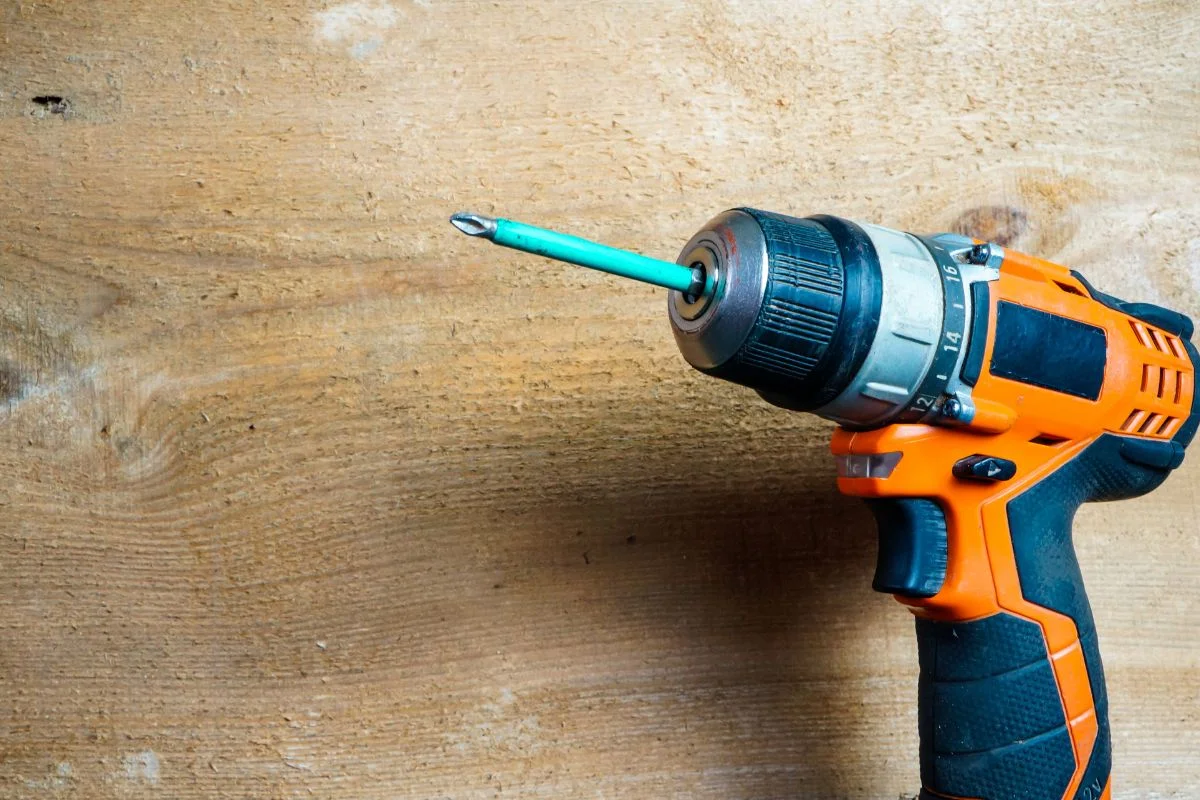
Credit: www.tigerfishtools.com
Using A Hammer Drill As A Standard Drill
A hammer drill is known for its ability to drill into hard materials like concrete. It has a special hammering action that helps break tough surfaces. But it can also work as a regular drill for softer materials. This makes it a versatile tool for many jobs.
To use a hammer drill as a standard drill, switch off the hammer mode. This stops the hammering action and lets the drill spin smoothly. Without the hammering, it works like a regular drill for wood, metal, and plastic.
How To Turn Off The Hammer Function
Most hammer drills have a switch or dial to control the hammer mode. Find this switch and set it to “drill only” or “rotation only.” This change stops the hammer action instantly. Now, the tool drills gently without pounding the material.
Benefits Of Using A Hammer Drill As A Regular Drill
Using a hammer drill without the hammer action offers several benefits. The tool is strong and powerful, so it can handle tougher jobs easily. It can also accept many types of drill bits. This makes it useful for many household and construction tasks.
Limitations To Consider
Hammer drills are usually heavier than regular drills. This can make them less comfortable for long jobs. The grip and balance may not be as good for detailed work. Also, the motor may be louder and use more power than a standard drill.
Best Materials To Drill Without Hammer Action
Use the hammer drill in standard mode on wood, metal, plastic, and drywall. These materials need smooth drilling without impact. Avoid using hammer mode on these surfaces to prevent damage or rough holes.
When To Avoid Hammer Mode
Using a hammer drill in hammer mode is not always the best choice. The hammer action adds a rapid pounding motion that helps drill into hard materials like concrete and brick. This pounding, though, can damage softer materials. Knowing when to avoid hammer mode can save your drill bits and workpieces from harm.
The hammer function is designed for tough surfaces. It can cause cracking or breaking in fragile materials. Using hammer mode incorrectly may also wear out the drill faster.
When Drilling Wood And Soft Materials
Hammer mode can split or crack wood and other soft materials. The pounding motion is too rough. Use regular drill mode for a clean, smooth hole. This keeps the wood intact and prevents damage.
When Working With Metal
Metal needs precise drilling without impact. Hammer mode can shatter thin metals or dull drill bits quickly. Use the drill in rotary mode only. This protects your tools and ensures a neat hole.
When Drilling Drywall
Drywall is fragile and can crumble easily. Hammer mode may cause over-chipping and unnecessary vibration. Drilling at moderate speed without hammer action works best. It keeps the hole neat and the wall intact.
When Inserting Screws
Hammer mode is not suitable for driving screws. The pounding can strip screw heads or break them. Use a regular drill or an impact driver for screws. This helps control speed and torque better.
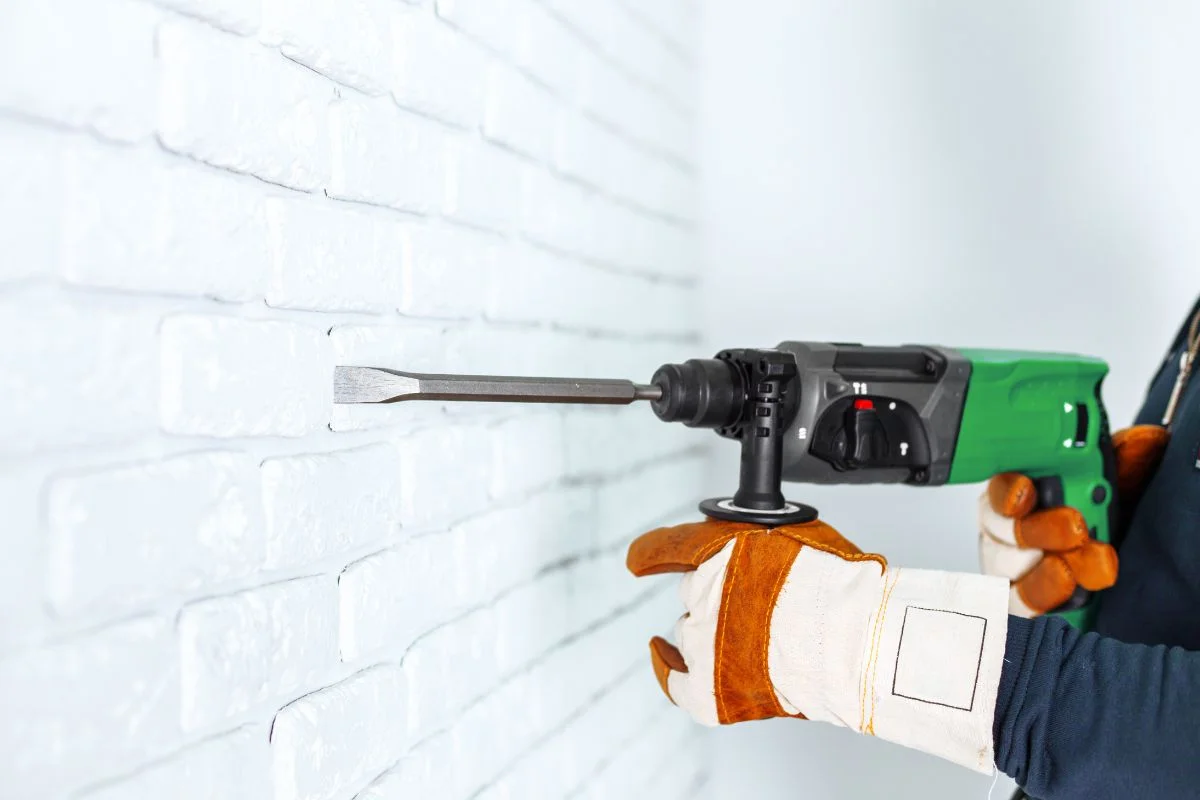
Credit: www.tigerfishtools.com
Choosing The Right Drill Bits
Choosing the right drill bits helps a hammer drill work like a regular drill. Use standard bits and switch off the hammer mode for wood or metal. This prevents damage and ensures clean holes in softer materials.
Understanding Drill Bit Types
Choosing the right drill bit is essential for effective drilling. Each drill bit suits a specific material and task. Using the wrong bit can damage both the bit and the surface.
For a hammer drill used as a regular drill, select bits made for the material. Wood bits have a pointed tip for clean holes. Metal bits are usually made of high-speed steel. Masonry bits have a carbide tip designed for concrete and brick.
Matching Bits To Material
Match the drill bit to the material you want to work on. Use wood bits for wood and soft materials. Use metal bits for steel, aluminum, or other metals. Masonry bits work best on brick, stone, or concrete.
Using a masonry bit on wood or metal can cause poor results. It may tear or chip the material. Using a wood bit on concrete will quickly dull the bit.
Checking Bit Size And Fit
Choose the correct drill bit size for your project. The bit should fit the drill chuck tightly. Loose bits can slip or wobble during use. This affects accuracy and can be dangerous.
Measure the hole size needed before picking the bit. For screws, choose a bit slightly smaller than the screw diameter. For holes, pick the exact size or slightly larger bit.
Limitations Of Hammer Drills For Screwdriving
Hammer drills are powerful tools designed mainly for drilling into hard materials like concrete and masonry. They use a hammering action combined with rotation to break through tough surfaces. This strength comes with certain limits, especially when it comes to screwdriving tasks.
Screwdriving needs precise control and steady torque. Hammer drills often lack these features, making them less ideal for inserting or removing screws. Understanding these limitations helps avoid damage to screws and materials.
Reduced Torque Control
Hammer drills usually have less precise torque settings compared to regular drills. This can cause screws to be driven too deep or stripped easily. Fine control is crucial for delicate screwdriving jobs.
Heavy Weight and Size
Hammer drills are bulkier and heavier. This makes them harder to handle in tight spaces or for extended periods. Regular drills are lighter, allowing better maneuverability during screwdriving.
Lack of Clutch Mechanism
Many hammer drills do not have a clutch. The clutch prevents over-driving screws by slipping when torque is too high. Without it, screws can be damaged or heads stripped.
Inappropriate Hammer Action
The hammering motion of these drills is unnecessary for screwdriving. It can cause screws to wobble or strip. Using hammer mode on screws risks damaging the material and the fastener.
Limited Bit Compatibility
Hammer drills are designed for drill bits, not screwdriver bits. Using screwdriver bits may lead to poor fit and reduced control. This affects the accuracy and effectiveness of screwdriving tasks.
Maintenance Tips For Dual-function Drills
Maintaining a dual-function drill ensures it works well for both hammering and regular drilling tasks. Proper care extends the tool’s life and keeps it running smoothly. Simple maintenance steps prevent costly repairs and poor performance.
Cleaning After Each Use
Remove dust and debris from the drill body and vents. Use a soft brush or compressed air to clean tight spaces. Keep the chuck free of dirt to avoid jamming. Wipe the drill with a dry cloth to prevent rust.
Checking The Drill Bits
Inspect drill bits regularly for wear and damage. Replace dull or bent bits to ensure clean holes. Use the right bit for the material to avoid extra strain on the drill. Store bits safely to prevent damage.
Lubricating Moving Parts
Apply lubricant to the chuck and other moving parts occasionally. This reduces friction and wear during use. Use manufacturer-recommended oil or grease. Avoid over-lubricating, which can attract dust.
Inspecting The Power Cord And Battery
Check the power cord for cuts or frays before every use. Replace damaged cords to avoid electrical hazards. For cordless drills, charge batteries fully and store them properly. Keep battery contacts clean to maintain good power flow.
Testing The Hammer Function
Switch between hammer and regular modes to test smooth operation. Listen for unusual noises that may indicate internal issues. Address problems early to prevent further damage. Follow the user manual for specific maintenance tips.
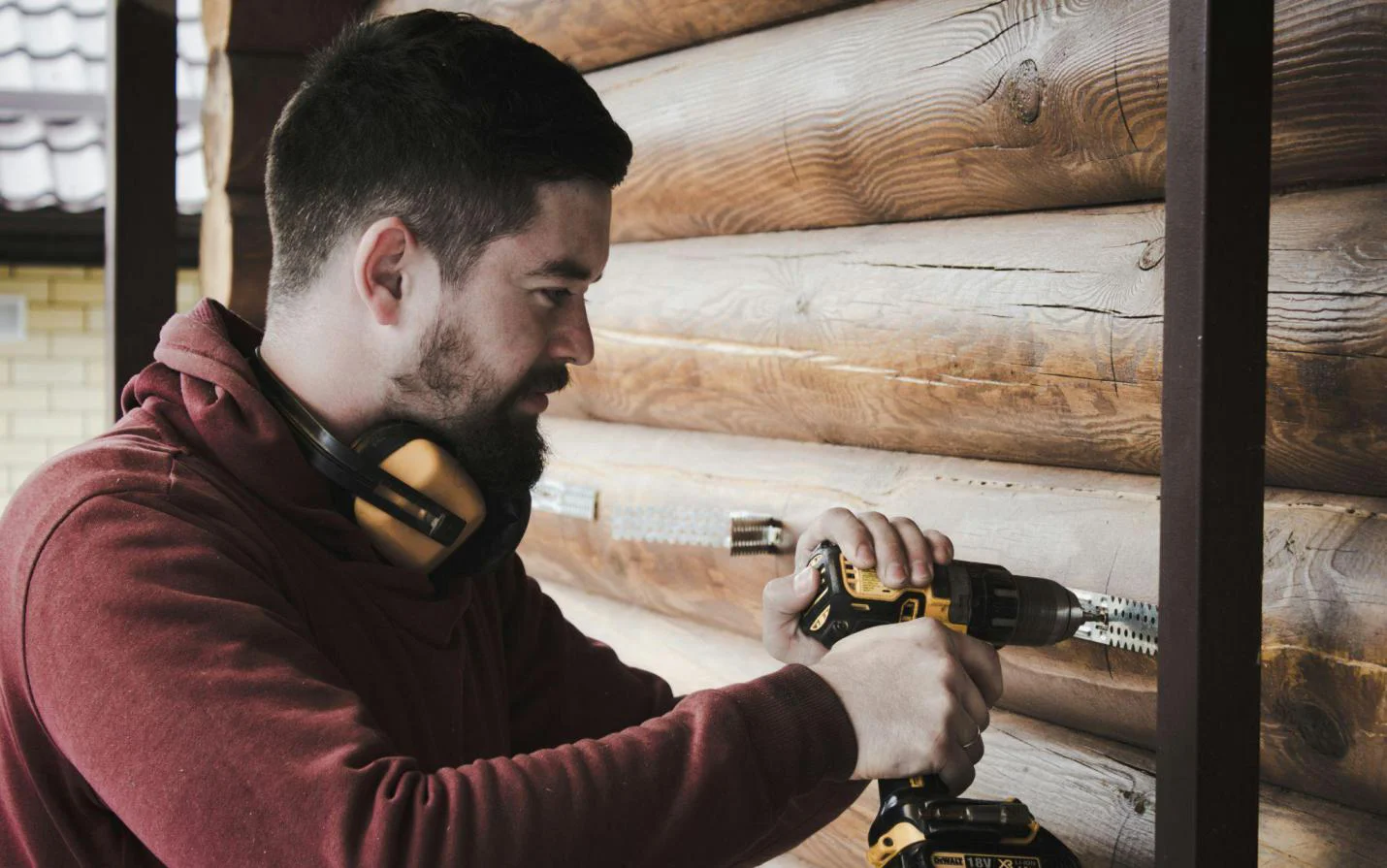
Credit: onevantool.com
Frequently Asked Questions
When Should You Not Use A Hammer Drill?
Avoid using a hammer drill on wood, plastic, glass, and metals. It can damage materials and dull bits. Use a regular drill instead.
Can You Use A Hammer Drill To Put In Screws?
You can use a hammer drill to put in screws by turning off the hammer function. Use the correct bit and low speed for best results.
Can I Use A Hammer Drill On Drywall?
Avoid using hammer mode on drywall to prevent damage. Use the drill in plain rotation with a proper bit and moderate to high speed.
Can I Use A Hammer Drill As An Impact Driver?
No, a hammer drill cannot replace an impact driver. Their striking mechanisms differ, making them unsuitable for the same tasks.
Can A Hammer Drill Replace A Regular Drill For All Tasks?
A hammer drill can work as a regular drill by turning off the hammer mode, suitable for most drilling tasks.
How Do You Switch A Hammer Drill To Regular Drill Mode?
Most hammer drills have a switch or dial to turn off the hammer action and use only rotation.
Conclusion
A hammer drill can work as a regular drill by switching off its hammer mode. It handles wood, metal, and drywall well with the right bit. Using it this way helps avoid damage to soft materials. Remember to choose the correct drill speed and bit type.
This tool offers versatility but requires careful settings. Always match the drill to your project needs. That way, you get the best results without extra wear.
nn
Related Articles
- Hammer Drill Vs Impact Driver: Ultimate Guide to Choose Right Tool
- Electric Screwdriver Vs Drill: Ultimate Guide to Choose Right Tool
- How Does an Impact Driver Work: Ultimate Guide to Power and Precision
- What is a Rotary Hammer Used for: Ultimate Guide to Powerful Drilling
nn
