
Last Updated: March 20, 2026
If you’ve ever watched a demolition hammer in action, you know it’s a powerful tool that can break through concrete, brick, and other tough materials with ease. But have you ever wondered exactly how this tool works?
Understanding the mechanics behind a demolition hammer can help you use it more effectively and safely on your projects. You’ll discover how the tool’s internal parts work together to deliver rapid, forceful blows that make demolition tasks faster and less tiring.
Whether you’re a DIY enthusiast or a professional, knowing how your demolition hammer operates will give you the confidence to tackle even the toughest jobs. Keep reading to unlock the secrets behind this impressive tool!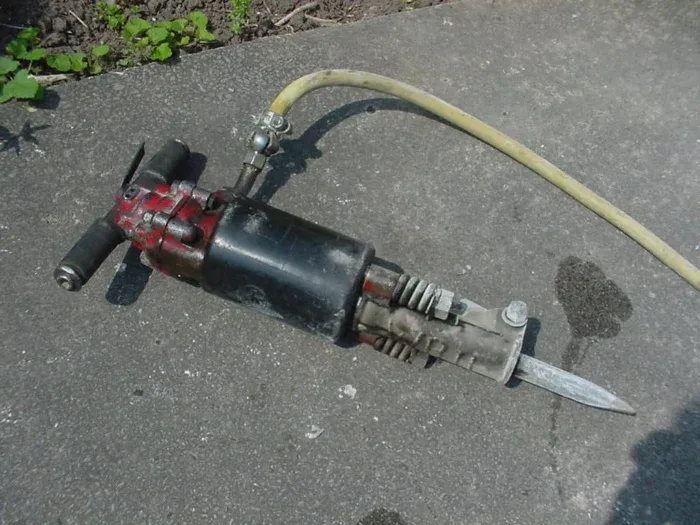
Credit: en.wikipedia.org
Demolition Hammer Basics
A demolition hammer is a powerful tool used to break hard materials. It works by delivering strong, fast hammering motions. This helps tear through concrete, bricks, and other tough surfaces.
The tool does not rotate or drill. Instead, it hits repeatedly with great force. This action makes demolition hammers ideal for heavy demolition tasks.
What Is A Demolition Hammer?
A demolition hammer is a handheld machine. It uses a motor to drive a piston inside. The piston strikes a tool bit fast and hard. This creates a pounding action that breaks materials apart.
It is larger and heavier than a regular hammer drill. It is designed to handle big jobs that need more power.
How Does It Work?
The motor powers the piston to move up and down rapidly. When the piston hits the tool bit, it sends a strong impact. The bit transfers this force to the surface below. This impact breaks the material into pieces.
The hammering motion is fast and repeated many times per second. This rapid pounding is much stronger than manual hammering.
Main Parts Of A Demolition Hammer
Key parts include the motor, piston, tool bit, and handles. The motor drives the piston’s movement. The piston strikes the tool bit. The handles help the user control the tool safely.
Some models have vibration control features. These reduce user fatigue during long jobs.
Power Sources Explained
Demolition hammers rely on strong power sources to deliver high-impact blows. These tools break concrete, tile, and other hard materials with ease. Understanding the different power sources helps you choose the right hammer for your needs. Power sources affect the tool’s weight, mobility, and power output. The two common types are electric and pneumatic models.
Electric Models
Electric demolition hammers run on electricity. They plug into a standard power outlet or use batteries for cordless options. These models are easy to use and maintain. They offer consistent power and are quieter than pneumatic hammers. Electric hammers suit indoor jobs and smaller projects. Lightweight designs make them easy to handle for long periods. They produce less vibration, reducing user fatigue. However, they need a power source nearby to operate.
Pneumatic Models
Pneumatic demolition hammers use compressed air as their power source. They connect to air compressors that supply high-pressure air. These models deliver strong, rapid impacts ideal for heavy-duty work. Pneumatic hammers are common on construction sites and outdoor jobs. They handle tough materials like thick concrete and rock. These hammers are usually heavier and louder than electric ones. Operators need proper air compressor equipment and safety gear. Pneumatic models offer great power but less portability.
Internal Mechanism
The internal mechanism of a demolition hammer powers its strong impact. It converts electrical or pneumatic energy into fast, forceful hammer strikes. This mechanism is built to deliver high energy to break tough materials like concrete, bricks, and asphalt. Understanding this system helps to grasp how demolition hammers work efficiently and reliably.
Piston Action
The piston is the core moving part inside the hammer. It moves back and forth in a cylinder. When powered, the piston gains speed and force. This motion creates pressure that drives the hammer’s tool bit forward. The piston’s quick movement produces powerful impacts. It pushes the bit into the surface with great strength. This action helps break up hard materials quickly.
Hammering Cycle
The hammering cycle includes a series of repeated steps. First, the piston moves backward, creating space for air or fluid. Then, it moves forward rapidly, striking the tool bit. This impact transfers energy to the material below. After the strike, the piston returns to repeat the process. This cycle happens many times per second. The fast repetition causes continuous hammer blows. It ensures fast and effective demolition work.
Impact And Material Breakdown
The impact and material breakdown are key to a demolition hammer’s efficiency. This tool focuses on delivering strong, precise blows. These impacts cause materials to break apart quickly. Understanding how this process works helps explain why demolition hammers are effective for tough jobs.
Force Delivery
The demolition hammer uses a powerful piston inside the tool. This piston moves back and forth rapidly. Each movement strikes the chisel or bit with great force. The force is concentrated on a small area. This focused energy allows the hammer to break hard materials. The rapid strikes prevent the tool from overheating. The motor powers the piston’s repeated motion without stopping.
Material Fracturing
When the hammer hits the material, it creates cracks. The sudden impact causes stress within the material’s surface. These stresses cause the material to fracture and split. The fractures grow with each strike until the material breaks apart. This process works on concrete, brick, stone, and other hard surfaces. The hammer’s design allows it to break materials without rotating or drilling. This makes it ideal for demolition tasks that need speed and precision.
Demolition Hammer Vs Jackhammer
Demolition hammers and jackhammers are powerful tools used for breaking hard surfaces. Both deliver strong impacts to crack concrete, asphalt, and other materials. Despite their similarities, these tools serve different purposes based on their design and power. Understanding their differences helps choose the right tool for the job.
Application Differences
Demolition hammers work best on smaller, precise jobs. They break tiles, bricks, and thin concrete layers. These tools provide control for detailed work. Jackhammers suit large, heavy-duty tasks. They break thick concrete slabs, pavement, and road surfaces. Jackhammers use more force and are heavier. Their vertical impact breaks tough materials faster.
Tool Versatility
Demolition hammers are versatile for indoor and outdoor use. They often come with different chisel attachments. This allows various tasks like chiseling, breaking, and light demolition. Jackhammers focus mainly on demolition and heavy breaking. Some models have interchangeable bits but offer less precision. Demolition hammers fit better for jobs needing control and flexibility.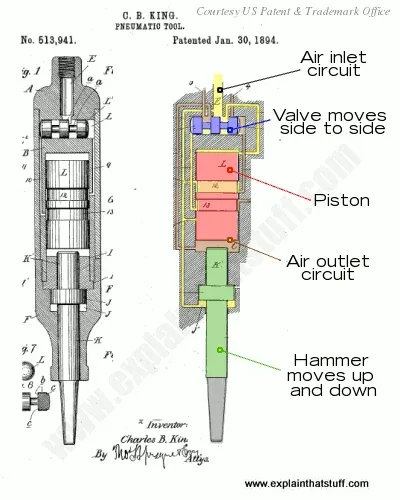
Credit: www.explainthatstuff.com
Troubleshooting Common Issues
Troubles with a demolition hammer can slow down your work. Simple fixes often solve these problems. Knowing what to check saves time and effort. Below are common issues and tips to keep your tool running smoothly.
Retaining Ring Problems
The retaining ring holds parts inside the hammer. If it breaks, the hammer may stop working. You might notice weaker hits or no hammering at all. Check the ring for cracks or wear regularly. Replace it if damaged to avoid more problems. Proper installation of the retaining ring ensures smooth hammer operation.
Performance Tips
Keep the hammer clean from dust and debris. Lubricate moving parts with the right oil as per the manual. Use correct bits for the material you work on. Avoid overloading the tool to prevent motor strain. Let the hammer rest if it gets too hot. These steps help maintain strong, consistent performance.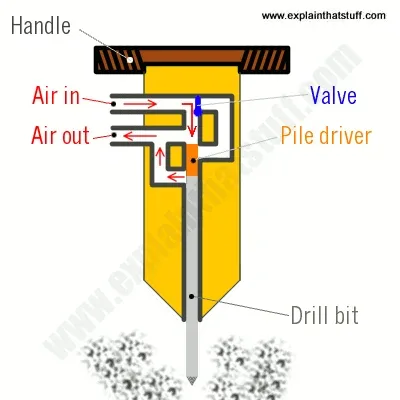
Credit: www.explainthatstuff.com
Conclusion
A demolition hammer breaks hard materials with strong, fast blows. It uses a piston to deliver quick impacts without spinning. This tool saves time and effort on tough jobs. Knowing how it works helps choose the right tool for your project.
Keep safety in mind while using it. Now, you understand why demolition hammers are essential for heavy-duty tasks.
Frequently Asked Questions
A demolition hammer uses electricity or compressed air to drive a chisel bit up and down rapidly. This high-impact, straight-line hammering breaks tough materials like concrete and brick efficiently.
A jackhammer is larger, designed for heavy vertical breaking like concrete slabs. A demolition hammer is smaller, ideal for precise horizontal tasks such as tile removal. Both use rapid hammering but differ in size, power, and typical applications.
Demolition Hammer blends thrash and death metal, often called “brutal deathrash. ” It fuses aggressive thrash riffs with death metal intensity.
A demolition hammer may not hammer if the retaining ring is broken or internal parts are stuck. Check and clean the piston, striker, and barrel.
A demolition hammer breaks hard materials like concrete, bricks, and tiles quickly.
It uses a piston to deliver fast, strong hammering blows without rotation.
Related reading: How to Use a Demolition Hammer to Remove Tile.
Related reading: How to Mix Concrete in a Bucket Without a Mixer.
{ “@context”: “https://schema.org”, “@type”: “Article”, “headline”: “How Demolition Hammer Works: Ultimate Guide to Power and Precision”, “description”: “Learn how demolition hammer works by delivering powerful, rapid hammering to break concrete and hard materials efficiently in construction and renovation tasks.”, “url”: “https://www.powertoolstoday.com/how-demolition-hammer-works/”, “datePublished”: “2025-11-09”, “dateModified”: “2026-03-18”, “author”: { “@type”: “Organization”, “name”: “Power Tools Today”, “url”: “https://www.powertoolstoday.com” }, “publisher”: { “@type”: “Organization”, “name”: “Power Tools Today”, “url”: “https://www.powertoolstoday.com” }, “mainEntityOfPage”: { “@type”: “WebPage”, “@id”: “https://www.powertoolstoday.com/how-demolition-hammer-works/” }, “image”: { “@type”: “ImageObject”, “url”: “https://www.powertoolstoday.com/wp-content/uploads/2025/11/How-Demolition-Hammer-Works-Ultimate-Guide-to-Power-and-Precision-1024×576.webp” } }nn