
Last Updated: March 30, 2026
How Do You Measure The Length Of A Band Saw Blade?
Measure the entire blade by laying it flat and using a tape measure from end to end.
What Is The Correct Way To Measure Blade Width?
Measure the blade’s width across its flat, widest part with a ruler or caliper.
Conclusion
Measuring band saw blades is simple with the right steps. Start by checking the blade length around the wheels. Measure the blade width across its teeth carefully. Count the teeth per inch (TPI) for precise cutting needs. Knowing these measurements helps you pick the correct blade.
Always double-check your numbers before buying or replacing. Proper measurement improves your cutting accuracy and blade life. Keep your band saw running smoothly with the right blade size. Small details make a big difference in your work.
What Does A 10 Inch Bandsaw Mean?
A 10 inch bandsaw refers to the diameter of its wheels. It determines the maximum blade length and cutting capacity.
What Is The 4 Inch Rule For Bandsaw?
The 4 inch rule for bandsaws means keeping at least 4 inches of blade between the guide and the wheel. This ensures blade stability and reduces vibration during cutting.
How Do You Measure The Length Of A Band Saw Blade?
Measure the entire blade by laying it flat and using a tape measure from end to end.
What Is The Correct Way To Measure Blade Width?
Measure the blade’s width across its flat, widest part with a ruler or caliper.
Conclusion
Measuring band saw blades is simple with the right steps. Start by checking the blade length around the wheels. Measure the blade width across its teeth carefully. Count the teeth per inch (TPI) for precise cutting needs. Knowing these measurements helps you pick the correct blade.
Always double-check your numbers before buying or replacing. Proper measurement improves your cutting accuracy and blade life. Keep your band saw running smoothly with the right blade size. Small details make a big difference in your work.
How Are Bandsaws Measured?
Bandsaws are measured by wheel diameter and throat depth, which is the distance from blade to frame. Blade length, width, and teeth per inch (TPI) also define blade size. Throat depth limits maximum workpiece width, while cutting depth indicates the maximum material thickness the saw can handle.
What Does A 10 Inch Bandsaw Mean?
A 10 inch bandsaw refers to the diameter of its wheels. It determines the maximum blade length and cutting capacity.
What Is The 4 Inch Rule For Bandsaw?
The 4 inch rule for bandsaws means keeping at least 4 inches of blade between the guide and the wheel. This ensures blade stability and reduces vibration during cutting.
How Do You Measure The Length Of A Band Saw Blade?
Measure the entire blade by laying it flat and using a tape measure from end to end.
What Is The Correct Way To Measure Blade Width?
Measure the blade’s width across its flat, widest part with a ruler or caliper.
Conclusion
Measuring band saw blades is simple with the right steps. Start by checking the blade length around the wheels. Measure the blade width across its teeth carefully. Count the teeth per inch (TPI) for precise cutting needs. Knowing these measurements helps you pick the correct blade.
Always double-check your numbers before buying or replacing. Proper measurement improves your cutting accuracy and blade life. Keep your band saw running smoothly with the right blade size. Small details make a big difference in your work.
How Do I Know The Size Of My Bandsaw Blade?
Measure your bandsaw blade by laying it flat and using a tape measure to find its total length. Measure width from tooth tip to back. Count teeth in one inch for TPI (teeth per inch). Use these three measurements to identify your blade size accurately.
How Are Bandsaws Measured?
Bandsaws are measured by wheel diameter and throat depth, which is the distance from blade to frame. Blade length, width, and teeth per inch (TPI) also define blade size. Throat depth limits maximum workpiece width, while cutting depth indicates the maximum material thickness the saw can handle.
What Does A 10 Inch Bandsaw Mean?
A 10 inch bandsaw refers to the diameter of its wheels. It determines the maximum blade length and cutting capacity.
What Is The 4 Inch Rule For Bandsaw?
The 4 inch rule for bandsaws means keeping at least 4 inches of blade between the guide and the wheel. This ensures blade stability and reduces vibration during cutting.
How Do You Measure The Length Of A Band Saw Blade?
Measure the entire blade by laying it flat and using a tape measure from end to end.
What Is The Correct Way To Measure Blade Width?
Measure the blade’s width across its flat, widest part with a ruler or caliper.
Conclusion
Measuring band saw blades is simple with the right steps. Start by checking the blade length around the wheels. Measure the blade width across its teeth carefully. Count the teeth per inch (TPI) for precise cutting needs. Knowing these measurements helps you pick the correct blade.
Always double-check your numbers before buying or replacing. Proper measurement improves your cutting accuracy and blade life. Keep your band saw running smoothly with the right blade size. Small details make a big difference in your work.
If you’ve ever struggled to find the right replacement band saw blade, you know how confusing the measurements can be. Knowing exactly how to measure your band saw blades is key to getting a perfect fit and smooth cuts every time.
But how do you measure the length, width, and teeth per inch (TPI) of a band saw blade without guesswork? In this guide, you’ll discover simple, step-by-step methods to measure your blades accurately—saving you time, money, and frustration. Keep reading, and you’ll never have to worry about ordering the wrong blade again.
Blade Length Measurement
Measuring the length of a band saw blade is essential for proper fit and performance. The blade length ensures it matches the saw’s wheel size and frame. Accurate measurement prevents blade slippage and uneven cuts. Two simple methods help determine the blade length quickly and reliably.
Using Tape Measure Technique
Lay the band saw blade flat on a clean surface. Stretch it out straight without bending or twisting. Use a tape measure to measure from one end to the other. Record the total length in inches or centimeters. This method works best for blades that are not joined or folded.
Make sure the tape measure stays close to the blade edge. Avoid gaps between the tape and blade to get an exact reading. Repeat the measurement twice for accuracy. This technique is simple and requires only a tape measure.
Measuring Folded Blade Circumference
Fold the band saw blade into a loop, joining the ends together. The blade forms a circle or oval shape. Measure the outside edge of the folded loop with a tape measure. This circumference gives the blade’s total length.
Keep the blade loop flat on a table for an accurate measure. Avoid stretching the blade while measuring the circumference. This method is useful when the blade is already joined or hard to stretch out flat. It saves time and effort.
Determining Blade Width
Determining the correct blade width is essential for efficient cutting and blade longevity. The blade width affects the saw’s ability to handle different materials and types of cuts. Choosing the right width ensures smooth operation and reduces wear on the blade and machine.
Measuring Tooth Tip To Back
To measure blade width, place the blade on a flat surface. Use a ruler or caliper to measure from the outer tooth tip to the back edge. Measure straight across for an accurate width. This measurement helps identify the blade size for replacement or purchase.
Choosing Width For Material Type
Thin blades suit tight curves and detailed cuts. They are best for softwoods and thin materials. Wider blades provide stability for straight cuts and harder materials. Choose the blade width based on the material’s hardness and cut style. Matching blade width to material improves cut quality and blade life.
Counting Teeth Per Inch (tpi)
Counting Teeth Per Inch (TPI) is a key step in measuring band saw blades. It tells you how many teeth the blade has in one inch of length. This number affects the blade’s cutting speed and the smoothness of the cut. Choosing the right TPI is important for cutting different materials and thicknesses. To measure TPI, you need to count the teeth carefully and understand the blade’s structure.
Identifying Gullet Spaces
Gullet spaces are the gaps between the teeth on a band saw blade. These spaces carry away sawdust during cutting. They are larger on blades with fewer teeth per inch. Identifying gullet spaces helps you see where each tooth ends and the next begins. Look closely at the blade under good light. Notice the curved spaces between teeth. These are the gullet spaces. Understanding these gaps makes counting teeth easier and more accurate.
Counting Teeth Accurately
To count teeth accurately, use a ruler or tape measure. Place it along the blade’s edge. Count all teeth in one inch length. Start at a tooth’s tip and end at the same point one inch away. Count only the teeth that are fully inside the measured inch. Avoid guessing or skipping teeth. Count slowly and carefully for best results. Repeat the count a few times to confirm your number. This gives you the exact TPI of your band saw blade.
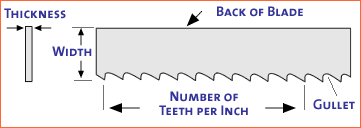
Credit: ellissaw.com
Bandsaw Machine Size Factors
Understanding the size factors of a bandsaw machine helps in measuring the correct blade. Bandsaw machines vary by dimensions that affect blade length and fit. Two main size factors are wheel diameter and throat depth. These determine the blade size and cutting capacity. Knowing these helps pick the proper blade for your saw.
Wheel Diameter Impact
The wheel diameter sets the minimum blade length needed. Larger wheels require longer blades to wrap around them. Small wheels need shorter blades to fit tightly without slack. The blade must loop smoothly around the wheels without slipping off. Measuring the wheel diameter gives a base for calculating blade length. It also affects blade tension and cutting performance.
Throat Depth Importance
Throat depth measures the distance from the blade to the saw frame. This size limits the maximum width of material you can cut. A deeper throat allows bigger workpieces and wider cuts. Shallow throats restrict cutting capacity to smaller items. Knowing throat depth helps choose a blade that matches the machine’s cutting range. It ensures the blade can handle the size of your projects safely.
Cutting Depth And Resaw Capacity
Cutting depth and resaw capacity are key measurements for band saw blades. They define how thick and tall a material the blade can cut through. Knowing these limits helps you choose the right blade and avoid damage.
These measurements depend on the saw’s setup and the blade size. Accurate measuring ensures you get the best performance and safety from your band saw. Below are simple ways to measure cutting depth and resaw capacity.
Measuring From Table To Blade Guide
Start by lowering the blade guide to the table surface. Use a ruler or tape to measure the distance from the table to the blade guide. This distance shows the maximum height of material the saw can cut. It is the cutting depth.
Ensure the blade is installed correctly for an accurate reading. Measure at the center of the blade for best results. This measurement helps you pick materials within the saw’s limit.
Material Thickness Limits
Material thickness limits relate to resaw capacity. This is the maximum thickness of wood or other material the band saw can cut vertically. It depends on the cutting depth and the blade’s strength.
Check the saw’s manual for the exact resaw capacity. Avoid pushing material thicker than this limit. Doing so can cause blade damage or poor cut quality. Choose a blade and saw setting suited for your material thickness.
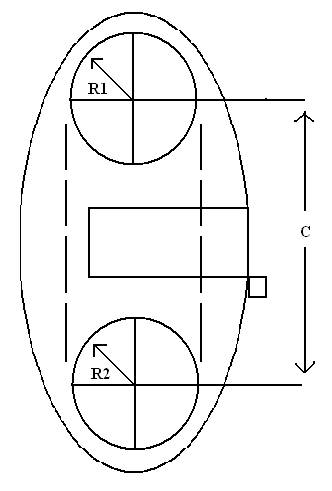
Credit: dev.detroitbandsaw.com
Tips For Safe Blade Measurement
Measuring a band saw blade accurately is important for optimal performance. Safety is key during this process. Follow simple tips to avoid injury and get precise results.
Handling Blades Carefully
Band saw blades have sharp teeth that can cut skin easily. Always wear thick gloves before touching the blade. Hold the blade by its back edge, away from the teeth. Avoid bending or twisting the blade too much. Keep the blade on a flat surface when measuring. Store blades in a safe place to prevent accidents.
Using Proper Tools
Use a flexible measuring tape or cloth tape for length measurement. Avoid rigid rulers that can slip or damage the blade. A caliper or micrometer helps measure blade width precisely. Use a magnifying glass to count teeth per inch (TPI) clearly. Ensure all tools are clean and free from rust for accurate readings.

Credit: bandsawblog.com
Frequently Asked Questions
How Do I Know The Size Of My Bandsaw Blade?
Measure your bandsaw blade by laying it flat and using a tape measure to find its total length. Measure width from tooth tip to back. Count teeth in one inch for TPI (teeth per inch). Use these three measurements to identify your blade size accurately.
How Are Bandsaws Measured?
Bandsaws are measured by wheel diameter and throat depth, which is the distance from blade to frame. Blade length, width, and teeth per inch (TPI) also define blade size. Throat depth limits maximum workpiece width, while cutting depth indicates the maximum material thickness the saw can handle.
What Does A 10 Inch Bandsaw Mean?
A 10 inch bandsaw refers to the diameter of its wheels. It determines the maximum blade length and cutting capacity.
What Is The 4 Inch Rule For Bandsaw?
The 4 inch rule for bandsaws means keeping at least 4 inches of blade between the guide and the wheel. This ensures blade stability and reduces vibration during cutting.
How Do You Measure The Length Of A Band Saw Blade?
Measure the entire blade by laying it flat and using a tape measure from end to end.
What Is The Correct Way To Measure Blade Width?
Measure the blade’s width across its flat, widest part with a ruler or caliper.
Conclusion
Measuring band saw blades is simple with the right steps. Start by checking the blade length around the wheels. Measure the blade width across its teeth carefully. Count the teeth per inch (TPI) for precise cutting needs. Knowing these measurements helps you pick the correct blade.
Always double-check your numbers before buying or replacing. Proper measurement improves your cutting accuracy and blade life. Keep your band saw running smoothly with the right blade size. Small details make a big difference in your work.
If you’ve ever struggled to find the right replacement band saw blade, you know how confusing the measurements can be. Knowing exactly how to measure your band saw blades is key to getting a perfect fit and smooth cuts every time.
But how do you measure the length, width, and teeth per inch (TPI) of a band saw blade without guesswork? In this guide, you’ll discover simple, step-by-step methods to measure your blades accurately—saving you time, money, and frustration. Keep reading, and you’ll never have to worry about ordering the wrong blade again.
Blade Length Measurement
Measuring the length of a band saw blade is essential for proper fit and performance. The blade length ensures it matches the saw’s wheel size and frame. Accurate measurement prevents blade slippage and uneven cuts. Two simple methods help determine the blade length quickly and reliably.
Using Tape Measure Technique
Lay the band saw blade flat on a clean surface. Stretch it out straight without bending or twisting. Use a tape measure to measure from one end to the other. Record the total length in inches or centimeters. This method works best for blades that are not joined or folded.
Make sure the tape measure stays close to the blade edge. Avoid gaps between the tape and blade to get an exact reading. Repeat the measurement twice for accuracy. This technique is simple and requires only a tape measure.
Measuring Folded Blade Circumference
Fold the band saw blade into a loop, joining the ends together. The blade forms a circle or oval shape. Measure the outside edge of the folded loop with a tape measure. This circumference gives the blade’s total length.
Keep the blade loop flat on a table for an accurate measure. Avoid stretching the blade while measuring the circumference. This method is useful when the blade is already joined or hard to stretch out flat. It saves time and effort.
Determining Blade Width
Determining the correct blade width is essential for efficient cutting and blade longevity. The blade width affects the saw’s ability to handle different materials and types of cuts. Choosing the right width ensures smooth operation and reduces wear on the blade and machine.
Measuring Tooth Tip To Back
To measure blade width, place the blade on a flat surface. Use a ruler or caliper to measure from the outer tooth tip to the back edge. Measure straight across for an accurate width. This measurement helps identify the blade size for replacement or purchase.
Choosing Width For Material Type
Thin blades suit tight curves and detailed cuts. They are best for softwoods and thin materials. Wider blades provide stability for straight cuts and harder materials. Choose the blade width based on the material’s hardness and cut style. Matching blade width to material improves cut quality and blade life.
Counting Teeth Per Inch (tpi)
Counting Teeth Per Inch (TPI) is a key step in measuring band saw blades. It tells you how many teeth the blade has in one inch of length. This number affects the blade’s cutting speed and the smoothness of the cut. Choosing the right TPI is important for cutting different materials and thicknesses. To measure TPI, you need to count the teeth carefully and understand the blade’s structure.
Identifying Gullet Spaces
Gullet spaces are the gaps between the teeth on a band saw blade. These spaces carry away sawdust during cutting. They are larger on blades with fewer teeth per inch. Identifying gullet spaces helps you see where each tooth ends and the next begins. Look closely at the blade under good light. Notice the curved spaces between teeth. These are the gullet spaces. Understanding these gaps makes counting teeth easier and more accurate.
Counting Teeth Accurately
To count teeth accurately, use a ruler or tape measure. Place it along the blade’s edge. Count all teeth in one inch length. Start at a tooth’s tip and end at the same point one inch away. Count only the teeth that are fully inside the measured inch. Avoid guessing or skipping teeth. Count slowly and carefully for best results. Repeat the count a few times to confirm your number. This gives you the exact TPI of your band saw blade.
Credit: ellissaw.com
Bandsaw Machine Size Factors
Understanding the size factors of a bandsaw machine helps in measuring the correct blade. Bandsaw machines vary by dimensions that affect blade length and fit. Two main size factors are wheel diameter and throat depth. These determine the blade size and cutting capacity. Knowing these helps pick the proper blade for your saw.
Wheel Diameter Impact
The wheel diameter sets the minimum blade length needed. Larger wheels require longer blades to wrap around them. Small wheels need shorter blades to fit tightly without slack. The blade must loop smoothly around the wheels without slipping off. Measuring the wheel diameter gives a base for calculating blade length. It also affects blade tension and cutting performance.
Throat Depth Importance
Throat depth measures the distance from the blade to the saw frame. This size limits the maximum width of material you can cut. A deeper throat allows bigger workpieces and wider cuts. Shallow throats restrict cutting capacity to smaller items. Knowing throat depth helps choose a blade that matches the machine’s cutting range. It ensures the blade can handle the size of your projects safely.
Cutting Depth And Resaw Capacity
Cutting depth and resaw capacity are key measurements for band saw blades. They define how thick and tall a material the blade can cut through. Knowing these limits helps you choose the right blade and avoid damage.
These measurements depend on the saw’s setup and the blade size. Accurate measuring ensures you get the best performance and safety from your band saw. Below are simple ways to measure cutting depth and resaw capacity.
Measuring From Table To Blade Guide
Start by lowering the blade guide to the table surface. Use a ruler or tape to measure the distance from the table to the blade guide. This distance shows the maximum height of material the saw can cut. It is the cutting depth.
Ensure the blade is installed correctly for an accurate reading. Measure at the center of the blade for best results. This measurement helps you pick materials within the saw’s limit.
Material Thickness Limits
Material thickness limits relate to resaw capacity. This is the maximum thickness of wood or other material the band saw can cut vertically. It depends on the cutting depth and the blade’s strength.
Check the saw’s manual for the exact resaw capacity. Avoid pushing material thicker than this limit. Doing so can cause blade damage or poor cut quality. Choose a blade and saw setting suited for your material thickness.
Credit: dev.detroitbandsaw.com
Tips For Safe Blade Measurement
Measuring a band saw blade accurately is important for optimal performance. Safety is key during this process. Follow simple tips to avoid injury and get precise results.
Handling Blades Carefully
Band saw blades have sharp teeth that can cut skin easily. Always wear thick gloves before touching the blade. Hold the blade by its back edge, away from the teeth. Avoid bending or twisting the blade too much. Keep the blade on a flat surface when measuring. Store blades in a safe place to prevent accidents.
Using Proper Tools
Use a flexible measuring tape or cloth tape for length measurement. Avoid rigid rulers that can slip or damage the blade. A caliper or micrometer helps measure blade width precisely. Use a magnifying glass to count teeth per inch (TPI) clearly. Ensure all tools are clean and free from rust for accurate readings.
Credit: bandsawblog.com
Frequently Asked Questions
How Do I Know The Size Of My Bandsaw Blade?
Measure your bandsaw blade by laying it flat and using a tape measure to find its total length. Measure width from tooth tip to back. Count teeth in one inch for TPI (teeth per inch). Use these three measurements to identify your blade size accurately.
How Are Bandsaws Measured?
Bandsaws are measured by wheel diameter and throat depth, which is the distance from blade to frame. Blade length, width, and teeth per inch (TPI) also define blade size. Throat depth limits maximum workpiece width, while cutting depth indicates the maximum material thickness the saw can handle.
What Does A 10 Inch Bandsaw Mean?
A 10 inch bandsaw refers to the diameter of its wheels. It determines the maximum blade length and cutting capacity.
What Is The 4 Inch Rule For Bandsaw?
The 4 inch rule for bandsaws means keeping at least 4 inches of blade between the guide and the wheel. This ensures blade stability and reduces vibration during cutting.
How Do You Measure The Length Of A Band Saw Blade?
Measure the entire blade by laying it flat and using a tape measure from end to end.
What Is The Correct Way To Measure Blade Width?
Measure the blade’s width across its flat, widest part with a ruler or caliper.
Conclusion
Measuring band saw blades is simple with the right steps. Start by checking the blade length around the wheels. Measure the blade width across its teeth carefully. Count the teeth per inch (TPI) for precise cutting needs. Knowing these measurements helps you pick the correct blade.
Always double-check your numbers before buying or replacing. Proper measurement improves your cutting accuracy and blade life. Keep your band saw running smoothly with the right blade size. Small details make a big difference in your work.
