
Last Updated: March 21, 2026
If you’ve ever faced the challenge of drilling into tough materials like concrete or brick, you know a regular drill just won’t cut it. That’s where a hammer drill becomes your best friend.
But how exactly does this powerful tool work, and why is it so effective for heavy-duty jobs? Understanding how a hammer drill operates can save you time, effort, and even prevent damage to your tools and materials. You’ll discover the simple mechanics behind a hammer drill’s unique hammering action, how it differs from a standard drill, and when you should use its special features to get the job done right.
Ready to unlock the secrets of this versatile tool and take your DIY skills to the next level? Keep reading, because mastering your hammer drill starts here.
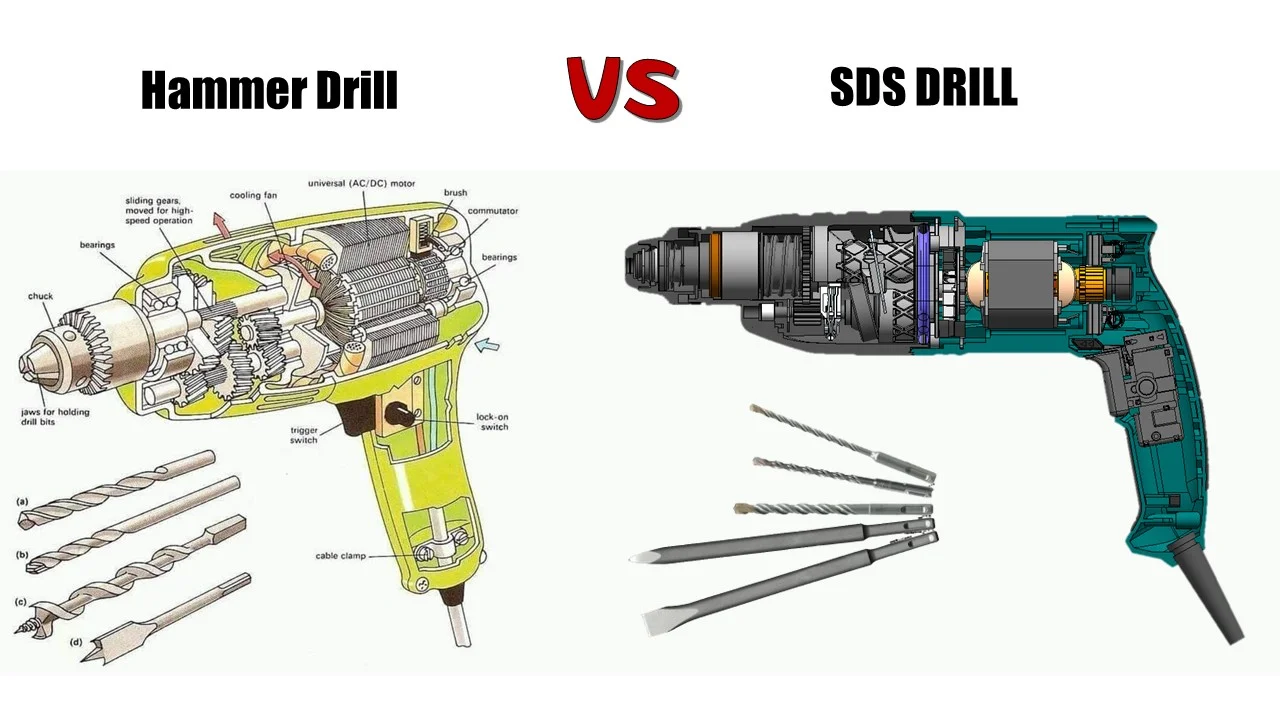
Credit: dingguantools.com
Hammer Drill Basics
A hammer drill is a powerful tool designed to drill into hard materials like concrete and brick. It combines two motions: rotation and hammering. This makes drilling easier and faster than with a regular drill.
Understanding the basics of a hammer drill helps you use it safely and effectively. The tool has unique parts and functions that set it apart from other drills.
What Is A Hammer Drill?
A hammer drill is a drill with a hammering mechanism. It rapidly pounds the drill bit forward while it spins. This action breaks up hard surfaces as the bit drills.
How Does The Hammering Action Work?
Inside the drill, two ridged discs push against each other. When the drill spins, these discs move back and forth. This movement creates the hammering effect.
Difference Between Hammer Drill And Regular Drill
A regular drill only spins the bit. A hammer drill spins and hammers. This helps to drill through tough materials that a regular drill cannot handle.
When To Use Hammer Mode
Hammer mode is best for masonry work. It helps drill into brick, stone, and concrete. Turn off hammer mode for wood, metal, or plastic to avoid damage.

Credit: diy.stackexchange.com
Core Components
The core components of a hammer drill work together to deliver power and impact. Each part plays a crucial role in drilling through tough materials like concrete and brick. Understanding these parts helps explain how the hammer drill achieves its unique function.
Drill Chuck
The drill chuck holds the drill bit firmly in place. It allows quick changes of bits for different tasks. Most hammer drills have a keyless chuck for easy tightening and loosening by hand. The chuck must grip tightly to avoid slipping during the hammering action.
Hammer Mechanism
The hammer mechanism creates the rapid pounding motion. It pushes the drill bit forward and then pulls it back quickly. This back-and-forth motion helps chip away at hard surfaces. The hammer mechanism works independently from the rotation, adding impact to the drilling.
Motor And Gears
The motor powers both the rotation and hammering actions. It sends energy to the gears, which control speed and force. Gears adjust the drill’s torque and impact rate. Together, they balance power for drilling and hammering without damaging the tool or surface.
Hammering Action
Hammering action creates rapid, small blows that help the drill bit break hard materials. This motion works alongside rotation for faster drilling in concrete or brick. The hammering makes tough jobs easier by combining impact with spinning.
Rotary Motion With Impact
The hammer drill combines two actions: rotation and rapid hammering. The drill bit spins like a regular drill. At the same time, it moves forward and backward quickly. This repeated impact helps break up hard materials. It makes drilling into concrete or brick easier and faster. The hammering action adds force to the rotary motion. This dual action prevents the bit from overheating. It also reduces the effort needed to drill tough surfaces.
Electro-mechanical Vs Pneumatic
Hammer drills use two main types of hammering mechanisms. Electro-mechanical models use cams or gears to create the hammering motion. This system is simple and works well for light to medium tasks. Pneumatic hammer drills use air pressure to drive the hammering action. They deliver stronger impacts and work well on very hard materials. Pneumatic drills are usually heavier and more expensive. Electro-mechanical drills are common for home use. Pneumatic models are preferred by professionals for heavy-duty jobs.
Using Hammer Mode
Using hammer mode transforms a regular drill into a powerful tool for tough jobs. This mode adds a rapid hammering action while drilling. It helps break up hard surfaces, making drilling easier and faster.
The hammering motion combines with the rotary action. It drives the drill bit deeper into materials like concrete or brick. This reduces effort and improves precision on hard surfaces. Understanding when and how to use this mode improves your work quality and tool life.
When To Activate Hammer
Activate hammer mode for hard, dense materials. It works best on concrete, stone, and brick. Using it on soft materials causes damage or wear. Avoid hammer mode on wood, metal, or plastic. The hammering can ruin the material or drill bit.
Switch to hammer mode when standard drilling is slow or ineffective. The extra impact helps penetrate tough surfaces quickly. Turn off hammer mode for regular drilling tasks. Use the drill-only setting for smooth, clean holes.
Types Of Materials
Hammer mode suits masonry materials. Concrete blocks, bricks, and stone respond well to the hammer action. It breaks tiny pieces inside the material to clear the drill path. This allows faster, deeper holes without much force.
Do not use hammer mode on wood or metal. These materials require smooth drilling without impact. Hammering can cause cracks or damage. Use standard drill mode for these softer or flexible materials.
Switching To Regular Drill
Switching a hammer drill to regular drill mode is simple and useful. This change allows the tool to work on softer materials without the hammer action. Use this mode for wood, metal, and plastic to avoid damage. It helps extend the life of drill bits and the tool itself. Here is how to switch and what bits to use.
Disabling Hammer Function
Most hammer drills have a switch or dial to turn off the hammer feature. Look for a symbol like a hammer or drill icon. Slide or turn the switch to the drill-only setting. This stops the hammering motion and lets the drill rotate smoothly. Confirm the hammer function is off before starting your work. This prevents unwanted damage to delicate materials.
Suitable Drill Bits
Use regular drill bits made for wood, metal, or plastic when in drill mode. Twist drill bits work well for these materials. Avoid using masonry bits since they are designed for hammer action. Sharp, clean bits produce better results and less heat. Always match the bit size to the hole needed. Proper bits protect the material and make drilling easier.
Hammer Drill Vs Rotary Hammer
Choosing between a hammer drill and a rotary hammer depends on the task. Both tools look similar but work differently. Understanding their differences helps pick the right tool for your project. This section explains how each tool works and their best uses.
Differences In Mechanism
A hammer drill uses a clutch to create a rapid hammering motion. It combines rotation with small, fast impacts. This action helps drill into hard materials like brick or masonry. The hammering force comes from two ridged discs that bump against each other.
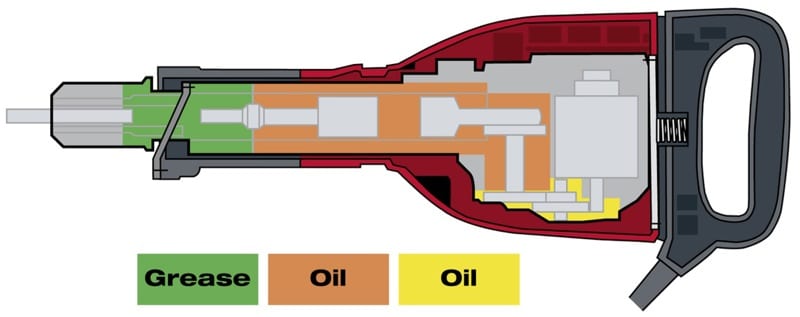
A rotary hammer uses a piston mechanism powered by a motor. It produces stronger, more powerful hammer blows. The piston pushes air to strike the drill bit with great force. This makes it ideal for heavy-duty drilling in concrete and stone.
Best Use Cases
A hammer drill suits light to medium tasks like drilling holes in brick walls. It works well for occasional use and smaller jobs. It can also switch to regular drilling mode for wood or metal.
A rotary hammer fits tough jobs requiring deep holes or breaking concrete. Professionals often use it for construction or demolition work. Its power and durability handle hard materials better than a hammer drill.
Credit: www.protoolreviews.com
Frequently Asked Questions
Can A Hammer Drill Be Used As A Regular Drill?
Yes, a hammer drill works as a regular drill by disabling the hammer mode. It drills wood, metal, and plastic like a standard drill. Keep in mind, hammer drills are heavier and bulkier than regular drills.
How Does A Hammer Drill Mechanism Work?
A hammer drill combines rotary motion with rapid hammering. Its mechanism uses two ridged discs that strike each other, creating a pounding action. This impact helps drill into hard materials like concrete efficiently while rotating the drill bit simultaneously.
When Should You Not Use A Hammer Drill?
Avoid using a hammer drill on delicate materials like wood, metal, or plastic to prevent damage. Do not use it on surfaces requiring precision or smooth holes. Turn off hammer mode for standard drilling tasks to ensure clean, accurate results.
What Makes A Hammer Drill Different From A Regular Drill?
A hammer drill combines rotary drilling with a rapid hammering action. It drills into hard materials like concrete, unlike regular drills that only rotate.
What Is A Hammer Drill Used For?
A hammer drill is used for drilling into hard surfaces like concrete and brick.
How Does A Hammer Drill Work?
It combines rotary motion with rapid hammering to break tough materials while drilling.
Conclusion
A hammer drill combines rotation with a hammering action. This makes it ideal for drilling into hard materials. You can switch off the hammer mode to drill softer materials. The tool’s design helps deliver strong impacts quickly. This saves time and effort on tough jobs.
Knowing how it works helps you use it safely. Choose the right drill bit for your task. Practice makes it easier to handle and control. A hammer drill is a useful tool for many projects. Understanding its function ensures better results every time.
Related reading: how to remove a bit from a Makita demolition hammer.
Related reading: how to remove a bit from a Makita demolition hammer.
nn
