
Last Updated: March 21, 2026
If you’ve ever struggled with stubborn screws that just won’t budge or felt your wrist ache after driving fasteners into tough wood, an impact driver might be the game-changer you need. But how does an impact driver work, and why is it so effective where a regular drill falls short?
Understanding its unique mechanism can help you choose the right tool for your project and make your work faster and easier. You’ll discover the smart design behind impact drivers, how they deliver powerful bursts of torque, and why that matters for your toughest fastening jobs.
Ready to unlock the secret behind this tool’s impressive performance? Let’s dive in.
Credit: engineering.stackexchange.com
Impact Driver Basics
An impact driver is a powerful tool used mainly for driving screws and bolts. It delivers more torque than a regular drill. This extra power helps to drive fasteners into tough materials easily. Understanding the basics of how it works can help you use it better and safer.
Impact drivers use a unique mechanism that combines rotation and concussive blows. This design reduces the effort needed to drive screws or bolts deep into wood, metal, or concrete. The tool’s compact size and high torque make it a favorite for many DIYers and professionals.
What Is An Impact Driver?
An impact driver is a cordless or corded power tool. It looks similar to a drill but works differently. It uses a motor to spin the bit. Then, it adds quick bursts of impact to increase torque. This helps to drive screws faster and with less effort.
How Does It Generate Torque?
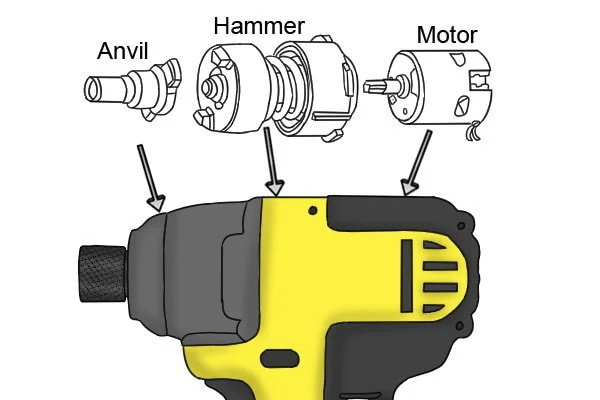
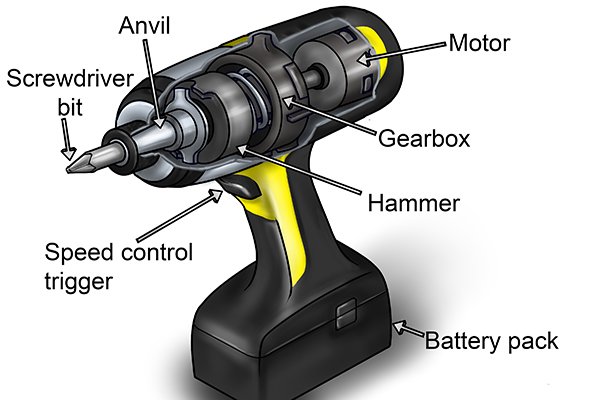
The impact driver uses a spring, hammer, and anvil system inside. When the motor spins, it builds tension in the spring. Once the tension reaches a set point, the hammer strikes the anvil. This strike delivers a strong twisting force. The force repeats many times per second, increasing torque.
Difference Between Impact Driver And Drill
Unlike drills, impact drivers focus on torque, not speed. Drills spin continuously and smoothly. Impact drivers spin but add rapid impacts. This prevents the tool from stalling on tough materials. The design also reduces wrist strain from kickback.
Common Uses Of Impact Drivers
Impact drivers are best for heavy-duty fastening tasks. They excel at driving long screws and bolts into wood, metal, and masonry. They also work well in tight spaces due to their compact size. Many users prefer impact drivers for construction and home projects.
Mechanism Behind The Power
The mechanism behind the power of an impact driver sets it apart from regular drills. It delivers strong twisting force, known as torque, in quick bursts. This makes driving screws easier, especially into hard materials. The tool uses a clever system inside to create this powerful action.
Understanding how this system works helps to see why impact drivers are so effective. The key lies in combining rotation with sudden impacts. This design reduces strain on your wrist and prevents the bit from slipping out of the screw head. Below are the main parts of this mechanism.
Rotational Motor
The motor spins the driver’s shaft. It works like a drill motor but with more torque. The motor runs continuously when powered, turning the bit steadily. This rotation is the base movement for driving screws.
Impact Mechanism
The impact mechanism adds bursts of force. It uses two parts: a hammer and an anvil. When the motor meets resistance, the hammer spins faster. It then hits the anvil sharply, sending a strong impact to the bit.
Hammer And Anvil Interaction
The hammer stores energy as it spins. It releases this energy quickly by striking the anvil. This strike pushes the bit forward with extra force. The repeated hits increase torque without slowing the motor’s spin.
Torque Delivery
Torque is the twisting force that drives screws. The impact driver delivers torque in short, powerful bursts. This allows the tool to handle tough jobs easily. The bursts help avoid stripping screws or slipping the bit.
Reduced User Fatigue
The impact action lessens the effort needed from your hand. Instead of constant pressure, impacts do most of the work. This reduces fatigue and makes long tasks more comfortable. It also improves control and precision.
Torque And Impact Action
Torque and impact action are the main reasons an impact driver works so well. Torque means the twisting force the tool uses to turn screws or bolts. Impact action adds bursts of force to help loosen or drive fasteners quickly.
These two forces work together to make driving screws easier and faster. The driver gives steady turning power, but when more force is needed, the impact action kicks in. This combination helps prevent the tool from slipping or stripping the screw head.
What Is Torque In An Impact Driver?
Torque is the power that turns the screw or bolt. Impact drivers produce much higher torque than regular drills. This high torque helps drive long or tough screws into hard materials like wood or metal.
The tool’s motor spins the bit with strong twisting force. This force pushes the screw deeper with less effort from the user. More torque means the driver can handle bigger jobs without slowing down.
How Impact Action Works
Impact action delivers quick bursts of extra force. Inside the tool, a hammer and anvil mechanism create short, strong hits. These hits add power to the twisting motion.
When the screw meets resistance, the driver’s hammer strikes the anvil. This impact helps turn the screw without making the tool jerk or the user lose control. The hits happen very fast, many times per second.
Why Torque And Impact Action Matter
Combining torque and impact action makes an impact driver very effective. Torque keeps the screw turning steadily. Impact action adds extra force when the screw is tight or stuck.
This means less chance of stripping screws or tiring your hands. The tool works smoothly and fast, even on tough jobs. This is why many professionals choose impact drivers over drills.
Credit: www.wonkeedonkeetools.co.uk
Differences From A Drill
Impact drivers and drills look similar but work differently. Both tools help drive screws and drill holes. Yet, their functions and power output differ greatly.
Understanding these differences helps you pick the right tool for your task. Impact drivers excel at tough fastening jobs. Drills work well for general drilling and light screw driving.
Mechanism And Power Delivery
A drill spins continuously to bore holes or drive screws. It uses steady rotational force, called torque. Torque varies by drill model and setting.
An impact driver adds quick bursts of high torque. It combines rotation with strong impacts or hammering actions. These impacts help drive large screws into hard materials.
Torque And Speed
Impact drivers deliver more torque than drills. This makes them better for heavy-duty tasks. They drive long screws or bolts easily without slipping.
Drills offer adjustable speed but less torque. They suit tasks needing precision and control. You can drill holes or drive smaller screws smoothly.
Tool Design And Grip
Impact drivers have a compact design for better control. They often weigh less than drills. This reduces user fatigue during long jobs.
Drills are bulkier and heavier. They usually have a keyless chuck to hold drill bits. Impact drivers use a quick-change collet for hex bits.
User Experience And Applications
Impact drivers reduce wrist strain with their hammering action. They work well on wood, metal, and tough materials. Builders and carpenters prefer them for framing and decking.
Drills provide versatility for many jobs. They drill holes in wood, metal, plastic, and more. Homeowners use drills for simple repairs and projects.
Ideal Applications
Impact drivers are powerful tools built for demanding jobs. Their design makes them perfect for tasks that need extra force and control. They work best in situations where a regular drill might struggle or cause damage.
The unique hammering action of an impact driver helps turn screws and bolts quickly and firmly. This action reduces the chance of slipping or stripping the screw head. It also lowers the effort needed from the user.
Driving Long Screws and Bolts
Impact drivers deliver high torque needed to drive long screws deep into wood or metal. They handle tough materials easily. This makes them great for building decks, fences, or framing walls. Using an impact driver speeds up these tasks and ensures strong joints.
Working with Hard Materials
Hard materials like hardwood, metal, and dense plastics need more force. Impact drivers provide the bursts of power to drive fasteners into these surfaces without slipping. This reduces the risk of damage to the material or fastener.
Removing Stubborn Fasteners
Impact drivers are excellent at loosening screws and bolts stuck by rust or over-tightening. Their hammering action breaks the bond without stripping the head. This makes removing old fasteners easier and less frustrating.
Assembly and Construction Tasks
Many construction tasks require repetitive driving of screws or bolts. Impact drivers reduce user fatigue by using quick bursts of force instead of constant pressure. This helps maintain speed and accuracy during assembly or framing work.

Credit: www.youtube.com
Tips For Effective Use
Using an impact driver correctly helps you work faster and with less effort. It delivers strong force in short bursts to drive screws deeply. To get the best results, follow simple tips that protect your tool and improve your work quality.
Choose The Right Bit
Select bits made for impact drivers. These bits are stronger and resist breaking. Using the correct bit size fits the screw head perfectly. This prevents slipping and damage to the screw or tool.
Hold The Tool Firmly
Keep a steady grip on the impact driver. Hold it straight against the screw. This control directs power to the screw and stops the bit from slipping out. A firm hold also reduces strain on your hands.
Start Slowly
Begin at a low speed to position the screw. Slow starts help avoid stripping the screw head. Once the screw is set, increase speed to drive it in fully. This method protects your work surface and tool.
Use Proper Pressure
Apply steady pressure on the tool while driving screws. Too much force can damage the screw or tool. Too little pressure wastes power and causes slipping. Find a balanced pressure to work efficiently.
Keep The Tool Clean
Remove dust and debris from the impact driver regularly. Clean tools last longer and work better. Check the air vents and bit holder. Clean bits fit better and reduce wear on the driver.
Frequently Asked Questions
Why Use An Impact Driver Over A Drill?
Use an impact driver for higher torque and faster driving of large screws into tough materials. It reduces stripping and wrist fatigue.
Can I Use An Impact Driver As A Drill?
You can use an impact driver as a drill for light tasks. It delivers high torque but lacks precise control. For clean holes, a drill works better. Impact drivers excel at driving screws, especially in tough materials, without stripping or stalling.
Can You Use An Impact Driver As A Screwdriver?
Yes, you can use an impact driver as a screwdriver. It delivers high torque, making it ideal for driving screws quickly without stripping heads. Its impact mechanism reduces wrist fatigue and prevents tool stalling, perfect for heavy-duty or repetitive fastening tasks.
Why Can’t You Use Regular Sockets With Impact Wrench?
Regular sockets lack the reinforced walls needed to withstand an impact wrench’s high torque. Using them risks cracking or shattering the socket, causing damage and injury. Impact sockets absorb and distribute the wrench’s force safely, ensuring durability and user safety during heavy-duty tasks.
What Is An Impact Driver Used For?
An impact driver is used to drive screws and bolts quickly with high torque.
How Does An Impact Driver Create Extra Power?
It uses a hammer and anvil mechanism to deliver strong rotational impacts.
Conclusion
An impact driver works by combining rotation with quick, strong impacts. This tool delivers high torque to drive screws faster and easier. It reduces wrist strain and prevents screw head damage. Using it helps with tough jobs like decking or framing.
Knowing how it works can improve your tool skills. Try an impact driver for your next heavy fastening task. You’ll see the power and efficiency it offers. Simple, strong, and built for hard work.
Related reading: types of screwdriver.
{
“@context”: “https://schema.org”,
“@type”: “Article”,
“headline”: “How Does an Impact Driver Work: Ultimate Guide to Power and Precision”,
“description”: “How does an impact driver work by delivering quick rotational force combined with concussive blows to drive screws and bolts efficiently with minimal effort.”,
“url”: “https://www.powertoolstoday.com/how-does-an-impact-driver-work/”,
“datePublished”: “2026-03-05”,
“dateModified”: “2026-03-18”,
“author”: {
“@type”: “Organization”,
“name”: “Power Tools Today”,
“url”: “https://www.powertoolstoday.com”
},
“publisher”: {
“@type”: “Organization”,
“name”: “Power Tools Today”,
“url”: “https://www.powertoolstoday.com”
},
“mainEntityOfPage”: {
“@type”: “WebPage”,
“@id”: “https://www.powertoolstoday.com/how-does-an-impact-driver-work/”
},
“image”: {
“@type”: “ImageObject”,
“url”: “https://www.powertoolstoday.com/wp-content/uploads/2025/11/How-Does-an-Impact-Driver-Work-1024×576.webp”
}
}
nn
