
Last Updated: March 20, 2026
Are you curious about how much electricity your table saw actually uses? Knowing the amps your table saw draws can help you avoid electrical problems, choose the right extension cords, and plan your workshop setup more efficiently.
Whether you’re a beginner or a seasoned woodworker, understanding this simple yet crucial detail can save you time, money, and frustration. Stick with me, and you’ll discover exactly how many amps your table saw uses—and why it matters for your safety and projects.
Table Saw Power Basics
Understanding the power needs of a table saw helps you choose the right tool and electrical setup. Table saws use electricity measured in amps and volts. Knowing these basics ensures safe and efficient operation. This section explains typical amperage and voltage for table saws.
Typical Amperage Range
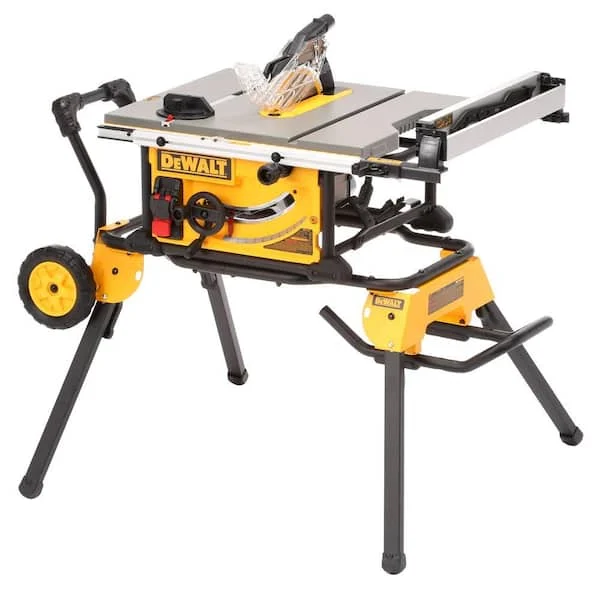
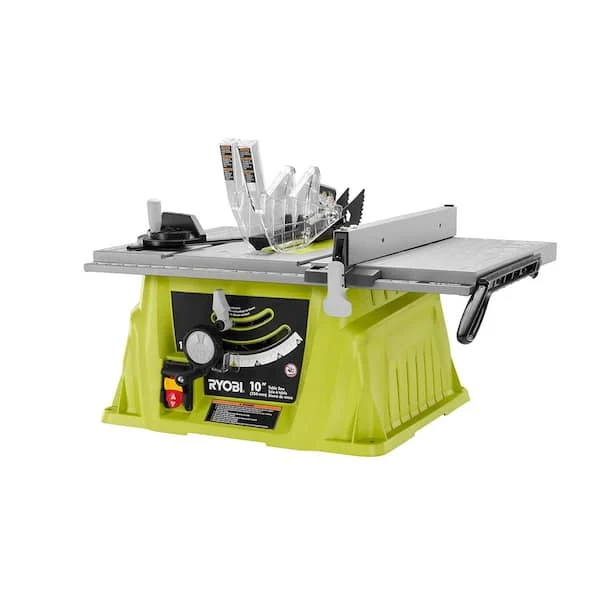
Most table saws use between 10 and 15 amps. Smaller portable saws often draw around 10 amps. Larger, stationary saws usually need 15 amps or more. Higher amperage means the saw can cut through tougher materials. Always check the saw’s label to find its exact amperage. This helps prevent overloading your circuit.
Voltage Requirements
Table saws usually run on standard household voltage. In the United States, this is 120 volts for most portable models. Bigger, professional saws might require 240 volts for more power. Using the correct voltage keeps the saw running smoothly. It also prevents electrical hazards and damage to the tool.
Credit: www.homedepot.com
Factors Affecting Amps Usage
Several factors influence the amount of amps a table saw uses. Understanding these helps in choosing the right saw and power setup. Amps measure the electrical current drawn by the saw during operation. Different elements affect this current draw significantly.
Knowing what changes the amps usage can prevent electrical issues. It also helps in maintaining efficiency and safety in your workspace.
Blade Size And Type
The size of the blade directly impacts amps usage. Larger blades require more power to spin, increasing the current draw. Smaller blades need less power and use fewer amps.
Blade type also plays a role. Blades designed for harder materials or finer cuts may demand more energy. This demand increases the amps the motor must provide to keep the blade moving smoothly.
Motor Horsepower
The motor’s horsepower (HP) rating is a key factor in amps consumption. Higher horsepower motors offer more cutting power. They draw more amps from the electrical source to deliver this power.
Lower horsepower motors use less current but may struggle with tougher cuts. Choosing the correct motor size ensures efficient power use and optimal cutting performance.
Comparing Amps To Other Power Metrics
Understanding a table saw’s power involves more than just amps. Amps measure electric current flowing through the saw. Other metrics like watts and horsepower also describe power but in different ways. Knowing these differences helps you pick the right tool and power source.
This section compares amps with watts and horsepower. It explains how each metric relates to the table saw’s performance. This knowledge makes it easier to understand power ratings and electrical needs.
Amps Vs Watts
Amps show the flow of electric current. Watts measure total power consumption. Watts equal amps multiplied by volts. For example, a 15-amp saw using 120 volts consumes 1800 watts.
Watts give a better idea of energy use. Amps alone don’t tell how much power the saw needs. Knowing watts helps ensure your electrical circuit can handle the load. Watts also help compare tools with different voltages.
Amps Vs Horsepower
Horsepower measures mechanical power output. It shows how strong the motor is. Amps only measure electrical current, not mechanical power.
A table saw motor rated at 1.5 horsepower uses about 11 to 15 amps. Higher horsepower means the motor can cut tougher materials. But amps can vary depending on motor efficiency and voltage.
Horsepower helps understand cutting power. Amps help understand electrical demand. Both metrics are important for choosing the right table saw.
Choosing The Right Circuit
Choosing the right circuit for your table saw is crucial for safety and performance. The circuit must handle the tool’s power needs without tripping or causing hazards. Understanding circuit breaker ratings and whether to use a dedicated or shared circuit helps protect your workspace and equipment.
Circuit Breaker Ratings
Circuit breakers protect your electrical system from overloads. They stop power flow if the current exceeds safe levels. Table saws usually need a breaker rated for 15 to 20 amps. Check your saw’s specifications for exact amperage requirements. Using a breaker with too low a rating causes frequent trips. A breaker rated too high may not protect the wiring properly.
Make sure the breaker matches the wire gauge in your circuit. Thicker wires support higher amperage. A 15-amp breaker typically pairs with 14-gauge wire. For 20 amps, use 12-gauge wire. This balance keeps your setup safe and reliable.
Dedicated Vs Shared Circuits
A dedicated circuit powers only one device. For table saws, this is often the best choice. It prevents other tools or appliances from overloading the circuit. Shared circuits carry power to multiple devices. This can cause drops in voltage or tripping breakers if the load is too high.
Table saws draw high current, especially when starting up. A dedicated circuit ensures steady power and reduces risk of interruptions. If you must use a shared circuit, avoid running other heavy devices at the same time. This practice helps maintain smooth operation and extends tool life.
Extension Cords And Power Delivery
Using the right extension cord is crucial for your table saw’s power delivery. The cord must handle the saw’s amps without losing energy. Poor power delivery causes the saw to run weak or even damage the motor. Extension cords that are too thin or too long drop voltage. This makes the saw work harder and less efficiently.
Cord Gauge And Length
The thickness of the cord wire is called the gauge. A lower gauge means a thicker wire. Thick wires carry more current safely. For a table saw drawing around 15 amps, use a 12-gauge cord. If the cord is longer than 50 feet, choose an even thicker wire to avoid power loss.
Extension cords longer than 100 feet need special attention. Use 10-gauge cords to maintain power. Thin cords or extra-long cords reduce amps reaching your saw. This can cause the motor to overheat or underperform.
Safety Tips
Always check the cord’s rating before use. Never use a damaged or frayed cord. Keep the cord away from sharp edges and heat sources. Avoid coiling the cord tightly while the saw runs. This can cause heat build-up and risk fire.
Plug the extension cord directly into a grounded outlet. Avoid using multiple extension cords linked together. This can cause voltage drops and safety hazards. Inspect cords regularly for wear and tear. Replace damaged cords immediately to protect yourself and your tool.

Credit: www.reddit.com
Optimizing Table Saw Performance
Optimizing the performance of your table saw is key to efficient and safe woodworking. Proper care and smart usage can affect how many amps your saw draws during operation. This helps maintain consistent power and extends the tool’s life.
Knowing how to manage the amperage lets you avoid overloads and electrical issues. Small adjustments in maintenance and power use can lead to big improvements in performance.
Maintenance Impact On Amps
Keeping your table saw clean reduces resistance and strain on the motor. Dust and debris can cause the motor to work harder, drawing more amps than usual. Regularly check and sharpen blades to ensure smooth cuts. Dull blades increase power consumption because the motor struggles more. Lubricate moving parts to reduce friction, which lowers the current draw. Tight belts and properly aligned components help the saw run efficiently. These simple steps keep the amperage stable and prevent damage.
Reducing Power Consumption
Use the right blade for each material to avoid extra load on the motor. Cutting with blades not suited for the job increases amps and wastes energy. Avoid forcing the wood into the blade; let the saw do the work. Slow and steady feeds reduce power spikes and keep amps low. Unplug the saw when not in use to prevent phantom power draw. Consider using a saw with variable speed control to match power needs precisely. These habits help lower electricity use and protect your tool.
Credit: www.homedepot.com
[yallow]
Frequently Asked Questions
Can I Run A 15 Amp Saw On A 20 Amp Circuit?
Yes, you can run a 15 amp saw on a 20 amp circuit safely. The circuit provides sufficient capacity without overloading.
How Many Amps Does It Take To Run A Table Saw?
A typical table saw requires about 15 amps to operate. Some smaller models use 10 amps, while larger ones may need 20 amps. Always check the saw’s specifications for exact amperage requirements.
Will A 15 Amp Table Saw Trip A 15 Amp Breaker?
A 15 amp table saw can trip a 15 amp breaker if it draws close to or exceeds the breaker’s limit. Overloads or startup surges may cause trips. Using a dedicated circuit helps prevent tripping.
How Many Amps Does A 3 Hp Table Saw Draw?
A 3 hp table saw typically draws between 14 to 18 amps on a 120V circuit. On a 240V circuit, it uses about 7 to 9 amps. Always check the saw’s specifications for exact amperage requirements.
How Many Amps Does A Typical Table Saw Use?
Most table saws use between 10 and 15 amps to operate efficiently.
Does Blade Size Affect A Table Saw’s Amp Usage?
Yes, larger blades often require more amps to maintain cutting power.
[/yallow]
Conclusion
Table saws usually use between 10 and 15 amps. The exact amount depends on the model and power. Knowing the amps helps you choose the right circuit and extension cord. It also keeps your workspace safe from overloads. Always check the saw’s label before plugging it in.
This simple step saves time and prevents electrical issues. Understanding amps makes your woodworking projects smoother and safer. Keep this in mind for every tool you use. Safe work leads to better results.
{ “@context”: “https://schema.org”, “@type”: “Article”, “headline”: “How Many Amps Does a Table Saw Use: Essential Power Guide”, “description”: “How many amps does a table saw use explains the typical electrical current needed to power these woodworking tools safely and efficiently.”, “url”: “https://www.powertoolstoday.com/how-many-amps-does-a-table-saw-use/”, “datePublished”: “2025-11-12”, “dateModified”: “2026-03-18”, “author”: { “@type”: “Organization”, “name”: “Power Tools Today”, “url”: “https://www.powertoolstoday.com” }, “publisher”: { “@type”: “Organization”, “name”: “Power Tools Today”, “url”: “https://www.powertoolstoday.com” }, “mainEntityOfPage”: { “@type”: “WebPage”, “@id”: “https://www.powertoolstoday.com/how-many-amps-does-a-table-saw-use/” }, “image”: { “@type”: “ImageObject”, “url”: “https://www.powertoolstoday.com/wp-content/uploads/2025/11/How-Many-Amps-Does-a-Table-Saw-1024×576.webp” } }nn