
Last Updated: March 21, 2026
You’ve got your chainsaw ready, but have you ever wondered exactly how tight your chainsaw chain should be? Too loose, and it could slip off or cause dangerous kickbacks.
Too tight, and you risk damaging the chain or your saw’s motor. Finding that perfect balance is crucial for your safety and the longevity of your tool. You’ll learn simple, clear steps to check and adjust your chain tension like a pro—no guesswork involved.
Keep reading to make sure your chainsaw runs smoothly and safely every time you fire it up.
Credit: www.familyhandyman.com
Ideal Chain Tension
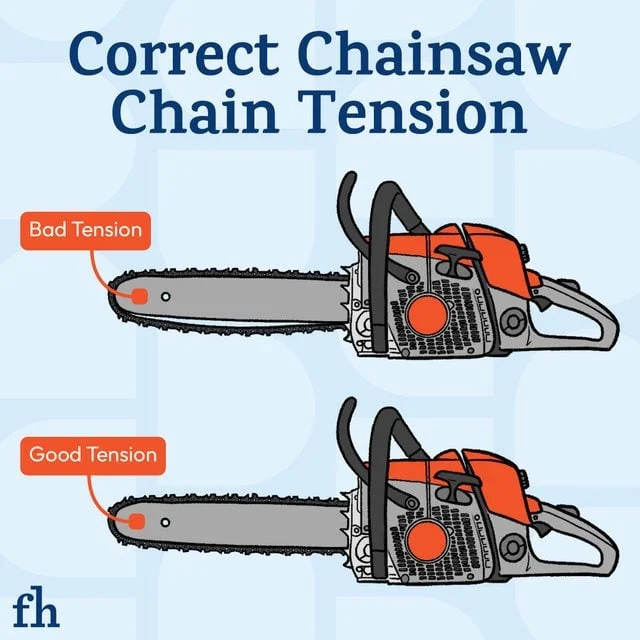
The ideal chain tension keeps your chainsaw safe and efficient. A chain too loose can slip off during use. A chain too tight can cause damage to the bar and motor. Finding the right tension helps your chainsaw cut smoothly and last longer.
Check the tension regularly, especially before each use. The chain should sit firmly on the bar without sagging. At the same time, it must rotate freely by hand. Proper tension reduces wear and improves cutting performance.
How To Check Chain Tension
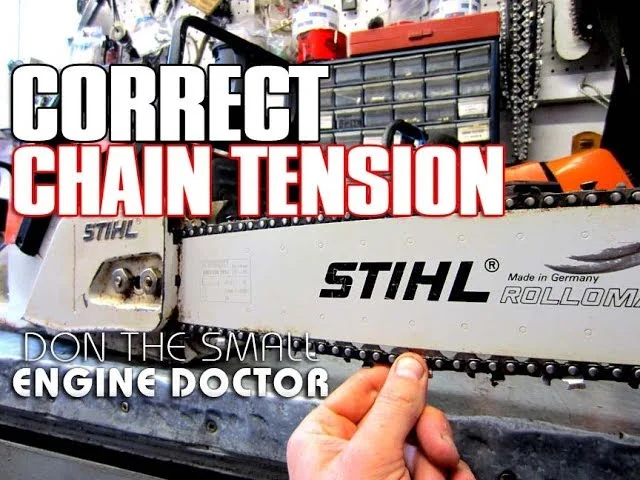
First, turn off the chainsaw and wear gloves for safety. Pull the chain away from the bar slightly. The chain should lift about 1/8 inch (3 mm) away from the bar. If it lifts more, the chain is too loose. If it does not lift or feels very tight, it is too tight.
Next, try to rotate the chain by hand. It should move smoothly without binding. If the chain does not move, loosen the tension slightly. If it moves too easily or hangs off the bar, tighten it.
Adjusting Chain Tension
Locate the tensioning screw on your chainsaw. It is usually near the bar on the side panel. Use a screwdriver or wrench to turn the screw gently. Turn clockwise to tighten and counterclockwise to loosen.
After adjusting, recheck the chain’s fit on the bar. The chain must be snug but still able to turn freely. Do not over-tighten as it can damage the chain and bar. Proper tension helps the chain cut well and stay safe.
Signs Of Incorrect Chain Tension
A loose chain may cause the saw to jump or skip during cutting. It can also come off the bar, which is dangerous. A tight chain causes the motor to strain and the bar to wear out faster.
Listen for unusual sounds while cutting. A whining or grinding noise may indicate a too-tight chain. Look for excessive smoke or heat around the bar area. These signs suggest the chain needs adjustment.
Credit: www.youtube.com
Signs Of Loose Chains
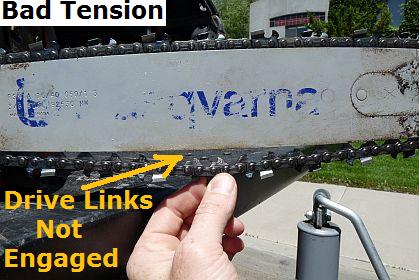
A loose chainsaw chain may hang below the bar or slip during use. It often feels floppy and can be pulled away easily. Watch for poor cutting or unusual noise as signs of slack in the chain.
Visible Sagging Of The Chain
A loose chainsaw chain sags below the guide bar. This sagging shows the chain is not tight enough. It may hang visibly lower than the bar’s edge. Such slack causes poor cutting and may be dangerous.
Chain Moves Freely By Hand
You can pull the chain away from the bar easily. It moves more than a quarter inch from the guide bar. This extra movement means the chain is loose. The chain should feel snug but still rotate smoothly by hand.
Chain Jumps Or Skips During Use
A loose chain often jumps off the bar when cutting. It skips over wood instead of cutting cleanly. This can cause loss of control and increases the risk of injury. The chain must fit tightly to avoid slipping.
Loud Or Unusual Noise While Cutting
Loose chains make loud rattling or clanking sounds. These noises happen because the chain hits the bar or guide unevenly. Proper tension reduces noise and helps the saw run smoothly.
Increased Vibration Felt In Hands
When the chain is loose, the saw vibrates more. Excess vibration makes cutting tiring and less precise. Tightening the chain lowers vibration and improves control.
Risks Of Over-tightening
Over-tightening a chainsaw chain can cause serious problems. Many users think tighter means safer or better cutting. This is not true. Chainsaw chains need the right tension to work well. Too tight puts extra stress on the chain and the saw itself. This can lead to damage and unsafe conditions.
Understanding the risks helps avoid costly repairs and injuries. It also ensures the chainsaw runs smoothly and lasts longer. Below are some key risks of over-tightening a chainsaw chain.
Increased Wear On The Chain And Bar
A chain that is too tight rubs hard against the bar. This causes faster wear on both parts. The chain links and bar groove may wear unevenly. The chain can stretch faster, needing frequent replacement. The bar may also develop hot spots and cracks.
Reduced Chain Movement And Cutting Efficiency
The chain must move freely around the bar for good cutting. A tight chain limits movement and slows cutting speed. This makes the saw work harder. It also increases the chance of the chain binding or jumping off. Cutting becomes less smooth and more dangerous.
Motor And Engine Strain
Too much tension forces the motor to work harder. This can cause the engine to overheat. Over time, it may reduce engine power and life. The saw may stall or run unevenly. This wastes fuel and increases maintenance needs.
Safety Hazards
An over-tightened chain can snap under pressure. This may cause serious injuries to the user. It can also damage the chainsaw’s internal parts suddenly. Loose or damaged chains increase kickback risks. Proper tension helps maintain safe operation.
Tools For Adjustment
Essential tools for adjusting a chainsaw chain include a screwdriver and a wrench. These help loosen and tighten the chain tensioner. Proper tools make the chain snug but still able to move smoothly around the bar.
Adjusting the chainsaw chain needs the right tools. Using proper tools helps keep the chain safe and tight. It also makes the job easier and faster. Without the right tools, you risk damaging the chain or the bar.
Most chainsaws come with a basic tool called a scrench. This tool combines a screwdriver and a wrench in one. It fits the nuts and screws used to adjust chain tension. The scrench is handy and fits in your chainsaw case.
Scrench
The scrench is the most common tool for chain adjustment. It has a flathead screwdriver on one end. The other end is a socket wrench. The wrench fits the nuts on the side cover. The screwdriver tightens or loosens the chain tension screw.
Using the scrench, you can easily adjust the chain tension. Just loosen the side cover nuts a little. Turn the tension screw with the screwdriver end. Tighten or loosen the chain until it moves just right. Then, tighten the side cover nuts again.
Tensioning Screwdriver
Some chainsaws use a tensioning screwdriver. It looks like a regular screwdriver but with a special tip. This tool fits the tensioning screw on the chainsaw bar. It allows precise control when adjusting the chain tension.
The tensioning screwdriver works well for fine adjustments. It helps avoid over-tightening, which can damage the chain. Using this tool ensures the chain stays at the right tightness for safe use.
Adjustable Wrench
An adjustable wrench can also help during chain adjustment. It fits nuts of different sizes on the chainsaw side cover. This wrench gives a stronger grip when tightening or loosening nuts. It is useful if the scrench is missing or worn out.
Always use the correct size wrench or scrench to prevent rounding off nuts. A loose or damaged nut can cause the chain to slip or come off during use.
Step-by-step Tensioning
Tensioning the chainsaw chain correctly is vital for safe and efficient cutting. A chain that is too tight can damage the saw and reduce performance. A chain that is too loose can slip off and cause accidents. Follow these simple steps to adjust your chain to the right tension.
Locate The Tensioning Screw
Turn off the chainsaw and let it cool down. Find the side cover that holds the bar and chain in place. Look for the tensioning screw near the bar, usually at the front or side of the saw. This screw controls the chain’s tightness.
Loosen The Nuts On The Side Cover
Use a wrench to loosen the nuts on the side cover slightly. Do not remove them completely. Loosening these nuts allows the bar to move so you can adjust the chain tension properly.
Adjust The Chain Tension
Turn the tensioning screw slowly. Turn clockwise to tighten the chain, counterclockwise to loosen it. Check the chain by lifting it gently from the middle of the bar. It should lift slightly but snap back into place.
Check Chain Movement
After adjusting, pull the chain by hand. It should move smoothly without sagging. The chain should not hang loose or feel too tight. Proper tension lets you spin the chain freely but keeps it firmly on the bar.
Tighten The Side Cover Nuts
Once the tension feels right, tighten the nuts on the side cover securely. This locks the bar and chain in place. Double-check the chain tension after tightening to ensure it has not changed.
Final Safety Check
Wear gloves and start the chainsaw briefly. Observe the chain at low speed. It should run smoothly without wobbling or coming off the bar. Stop the saw and recheck the tension if needed.
Frequency Of Checking
Checking the chainsaw chain tension often keeps your saw working well. Chainsaw chains stretch as you cut wood. This changes how tight the chain feels on the bar. Too loose or too tight chains cause problems and can be unsafe.
Frequent checks help catch these issues early. This ensures smooth cutting and protects your saw. Many experts suggest checking the chain before each use. Also check during long cutting sessions. This keeps the chain at the right tightness all the time.
Check Before Every Use
Always check the chain tension before starting your saw. The chain can loosen during transport or storage. A quick check saves you from damage and accidents. Make sure the chain sits snug but still moves freely around the bar.
Check During Long Jobs
Chains heat up and stretch during use. This can make the chain loose after cutting for a while. Stop every 15 to 30 minutes to check the chain. Adjust it if needed to keep the saw running safely and smoothly.
Adjust After Chain Replacement
When you put on a new chain, check the tension right away. New chains stretch more in the beginning. Tighten the chain several times as you break it in. This keeps the chain secure and prevents damage to the bar and sprocket.
Safety Precautions
Safety comes first when handling a chainsaw. Proper chain tension helps prevent accidents. A loose or too tight chain can cause kickbacks or chain breaks. Always check the chain before starting work.
Wear protective gear like gloves and eye protection. Keep your hands and body clear of the chain path. Never adjust the chain while the chainsaw is running. Turn off the chainsaw and disconnect the spark plug wire before making adjustments.
Check The Chain Tension Regularly
Chains can loosen during use. Stop often to check the tension. Pull the chain away from the bar gently. It should move but stay close to the bar. Tighten if it hangs loose or sags.
Use The Right Tools For Adjustment
Use the tools that come with your chainsaw. Typically, a screwdriver or wrench fits the tensioning screw. Avoid forcing parts or using the wrong tools. This can damage your chainsaw or cause injury.
Inspect The Chain For Damage
Look for broken or dull teeth on the chain. Replace damaged chains immediately. A faulty chain can snap or cause dangerous kickbacks. Regular inspection keeps your work safe and smooth.
Maintaining Chain Performance
Maintaining your chainsaw chain’s performance depends heavily on its proper tension. A chain that is too tight or too loose reduces cutting efficiency. It also increases wear on the chain and bar. Correct tension extends the life of your chainsaw parts. It helps you work safely and smoothly.
Checking chain tension regularly keeps your saw ready for use. Adjusting it correctly improves cutting speed and control. This simple step makes your work easier and safer.
How To Check Chain Tension
Pull the chain away from the bar. It should lift slightly but not more than 1/8 inch. The chain must snap back into place when released. If it hangs loose or feels too tight, adjustment is needed.
Adjusting Chain Tension Safely
Turn off the chainsaw and let it cool before adjusting. Use the tensioning screw found near the bar. Turn it clockwise to tighten and counterclockwise to loosen. Make small adjustments and check the tension after each turn.
Signs Of Poor Chain Tension
A loose chain may slip off the bar or cause uneven cuts. A tight chain can overheat and wear out faster. Both conditions can increase the risk of kickback. Watch for unusual noise or difficulty in cutting as warning signs.
Credit: www.instructables.com
Frequently Asked Questions
What Is Proper Chainsaw Chain Tension?
Proper chainsaw chain tension means the chain sits snugly against the bar. You can barely lift it but still rotate it by hand. Avoid overtightening to prevent damage and looseness to ensure safety and efficient cutting. Check tension regularly during use.
How Much Slack Should You Have On A Chainsaw Chain?
A chainsaw chain should have minimal slack, allowing it to lift slightly but still rotate smoothly by hand. Tighten until it barely lifts from the bar yet moves freely. This ensures safe, efficient cutting and prevents chain damage or bar wear during use.
Why Do Loggers Run Chainsaw Bars Upside Down?
Loggers run chainsaw bars upside down to improve control and reduce kickback. This technique enhances cutting precision and safety.
Is A Chainsaw Chain Supposed To Be A Little Loose?
A chainsaw chain should be snug with slight slack. You can barely lift it but still rotate it by hand. Too loose or too tight reduces safety and performance. Adjust tension regularly for optimal cutting and chain life.
How Tight Should A Chainsaw Chain Be?
The chain should be tight enough to not sag but loose enough to spin freely by hand.
Conclusion
A chainsaw chain must fit just right for safe use. Tighten it until it barely lifts from the bar. Still, you should turn the chain by hand easily. Too tight wears out parts quickly and may cause damage. Too loose can make the chain jump off during cutting.
Check the tension often, especially after heavy use. Proper tension improves cutting and keeps you safe. Simple adjustments keep your chainsaw working well longer. Remember, a well-tuned chain means better performance every time.
{ “@context”: “https://schema.org”, “@type”: “Article”, “headline”: “How Tight Should a Chainsaw Chain Be: Essential Tips for Safety”, “description”: “Learn how tight a chainsaw chain should be to ensure safe operation and optimal cutting performance without causing damage or excessive wear.”, “url”: “https://www.powertoolstoday.com/how-tight-should-a-chainsaw-chain-be/”, “datePublished”: “2025-12-04”, “dateModified”: “2026-03-18”, “author”: { “@type”: “Organization”, “name”: “Power Tools Today”, “url”: “https://www.powertoolstoday.com” }, “publisher”: { “@type”: “Organization”, “name”: “Power Tools Today”, “url”: “https://www.powertoolstoday.com” }, “mainEntityOfPage”: { “@type”: “WebPage”, “@id”: “https://www.powertoolstoday.com/how-tight-should-a-chainsaw-chain-be/” }, “image”: { “@type”: “ImageObject”, “url”: “https://www.powertoolstoday.com/wp-content/uploads/2025/11/how-tight-should-a-chainsaw-chain-be.jpg” } }{ “@context”: “https://schema.org”, “@type”: “Article”, “headline”: “How Tight Should a Chainsaw Chain Be: Essential Tips for Safety”, “description”: “Learn how tight a chainsaw chain should be to ensure safe operation and optimal cutting performance without causing damage or excessive wear.”, “url”: “https://www.powertoolstoday.com/how-tight-should-a-chainsaw-chain-be/”, “datePublished”: “2025-12-04”, “dateModified”: “2026-03-19”, “author”: { “@type”: “Organization”, “name”: “Power Tools Today”, “url”: “https://www.powertoolstoday.com” }, “publisher”: { “@type”: “Organization”, “name”: “Power Tools Today”, “url”: “https://www.powertoolstoday.com” }, “mainEntityOfPage”: { “@type”: “WebPage”, “@id”: “https://www.powertoolstoday.com/how-tight-should-a-chainsaw-chain-be/” }, “image”: { “@type”: “ImageObject”, “url”: “https://www.powertoolstoday.com/wp-content/uploads/2025/11/how-tight-should-a-chainsaw-chain-be.jpg” } }nn