
Last Updated: March 21, 2026
Your hedge trimmer is one of your best tools for keeping your garden neat and tidy. But if your blades are dirty or clogged with sap and debris, your trimmer won’t work as smoothly or efficiently.You might even risk damaging the blades or the motor. That’s why knowing how to clean hedge trimmer blades properly is key to keeping your tool in top shape. You’ll discover simple, step-by-step tips to clean and maintain your blades quickly and safely.By following these easy methods, you’ll extend the life of your trimmer and enjoy cleaner, sharper cuts every time. Ready to make your hedge trimmer work like new again? Let’s get started!Prepare The Trimmer
Preparing your hedge trimmer before cleaning the blades is essential. Proper preparation ensures safety and makes the cleaning process easier. Taking a few simple steps can protect you from accidents and keep your tool in good shape.Disconnect Power Sources
First, turn off the hedge trimmer. For electric trimmers, unplug the power cord from the outlet. For battery-powered models, remove the battery carefully. Gas trimmers should have the engine switched off and cooled down before starting.Disconnecting power prevents accidental startup. It keeps you safe during cleaning. Always double-check that the trimmer cannot turn on while you work on it.Ensure Safety Measures
Wear protective gloves to guard your hands from sharp blades. Use safety glasses to protect your eyes from dirt and debris. Find a stable surface to place the trimmer while you clean it.Keep children and pets away from the work area. Clear the space around you to avoid tripping or distractions. Safety is the priority before handling any garden tool.Remove Loose Debris
Removing loose debris from hedge trimmer blades is the first step in cleaning. Dirt, leaves, and small twigs often stick to the blades after use. This debris can dull the blades and reduce cutting efficiency. Cleaning loose debris helps keep the blades sharp and extends their life. Take your time to clear every part of the blade. This makes the next cleaning steps easier and more effective.Use Brushes Or Cloths
Start by choosing the right tool. A stiff nylon brush works well to loosen stuck debris. Soft cloths help wipe away fine dust and dirt. Avoid using metal brushes that can damage the blades. Gently brush along the blade edges and between the teeth. Wipe the blade with a dry cloth to remove loosened dirt. Use a damp cloth for sticky spots, but dry the blades quickly after.Clear Dirt And Leaves
Look closely for trapped leaves or twigs between the blades. Use your fingers or a small brush to remove them carefully. Check the base of the blades where debris often collects. Remove all visible dirt to prevent rust and blade damage. Clean blades cut better and last longer. Keep your workspace clean to avoid pushing dirt back onto the blades.Apply Cleaning Agents
Applying cleaning agents is a key step in keeping hedge trimmer blades sharp and rust-free. Cleaning agents break down sap, resin, and dirt that stick to the blades during use. This process helps maintain the blade’s performance and extends its life.Choose the right cleaning agent based on the type of buildup. Using the proper solvent makes the cleaning easier and safer for the tool.Choose Suitable Solvents
Pick solvents that dissolve sticky residues without damaging metal. Isopropyl alcohol works well for light dirt and grease. Turpentine is stronger and removes tough sap and resin. Commercial resin removers are designed for garden tools and offer safe, effective cleaning.Avoid harsh chemicals like bleach or ammonia. These can corrode the blades and reduce their lifespan. Test any solvent on a small blade area first. This prevents unexpected damage.Treat Sap And Resin Buildup
Sap and resin can harden and block the blade’s cutting edge. Apply a commercial resin remover or turpentine directly to affected areas. Let it sit for a few minutes to soften the buildup. Then use a nylon brush or cloth to scrub it off gently.Repeat the process if needed to remove all residue. After cleaning, wipe the blades dry completely. This prevents rust and prepares the blades for lubrication.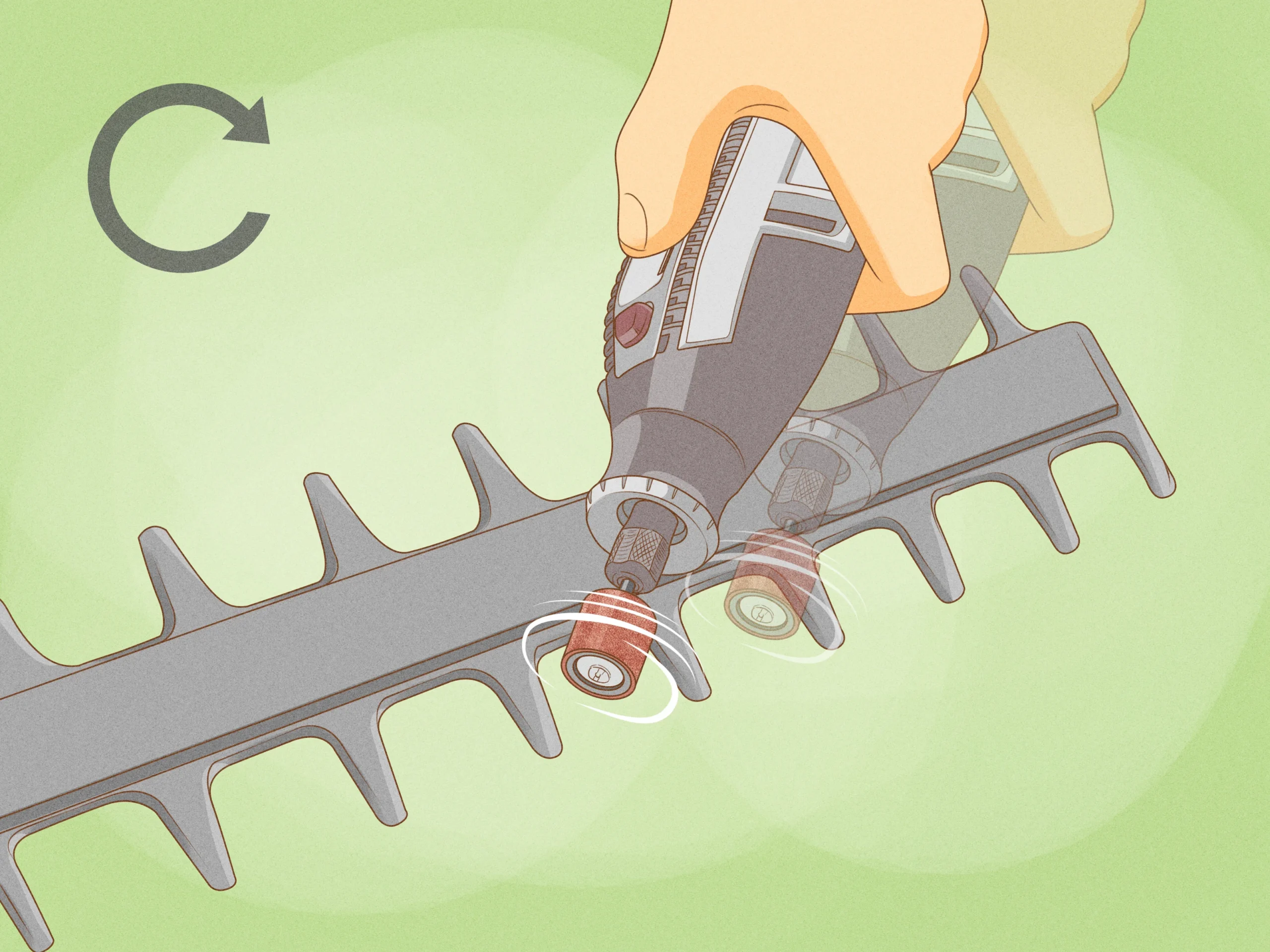 Credit: www.wikihow.com
Dry And Inspect Blades
Drying and inspecting hedge trimmer blades is a crucial step after cleaning. It prevents rust and ensures the blades work efficiently. Wet blades can quickly develop rust spots that reduce cutting performance. Careful inspection helps spot any damage early. This saves time and repair costs later. Follow simple steps for best results.Wipe Blades Thoroughly
Use a clean cloth to wipe the blades completely dry. Remove all moisture from the surface and between the teeth. Pay close attention to corners where water can hide. Avoid leaving any damp areas. A dry blade resists rust and stays sharp longer. Use a soft cloth to prevent scratching the metal.Check For Damage Or Dullness
Look closely at each blade edge for nicks or chips. Damaged blades cut poorly and strain the motor. Run your finger carefully along the blade edges to feel for dull spots. Check for any bends or cracks on the blades. Replace blades with visible damage or severe dullness. Sharp, intact blades make trimming easier and safer.Sharpen The Blades
Sharpening the blades is essential for your hedge trimmer’s performance. Sharp blades cut cleanly, reducing strain on the motor and giving your plants a neat finish. Dull blades tear branches, causing damage and making trimming harder.Regular sharpening keeps your trimmer efficient and safe to use. It also extends the tool’s life by preventing wear and rust on the blades.Secure Blades Safely
Begin by unplugging or removing the battery from your hedge trimmer. This stops accidental starts during sharpening. Use gloves to protect your hands from sharp edges. Clamp the blades firmly in a vise or use a sturdy surface to hold them steady. Avoid applying pressure directly to the cutting edge to prevent damage.File Edges To Restore Sharpness
Use a flat metal file or a sharpening stone designed for hedge trimmers. Follow the blade’s original angle, usually between 30 and 40 degrees. Make smooth, even strokes away from your body. File each tooth the same number of times to keep balance. Wipe the blades clean after sharpening to remove metal filings. Apply light oil to protect the blade from rust and maintain smooth cutting.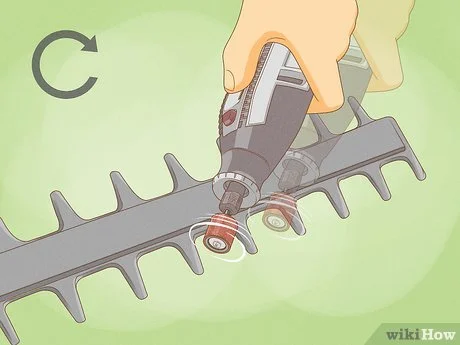 Credit: www.wikihow.com
Lubricate And Store
Proper lubrication and storage keep hedge trimmer blades sharp and rust-free. After cleaning, apply protective oils to prevent moisture and corrosion. Store the trimmer in a dry, cool place to maintain blade condition and extend tool life. These simple steps ensure your hedge trimmer works well for many seasons.Apply Protective Oils
Use light machine oil or specialized blade oil on the blades. Apply a thin, even layer along the cutting edges. Wipe off excess oil with a clean cloth. This prevents rust and keeps blades moving smoothly. Regular oiling reduces wear and tear during use.Store In Dry, Cool Places
Choose a storage spot away from moisture and heat sources. Avoid damp basements or garages prone to humidity. A dry, cool shed or closet works best. Hang the trimmer or place it on a shelf to avoid damage. Proper storage stops rust and blade dulling.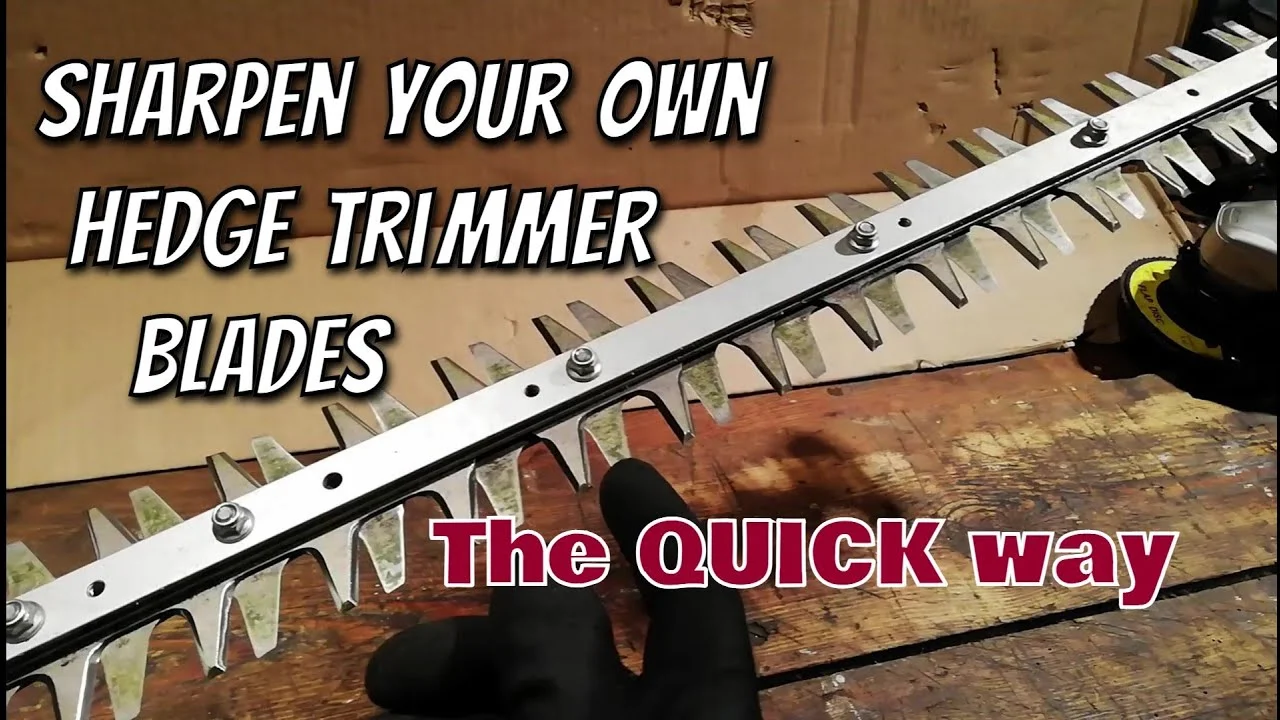 Credit: www.youtube.comFrequently Asked Questions
What Is The Best Way To Clean Hedge Trimmer Blades?Use a brush to remove debris, spray blades with alcohol or turpentine, wipe dry, then lubricate with light oil.Can I Use Wd-40 On Hedge Trimmer Blades?Yes, you can use WD-40 on hedge trimmer blades to remove sap and prevent rust. Wipe blades clean first.What Is A Good Resin Solvent For A Hedge Trimmer?A good resin solvent for a hedge trimmer is turpentine or a commercial resin remover. Isopropyl alcohol also works well. Apply the solvent to dissolve sap and grime, then wipe the blades dry. Always lubricate blades after cleaning to prevent rust and ensure smooth cutting.How To Remove Sap From Hedge Trimmers?Turn off and unplug your hedge trimmer. Use a brush to remove debris. Apply turpentine or resin remover to dissolve sap. Wipe blades dry and lubricate with light oil to prevent rust.How Do I Safely Clean Hedge Trimmer Blades?Always disconnect power or remove the battery before cleaning to avoid accidents.What Tools Are Best For Cleaning Hedge Trimmer Blades?Use a stiff nylon brush, cloth, and a cleaning agent like alcohol or turpentine.
Credit: www.youtube.comFrequently Asked Questions
What Is The Best Way To Clean Hedge Trimmer Blades?Use a brush to remove debris, spray blades with alcohol or turpentine, wipe dry, then lubricate with light oil.Can I Use Wd-40 On Hedge Trimmer Blades?Yes, you can use WD-40 on hedge trimmer blades to remove sap and prevent rust. Wipe blades clean first.What Is A Good Resin Solvent For A Hedge Trimmer?A good resin solvent for a hedge trimmer is turpentine or a commercial resin remover. Isopropyl alcohol also works well. Apply the solvent to dissolve sap and grime, then wipe the blades dry. Always lubricate blades after cleaning to prevent rust and ensure smooth cutting.How To Remove Sap From Hedge Trimmers?Turn off and unplug your hedge trimmer. Use a brush to remove debris. Apply turpentine or resin remover to dissolve sap. Wipe blades dry and lubricate with light oil to prevent rust.How Do I Safely Clean Hedge Trimmer Blades?Always disconnect power or remove the battery before cleaning to avoid accidents.What Tools Are Best For Cleaning Hedge Trimmer Blades?Use a stiff nylon brush, cloth, and a cleaning agent like alcohol or turpentine.Conclusion
Cleaning hedge trimmer blades keeps them sharp and ready to use. Remove debris and sap regularly to avoid damage. Dry the blades well after cleaning to stop rust. Apply oil to keep blades moving smoothly. Sharpen blades if they feel dull or snaggy.Store your trimmer in a dry place to protect it. Follow these steps for longer blade life and better cuts. Simple care saves time and keeps your trimmer working well.Related reading: How to Sharpen Hedge Trimmer Blades.
nn