
Last Updated: March 21, 2026
Your hedge trimmer is key to keeping your garden looking sharp and neat. But if your blades are dirty or clogged with sap and debris, your trimmer won’t work as efficiently—and you might even damage your plants.
Knowing how to clean hedge trimmer blades properly will save you time, improve cutting performance, and extend the life of your tool. In this guide, you’ll discover simple, effective cleaning tips and the best products to use. Keep reading to learn how to get your blades spotless and running smoothly, so your next trimming job feels effortless.
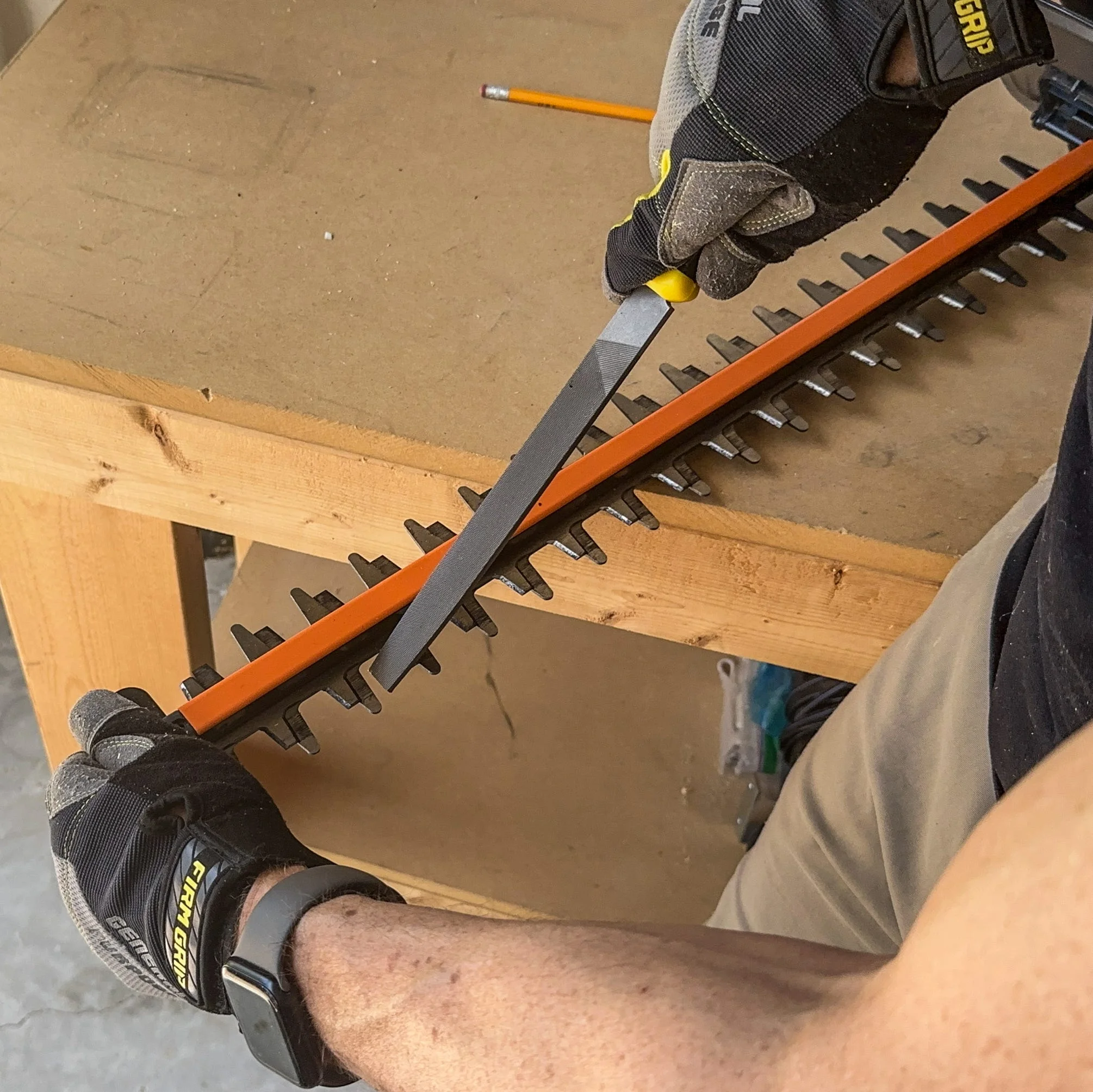
Credit: www.popularmechanics.com
Tools And Materials Needed
Cleaning hedge trimmer blades requires specific tools and materials. Having the right items makes the job easier and more effective. Prepare these before starting to save time and effort.
Specialized Resin Solvent Sprays
These sprays remove sticky sap and resin from blades. Use products like Stihl Super Clean or ECHO Red Armor. Spray the solvent on the blades and let it sit for a few minutes. Then, wipe the blades clean with a cloth.
Isopropyl Alcohol
Isopropyl alcohol works well for sap and residue removal. Apply it to the blades, wait a moment, then wipe off the dirt. It is a good alternative if you lack specialized sprays.
Dish Soap And Warm Water
For general grime, mix dish soap with warm water. Dip a cloth or soft brush in the solution and scrub the blades. This method cleans dirt without harming the metal.
Soft Brush
A soft brush helps remove debris from hard-to-reach parts. Use it gently to avoid damaging the blades. It works well for cleaning between teeth and tight spaces.
Blade Lubricants
After cleaning, lubricate the blades to prevent rust and keep them moving smoothly. Use lubricants made specifically for hedge trimmers. Lanolin-based sprays also protect and extend blade life.
Removing Sap And Resin
Sap and resin build-up on hedge trimmer blades can reduce cutting power and cause damage. These sticky substances come from the plants you trim. Removing them regularly keeps your blades sharp and extends their life. It also helps the blades move smoothly during use. Cleaning sap and resin may seem tough, but with the right tools and methods, it is simple and quick.
Using Resin Dissolver Sprays
Resin dissolver sprays work well to break down sap and sticky resin. These sprays are made for garden tools and are safe for metal blades. Spray the product onto the blade surface. Let it sit for a few minutes to soften the sap. Then, wipe the blades with a clean cloth. Repeat if needed to remove all residue. These sprays also protect blades from rust after cleaning.
Alternative Cleaning Solutions
Isopropyl alcohol is a good option if you don’t have resin dissolver spray. Apply alcohol on a cloth and rub the blades gently. It helps dissolve sap without harming the metal. Another method uses warm water mixed with dish soap. Dip a cloth or soft brush in the soapy water and scrub the blades. This removes dirt and light sap build-up. Dry the blades well after cleaning to prevent rust.
Scrubbing And Wiping Blades
Scrubbing and wiping the blades is a key step in cleaning hedge trimmers. Dirt, sap, and debris stick to the blades and affect their performance. Removing these build-ups keeps the blades sharp and extends their life. This process also prevents rust and damage.
Use gentle tools and methods to avoid harming the blade edges. Careful scrubbing and wiping clear away grime without dulling the blades. Below are simple techniques that work well for cleaning hedge trimmer blades.
Soft Brushes For Debris
Soft brushes remove stuck-on dirt and plant material gently. Use a brush with nylon or soft bristles. Avoid metal brushes that can scratch the blades. Brush along the teeth and between the blades to clear debris. This step loosens grime for easier wiping.
Brush in one direction to lift dirt without pushing it deeper. Soft brushes reach tight spots where cloths cannot. Clean the brush regularly during use to keep it effective. This method prepares the blades for the next step of wiping.
Cloth Cleaning Techniques
Use a clean, dry cloth to wipe the blades after brushing. Microfiber cloths work well to pick up fine dust and particles. For sticky sap or resin, dampen the cloth with a mild cleaning solution. Rub gently along the blade edges and surfaces.
Wipe each blade side carefully to remove all residue. Change or rinse the cloth often to avoid spreading dirt. Finish with a dry cloth to remove moisture. Proper wiping prevents rust and keeps blades sharp for the next use.

Credit: www.stihlshop.co.nz
Drying The Blades
Drying the blades is a vital step after cleaning your hedge trimmer. Wet blades can rust quickly. Moisture left on the metal damages the sharpness and performance. Proper drying keeps your tool ready for the next use.
Use A Clean, Dry Cloth
Start by wiping the blades with a soft cloth. Choose a clean, dry cloth to absorb all moisture. Press gently to avoid damaging the blades. This step removes most of the water and cleaning solution.
Air Dry In A Well-ventilated Area
Place the hedge trimmer in a dry, open space. Avoid humid or damp places. Air circulation helps the blades dry faster. Let the blades sit for at least 30 minutes before storing.
Check For Any Remaining Moisture
After air drying, inspect the blades closely. Look for water drops or damp spots. Use a cloth to remove any moisture you find. Ensuring the blades are fully dry prevents rust and corrosion.
Lubricating For Rust Prevention
Keeping your hedge trimmer blades well-lubricated helps stop rust from forming. Rust can dull blades and shorten their life. Lubrication creates a protective layer that blocks moisture and dirt. Regularly oiling the blades keeps them sharp and smooth. This simple step improves cutting performance and extends tool life.
Specialized Blade Lubricants
Specialized blade lubricants are made for garden tools. They spread evenly and stay on the metal longer. These lubricants reduce friction and protect blades from rust. Use a spray or oil labeled for hedge trimmers. Apply a thin layer on clean blades after each use. This keeps the blades moving freely and prevents corrosion.
Natural Lanolin-based Sprays
Natural lanolin-based sprays offer gentle protection for blades. Lanolin is a waxy substance from sheep’s wool. It creates a water-resistant coating on metal surfaces. These sprays are eco-friendly and safe to use. They help keep blades rust-free without harsh chemicals. Simply spray on the blades and wipe off excess oil.
Other Lubrication Options
Household oils like 3-in-1 oil or sewing machine oil work well. These oils reduce metal-on-metal wear and stop rust. Avoid thick greases that attract dirt and clog blades. WD-40 can be used but may wear off quickly. Regular reapplication is needed for good protection. Always apply lubrication after cleaning and drying blades thoroughly.

Credit: www.youtube.com
Avoiding Common Mistakes
Cleaning hedge trimmer blades properly keeps them sharp and extends their life. Many people make simple mistakes that damage the blades or reduce their performance. Avoiding these errors helps your tool work better for longer. Learn about common pitfalls to skip for safe and effective blade care.
Oils To Skip
Not all oils suit hedge trimmer blades. Avoid cooking oils and vegetable oils. These can gum up the blades and attract dirt. WD-40 is not a long-term lubricant either. It cleans but does not protect well. Use oils made for garden tools or light machine oil. They keep blades smooth without causing build-up.
Improper Storage Risks
Storing hedge trimmers carelessly harms the blades. Leaving blades exposed to moisture causes rust quickly. Rust dulls the blades and shortens tool life. Store blades in a dry place after cleaning. Cover the blades with a protective sheath or cloth. Proper storage keeps blades sharp and ready for use.
Frequency Of Cleaning And Maintenance
Keeping hedge trimmer blades clean and well-maintained is essential for their performance and longevity. The frequency of cleaning and maintenance depends on how often you use the tool and the type of plants you trim. Regular care prevents rust, sap build-up, and dull blades.
Frequent cleaning ensures your hedge trimmer works efficiently. It also reduces wear and tear on the blades and motor. Proper maintenance saves money by extending the tool’s life and improving safety during use.
How Often To Clean Hedge Trimmer Blades
Clean the blades after every use, especially if you cut sticky or resinous plants. Sap and debris can stick quickly and cause damage. For light use, clean the blades at least once a month. For heavy or daily use, clean them after each session.
When To Perform Maintenance
Inspect the blades regularly for signs of rust, dullness, or damage. Sharpen dull blades as needed to keep cuts clean. Lubricate the blades after cleaning to prevent rust and reduce friction. Schedule a thorough maintenance check at the start and end of each trimming season.
Signs That Blades Need Cleaning Or Maintenance
Notice if the trimmer struggles to cut or pulls on branches. Blades that look rusty or have sap build-up need immediate cleaning. If the cuts are uneven or ragged, the blades may require sharpening. Listen for unusual noises during operation, which can indicate blade issues.
Safety Tips During Cleaning
Cleaning hedge trimmer blades is necessary for good tool performance. Safety is the first concern during this process. Sharp blades and power tools can cause injuries. Taking proper safety steps keeps the cleaning task safe and smooth. Follow these tips to protect yourself.
Turn Off And Unplug The Trimmer
Always switch off the hedge trimmer before cleaning. Remove the battery or unplug the power cord. This stops the blades from moving accidentally. Never clean the blades while the tool is connected to power.
Wear Protective Gloves
Use thick gloves to protect your hands from cuts. Sharp blades can easily slice bare skin. Gloves also shield your hands from dirt and cleaning chemicals. Choose gloves that fit well and allow good grip.
Use Eye Protection
Wear safety goggles to guard your eyes. Cleaning sprays and debris can cause eye injury. Goggles keep dust, dirt, and chemicals away from your eyes. This is important even if you work outdoors.
Clean In A Well-lit Area
Work in a bright place to see the blades clearly. Good lighting helps you spot dirt and rust better. It also lowers the risk of accidental cuts. Keep your cleaning area tidy and organized.
Handle Blades With Care
Hold the blades firmly but gently. Avoid touching the sharp edges directly. Use a cloth or brush for cleaning. Keep fingers away from the cutting teeth at all times.
Frequently Asked Questions
What Is The Best Cleaner For Hedge Trimmer Blades?
The best cleaner for hedge trimmer blades is a specialized resin dissolver spray like Stihl Super Clean or ECHO Red Armor. Isopropyl alcohol and soapy warm water also work well for removing sap and grime. Always lubricate blades after cleaning to prevent rust and ensure smooth cutting.
Can I Use Wd-40 On Hedge Trimmer Blades?
WD-40 can clean and lubricate hedge trimmer blades temporarily. Use specialized blade lubricants for better protection and longer blade life.
How To Remove Sap From A Hedge Trimmer?
Spray specialized resin solvent or isopropyl alcohol on the sap. Let it sit, then wipe with a cloth. Use dish soap and warm water for general cleaning. Finish by lubricating blades with garden tool lubricant to prevent rust and maintain smooth cutting.
How Do You Clean Trimmer Blades?
Remove debris with a soft brush. Spray specialized resin solvent or isopropyl alcohol on blades. Wipe clean thoroughly. Dry blades and apply hedge trimmer lubricant to prevent rust and ensure smooth operation. Avoid using cooking oils or storing blades dirty to prevent damage.
What Is The Best Way To Clean Hedge Trimmer Blades?
Use a specialized resin dissolver spray or isopropyl alcohol to remove sap and dirt quickly.
Conclusion
Keeping hedge trimmer blades clean improves their cutting power and lifespan. Regular cleaning removes sap, dirt, and debris that slow the blades. Use the right cleaner and always lubricate after cleaning. Avoid oils that leave sticky residue. A simple cleaning routine saves time and keeps your trimmer working well.
Clean blades make trimming easier and safer. Don’t skip this easy step to protect your tool and get better results every time.
You might also find this helpful: how to sharpen hedge trimmer blades.
Related reading: How to Sharpen a Lawn Mower Blade With a Bench Grinder.
Related reading: Why Won’t My Chainsaw Start.
Related reading: How to Measure a Chainsaw Bar.
{ “@context”: “https://schema.org”, “@type”: “Article”, “headline”: “How to Clean Hedge Trimmer Blades: Easy Steps for Peak Performance”, “description”: “Learn how to clean hedge trimmer blades to maintain sharpness and efficiency by removing sap, debris, and rust for safer, longer-lasting tools.”, “url”: “https://www.powertoolstoday.com/how-to-clean-hedge-trimmer-blades-2/”, “datePublished”: “2025-12-11”, “dateModified”: “2026-03-18”, “author”: { “@type”: “Organization”, “name”: “Power Tools Today”, “url”: “https://www.powertoolstoday.com” }, “publisher”: { “@type”: “Organization”, “name”: “Power Tools Today”, “url”: “https://www.powertoolstoday.com” }, “mainEntityOfPage”: { “@type”: “WebPage”, “@id”: “https://www.powertoolstoday.com/how-to-clean-hedge-trimmer-blades-2/” }, “image”: { “@type”: “ImageObject”, “url”: “https://www.powertoolstoday.com/wp-content/uploads/2025/11/how-to-clean-hedge-trimmer-blades-1.jpg” } }{ “@context”: “https://schema.org”, “@type”: “Article”, “headline”: “How to Clean Hedge Trimmer Blades: Easy Steps for Peak Performance”, “description”: “Learn how to clean hedge trimmer blades to maintain sharpness and efficiency by removing sap, debris, and rust for safer, longer-lasting tools.”, “url”: “https://www.powertoolstoday.com/how-to-clean-hedge-trimmer-blades-2/”, “datePublished”: “2025-12-11”, “dateModified”: “2026-03-19”, “author”: { “@type”: “Organization”, “name”: “Power Tools Today”, “url”: “https://www.powertoolstoday.com” }, “publisher”: { “@type”: “Organization”, “name”: “Power Tools Today”, “url”: “https://www.powertoolstoday.com” }, “mainEntityOfPage”: { “@type”: “WebPage”, “@id”: “https://www.powertoolstoday.com/how-to-clean-hedge-trimmer-blades-2/” }, “image”: { “@type”: “ImageObject”, “url”: “https://www.powertoolstoday.com/wp-content/uploads/2025/11/how-to-clean-hedge-trimmer-blades-1.jpg” } }nnnn