
Last Updated: March 20, 2026
If you’ve ever wondered how to drill into drywall without causing damage or making a mess, you’re in the right place. Drilling into drywall might seem simple, but without the right technique, you could end up with cracked walls, oversized holes, or anchors that don’t hold.
In this guide, you’ll learn exactly how to choose the right drill bit, control your drill, and avoid common mistakes that could cost you time and money. Whether you’re hanging shelves, pictures, or mounting something heavier, these easy-to-follow tips will give you the confidence to get the job done cleanly and securely.
Keep reading, and you’ll master drywall drilling like a pro.
Tools And Materials
Before drilling into drywall, gather the right tools and materials. Having proper equipment ensures clean and accurate holes. It also prevents damage to the wall and makes the job easier. This section covers the essential tools needed for drilling into drywall safely and effectively.
Choosing The Right Drill
Select a drill that suits your project size. Cordless drills offer flexibility and ease of use. They work well for most drywall tasks. A drill with variable speed control helps prevent overdrilling. For bigger jobs, a drywall screw gun can speed up the process. Keep the drill lightweight to reduce hand fatigue.
Selecting Drill Bits For Drywall
Use drill bits designed for drywall or wood. Twist bits are common and work well for holes. Brad-point bits provide cleaner holes with less damage. Avoid using masonry bits, as they are too aggressive. Match the drill bit size to the screw or anchor. This ensures a snug fit and strong hold.
Additional Supplies Needed
Gather anchors and screws for mounting items securely. Plastic anchors work for light to medium loads. Metal anchors provide extra strength for heavy objects. A stud finder helps locate wall studs behind drywall. Use a pencil to mark drilling spots clearly. A level keeps your holes straight and even. Safety glasses protect your eyes from dust and debris.:max_bytes(150000):strip_icc()/how-to-use-and-discard-anchor-screws-1822671-Final-ec8091ccf65241b1b1f888549f25003a.jpg)
Credit: www.thespruce.com
Preparing The Wall
Preparing the wall is the first step for drilling into drywall. This stage helps avoid damage and ensures a strong hold for screws or anchors. Taking time to prepare makes your project safer and neater. Proper preparation prevents common mistakes and saves repair work later.
Locating Studs And Avoiding Hazards
Use a stud finder to locate wooden studs behind the drywall. Studs provide a firm base for screws and heavy items. Avoid drilling near electrical wires or plumbing pipes inside the wall. Check for outlets, switches, and fixtures to prevent accidents. Mark safe spots clearly before you drill.
Marking Drill Points
Mark the exact points where you want to drill using a pencil. Measure twice to ensure accuracy and even spacing. Use a level to keep marks straight for multiple holes. Clear marks help guide the drill and reduce errors. Keep the marks light so they are easy to erase later.
Protecting The Surrounding Area
Cover the floor and nearby furniture with a drop cloth or old sheet. Use painter’s tape around drill spots to catch dust and chips. Clear the area of fragile items to avoid damage. Wear safety goggles to protect your eyes from dust and debris. A clean workspace helps keep the project safe and tidy.
Drilling Techniques
Drilling into drywall requires careful technique to avoid damage and achieve clean holes. Proper drilling methods help maintain wall integrity and make your project easier. Focus on drill speed, pressure, clutch settings, and depth control for best results.
Setting Drill Speed And Pressure
Use a low drill speed to prevent tearing the drywall paper. Slow speeds give better control and reduce dust. Apply gentle pressure; pressing too hard can crack the drywall. Let the drill bit do the work by guiding it steadily.
Using Clutch Settings
Adjust the drill’s clutch to control torque and prevent overdriving screws. A lower clutch setting stops the drill once the screw is flush with the wall. This protects the drywall from dents and damage. Test the clutch setting on a scrap piece first.
Preventing Over-drilling
Stop drilling as soon as the hole is deep enough. Over-drilling creates large holes that weaken the wall. Use a drill stop or tape on the bit to mark the drilling depth. This simple trick keeps holes neat and consistent every time.
Anchors And Fasteners
Anchors and fasteners play a vital role in drilling into drywall. They hold screws firmly and prevent damage. Choosing the right anchor and installing it correctly ensures strong support for your items.
Using the proper fasteners avoids cracks and holes in the drywall. It also stops your mounted objects from falling. Learning about anchors and fasteners helps you drill safely and effectively.
Choosing Suitable Anchors
Pick anchors based on the weight and type of your item. Plastic anchors work well for light objects like picture frames. Metal anchors suit heavier items such as shelves or mirrors. Toggle bolts offer extra strength for very heavy objects. Check the package for weight limits before buying.
Installing Anchors Properly
Start by drilling a hole that matches the anchor size. Clean the hole of dust to ensure tight fitting. Push the anchor gently into the hole until flush with the wall. For toggle bolts, insert the folded wings and tighten the screw slowly. Avoid forcing anchors to prevent wall damage.
Driving Screws Without Damage
Use a screwdriver or drill with a low speed setting. Align the screw properly with the anchor to avoid slipping. Turn the screw slowly and stop when it feels tight. Do not overtighten as this may crack the drywall or strip the anchor. A steady hand keeps the wall and anchor intact.
Common Mistakes To Avoid
Drilling into drywall seems simple, but many beginners make avoidable errors. These mistakes can damage your wall or cause safety risks. Understanding common pitfalls helps you drill clean, secure holes. Below are key errors to watch out for.
Drilling In Unsafe Locations
Never drill near electrical outlets or switches. Wires hidden behind drywall can cause shocks or damage. Avoid drilling close to plumbing pipes too. Use a stud finder with wire detection to check before drilling. Safe locations prevent accidents and costly repairs.
Using Incorrect Drill Bits
Choose the right drill bit for drywall. Standard twist bits work well for most holes. Using a masonry bit can crack the drywall. A brad-point bit creates cleaner holes with less dust. Using wrong bits leads to messy holes and wall damage.
Applying Excessive Force
Pressing too hard can break the drywall surface. Let the drill do the work by applying gentle pressure. Excessive force causes large holes or crumbling edges. Smooth, steady drilling protects the wall and gives better results.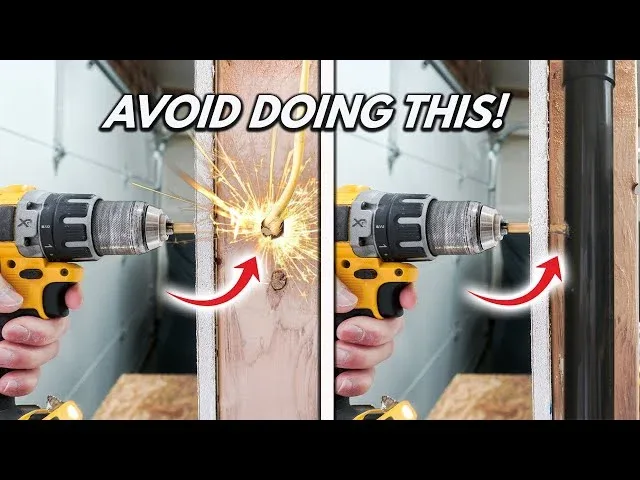
Credit: www.youtube.com
Conclusion
Drilling into drywall is simple with the right tools and care. Always choose the correct drill bit for your project. Take your time and apply gentle pressure to avoid damage. Avoid drilling near electrical outlets or switches for safety. Practice on a scrap piece if unsure.
Following these tips ensures clean, secure holes every time. Enjoy your DIY project with confidence and ease.
Frequently Asked Questions
Yes, you can use a regular drill for drywall. Use the right drill bit and control speed to avoid over-drilling. Specialized drywall screw guns work faster for large jobs.
No, drywall anchors are unnecessary when drilling directly into a stud. Screws alone provide strong support.
You can’t drill into drywall if you use the wrong drill bit or apply too much pressure. Studs, electrical wires, or pipes behind drywall may block drilling. Always locate studs and avoid obstacles before drilling. Use a proper drill bit and control speed for smooth, clean holes.
Use a standard twist drill bit or a brad-point bit to drill into drywall. These bits create clean holes without damaging the wall. Avoid using masonry bits unless drilling into studs behind drywall. Keep drill speed slow to prevent tearing the drywall surface.
Use a drill, drywall drill bit, drywall anchors, a pencil, and a level for safe drilling.
Pick a standard twist bit or a brad-point bit sized to your anchor or screw.
Related reading: how to drill a hole in a ceramic pot.
Related reading: what a rotary hammer drill is used for.
Related reading: hammer drill vs impact driver comparison.
Related reading: can a hammer drill be used as a regular drill.
Related reading: using a hammer drill as a regular drill.
Related reading: what a magnetic drill press is.
{ “@context”: “https://schema.org”, “@type”: “Article”, “headline”: “How to Drill into Drywall: Expert Tips for Perfect Holes Every Time”, “description”: “Learn how to drill into drywall safely by understanding the tools, techniques, and precautions needed to create clean holes without damaging the wall surface.”, “url”: “https://www.powertoolstoday.com/how-to-drill-into-drywall/”, “datePublished”: “2025-11-08”, “dateModified”: “2026-03-18”, “author”: { “@type”: “Organization”, “name”: “Power Tools Today”, “url”: “https://www.powertoolstoday.com” }, “publisher”: { “@type”: “Organization”, “name”: “Power Tools Today”, “url”: “https://www.powertoolstoday.com” }, “mainEntityOfPage”: { “@type”: “WebPage”, “@id”: “https://www.powertoolstoday.com/how-to-drill-into-drywall/” }, “image”: { “@type”: “ImageObject”, “url”: “https://www.powertoolstoday.com/wp-content/uploads/2025/11/How-to-Drill-a-Pilot-Hole-Expert-Tips-for-Perfect-Precision_featured_1200x675-1024×576.webp” } }