
Last Updated: March 21, 2026
You just discovered that your carpet is wet, and you don’t have a vacuum to help dry it. It’s frustrating, right?
Leaving your carpet damp can lead to unpleasant odors, mold, and permanent damage. But don’t worry—there are simple, effective ways to dry your carpet quickly without a vacuum. In this guide, you’ll learn easy steps you can take right now using items you probably already have at home.
By following these tips, you’ll protect your carpet and your home from water damage, saving time and money. Keep reading to find out how to dry your wet carpet fast and safely—no vacuum needed!
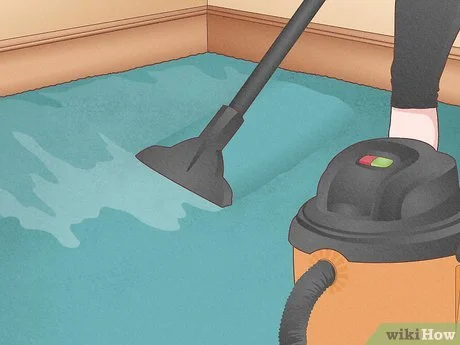
Credit: www.wikihow.com
Remove Excess Water
Removing excess water from a wet carpet is the first step to faster drying. Water trapped in carpet fibers can cause damage and mold growth.
Start by absorbing as much water as possible to reduce moisture deep inside. This makes drying easier and prevents bad smells.
Use Towels To Blot Water
Lay thick towels over the wet carpet. Press down firmly to soak up water.
Replace towels as they become wet. Repeat this process several times to remove most water.
Apply Pressure To Extract Moisture
Step gently on the towels to push water out of the carpet. Use your hands to press hard on the towels as well.
This helps move water from carpet fibers into the towels for better absorption.
Use items like old bed sheets or newspapers if towels are not available. They soak water well and are easy to replace.
Spread them over the wet area and press down to draw out moisture from the carpet.
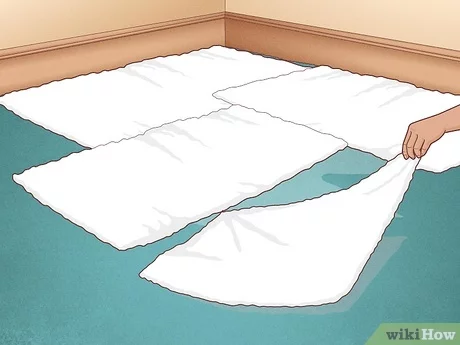
Credit: carpet-cleaning-mornington-peninsula.com
Use Absorbent Materials
Using absorbent materials is a simple way to dry a wet carpet without a vacuum. These materials pull moisture out of the carpet fibers quickly. They work best when you act fast and press firmly. Changing the absorbent material often helps remove more water. This method is affordable and uses items you likely have at home.
Towels And Bed Sheets
Thick towels soak up water well from a wet carpet. Lay them flat over the wet areas. Press down or walk gently on the towels to help absorb moisture. Change the towels as they become damp. Bed sheets work similarly and cover larger areas. Use clean, dry sheets for better absorption. Both towels and sheets help reduce drying time effectively.
Newspaper And Cloth Options
Newspapers can absorb water quickly from carpet surfaces. Crumple several sheets and place them on the damp spots. Press down gently and replace the paper as it gets wet. Soft cloths like cotton rags also work well. They are easy to handle and can reach small carpet areas. These materials are handy when towels or sheets are not available.
Boost Air Circulation
Boosting air circulation is essential to dry a wet carpet without using a vacuum. It helps moisture evaporate faster and prevents mold growth. Air moving across the carpet surface speeds up drying by carrying away damp air. Use natural airflow and fans to create a steady breeze over the wet area.
Open Windows And Doors
Open all windows and doors in the room with the wet carpet. This allows fresh air to flow inside and moist air to exit. Cross-ventilation works best when windows or doors are open on opposite sides. The moving air helps pull moisture from the carpet and carry it outside. Keep windows open for several hours or until the carpet feels dry.
Use Fans Effectively
Set up one or more fans to blow air directly over the wet carpet. Position fans so air moves along the carpet’s surface. This airflow speeds up evaporation and dries the fibers faster. Use oscillating fans to cover a wider area. For large spaces, combine ceiling fans with floor fans for better air circulation. Turn fans on high and keep them running until the carpet is fully dry.
Apply Baking Soda
Applying baking soda is a simple and effective way to help dry a wet carpet without a vacuum. Baking soda absorbs moisture and reduces odors, making the carpet fresher as it dries. This method works well for small wet spots and can speed up the drying process.
How To Sprinkle
Start by spreading baking soda evenly over the wet area. Use enough to cover the carpet surface completely. Avoid clumps to ensure the powder absorbs moisture well. You can use a sieve or your hands for even distribution.
Waiting Time
Let the baking soda sit on the carpet for at least 30 minutes. For heavier moisture, leave it for several hours or overnight. This gives the baking soda time to soak up the water and neutralize odors effectively.
Removal
After waiting, sweep or brush the baking soda off the carpet. Use a stiff brush to loosen it from the fibers. Then, shake or beat the carpet outside to remove the powder. Repeat if needed to clear all residue.
Utilize Dehumidifiers
Using a dehumidifier is a smart way to dry a wet carpet without a vacuum. It pulls moisture out of the air and carpet fibers. This speeds up drying and reduces the chance of mold growth. Dehumidifiers work well in enclosed spaces with limited airflow. They help keep the carpet dry and fresh.
Benefits Of Dehumidifying
Dehumidifiers remove excess moisture quickly and efficiently. They lower humidity levels, which helps stop mold and mildew. This keeps your carpet clean and healthy. Dehumidifiers also improve air quality by reducing damp odors. They work quietly and use less energy than fans or heaters. Using a dehumidifier protects your carpet and home from water damage.
Placement Tips
Place the dehumidifier near the wet area of the carpet. Keep doors and windows closed to trap dry air inside. Avoid placing it too close to walls or furniture for better airflow. Make sure the dehumidifier’s water tank is empty before starting. Run the device continuously until the carpet feels dry. Check the carpet often to monitor progress and adjust placement if needed.
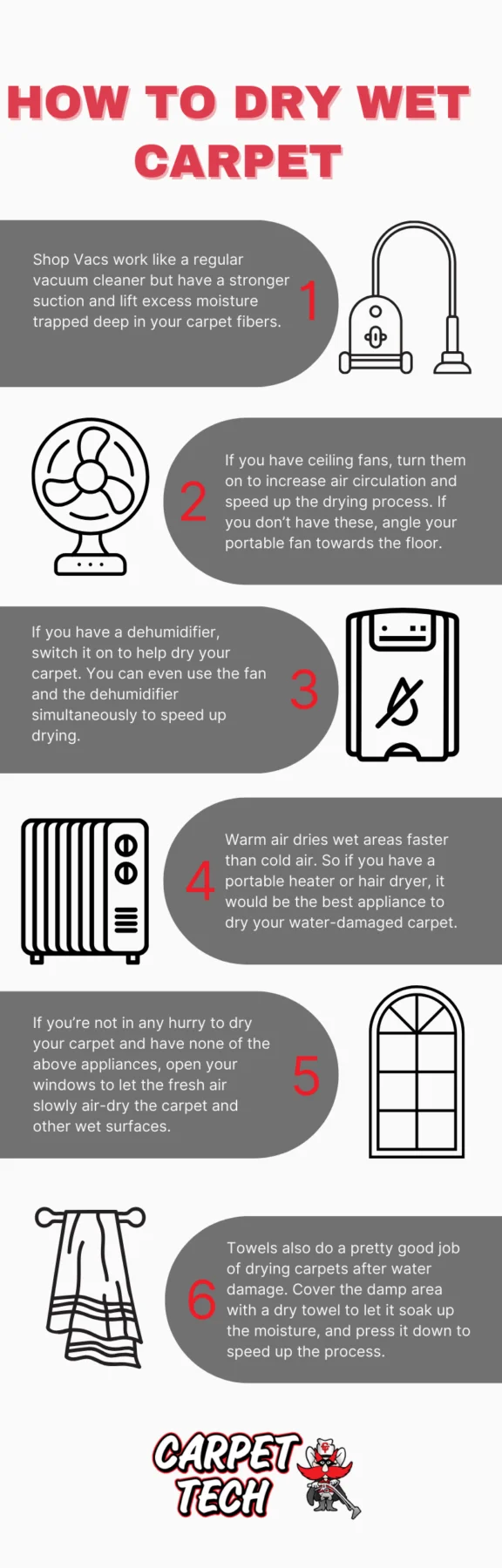
Credit: www.carpettech.com
Use Hairdryer Carefully
Using a hairdryer to dry a wet carpet requires care and attention. It can help speed up the drying process for small wet spots. The hairdryer should be used properly to avoid damage to your carpet fibers. Follow these tips to use a hairdryer safely and effectively.
Cool Setting Usage
Set the hairdryer to the cool or low heat setting. High heat can harm carpet fibers and backing. Hold the hairdryer a few inches above the carpet surface. Move it constantly to avoid overheating one spot. Use the cool air to gently evaporate moisture. This method works best for small damp areas, not large wet sections.
Avoiding Damage
Never keep the hairdryer in one place for too long. Heat can cause melting or shrinking of carpet fibers. Avoid using the hairdryer on delicate or natural fiber carpets. Keep the hairdryer away from water to prevent electric shock. Stop if the carpet feels too hot or changes texture. Use towels and air circulation before using a hairdryer to reduce drying time safely.
Prevent Further Damage
Preventing further damage to a wet carpet is crucial in the drying process. Acting quickly helps avoid mold growth and fiber deterioration. Taking simple steps can keep your carpet in good shape while it dries.
Avoid Walking On Wet Carpet
Walking on a wet carpet spreads water deeper into the fibers. It also causes the carpet to stretch and lose shape. Avoid all foot traffic until the carpet is dry. Use temporary floor coverings if you must walk in the area. This limits damage and speeds up drying.
Protecting Carpet Fibers
Wet carpet fibers are fragile and can break easily. Avoid heavy furniture or objects on the wet area. Move items away or lift them if possible. Keep pets off the carpet to prevent stains and dirt. Gently blot spills with a towel instead of rubbing. This preserves the texture and strength of the carpet fibers.
Monitor Drying Progress
Monitoring the drying progress is essential to prevent mold and damage. It helps you know how much moisture remains in the carpet. This step ensures the carpet dries evenly and safely.
Keep track of the drying process regularly. This way, you can act quickly if the carpet stays damp longer than expected.
Checking Moisture Levels
Use your hand to feel the carpet surface for dampness. Press a clean, dry cloth onto the carpet and check if it absorbs moisture. You can also lift the carpet edge to check the underside.
Note any wet or cool spots. These areas need more drying time or extra air circulation. Repeat this check every few hours to track improvements.
When To Repeat Steps
If moisture remains after several checks, repeat drying actions. Lay fresh towels on wet spots to soak up more water. Increase fan speed or add a dehumidifier for better airflow.
Do this until the carpet feels dry to touch and no dampness is visible underneath. Avoid rushing the process to protect carpet fibers and prevent odors.
Frequently Asked Questions
How Can I Dry My Wet Carpet Fast?
Blot the wet carpet with towels to absorb water. Increase airflow using fans, open windows, or a dehumidifier. Avoid walking on the carpet. For small spots, use a cool hairdryer. Repeat blotting and drying until the carpet feels dry.
How To Dry A Carpet Without A Vacuum?
Blot the carpet with thick towels to absorb water. Use fans, open windows, or a dehumidifier to increase airflow. For small spots, apply a hairdryer on a cool setting. Avoid walking on the wet carpet to prevent damage. Repeat until fully dry.
How To Absorb Water From Carpet Quickly?
Blot the carpet with thick towels to soak up water. Use fans, open windows, or a dehumidifier for faster drying. Sprinkle baking soda to absorb moisture, then brush it off. Avoid walking on the wet carpet to prevent damage.
Will Damp Carpet Dry On Its Own?
Damp carpet can dry on its own but may take days and risk mold growth. Use fans, open windows, and dehumidifiers to speed drying and prevent damage.
How Can I Dry A Wet Carpet Without Using A Vacuum?
Blot the wet carpet with thick towels to soak water. Use fans and open windows for air flow.
Conclusion
Drying a wet carpet without a vacuum is possible with simple steps. Start by blotting water with thick towels or newspapers. Press firmly to absorb as much moisture as you can. Next, improve air flow by opening windows or using fans.
A dehumidifier helps remove remaining dampness faster. Avoid walking on the carpet until it dries fully. This method prevents mold and bad smells. With patience and care, your carpet will dry well and stay fresh. Keep these tips handy for any future spills or leaks.
{ “@context”: “https://schema.org”, “@type”: “Article”, “headline”: “How to Dry Wet Carpet Without Vacuum: Easy DIY Solutions”, “description”: “Learn how to dry wet carpet without vacuum by using absorbent materials and airflow techniques to effectively remove moisture and prevent damage.”, “url”: “https://www.powertoolstoday.com/how-to-dry-wet-carpet-without-vacuum/”, “datePublished”: “2025-12-15”, “dateModified”: “2026-03-18”, “author”: { “@type”: “Organization”, “name”: “Power Tools Today”, “url”: “https://www.powertoolstoday.com” }, “publisher”: { “@type”: “Organization”, “name”: “Power Tools Today”, “url”: “https://www.powertoolstoday.com” }, “mainEntityOfPage”: { “@type”: “WebPage”, “@id”: “https://www.powertoolstoday.com/how-to-dry-wet-carpet-without-vacuum/” }, “image”: { “@type”: “ImageObject”, “url”: “https://www.powertoolstoday.com/wp-content/uploads/2025/11/how-to-dry-wet-carpet-without-vacuum.jpg” } }{ “@context”: “https://schema.org”, “@type”: “Article”, “headline”: “How to Dry Wet Carpet Without Vacuum: Easy DIY Solutions”, “description”: “Learn how to dry wet carpet without vacuum by using absorbent materials and airflow techniques to effectively remove moisture and prevent damage.”, “url”: “https://www.powertoolstoday.com/how-to-dry-wet-carpet-without-vacuum/”, “datePublished”: “2025-12-15”, “dateModified”: “2026-03-19”, “author”: { “@type”: “Organization”, “name”: “Power Tools Today”, “url”: “https://www.powertoolstoday.com” }, “publisher”: { “@type”: “Organization”, “name”: “Power Tools Today”, “url”: “https://www.powertoolstoday.com” }, “mainEntityOfPage”: { “@type”: “WebPage”, “@id”: “https://www.powertoolstoday.com/how-to-dry-wet-carpet-without-vacuum/” }, “image”: { “@type”: “ImageObject”, “url”: “https://www.powertoolstoday.com/wp-content/uploads/2025/11/how-to-dry-wet-carpet-without-vacuum.jpg” } }nnnn