
Last Updated: March 25, 2026
A stripped screw can quickly turn a simple repair into a frustrating challenge. The screw head becomes smooth, your screwdriver slips, and it feels impossible to remove. You are not alone—this problem is common in woodworking, electronics, and even furniture assembly.
But the good news is, with the right tools and smart techniques, you can deal with a stripped screw safely and efficiently. In this guide, you will learn why screws get stripped, different ways to remove them, and how to prevent this headache in the future.
We will also cover what to do if the screw is stuck in wood, metal, or plastic. Let’s get your project back on track.
Why Screws Get Stripped
A stripped screw happens when the slots in the head wear down, making it hard for your screwdriver to grip. Several reasons cause this:
- Using the wrong screwdriver size or type
- Applying too much force at an angle
- Over-tightening the screw
- Low-quality or soft metal screws
Most people do not realize that even a small mismatch between screwdriver and screw head increases the risk. For example, using a Phillips screwdriver on a Pozidriv screw may seem close, but it will wear out the head quickly.
Essential Tools And Materials
Before you start, gather the right tools. Having these ready will save time and reduce damage:
- Screwdriver set (flathead and Phillips)
- Rubber band or steel wool
- Needle-nose pliers
- Hammer
- Drill with drill bits
- Screw extractor kit
- Duct tape
- Lubricant (like WD-40)
- Utility knife
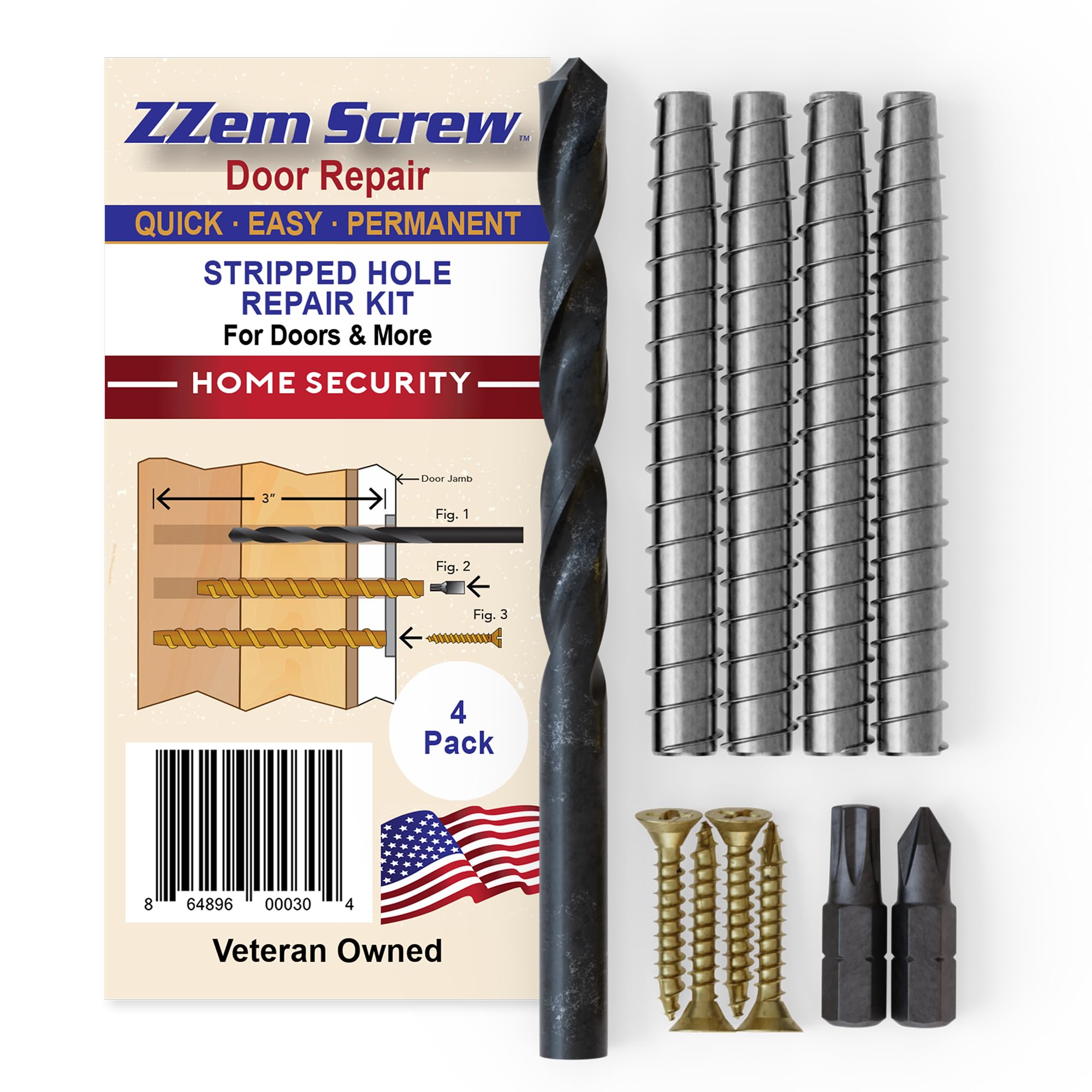
If you work with screws often, investing in a screw extractor kit is wise. These kits are affordable and work on both small and large screws.
Credit: www.amazon.com
Quick Fixes For Lightly Stripped Screws
Sometimes a screw is only slightly stripped. Try these simple tricks first:
1. Use A Rubber Band
Place a wide rubber band over the screw head, then press your screwdriver firmly and turn slowly. The rubber fills the gaps, giving your tool extra grip. If you do not have a rubber band, a piece of steel wool or duct tape works in a pinch.
2. Switch Screwdrivers
Try a different screwdriver. Sometimes a flathead that fits tightly into a Phillips screw can turn it when a Phillips driver cannot. Make sure the tool fits snugly to avoid making the problem worse.
3. Add Friction
A small dab of valve grinding compound or even toothpaste can increase friction. Apply to the screw head before turning. This is rarely mentioned, but it can make a difference, especially with slightly damaged screws.
Advanced Methods For Stubborn Screws
If quick tricks fail, try these stronger methods. Choose based on the screw location, size, and material.
1. Needle-nose Pliers
If the screw head sticks out above the surface, grip it tightly with needle-nose pliers and twist counterclockwise. This direct approach often works if there is enough metal to grab.
2. Tap With A Hammer
Place the screwdriver in the screw head, then tap gently with a hammer while turning. This helps seat the screwdriver deeper and may break corrosion or glue holding the screw. Be careful not to damage the surrounding material.
3. Cut A New Slot
Use a utility knife or small saw to cut a straight slot across the screw head. Now use a flathead screwdriver to turn the screw. This works best for soft metal screws and is especially useful if you do not have special extractors.
4. Drill Out The Screw
If the screw is flush or below the surface, drill a small hole in the center of the head. Start with a drill bit slightly smaller than the screw shaft. This gives your extractor tool or a larger screwdriver better grip.
Go slowly to avoid damaging the material.
Here’s a quick comparison of common extractor tools:
| Extractor Type | Best For | Skill Needed | Cost |
|---|---|---|---|
| Rubber Band/Steel Wool | Lightly stripped screws | Beginner | Very Low |
| Pliers | Protruding screw heads | Beginner | Low |
| Screw Extractor Kit | Deeply stripped screws | Intermediate | Medium |
| Drill | Flush or sunken screws | Intermediate | Medium |
5. Use A Screw Extractor Kit
A screw extractor is a special tool with a reverse-threaded tip. After drilling a small hole in the screw, insert the extractor, turn counterclockwise, and the tool bites into the metal and pulls the screw out. Some extractors even attach to power drills for tough jobs.
Many beginners forget to press firmly and keep the drill speed slow. Too much speed heats the metal, making removal harder.
Credit: pimpmyboss.com
Special Cases: Wood, Metal, And Plastic
Not all stripped screws are equal. The material around the screw changes your approach.
Removing Stripped Screws From Wood
Wood is soft, so be gentle to avoid enlarging the hole:
- Try the rubber band method first.
- If needed, use a flathead screwdriver and gently wiggle as you turn.
- For sunken screws, use a drill and extractor.
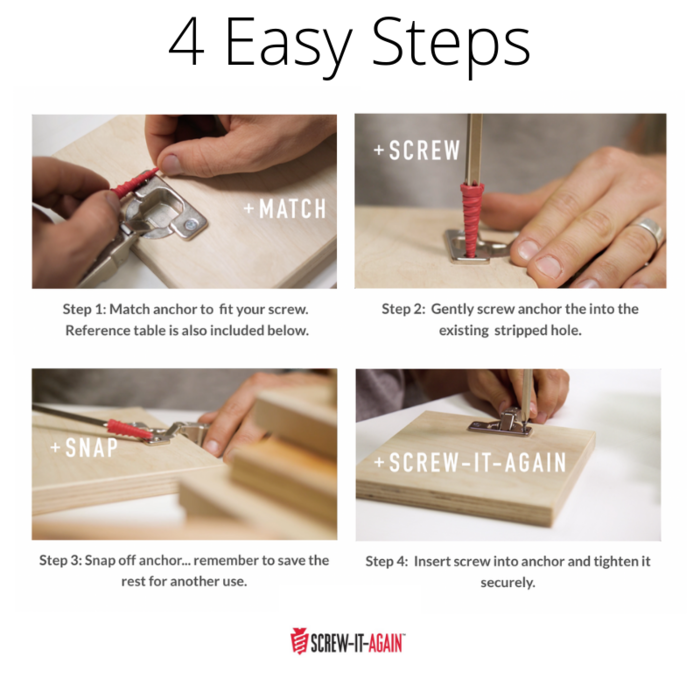
- If the screw won’t budge, drill around it with a slightly larger bit, remove the screw and plug the hole with a dowel before inserting a new screw.
Non-obvious tip: Heating the screwdriver tip for a few seconds can soften glue holding the screw, making removal easier.
Removing Stripped Screws From Metal
Metal holds screws tightly, so:
- Use lubricant (like WD-40) and let it soak for 10-15 minutes.
- Tap gently to break any rust.
- Use a screw extractor for best results.
Never rush with power tools. Metal-on-metal friction can break tools or damage your project.
Removing Stripped Screws From Plastic
Plastic is fragile. Avoid too much force:
- Try friction-increasing tricks (rubber band, steel wool).
- Use only hand tools—never power drills.
- If the screw is stuck, carefully melt the head with a soldering iron, then remove with pliers.
Here’s a summary comparison for different materials:
| Material | Recommended Methods | Special Tips |
|---|---|---|
| Wood | Rubber band, extractor, plug hole | Heat screwdriver tip for glue |
| Metal | Lubricant, tap, extractor | Let lubricant soak in |
| Plastic | Friction tricks, hand tools | Melt head if stuck |
What To Do After Removing A Stripped Screw
Once you remove the stripped screw, check the hole. If it is damaged or too large, you have two main options:
- Fill the hole with wooden toothpicks (for wood) and glue, then re-insert a new screw.
- Use a larger screw or a wall anchor if possible.
Never reuse the stripped screw—replace it with a new one of the same type and length.
How To Prevent Stripped Screws
Prevention is easier than removal. Here are smart steps to avoid this issue:
- Use the right screwdriver size and type for every screw.
- Apply firm, even pressure when turning.
- Avoid power tools for final tightening—hand tools give better control.
- Stop as soon as the screw is tight enough; over-tightening causes stripping.
- Choose high-quality screws, especially for important projects.
- Keep screw heads clean and free from debris before inserting tools.
A practical insight: If you work with many screws, organize your screwdriver bits by type and size. This small habit saves time and prevents mistakes.
Here’s a visual comparison of the risk of stripping based on screwdriver fit:
| Screwdriver Fit | Risk of Stripping | Ease of Use |
|---|---|---|
| Perfect fit | Low | Easy |
| Loose fit | High | Difficult |
| Wrong type | Very High | Unreliable |
Common Mistakes To Avoid
Many people make the problem worse by:
- Forcing the screwdriver when it slips
- Using power tools on already stripped screws
- Skipping lubricants with rusty or stuck screws
- Not drilling a pilot hole when using extractors
Remember, patience and the right technique matter more than brute force.
%20(1).png)
Credit: www.misterworker.com
When To Call A Professional
If the screw is stuck in something valuable (like electronics or antique furniture), or if you have tried all methods without success, it is wise to contact a professional. Damage from excessive force can be much more expensive to fix.
For more on screw removal, you can check resources like this Wikipedia page on screw extractors.
Frequently Asked Questions
How Do I Know If A Screw Is Stripped?
A stripped screw has a head where the slots or cross are worn down. Your screwdriver will slip and not “bite” into the screw. If you notice the tool turning but the screw not moving, it is likely stripped.
Can I Reuse A Stripped Screw?
It is not recommended. A stripped screw is already damaged and will likely cause trouble again. Replace it with a new one of the same size and type for a secure fit.
What If The Stripped Screw Is Very Small?
For tiny screws (like in electronics), use a precision screwdriver. A rubber band can still help. If stuck, a drop of super glue on the tip of your tool can sometimes help turn the screw, but be careful not to glue the screw in place.
Is It Safe To Drill Out A Stripped Screw?
Yes, if you use the right size drill bit and go slowly. Drilling removes the head, allowing you to pull out the rest. Be cautious with delicate materials like plastic or thin metal.
How Can I Prevent Screws From Stripping In The Future?
Use the correct driver, apply steady pressure, do not over-tighten, and always work straight—never at an angle. Quality tools and screws make a big difference.
Fixing a stripped screw does not have to ruin your day. With the right approach, you can solve the problem and finish your project with confidence. Remember: patience, careful tool choice, and a few simple tricks go a long way.
