
Last Updated: March 20, 2026
Thinking about installing an EV home charging station? You’re about to make your electric vehicle experience much more convenient.
Imagine pulling into your garage and charging your car overnight—no more searching for public chargers or waiting in line. But how do you get started? Installing a home charger might seem complicated, but with the right guidance, you can make it simple and safe.
You’ll discover easy-to-follow steps, important tips, and expert advice that will help you set up your EV charging station at home without stress. Keep reading to power up your electric ride faster than you think!
Credit: evmatch.com
Choosing The Right Charger
Choosing the right charger for your electric vehicle (EV) is crucial for a smooth charging experience. The charger you pick affects charging speed, convenience, and compatibility with your car. Understanding different chargers helps you make a smart decision that fits your needs and budget.
Types Of Ev Chargers
There are three main types of EV chargers: Level 1, Level 2, and DC Fast Chargers. Level 1 chargers use a standard 120-volt outlet and are the slowest option. Level 2 chargers need a 240-volt outlet and charge much faster. DC Fast Chargers provide the quickest charging but are usually for public or commercial use, not home installation.
Charger Speeds And Power Levels
Charger speed depends on its power output, measured in kilowatts (kW). Level 1 chargers offer about 1.4 kW, adding around 4-5 miles of range per hour. Level 2 chargers range from 3.3 kW to 19.2 kW, adding 10-60 miles per hour. Higher power means faster charging but may require electrical upgrades at home.
Compatibility With Your Vehicle
Your EV must match the charger’s connector type and power capacity. Most EVs use the SAE J1772 connector for Level 1 and Level 2 charging. Tesla vehicles have a special connector but come with an adapter. Check your car’s manual for the recommended charger specifications to ensure proper compatibility and safety.
Assessing Your Home Electrical System
Installing an EV home charging station requires a clear understanding of your home’s electrical system. Assessing it ensures safety and efficient charging. This step helps identify if your current setup supports the new equipment. It also points out any necessary upgrades to handle increased electrical loads. A thorough check prevents future electrical issues and costly repairs.
Electrical Panel Capacity
The electrical panel controls power distribution in your home. It has a maximum capacity measured in amperes (amps). Most EV chargers need 240 volts and 30 to 50 amps. Check if your panel can supply extra power for the charger. If your panel is too small, it may cause overloads or trips. You might find the capacity labeled on the panel door or inside.
Required Upgrades
Older homes often need electrical upgrades for EV chargers. Common upgrades include installing a new panel or subpanel. You may need thicker wiring to handle higher currents safely. Upgrades ensure your system meets local electrical codes. An electrician can recommend what changes are necessary for your home. These improvements protect your home and charger from damage.
Circuit Breaker Specifications
The circuit breaker protects your home from electrical faults. Your EV charger requires a dedicated breaker sized for its power needs. Breakers come in various amperages, usually between 30 and 50 amps. Use a breaker that matches the charger’s specifications exactly. The breaker should be compatible with your panel brand. Proper breaker installation prevents overheating and electrical hazards.
Selecting The Installation Location
Choosing the right location for your EV home charging station is key. The spot must suit your daily routine and ensure easy access. Consider where you park your car most often. Think about safety and convenience too. This helps make charging simple and stress-free.
Proximity To Parking Spot
Place the charger close to where you park your vehicle. This reduces the need for long cables. A short cable keeps the area neat and safe. It also makes plugging in quick and easy. Check that the cable can reach your car’s charging port comfortably.
Accessibility And Safety Considerations
Choose a spot that is easy to reach at any time. Avoid locations that block walkways or driveways. The area should be free from hazards like water or debris. Ensure the charger is installed at a height that prevents damage or injury. Good lighting improves safety, especially at night.
Indoor Vs Outdoor Installation
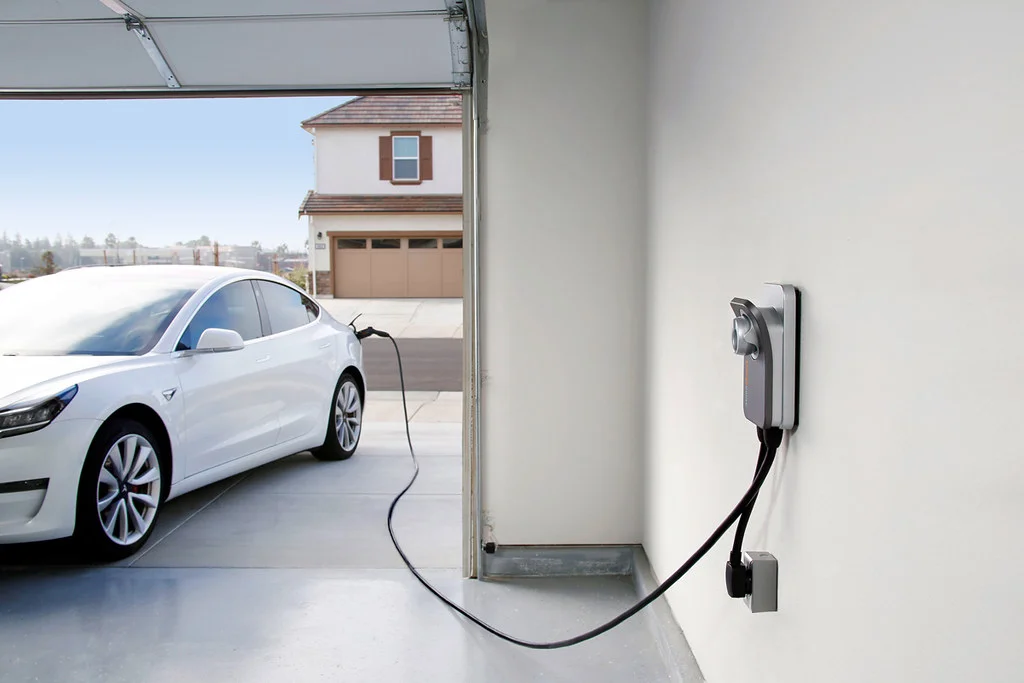
Indoor installation protects the charger from weather damage. Garages are ideal if you have one. Outdoor chargers must be weatherproof and durable. Place outdoor units in sheltered spots to avoid direct rain or sun. Consider local climate and weather conditions before deciding.
Credit: www.prairielectric.com
Gathering Necessary Tools And Materials
Preparing to install an EV home charging station starts with gathering all necessary tools and materials. This step ensures a smooth and safe installation process. Having the right equipment ready avoids delays and mistakes. Below are the key items you will need for the task.
Essential Installation Equipment
You will need a drill, screwdriver, voltage tester, and wire stripper. A level helps mount the station straight on the wall. A wrench set may be required for tightening bolts. Ensure you have the charger unit and mounting bracket from the manufacturer. A ladder can assist if installation is high on the wall.
Wiring And Conduit Requirements
Use heavy-duty electrical wires rated for your charger’s power. Typically, copper wires with proper gauge size are necessary. A conduit protects the wires and keeps the installation neat. Choose PVC or metal conduit depending on your home’s building codes. Gather connectors, junction boxes, and electrical tape for secure connections.
Safety Gear
Safety is vital during electrical work. Wear insulated gloves to protect against shocks. Use safety goggles to shield your eyes from debris. A dust mask helps when drilling into walls. Wear sturdy shoes with rubber soles for better grip and insulation. Keep a fire extinguisher nearby as a precaution.
Preparing The Site
Preparing the site is a crucial step before installing an EV home charging station. This stage ensures the charger fits well and works safely. Proper preparation saves time and avoids costly mistakes later.
Each step must be done carefully and accurately. The site must be ready to support the electrical and physical demands of the charger. Follow these simple steps to prepare your site effectively.
Marking And Measuring
Start by choosing the best spot for your charger. Measure the distance from your parking area to your main electrical panel. Mark the exact location on the wall or post where the charger will mount. Use a level to keep marks straight and even.
Check that the charger will be easy to reach and use. Leave space for cables and plugs. Double-check your measurements before drilling or cutting. Accurate marks make installation smoother and safer.
Mounting Surface Preparation
Inspect the mounting surface to ensure it is strong and flat. Clean any dirt, dust, or debris from the wall or post. Repair cracks or holes that could weaken the surface. Use anchors or screws suitable for the wall type.
If the surface is drywall, find studs to support the charger weight. For concrete or brick, use a masonry drill bit to make holes. A sturdy surface prevents damage and keeps the charger secure.
Running Electrical Conduit
Plan the path for electrical conduit from the power source to the charger. Keep the conduit route clear of obstructions and away from water sources. Use a conduit size that fits your wiring needs and local codes.
Secure the conduit firmly to walls or ceilings with clamps. Avoid sharp bends that can damage wires. Proper conduit installation protects wiring and ensures safe electricity flow to your charger.
Installing The Charger Unit
Installing the charger unit is a key step in setting up your EV home charging station. It requires careful handling to ensure safety and proper function. This part of the process involves mounting the charger, connecting the wiring, and securing the unit firmly. Each step must be done with attention to detail to avoid future issues.
Mounting The Charger
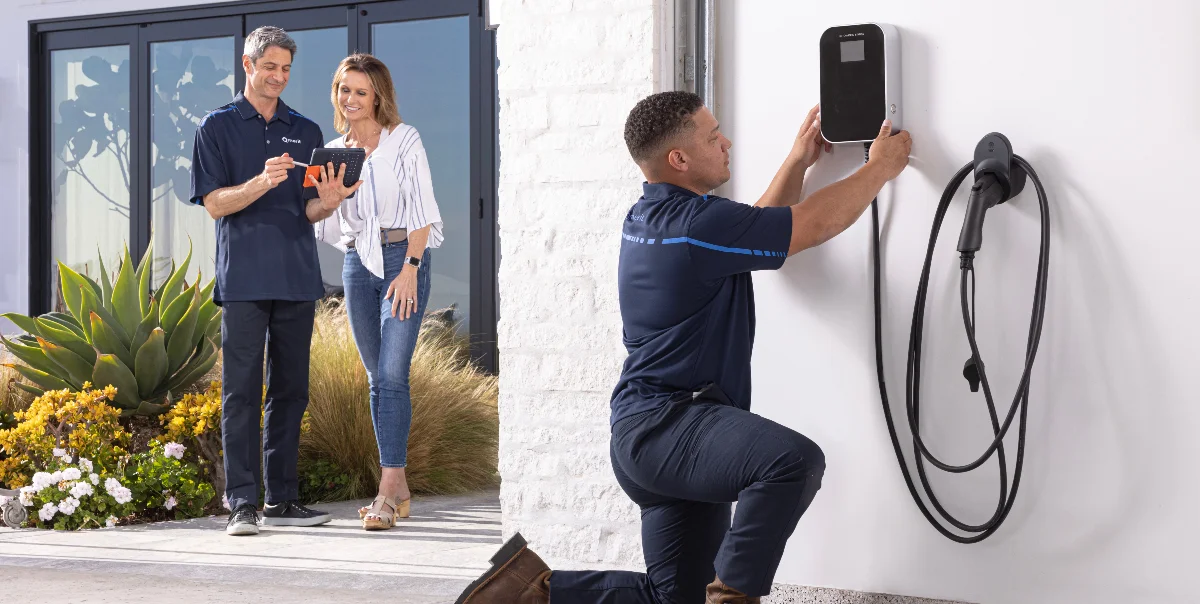
Choose a flat, sturdy wall near your parking spot. Use a level to align the charger perfectly. Mark the drill points on the wall using the charger’s mounting plate as a guide. Drill holes and insert anchors if needed. Attach the mounting plate securely with screws. Hang the charger on the plate, ensuring it fits tightly without wobbling.
Connecting Wiring
Turn off the main power before starting any wiring. Run the cable from your electrical panel to the charger location. Strip the wires carefully to avoid damage. Connect the wires to the charger terminals following the manufacturer’s instructions. Match the colors: black to live, white to neutral, green to ground. Double-check all connections for tightness and correctness before moving on.
Securing The Unit
Once wiring is complete, fasten the charger cover. This protects internal components from dust and moisture. Use the screws provided to secure the cover firmly. Make sure no wires are pinched or exposed. Test the charger by restoring power and checking the indicator lights. A stable, secure unit ensures safe and reliable charging every time.
Connecting To Power And Testing
Connecting your EV home charging station to power and testing it ensures safe and efficient operation. This stage requires careful work with your home’s electrical system. Proper connections prevent hazards and guarantee your charger works correctly.
Follow clear steps to install the circuit breaker, connect power safely, and test the charger. Each step plays a vital role in the installation process. Attention to detail keeps your home and vehicle safe.
Circuit Breaker Installation
Begin by turning off the main power to avoid shocks. Install a dedicated circuit breaker that matches your charger’s power needs. The breaker should be rated for the charger’s amperage to prevent overloads. Secure the breaker inside your electrical panel. Connect wires from the breaker to the charger circuit. Double-check all connections to ensure they are tight and safe.
Power Connection Procedures
Use appropriate gauge wiring as per your charger’s specifications. Run the cable from the circuit breaker panel to the charging station location. Avoid sharp bends or damage to the cable during installation. Connect the wiring to the charger terminals following the manufacturer’s guidelines. Ground the charger properly to protect against electrical faults. Ensure all connections are secure before restoring power.
Testing Charger Functionality
Switch the main power back on and then turn on the circuit breaker. Observe the charger’s indicator lights for normal operation signals. Use a test meter to verify voltage at the charger terminals. Plug in your EV and check if charging starts automatically. Monitor the charger for any error messages or unusual behavior. Confirm the charger stops charging when the battery is full or unplugged.
Credit: qmerit.com
Ensuring Safety And Compliance
Installing an EV home charging station requires careful attention to safety and compliance. Ignoring rules and safety can cause serious risks. Following local codes, hiring experts, and maintaining the charger ensure long-term safety. This section explains key steps to keep your installation safe and legal.
Local Codes And Permits
Every area has rules for electrical installations. These local codes protect your home and family. Before installation, check with your city or county office about permits. Permits confirm your setup meets safety standards. Skipping permits can lead to fines or forced removal of equipment. Always apply for required permits before starting work.
Hiring A Licensed Electrician
Electric vehicle chargers connect to your home’s electrical system. Mistakes can cause fires or shocks. A licensed electrician understands wiring and safety codes. They ensure proper installation and avoid hazards. Hiring a professional also keeps your warranty valid. Ask for proof of license and insurance before hiring.
Regular Maintenance Tips
Keep your EV charger in good shape with regular checks. Inspect cables and plugs for damage or wear. Clean the unit gently to remove dust and dirt. Test the charger periodically to confirm it works properly. If you spot any issues, contact a professional electrician. Routine maintenance extends charger life and keeps it safe.
Frequently Asked Questions
Can I Install A Home Ev Charger Myself?
Installing a home EV charger yourself requires electrical expertise. Hiring a licensed electrician ensures safety and proper functionality.
How Much Does It Cost To Install An Ev Charging Station In Your Home?
Installing a home EV charging station typically costs between $500 and $2,000. Costs vary by charger type and electrical upgrades. Hiring a licensed electrician ensures safe, code-compliant installation.
What Is The 80% Rule For Ev Charging?
The 80% rule limits EV charging to 80% battery capacity for faster, safer charging and longer battery life.
What Does It Cost To Have An Ev Charger Installed At Home?
Installing a home EV charger typically costs between $500 and $2,000, including equipment and labor. Prices vary by charger type and electrical upgrades needed.
Can I Install An Ev Home Charging Station Myself?
Installing an EV charger needs electrical skills and knowledge to ensure safety and proper function.
Conclusion
Installing an EV home charging station is a smart choice for electric vehicle owners. It saves time and offers convenience every day. Safety matters most, so follow the steps carefully. Hiring a licensed electrician helps avoid problems and ensures proper setup.
Choosing the right charger matches your vehicle’s needs and power capacity. Once installed, enjoy quick and easy charging at home. This simple upgrade supports a cleaner, greener lifestyle. Start planning your installation today for a smoother EV experience.
{ “@context”: “https://schema.org”, “@type”: “Article”, “headline”: “How to Install an Ev Home Charging Station: Step-by-Step Guide”, “description”: “Learn how to install an EV home charging station by understanding its components, setup process, and the benefits of convenient electric vehicle charging at…”, “url”: “https://www.powertoolstoday.com/how-to-install-an-ev-home-charging-station/”, “datePublished”: “2025-11-20”, “dateModified”: “2026-03-19”, “author”: { “@type”: “Organization”, “name”: “Power Tools Today”, “url”: “https://www.powertoolstoday.com” }, “publisher”: { “@type”: “Organization”, “name”: “Power Tools Today”, “url”: “https://www.powertoolstoday.com” }, “mainEntityOfPage”: { “@type”: “WebPage”, “@id”: “https://www.powertoolstoday.com/how-to-install-an-ev-home-charging-station/” }, “image”: { “@type”: “ImageObject”, “url”: “https://www.powertoolstoday.com/wp-content/uploads/2025/11/how-to-install-an-ev-home-charging-station.webp” } }nnnn