
Last Updated: March 20, 2026
If you’ve ever needed to replace or upgrade your band saw blade, you know that getting the right size is crucial for smooth, precise cuts. But how do you measure your band saw blade correctly?
It might seem tricky at first, but with a few simple steps, you can easily find the exact length and width you need. Knowing how to measure your band saw blade not only saves you time and money but also ensures your saw works safely and efficiently.
Keep reading, and you’ll discover an easy, foolproof way to measure your band saw blade like a pro—no guesswork, no frustration.
Blade Length Basics
Understanding the blade length is crucial before measuring a band saw blade. The length affects the blade’s fit and cutting performance. Measuring correctly ensures you buy the right replacement blade. It helps avoid damage to the saw and unsafe operation.
The blade length is the total distance around the blade loop. It includes the cutting edge and the back of the blade. Knowing this length allows you to maintain smooth operation and accurate cuts.
What Is Blade Length?
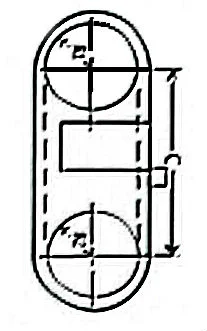
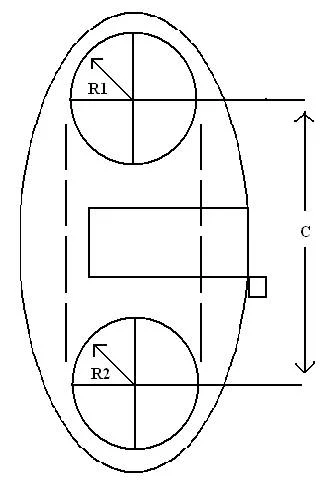
Blade length is the full perimeter of the band saw blade. It is the distance around the entire loop. This length varies depending on the saw model and wheel size. Using a blade with the wrong length can cause slipping or blade breakage.
How To Measure Blade Length Manually
To measure, remove the blade from the saw carefully. Lay it flat on a table without stretching it. Use a tape measure or a piece of string. Run the tape or string along the entire blade edge. Mark the string length, then measure it with a ruler.
Why Accurate Length Matters
An exact blade length ensures the blade fits the saw wheels perfectly. A blade too long will slip or lose tension. A blade too short can snap under pressure. Correct length keeps the blade steady and safe during cutting.
Credit: ellissaw.com
Tools Needed
Measuring band saw blades requires the right tools for accuracy. Using proper tools helps get exact measurements easily. These tools ensure safety and precision during the process.
Below are the essential tools needed to measure band saw blades correctly.
Measuring Tape Or Ruler
A flexible measuring tape or a long ruler is key. It helps measure the blade length along its edge. Choose one with clear, easy-to-read markings.
Caliper
A caliper measures the blade’s width and thickness. This tool provides precise numbers for blade fit and replacement. Digital calipers are simple and fast to use.
Marker Or Chalk
Marking the blade helps track measurement start and end points. Use a fine marker or chalk that shows up on metal. It prevents confusion during the measuring process.
Flat Surface
A flat surface allows you to lay the blade straight. This setup avoids bends or twists that affect length measurement. A clean table or workbench works well.
Protective Gloves
Wearing gloves protects hands from sharp blade edges. Gloves provide a firm grip and reduce injury risk. Choose gloves made for handling metal safely.
Safety Precautions
Measuring band saw blades requires careful handling to avoid injuries. Safety precautions protect you from sharp edges and moving parts. Always prepare your workspace before starting the measurement process.
Wear proper safety gear to reduce risks. Follow simple rules to keep accidents away. Taking safety seriously helps you work confidently and accurately.
Wear Protective Gloves
Gloves protect your hands from sharp blade teeth. Use cut-resistant gloves for best safety. Avoid loose gloves that could catch on the blade.
Turn Off And Unplug The Band Saw
Ensure the band saw is completely off before measuring. Unplug the machine to stop accidental starts. Double-check power is disconnected for full safety.
Handle The Blade Carefully
Hold the blade firmly but gently to avoid cuts. Do not rush while handling the blade. Keep your fingers away from the teeth at all times.
Use Proper Lighting
Good lighting helps you see measurements clearly. Avoid shadows that can cause mistakes or accidents. Bright light improves precision and safety.
Keep Your Work Area Clean
Remove clutter to prevent slips or trips. A clean space helps focus on the task. Organize tools and materials before starting.
Credit: bandsawblog.com
Marking The Blade
Measuring band saw blades starts with marking the blade carefully for accuracy. Use a tape measure along the blade’s edge to find its total length. Marking helps keep track of the size for proper fitting and replacement.
Marking the band saw blade helps measure its length accurately. It shows where the blade starts and ends. This step is key for precise measurement.
Use a permanent marker or masking tape to mark the blade. Place the mark on the back side of the blade. This avoids damage to the teeth during cutting.
Mark near the joint or a noticeable spot on the blade. This mark acts as a reference point for counting or measuring the blade length. It makes the process easier and faster.
Choosing The Right Marking Tool
Select a tool that will not fade or rub off. A fine-tip permanent marker works well. Masking tape with a written mark also helps.
Do not use paint or markers that can damage the blade. Avoid tools that leave residue on the teeth. Clean, clear marks improve accuracy.
Mark Placement Tips
Place the mark on a flat section of the blade. Avoid sharp curves or edges. This keeps the mark visible and easy to find.
Check that the mark does not interfere with the blade’s operation. It should not catch on the saw guides or wheels. A small, neat mark is best.
Using The Mark To Measure Blade Length
Start measuring from the mark to the same mark after one full loop. Count the number of teeth or use a tape measure along the blade length. The mark helps find the exact point to stop measuring.
This method ensures you measure the entire blade length without guessing. It is simple and works for all band saw blades.
Measuring The Blade
Measuring a band saw blade is important for proper fit and performance. The blade length must match your saw to avoid issues during cutting. Accurate measurement helps you pick the right replacement blade quickly. This section guides you through the simple steps to measure your band saw blade.
Measuring Blade Length
To measure the blade length, first remove the blade from the saw. Lay it flat on a clean surface. Use a flexible tape measure to follow the entire length of the blade. Measure from one end of the blade to the other along the blade’s edge. Note the measurement in inches or millimeters.
Measuring Blade Width
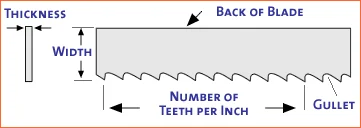
Blade width is the distance from one side of the blade to the other. Use a ruler or caliper for accuracy. Place the measuring tool across the blade’s teeth area. Record the width in inches or millimeters. This helps ensure the blade fits your saw’s guide wheels properly.
Measuring Tooth Pitch
Tooth pitch refers to the distance between teeth on the blade. Count the number of teeth within a one-inch section. Divide one inch by the number of teeth to find the pitch. For example, if there are five teeth in one inch, the pitch is 1/5 inch. Correct tooth pitch improves cutting quality for different materials.
Confirming Correct Size
Confirming the correct size of your band saw blade is crucial before installation. A properly sized blade ensures smooth cuts and extends the blade’s life. Incorrect sizing can cause poor cuts or damage to the saw.
Checking the blade size involves measuring its length, width, and tooth count. Each dimension plays a role in the blade’s performance and compatibility with your band saw. Always verify these measurements against your saw’s requirements.
Measure The Blade Length Accurately
Lay the blade flat on a clean surface. Use a tape measure or ruler to measure the entire length. Start at one end and measure to the other end carefully. If the blade is continuous, measure the loop’s total length. Record the measurement in inches or millimeters.
Check The Blade Width
Measure the width of the blade across the flat side. Use a caliper or ruler for precision. Blade width affects the cut radius and stability. Match the width to your saw’s specifications for best results.
Count The Teeth Per Inch
Count the number of teeth in one inch of the blade. This is called the TPI (Teeth Per Inch). More teeth mean smoother cuts but slower cutting speed. Fewer teeth cut faster but rougher. Choose the TPI based on your cutting needs.
Verify The Blade Thickness
Blade thickness affects strength and flexibility. Measure the thickness with a caliper. Thicker blades resist bending but need more power to run. Thin blades handle tight curves better but may wear faster.
Confirm The Blade’s Tooth Set
Observe the tooth set pattern. This is how teeth bend left and right to clear the cut. Different sets fit different materials and cutting styles. Match the tooth set to your project for efficient cutting.
Credit: dev.detroitbandsaw.com
Frequently Asked Questions
How Do I Know What Size Saw Blade I Need?
Match the blade diameter, tooth count, and material to your cutting task. Check the bore size fits your saw’s arbor. Use fewer teeth for ripping wood, more teeth for fine cuts. Refer to your saw’s manual or measure the blade length by rolling it flat with a tape measure.
What Does A 10 Inch Band Saw Mean?
A 10 inch band saw means the saw’s blade can cut up to 10 inches wide. It refers to the maximum cutting capacity.
What Is The 3-tooth Rule For Bandsaws?
The 3-tooth rule ensures at least three teeth engage the material during cutting. It prevents blade snagging and improves cutting smoothness.
How Long Is A 14-inch Bandsaw Blade?
A 14-inch bandsaw blade typically measures around 84 to 88 inches in length. Exact size depends on the saw model.
How Do You Measure The Length Of A Band Saw Blade?
Measure the blade’s total length by laying it flat and using a tape measure along its edge.
What Tools Are Needed To Measure Band Saw Blades Accurately?
A flexible measuring tape or a piece of string and a ruler work best for accuracy.
Conclusion
Measuring band saw blades is simple with the right steps. Always use a flexible tape or string for accuracy. Measure the blade’s length carefully around the wheels. Don’t forget to check the blade’s width and thickness too. Correct measurements help you choose the best blade for your saw.
This ensures smooth cuts and safer work. Practice measuring a few times to build confidence. Now, you can maintain your band saw blades with ease. Keep your tools ready for any woodworking project ahead.
{ “@context”: “https://schema.org”, “@type”: “Article”, “headline”: “How to Measure Band Saw Blades: Easy Steps for Perfect Cuts”, “description”: “Learn how to measure band saw blades accurately by understanding key dimensions like length, width, and tooth count for proper fit and performance.”, “url”: “https://www.powertoolstoday.com/how-to-measure-band-saw-blades/”, “datePublished”: “2025-11-10”, “dateModified”: “2026-03-18”, “author”: { “@type”: “Organization”, “name”: “Power Tools Today”, “url”: “https://www.powertoolstoday.com” }, “publisher”: { “@type”: “Organization”, “name”: “Power Tools Today”, “url”: “https://www.powertoolstoday.com” }, “mainEntityOfPage”: { “@type”: “WebPage”, “@id”: “https://www.powertoolstoday.com/how-to-measure-band-saw-blades/” }, “image”: { “@type”: “ImageObject”, “url”: “https://www.powertoolstoday.com/wp-content/uploads/2025/11/How-to-Measure-Band-Saw-Blades-1024×576.webp” } }{ “@context”: “https://schema.org”, “@type”: “Article”, “headline”: “How to Measure Band Saw Blades: Easy Steps for Perfect Cuts”, “description”: “Learn how to measure band saw blades accurately by understanding key dimensions like length, width, and tooth count for proper fit and performance.”, “url”: “https://www.powertoolstoday.com/how-to-measure-band-saw-blades/”, “datePublished”: “2025-11-10”, “dateModified”: “2026-03-19”, “author”: { “@type”: “Organization”, “name”: “Power Tools Today”, “url”: “https://www.powertoolstoday.com” }, “publisher”: { “@type”: “Organization”, “name”: “Power Tools Today”, “url”: “https://www.powertoolstoday.com” }, “mainEntityOfPage”: { “@type”: “WebPage”, “@id”: “https://www.powertoolstoday.com/how-to-measure-band-saw-blades/” }, “image”: { “@type”: “ImageObject”, “url”: “https://www.powertoolstoday.com/wp-content/uploads/2025/11/How-to-Measure-Band-Saw-Blades-1024×576.webp” } } nnnn