
Last Updated: March 20, 2026
If you want your car’s paint to look smooth, shiny, and almost brand-new, polishing it with a buffer is the way to go. But if you’ve never used a buffer before, it might seem tricky or even risky.
Don’t worry—you’re about to learn how to handle the tool like a pro. By following simple steps, you’ll remove swirls, scratches, and dullness, giving your car a deep, lasting shine. Ready to take your car’s appearance to the next level?
Keep reading, and discover how easy it can be to polish your car with a buffer, right at home.
Preparing The Car Surface
Preparing the car surface is the first key step before polishing with a buffer. A clean, smooth surface helps the polish work better. Dirt, dust, and grime can cause scratches if not removed properly. Take time to prepare carefully. This protects your car’s paint and improves the final shine.
Washing And Drying
Start by washing the car with a gentle car shampoo. Use a soft sponge or mitt to avoid scratching the paint. Rinse thoroughly to remove all soap and dirt. Dry the car completely with a clean microfiber towel. Avoid air drying as it can leave water spots. A dry surface helps the polish spread evenly.
Removing Contaminants
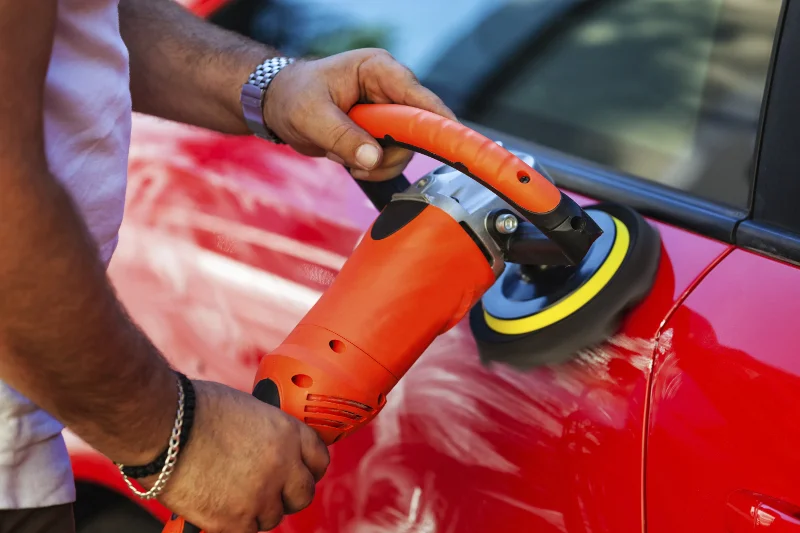
After washing, check the surface for stuck contaminants. Use a clay bar or detailing mitt to remove tar, tree sap, and other stuck particles. Work in small sections and keep the surface lubricated with a clay lubricant. This step clears away impurities that washing alone cannot remove. It leaves the paint smooth and ready for polishing.
Credit: www.carwash.com
Choosing The Right Buffer
Choosing the right buffer is key to polishing your car effectively. The right tool makes the job easier and protects your car’s paint. Buffers vary in design and function. Understanding the differences helps you pick the best one for your needs.
Orbital Vs Rotary Buffers
Orbital buffers move in a circular, random pattern. This reduces the risk of burning the paint. They are ideal for beginners and light polishing jobs. Rotary buffers spin in one direction at high speed. They offer more power and cut deeper. Experienced users prefer rotary buffers for heavy correction. Both types have pros and cons. Choose based on your skill level and the car’s condition.
Selecting The Correct Pads
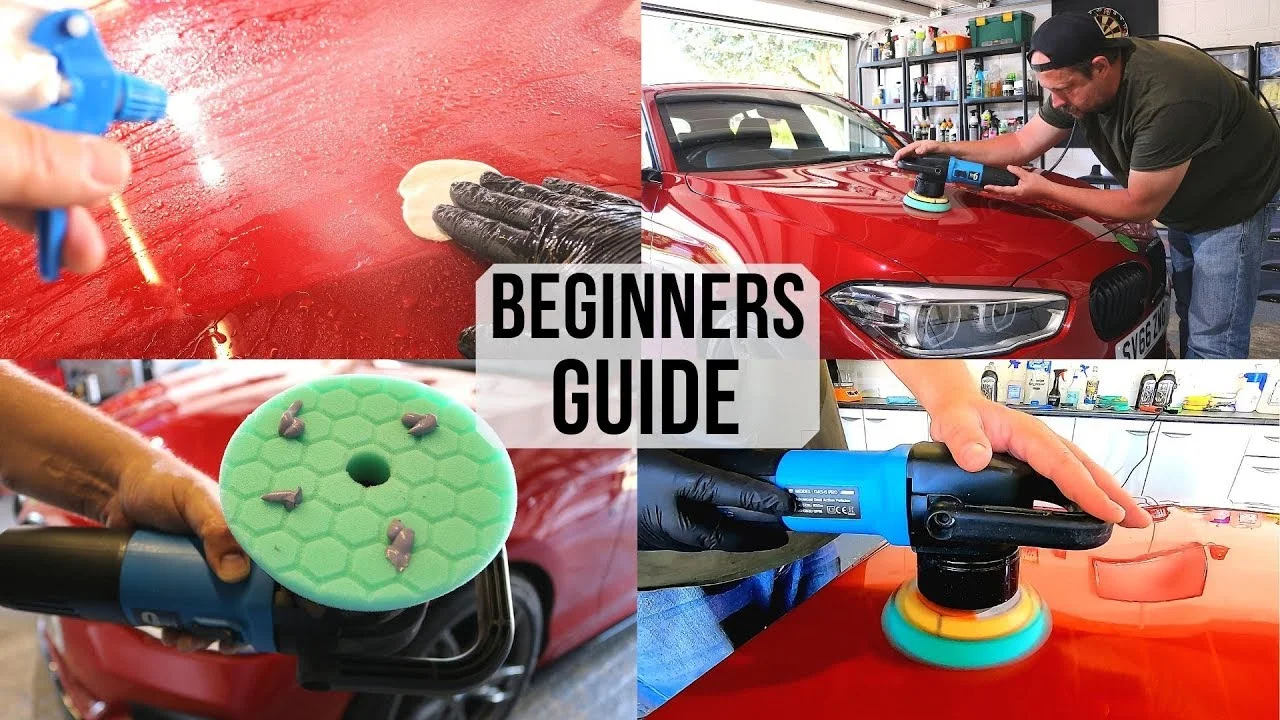
Pads come in different materials and textures. Foam pads are soft and good for applying polish. Wool pads cut more aggressively and remove deeper scratches. The pad color often indicates its use. White or yellow pads suit polishing, while orange or black pads handle compounding. Match the pad to the buffer and polish type. Using the right pad ensures better results and avoids damage.
Selecting The Best Polish
Selecting the best polish is crucial for a smooth and shiny finish. The right polish removes scratches and restores the paint’s gloss. Choosing the correct type depends on your car’s paint condition and the results you want.
Using the wrong polish can harm your paint or leave it looking dull. Understanding the types of polishes helps you pick the best one for your car. This guide explains the key factors in selecting the perfect polish.
Types Of Car Polishes
Car polishes come in several types. Cutting polish removes deep scratches and oxidation. It is more abrasive and ideal for older or damaged paint. Polishing compounds are less harsh and remove light scratches and swirl marks. Finishing polishes add shine and smoothness. They are the least abrasive and perfect for well-maintained paint. Some polishes also include wax for extra protection.
Matching Polish To Paint Condition
Assess your car’s paint before choosing polish. For heavy scratches or faded paint, use a cutting polish first. If the paint has minor scratches or swirls, a polishing compound works best. For a fresh, clean surface, apply a finishing polish to enhance shine. Always start with the least abrasive product and test on a small area. This approach protects your paint and achieves the best results.
Credit: www.youtube.com
Setting Up The Buffer
Setting up the buffer correctly is essential for a smooth polishing job. A properly prepared buffer helps you avoid paint damage and ensures an even polish. Take your time to attach the right pads and adjust the speed settings carefully. This preparation sets the stage for excellent results on your car’s surface.
Attaching Pads
Choose the right pad for your polishing task. Attach it firmly to the buffer’s backing plate. Make sure the pad is centered to avoid wobbling. Press the pad until it clicks or sticks securely. Loose pads can cause uneven polishing or swirl marks. Always check the pad before starting the buffer.
Adjusting Speed Settings
Start with a low speed to spread the polish evenly. Use the buffer’s dial or switch to set the speed. Increase the speed gradually for better cutting and polishing. Avoid very high speeds at first to prevent paint damage. Match the speed to the pad type and polish used. Control is key to a flawless finish.
Applying Polish With The Buffer
Applying polish with a buffer is the key step to restore shine and smoothness. Using the buffer correctly spreads the polish evenly and removes imperfections. This process needs patience and proper technique for best results.
Spreading The Compound Evenly
Start by applying a small amount of polish on the buffer pad. Turn the buffer on low speed to spread the compound. Move the buffer in a gentle circular motion. Cover the surface lightly, avoiding heavy pressure. This helps the polish spread without splattering or wasting product.
Ensure the polish forms a thin, even layer on the paint. Avoid thick patches that take longer to buff off. Even spreading helps the polish work effectively on all areas.
Working In Small Sections
Divide the car’s surface into small, manageable sections. Focus on one section at a time for better control. Work the buffer over the section for about one minute. Use steady, overlapping motions to cover the area well.
After polishing one section, wipe off residue with a clean microfiber cloth. This reveals the polished shine and prevents build-up. Move on to the next section and repeat the process until the whole car is polished.
Buffing Techniques For Shine
Buffing Techniques for Shine focus on how to use the buffer correctly. Proper technique ensures a smooth, glossy finish. It also protects the paint from damage and swirl marks. Follow these simple methods to get the best shine on your car.
Using the right motions and pressure helps the polish work evenly. It allows the buffer to spread the product without overworking one spot. This keeps the paint safe and improves the car’s appearance.
Overlapping Movements
Always move the buffer in overlapping strokes. This means each pass should cover half of the last one. Overlapping ensures even coverage and avoids missed spots. Use slow, steady movements to control the polish better. Work in small sections of the car to keep track easily. This method helps the polish blend smoothly into the paint. It creates a uniform shine without streaks or dull areas.
Avoiding Swirl Marks
Swirl marks are tiny scratches caused by poor buffing habits. To avoid them, do not press the buffer too hard. Let the machine do the work with light, even pressure. Keep the buffer pad clean and replace it if it gets dirty. Work at a moderate speed to reduce heat and friction. Move the buffer constantly and do not stay in one place too long. Use a soft microfiber cloth to wipe off excess polish gently. These steps prevent damage and keep the paint looking flawless.
Finishing Touches
After polishing your car with a buffer, the finishing touches are crucial. These steps ensure a clean, shiny, and smooth surface. Properly completing the process will highlight the effort you put into polishing. Take your time to perfect the final look. The last steps focus on removing any leftover polish and checking the surface carefully.
Wiping Off Residue
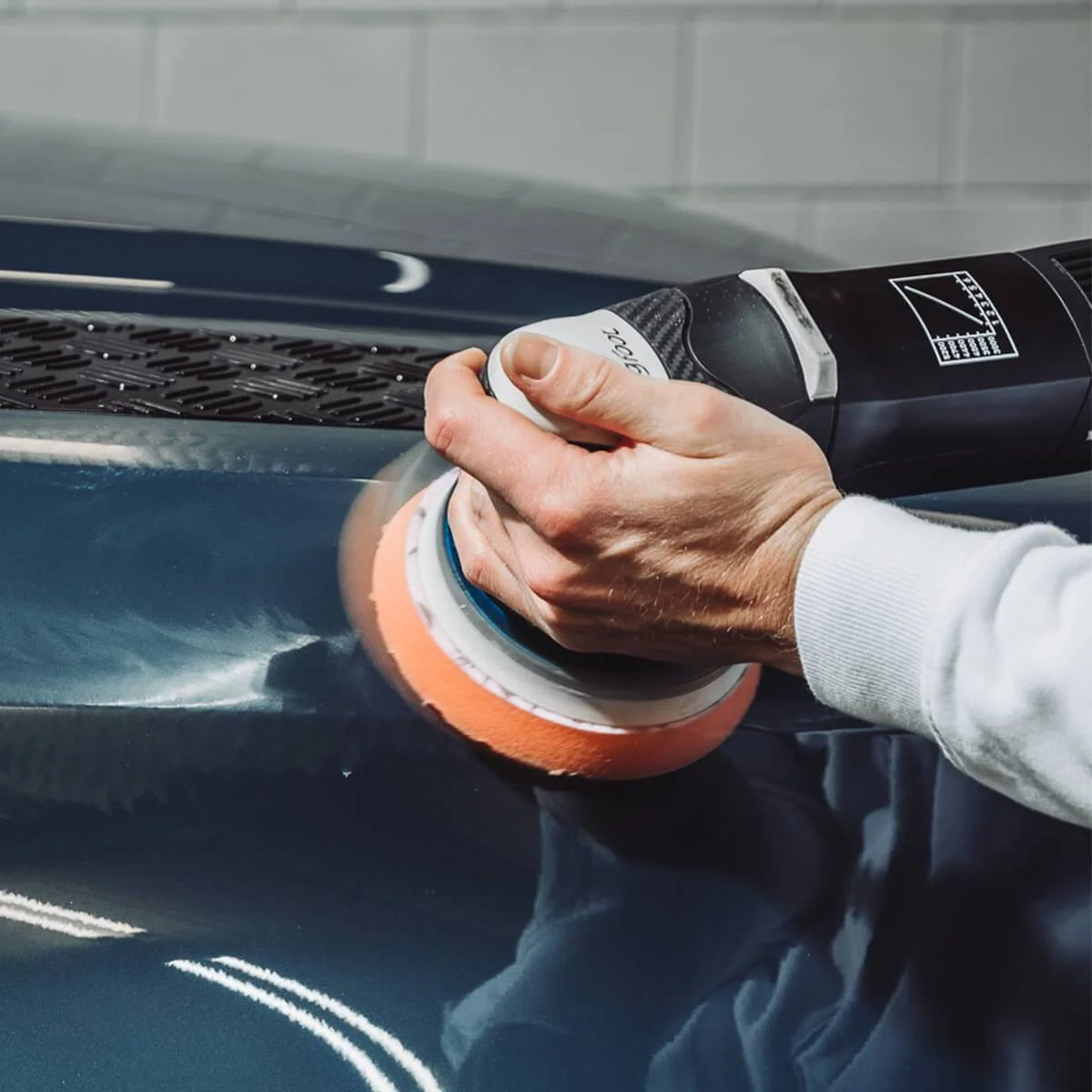
Use a clean microfiber towel to wipe off polish residue. Gently rub the surface in circular motions to avoid scratches. Change towels if they become dirty to prevent spreading residue. Make sure no polish remains in crevices or edges. This step reveals the true shine of the paint. Avoid harsh pressure to keep the finish smooth.
Inspecting The Surface
Look closely at the car’s surface under good light. Check for any missed spots, swirl marks, or uneven polish. Run your hand over the paint to feel for rough patches. If needed, repeat polishing on areas that lack shine. A careful inspection ensures a flawless finish. This step helps maintain the car’s appearance longer.
Credit: www.turtlewax.com
Maintaining Your Polished Finish
Maintaining your polished finish keeps your car looking shiny and new. A polished surface can lose its glow over time. Dirt, dust, and weather can dull the shine. Proper care extends the life of your polish. Follow simple steps to keep your car’s paint smooth and bright. This section covers essential tips for washing and knowing when to reapply polish.
Regular Washing Tips
Wash your car often to protect the polished surface. Use a gentle car shampoo made for waxed or polished finishes. Avoid harsh detergents or household soaps. Rinse well to remove all soap and dirt. Use a soft sponge or microfiber cloth to prevent scratches. Dry the car with a clean, soft towel to avoid water spots. Regular washing stops dirt from building up and harming the polish.
When To Reapply Polish
Check your car’s shine regularly to know when to polish again. Look for dull areas or light scratches. If water stops beading on the surface, polish may be wearing off. Reapply polish every few months or after heavy use. Choose a polish suitable for your car’s paint type. Apply polish with a buffer or by hand, following product instructions. Keeping the polish fresh protects the paint and keeps the shine strong.
Frequently Asked Questions
Can You Polish A Car With A Buffer?
Yes, you can polish a car with a buffer. Use a low speed, apply polish evenly, and move in overlapping patterns. Wipe residue with a microfiber towel.
How To Polish A Car With A Polisher?
Wash and dry your car thoroughly. Attach a foam pad and apply polish evenly. Set the polisher to low speed. Move the polisher in overlapping, steady motions. Increase speed gradually, polishing small sections. Wipe off residue with a clean microfiber towel.
Repeat if needed for a smooth finish.
How Long Does It Take To Polish A Car With A Buffer?
Polishing a car with a buffer usually takes 30 to 60 minutes for an average-sized vehicle. Work in small sections, using slow, overlapping motions. Proper preparation and technique ensure a smooth, shiny finish without damaging the paint.
How To Buff Car Paint For Beginners?
Wash and dry the car thoroughly. Attach a foam pad and apply polish. Set buffer to low speed. Spread polish evenly, then increase speed. Move buffer in overlapping, steady motions. Work in small sections for about a minute each. Wipe residue with a clean microfiber towel.
Can You Polish A Car With A Buffer Safely?
Yes, using a buffer with proper technique and low speed prevents damage and gives a smooth finish.
Conclusion
Polishing a car with a buffer can restore its shine and smoothness. Start slow, use the right polish, and keep the buffer moving evenly. Take your time to avoid damage and achieve a clean finish. Always wipe off excess polish with a soft cloth.
Regular polishing helps protect your car’s paint and keeps it looking fresh. Practice makes perfect, so don’t rush the process. Your car will thank you with a beautiful, polished look that stands out on the road.
{ “@context”: “https://schema.org”, “@type”: “Article”, “headline”: “How to Polish a Car With a Buffer: Expert Tips for a Showroom Shine”, “description”: “Learn how to polish a car with a buffer by understanding the process, tools needed, and techniques to restore shine and remove surface imperfections…”, “url”: “https://www.powertoolstoday.com/how-to-polish-a-car-with-a-buffer/”, “datePublished”: “2025-11-25”, “dateModified”: “2026-03-19”, “author”: { “@type”: “Organization”, “name”: “Power Tools Today”, “url”: “https://www.powertoolstoday.com” }, “publisher”: { “@type”: “Organization”, “name”: “Power Tools Today”, “url”: “https://www.powertoolstoday.com” }, “mainEntityOfPage”: { “@type”: “WebPage”, “@id”: “https://www.powertoolstoday.com/how-to-polish-a-car-with-a-buffer/” }, “image”: { “@type”: “ImageObject”, “url”: “https://www.powertoolstoday.com/wp-content/uploads/2025/11/how-to-polish-a-car-with-a-buffer.webp” } }nn