
Last Updated: March 20, 2026
Rust on your table saw can slow down your projects and damage your tool if left untreated. You want your saw to work smoothly and safely every time you use it.
Removing rust might sound tricky, but with the right steps, you can bring your table saw back to life quickly and easily. In this guide, you’ll learn simple, effective ways to remove rust without causing damage. Whether the rust is light or stubborn, you’ll find the perfect method to restore your saw’s surface and keep it running like new.
Keep reading, and take control of your tool’s maintenance today!
Credit: www.youtube.com
Assessing Rust On Your Table Saw
Assessing rust on your table saw is the first step before cleaning. Rust can affect the tool’s performance and safety. It’s important to know how much rust is there and where it is located. This helps decide the best cleaning method and materials to use.
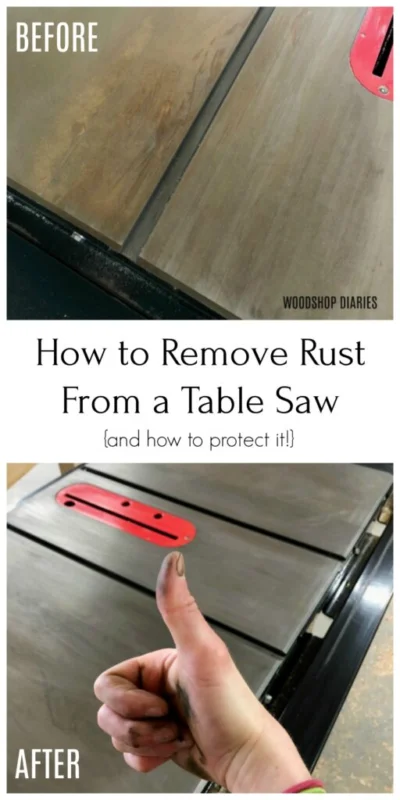
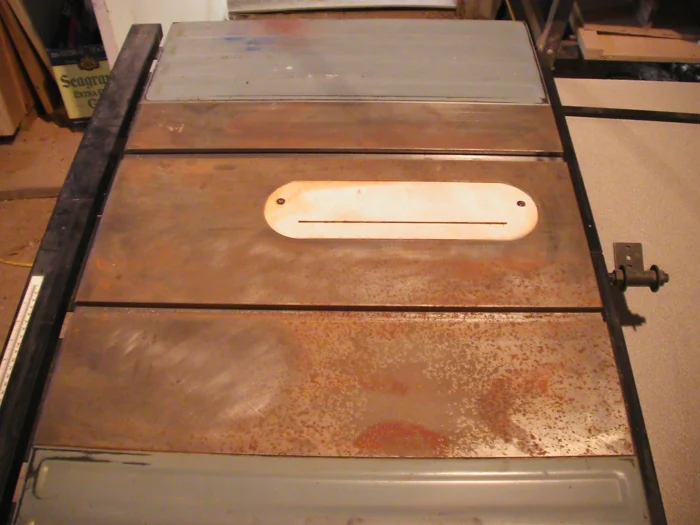
Check the table saw surface carefully. Look for areas with orange or brown spots. These are signs of surface rust. Surface rust is usually light and easier to remove. It often appears on the cast iron top or steel parts.
Deeper rust can cause pitting or rough spots. This type of rust damages the metal. It may need more effort or special tools to fix. Look closely at edges, blade guards, and the fence system. These parts often gather more rust.
Visual Inspection Of Rust Spots
Start with a clear, bright light to see all rust spots. Use a flashlight if needed. Look for color changes and texture differences. Rust areas feel rough or flaky. Smooth metal usually means no rust or very light rust.
Testing Rust Depth
Press gently with your fingernail or a small tool on rust spots. If the rust flakes off easily, it is likely surface rust. If the metal feels soft or holes appear, rust is deep and serious. Deep rust needs careful cleaning or part replacement.
Checking Moving Parts For Rust
Rust on moving parts can cause jams and wear. Check the motor housing, blade elevation wheel, and fence rails. Rust here can stop smooth motion and affect precision. These parts may require lubrication after rust removal.
Documenting Rust Areas
Take notes or photos of rust locations and severity. This helps track cleaning progress. It also shows if rust returns after cleaning. Knowing rust patterns helps keep your table saw in good shape longer.
Gathering Tools And Materials
Gathering the right tools and materials is the first step to remove rust from your table saw effectively. Having everything ready makes the process smooth and efficient. It also helps prevent damage to the saw during cleaning.
Prepare a clean workspace with good lighting. This will help you see the rust clearly and work safely.
Safety Gear
Wear gloves to protect your hands from chemicals and sharp edges. Use safety goggles to shield your eyes from dust and debris. A dust mask prevents inhaling fine rust particles.
Cleaning Supplies
Gather a soft cloth or microfiber towels for wiping. Use a stiff brush or steel wool to scrub rust spots. Sandpaper with fine grit can smooth rough areas after scrubbing.
Rust Removal Products
Choose a rust remover suitable for metal tools. White vinegar or lemon juice are natural options. Commercial rust removers work faster but handle with care.
Additional Tools
A plastic scraper helps remove loose rust without scratching the surface. A spray bottle with water is useful for rinsing. Apply oil or wax after cleaning to protect the metal.
Manual Rust Removal Techniques
Manual rust removal techniques offer a reliable way to clean your table saw without special tools. They use simple materials and physical effort. These methods help restore the saw’s surface and prevent further damage. Manual cleaning also gives you control over the process, reducing risks of scratches or harm. Below are two effective manual rust removal methods you can try at home.
Using Steel Wool And Wire Brushes
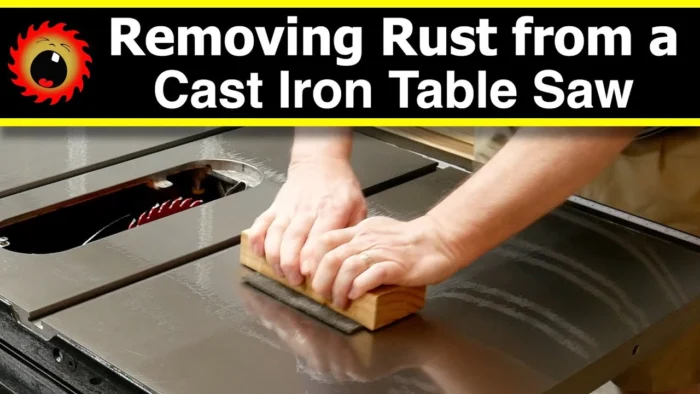
Steel wool and wire brushes work well to remove surface rust from metal. Start by wiping the saw clean of dust and dirt. Then, gently scrub the rusted areas with steel wool. Use circular motions to lift the rust particles.
A wire brush can reach into grooves and tight spots. Choose a brush with medium stiffness to avoid scratching the metal. Apply consistent pressure but don’t force it. After scrubbing, wipe the surface with a dry cloth to remove rust dust.
Applying Baking Soda Paste
Baking soda is a natural and mild abrasive that helps dissolve rust. Mix baking soda with water to form a thick paste. Spread the paste evenly over the rusty spots on your table saw.
Let the paste sit for 15 to 20 minutes to loosen the rust. Use a soft brush or cloth to scrub the paste gently. Rinse the saw with clean water and dry thoroughly with a towel. This method is safe and gentle on the metal surface.
Credit: www.woodshopdiaries.com
Chemical Rust Removers
Chemical rust removers offer a powerful way to clean rust from your table saw. They work by breaking down rust molecules, making it easier to wipe or scrub off. These products can save time and effort, especially on heavy rust stains. Some chemical removers are strong, so using them safely is important.
Choosing the right remover depends on your comfort with chemicals and the rust level. Some options include commercial products and simple household solutions. Both can effectively restore your saw’s surface to its clean state.
Oxalic Acid And Safety Tips
Oxalic acid is a common chemical rust remover. It dissolves rust without harming metal underneath. Usually, it comes in powder or liquid form for easy use.
Apply oxalic acid to the rusty area and let it sit for 10-15 minutes. Then, scrub gently with a brush. Rinse the surface well and dry it completely.
Wear gloves and eye protection when using oxalic acid. Work in a ventilated area to avoid inhaling fumes. Avoid skin contact, as it can cause irritation. Keep the remover away from children and pets. Proper disposal of leftover acid is necessary to protect the environment.
Household Solutions: Vinegar And Salt
Vinegar and salt create a natural rust remover mixture. Vinegar’s acidity softens rust, while salt acts as a gentle abrasive. This method is safe and affordable.
Mix white vinegar and salt to form a paste. Spread it over the rusty spots on your table saw. Let it sit for 2-3 hours to break down the rust.
After soaking, scrub the area with steel wool or a brush. Rinse thoroughly with water and dry the surface well. Repeat the process if rust persists. This solution is gentle but effective for light to moderate rust on your table saw.
Cleaning And Drying The Blade
Cleaning and drying the blade is essential after removing rust from your table saw. Proper care keeps the blade sharp and prevents future rust buildup. Dirt and moisture left on the blade can cause damage and reduce its lifespan.
Focus on gentle cleaning and thorough drying to protect the metal surface. Avoid harsh chemicals that might harm the blade. Use simple tools and methods for effective results.
Cleaning The Blade Surface
Start by wiping the blade with a soft cloth to remove loose dirt. Use a mild detergent mixed with water to clean off grease and grime. Apply the solution with a sponge or soft brush, scrubbing gently to avoid scratching.
For stubborn rust spots, use fine steel wool or a nylon brush. Work carefully to remove rust without damaging the teeth. Rinse the blade with clean water to remove soap residue.
Drying The Blade Completely
After cleaning, dry the blade immediately to stop rust from forming again. Use a dry, lint-free cloth to wipe all moisture from the surface. Pay special attention to crevices and teeth where water can hide.
Allow the blade to air dry in a warm, dry place for extra assurance. Never store the blade while it is still damp, as this invites rust growth.
Applying Protective Coating
Once the blade is clean and dry, apply a thin layer of oil. Use a light machine oil or specialized blade oil to protect the metal. Rub the oil evenly over the blade with a soft cloth.
This coating creates a barrier against moisture and rust. Reapply oil regularly, especially after cleaning or heavy use, to keep the blade in good condition.
Credit: www.aconcordcarpenter.com
Preventing Future Rust
Preventing future rust on your table saw is key to keeping it in good shape. Rust can damage the metal parts and affect the saw’s performance. Simple habits can stop rust from forming again. These habits protect your tool and extend its life.
Proper Storage
Store the table saw in a dry place. Avoid damp basements or garages. Moisture in the air causes rust quickly. Use a cover to protect the saw from dust and humidity. A plastic or cloth cover works well. Keep the saw off the floor to prevent moisture contact.
Use a dehumidifier in the storage area if needed. It helps lower moisture and keeps the air dry. Good ventilation also stops rust from building up. Check the storage spot often for any signs of moisture or leaks.
Regular Maintenance
Clean the table saw after each use. Remove sawdust, dirt, and metal shavings. Use a soft cloth or brush. Lightly oil the metal parts to create a rust barrier. Apply a thin layer of machine oil or specialized rust-preventive spray.
Inspect the saw regularly for any rust spots. Fix small rust patches right away with fine steel wool and oil. Tighten loose bolts and screws to avoid damage. Regular maintenance keeps the saw safe and rust-free.
Frequently Asked Questions
Will Wd-40 Remove Rust From Tools?
WD-40 helps loosen rust and protects tools from further corrosion. It does not fully remove heavy rust. Use mechanical scrubbing for better results.
How Do You Clean Rust Off A Saw?
Clean rust off a saw by scrubbing with steel wool or a wire brush. Use vinegar or baking soda paste for stubborn rust. Rinse thoroughly and dry completely to prevent new rust.
Does Dawn Dish Soap Remove Rust?
Dawn dish soap can help remove light rust by loosening stains. Apply, scrub with a pad, rinse, and dry for best results.
What Is The Fastest Way To Remove Rust From Tools?
Soak tools in vinegar and salt solution to loosen rust quickly. Then scrub with steel wool or a wire brush. Rinse thoroughly and dry completely to prevent new rust. For heavy rust, use a wire brush attachment on a drill for faster removal.
What Is The Easiest Way To Remove Rust From A Table Saw?
Use fine steel wool or a rust remover gel to scrub the rust gently off the saw surface.
Can Vinegar Help Remove Rust From Table Saw Blades?
Yes, soaking blades in vinegar for a few hours loosens rust for easy cleaning.
Conclusion
Removing rust from your table saw keeps it working smoothly and safely. Regular cleaning stops rust from spreading further. Use simple tools like vinegar, baking soda, or steel wool for best results. Always dry the saw completely after cleaning to avoid new rust.
Taking small steps often saves money and extends your saw’s life. Keep your workspace clean and dry to protect your tools. Rust removal is easy with patience and care. Your table saw will stay sharp and ready for any project.
{ “@context”: “https://schema.org”, “@type”: “Article”, “headline”: “How to Remove Rust from Table Saw: Easy Steps for a Pristine Blade”, “description”: “Learn how to remove rust from table saw surfaces using effective methods to restore performance and extend the toolu2019s lifespan safely and efficiently.”, “url”: “https://www.powertoolstoday.com/how-to-remove-rust-from-table-saw/”, “datePublished”: “2025-11-13”, “dateModified”: “2026-03-18”, “author”: { “@type”: “Organization”, “name”: “Power Tools Today”, “url”: “https://www.powertoolstoday.com” }, “publisher”: { “@type”: “Organization”, “name”: “Power Tools Today”, “url”: “https://www.powertoolstoday.com” }, “mainEntityOfPage”: { “@type”: “WebPage”, “@id”: “https://www.powertoolstoday.com/how-to-remove-rust-from-table-saw/” }, “image”: { “@type”: “ImageObject”, “url”: “https://www.powertoolstoday.com/wp-content/uploads/2025/11/How-to-Remove-Rust-from-Table-Saw-1024×576.webp” } }{ “@context”: “https://schema.org”, “@type”: “Article”, “headline”: “How to Remove Rust from Table Saw: Easy Steps for a Pristine Blade”, “description”: “Learn how to remove rust from table saw surfaces using effective methods to restore performance and extend the toolu2019s lifespan safely and efficiently.”, “url”: “https://www.powertoolstoday.com/how-to-remove-rust-from-table-saw/”, “datePublished”: “2025-11-13”, “dateModified”: “2026-03-19”, “author”: { “@type”: “Organization”, “name”: “Power Tools Today”, “url”: “https://www.powertoolstoday.com” }, “publisher”: { “@type”: “Organization”, “name”: “Power Tools Today”, “url”: “https://www.powertoolstoday.com” }, “mainEntityOfPage”: { “@type”: “WebPage”, “@id”: “https://www.powertoolstoday.com/how-to-remove-rust-from-table-saw/” }, “image”: { “@type”: “ImageObject”, “url”: “https://www.powertoolstoday.com/wp-content/uploads/2025/11/How-to-Remove-Rust-from-Table-Saw-1024×576.webp” } }nnnn