
Last Updated: March 20, 2026
Is your circular saw blade feeling dull and struggling through cuts? A sharp blade not only makes your work easier but also ensures cleaner, safer cuts every time you pick up your saw.
You don’t have to rush out to buy a new blade just yet—sharpening your circular saw blade at home is simpler than you might think. In this guide, you’ll discover easy, step-by-step methods to bring your blade back to life, save money, and get the most out of your tool.
Ready to sharpen your skills and your saw? Let’s dive in!
Preparing The Blade
Preparing the circular saw blade is a key first step before sharpening. It helps ensure safety and better results. Taking time to clean and check the blade avoids damage and improves sharpness. Proper preparation also makes the sharpening process smoother and more effective.
Cleaning And Inspection
Start by removing the blade from the saw. Use a soft brush to clear sawdust and dirt. Cleaning helps reveal any hidden damage or rust. Check each tooth carefully for chips or cracks. Look for bent or missing teeth too. A damaged blade may need replacing instead of sharpening.
Securing The Blade Safely
Place the blade on a flat, stable surface. Use a clamp or vise to hold it firmly. This prevents movement during sharpening. Wrap the clamp jaws with cloth to avoid scratching the blade. Always wear gloves to protect your hands. A secure blade means a safer and easier sharpening process.
Choosing The Right Tools
Choosing the right tools is essential for sharpening a circular saw blade safely and effectively. Each blade type needs specific tools to maintain its cutting edge. Using the proper tool helps preserve the blade’s life and improves cutting performance. Below are key tools to consider based on the blade material.
Files For Steel-toothed Blades
Steel-toothed blades require a simple round or triangular file. Select a file that matches the tooth size and shape. Keep the file at the correct angle to avoid damaging the teeth. Light, steady strokes work best to remove small amounts of metal. Avoid pressing too hard to maintain control and precision. A file is easy to handle and affordable, ideal for basic blade sharpening tasks.
Diamond Files For Carbide Tips
Carbide-tipped blades need diamond files because carbide is very hard. These files have tiny diamond particles that grind the carbide teeth smoothly. Use a fine-grit diamond file to prevent chipping the tips. Hold the file carefully and follow the tooth’s original angle. Sharpen each tooth evenly for balanced cutting power. Diamond files last long and provide a clean, sharp edge on carbide blades.
Sharpening Techniques
Sharpening techniques for a circular saw blade greatly impact the quality of your cuts. Correct methods keep the blade effective and safe. Focus on key steps like angle maintenance and consistent stroking. These ensure the blade’s teeth stay sharp and last longer.
Maintaining Proper Angles
Keep the file or sharpening tool at the blade’s original angle. Most circular saw blades have teeth set between 15 and 25 degrees. Use a protractor or angle guide to check. Hold the tool steady and do not change the angle while sharpening. This helps keep the teeth sharp and balanced. Angles that are off can damage the blade or reduce cutting accuracy.
Stroking Methods For Even Sharpening
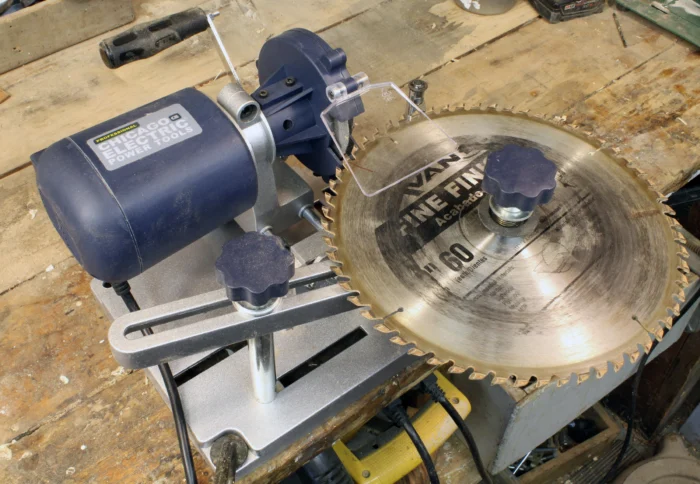
Use smooth, even strokes to sharpen each tooth. Stroke from the base of the tooth to its tip, following the shape carefully. Apply light pressure; pushing hard can ruin the edge. Sharpen all teeth evenly to maintain balance during use. Skip no teeth and count strokes to stay consistent. This method prevents uneven wear and vibration while cutting.
Credit: smallboatsmonthly.com
Hand Sharpening Tips
Hand sharpening a circular saw blade can restore its cutting power without expensive tools. This method requires patience and care. Follow simple tips to sharpen your blade safely and effectively at home.
Using A File Effectively
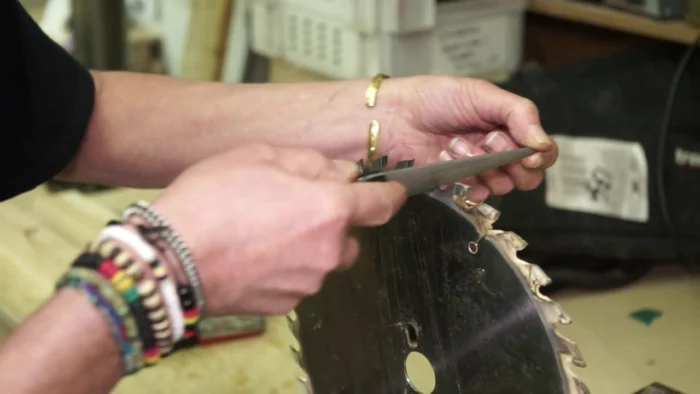
Choose a fine-toothed, flat file for best results. Secure the blade on a stable surface before starting. Hold the file at the same angle as the blade’s teeth. Use smooth, even strokes away from your body. Sharpen each tooth the same number of times. Check your progress frequently to avoid over-sharpening.
Avoiding Common Mistakes
Do not rush the process; sharp teeth need time. Avoid filing at an incorrect angle or uneven pressure. Do not sharpen damaged or bent teeth; replace the blade instead. Keep your hands clear of the blade edge to prevent cuts. Clean the blade before sharpening to see the teeth clearly.
When To Seek Professional Help
Knowing when to seek professional help for sharpening your circular saw blade saves time and ensures safety. Some blade problems need expert attention. Choosing the right moment to hand over the task can improve your saw’s performance and lifespan.
Limitations Of Diy Sharpening
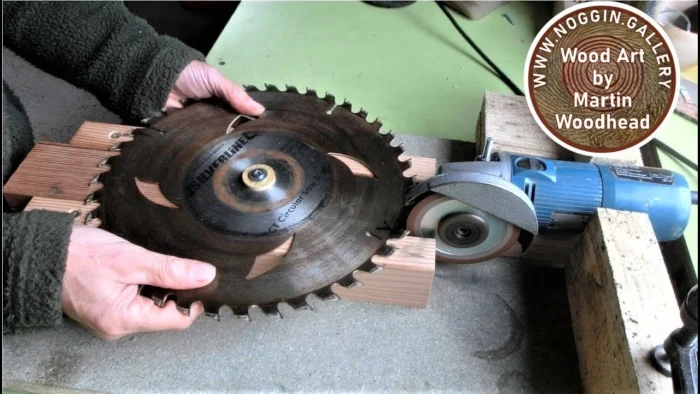
DIY sharpening works well for minor dullness and small chips. It can’t fix blades with serious damage or missing teeth. Improper sharpening may change the blade’s angle, causing poor cuts. DIY tools often lack precision for carbide tips. Using the wrong method can weaken the blade and increase safety risks.
Finding Reliable Sharpening Services
Look for sharpening shops with good reviews and experience. Local hardware stores or specialty tool shops often offer this service. Confirm they use proper machines designed for circular saw blades. Ask about turnaround time and cost before handing over your blade. Trustworthy professionals restore sharpness while preserving blade balance and shape.
Credit: www.youtube.com
Maintaining Sharpness Longer
Keeping your circular saw blade sharp saves time and money. Sharp blades cut cleaner and work faster. Dull blades strain the motor and risk accidents. Maintaining sharpness longer means less frequent sharpening. Simple daily care helps your blade stay sharp and last longer.
Proper Blade Cleaning Routines
Remove pitch and resin buildup after each use. Use a soft brush and mild cleaner made for saw blades. Avoid harsh chemicals that can damage the teeth. Soak the blade briefly if buildup is heavy. Dry the blade completely before storing it. Clean blades reduce friction and heat, keeping teeth sharper.
Storage And Handling Tips
Store blades in a dry place to prevent rust. Keep blades in a protective case or on a rack. Avoid stacking blades directly on each other. Handle blades carefully to avoid bending or chipping teeth. Always carry blades by the center hole, not the teeth. Proper storage and handling protect blade edges from damage.
Credit: www.youtube.com
Frequently Asked Questions
How Do You Sharpen A Saw Blade By Hand?
Secure the saw blade in a vice. Use a file matching the tooth angle. File each tooth with steady, light strokes. Maintain consistent angles for even sharpening. Clean the blade after sharpening to prevent rust.
How Can I Sharpen My Blade At Home?
Clean the blade and secure it firmly. Use a sharpening file or diamond stick to follow each tooth’s angle. Sharpen gently with a few strokes per tooth.
Is It Cheaper To Sharpen Or Replace Blades?
Sharpening blades usually costs less than replacing them and extends blade life. Replace blades only if they’re damaged or too worn.
Can I Use Wd-40 On A Saw Blade?
Yes, you can use WD-40 on a saw blade to prevent rust and loosen stuck debris. Avoid using it as a lubricant during cutting.
How Often Should I Sharpen A Circular Saw Blade?
Sharpen your blade when cuts become rough or the saw slows down.
Can I Sharpen A Circular Saw Blade At Home?
Yes, you can sharpen blades at home using simple tools like files or sharpeners.
Conclusion
Sharpening a circular saw blade improves cutting power and safety. Regular maintenance saves money and extends blade life. Use the right tools and follow proper angles carefully. Take your time and work steadily for best results. A sharp blade makes your projects easier and cleaner.
Keep checking blade condition to know when to sharpen again. Simple steps can keep your saw working like new. Stay safe and enjoy better cuts every time.
{ “@context”: “https://schema.org”, “@type”: “Article”, “headline”: “How to Sharpen a Circular Saw Blade: Expert Tips for Perfect Cuts”, “description”: “Learn how to sharpen a circular saw blade by understanding the process to restore its cutting edge for efficient and precise woodworking results.”, “url”: “https://www.powertoolstoday.com/how-to-sharpen-a-circular-saw-blade/”, “datePublished”: “2025-11-12”, “dateModified”: “2026-03-18”, “author”: { “@type”: “Organization”, “name”: “Power Tools Today”, “url”: “https://www.powertoolstoday.com” }, “publisher”: { “@type”: “Organization”, “name”: “Power Tools Today”, “url”: “https://www.powertoolstoday.com” }, “mainEntityOfPage”: { “@type”: “WebPage”, “@id”: “https://www.powertoolstoday.com/how-to-sharpen-a-circular-saw-blade/” }, “image”: { “@type”: “ImageObject”, “url”: “https://www.powertoolstoday.com/wp-content/uploads/2025/11/How-to-Sharpen-a-Circular-Saw-Blade–1024×576.webp” } }nn