
Last Updated: March 20, 2026
Are your drill bits feeling dull and struggling to cut through materials like they used to? Before you toss them out and buy new ones, imagine saving money and getting back to work quickly by sharpening your existing bits yourself.
You don’t need fancy tools or a lot of experience—just a few simple steps can bring your drill bits back to life. In this guide, you’ll learn exactly how to sharpen drill bits easily and effectively, so you can keep your projects moving forward without interruption.
Ready to master this skill and never waste a dull drill bit again? Let’s dive in!
Tools Needed
Gathering the right tools is the first step to sharpen drill bits effectively. Each tool plays a key role in making the process easier and more precise. Using proper tools ensures your drill bits get a sharp, clean edge for better performance.
Bench Grinder
A bench grinder is essential for quick and even sharpening. It spins a grinding wheel that removes dull metal from the drill bit. Choose a grinder with a fine grit wheel for the best results.
Drill Bit Sharpening Jig
This jig holds the drill bit at the correct angle during grinding. It helps maintain consistency and prevents uneven sharpening. Using a jig reduces the risk of damaging the bit.
Safety Gear
Wear safety glasses to protect your eyes from sparks and metal shavings. Gloves can protect your hands but avoid loose-fitting ones that might catch in the grinder. A dust mask is helpful to avoid inhaling metal dust.
Vise Or Clamp
Secure the drill bit firmly using a vise or clamp. This keeps the bit steady while sharpening. A stable drill bit improves accuracy and safety during grinding.
File
A fine metal file is useful for touch-ups and manual sharpening. It allows careful control to refine the edges after using the grinder. Files are especially helpful for small or delicate drill bits.
Preparing The Drill Bit
Preparing the drill bit is the first step to achieve a sharp and precise edge. Proper preparation ensures the bit is safe to handle and ready for effective sharpening. It also helps maintain the correct angle and balance while sharpening.
Take time to clean and inspect the drill bit before sharpening. Dirt or rust can affect the sharpening process and result. A clean bit sharpens more evenly and lasts longer.
Cleaning The Drill Bit
Remove dirt, grease, and rust from the drill bit surface. Use a wire brush or cloth with mild solvent. Make sure the bit is dry before starting to sharpen.
Securing The Drill Bit
Place the drill bit firmly in a vise or clamp. This prevents movement during sharpening. A steady bit helps keep the angles accurate and avoids injury.
Inspecting The Drill Bit
Check the bit for cracks or severe damage. Do not sharpen bits that are broken or bent. Also, note the original cutting angle to match during sharpening.
Marking The Cutting Edges
Use a marker to highlight the cutting edges. This visual aid helps keep the sharpening angle consistent. It also shows which parts of the edge need the most attention.
Hand Sharpening Technique
Hand sharpening drill bits is a simple and effective way to restore cutting edges. This method uses basic tools and does not require electric sharpeners. It helps extend the life of your drill bits and improves drilling performance. The key is steady hands and careful attention to detail. Follow these steps for a sharp, clean edge on your drill bits.
Securing The Bit
Hold the drill bit firmly to prevent movement. Use a small vise or clamp for stability. This keeps the bit steady while you file. A secure bit ensures even sharpening and safety. Avoid holding the bit in your hand to reduce risk.
Maintaining Correct Angle
Keep the drill bit at the same angle as the original edge. Usually, this angle is about 60 degrees. Check the bit’s shape before starting. Consistent angle prevents uneven edges and poor drilling. Use a protractor or angle guide if needed.
Filing Method
Use a flat file to sharpen the cutting edges. Stroke the file in one direction along the bevel. Match the original angle carefully for both sides. File evenly to keep the bit balanced. Stop filing when the edges are sharp and clean.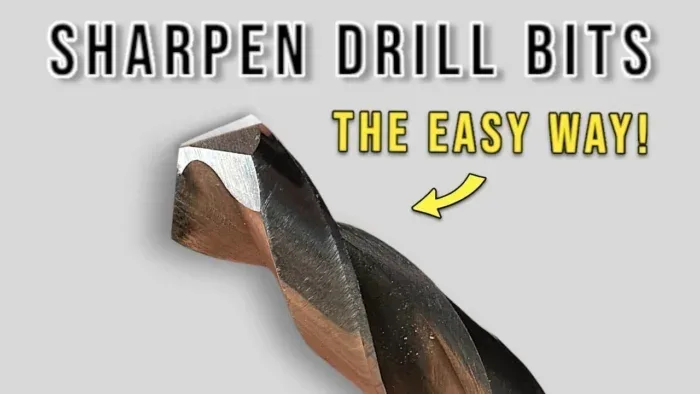
Credit: www.youtube.com
Using A Grinding Wheel
Using a grinding wheel is a popular way to sharpen drill bits. It helps restore the sharpness quickly. This method requires care and attention to detail. The right setup and technique will make your drill bits cut smoothly and last longer.
Setting Up The Grinder
First, ensure the grinder is clean and stable. Use a grinding wheel suitable for metal. Safety goggles and gloves are a must. Adjust the tool rest close to the wheel, about 1/8 inch away. This supports the drill bit during sharpening. Check the wheel spins freely without wobbling. A steady setup prevents mistakes and accidents.
Grinding The Cutting Edges
Hold the drill bit firmly but gently. Touch the cutting edge to the grinding wheel at a 60-degree angle. Move the bit smoothly across the wheel surface. Grind only the sharp edges, not the entire bit. Keep the bit cool by dipping it in water often. Overheating can weaken the metal. Aim to remove small amounts of material evenly.
Balancing Both Edges
Sharpen one cutting edge, then switch to the other. Both edges must be the same length and angle. Uneven edges cause the bit to wobble or drill inaccurately. Use a ruler or drill gauge to compare edges. Make small adjustments until balanced. Proper balance helps the drill bit cut straight and last longer.
Checking Sharpness And Symmetry
Checking sharpness and symmetry is essential after sharpening drill bits. It ensures the bit cuts efficiently and drills straight holes. A dull or uneven bit wastes time and damages materials.
Inspect the cutting edges carefully. Both edges must be equally sharp and have the same angle. Symmetry keeps the drill bit balanced during use.
Visual Inspection Of Cutting Edges
Look closely at the drill bit tip under good light. The edges should appear crisp and clean. No chips or dull spots are allowed. Uneven edges reduce cutting power and cause wobbling.
Measuring The Angle Consistency
Use a small protractor or angle gauge to check the cutting angles. Both sides must have the same angle, usually around 59 degrees. Different angles lead to uneven drilling and bit wear.
Testing The Bit’s Symmetry
Hold the bit up and spin it between your fingers. It should rotate smoothly without wobbling. Any side-to-side movement means the edges are uneven. Fix the imbalance before use.
Performing A Paper Test
Try cutting a sheet of paper with the drill bit’s tip. A sharp and balanced bit will cut cleanly and easily. Jagged or torn cuts indicate poor sharpness or asymmetry.
Touching Up Minor Imperfections
Small uneven spots can be fixed by light grinding. Use a fine sharpening stone or file. Keep checking sharpness and symmetry during touch-ups. Repeat until the bit is perfect.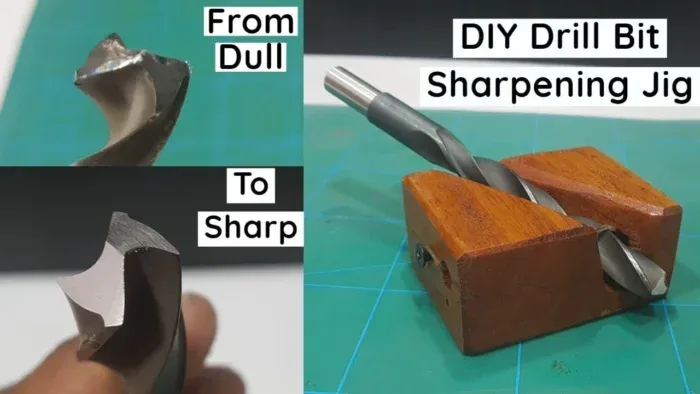
Credit: www.youtube.com
Tips For Prolonging Bit Life
Extending the life of your drill bits saves money and improves work quality. Simple habits help keep bits sharp and ready. Proper care lowers wear and tear. Follow these tips to get the most from each bit.
Regular Maintenance
Clean drill bits after every use. Remove dust, debris, and residue to prevent buildup. Check for dullness or damage before starting a job. Use a sharpening tool to restore edges quickly. Avoid overheating bits during use; heat weakens the metal. Regularly inspect bits for cracks or chips. Replace any damaged bits to avoid poor performance.
Proper Storage
Store drill bits in a dry place to stop rust. Use cases or holders to keep bits organized and safe. Avoid tossing bits loosely in a toolbox; this causes damage. Label storage containers by size or type for easy access. Keep bits separate to prevent them from knocking against each other. Proper storage protects the sharp edges and extends bit life.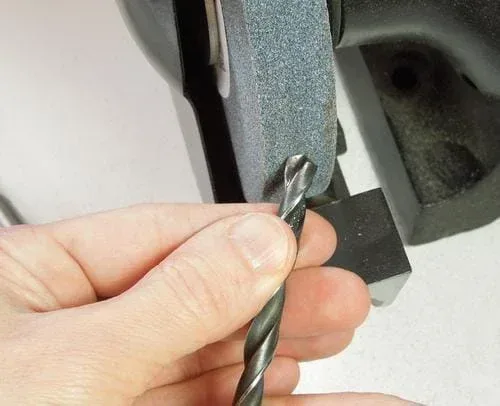
Credit: woodgears.ca
Conclusion
Sharpening drill bits saves money and improves tool performance. Keep the angle consistent on both edges. Use steady, even strokes while sharpening each cutting edge. Check the bit often to ensure equal sharpness. A sharp drill bit cuts cleaner and lasts longer.
Regular maintenance keeps your tools ready for any project. Practice makes perfect—take your time sharpening each bit. Your drill bits will work better and drill faster. Sharpening at home is simple with the right tools and technique.
Frequently Asked Questions
Secure the drill bit in a vise. Use a file or a sharpening jig to grind both cutting edges evenly. Maintain the original angle. Stroke the file in one direction. Check for equal length and sharpness on both edges. Finish with a touch-up for precision.
Most standard drill bits can be sharpened, especially high-speed steel ones. Specialty bits or carbide-tipped often cannot be effectively sharpened. Proper tools and technique ensure sharpness and performance.
Secure the drill bit in a vise. Use a hand file to stroke one direction along each cutting edge’s bevel. Match and maintain the original angle on both sides for a sharp, centered bit.
The best stone for sharpening drill bits is a fine-grit sharpening stone or diamond stone. It ensures precise, smooth edges and lasts long.
Use a bench grinder or a sharpening tool, keeping the original angle of the bit.
Most metal drill bits can be sharpened, but specialty bits may not sharpen well.
