
Last Updated: March 20, 2026
Starting a chainsaw might seem tricky if you’re new to it, but once you know the right steps, it becomes quick and safe. Imagine this: you’re ready to tackle that big job in your yard, but your chainsaw just won’t start.
Frustrating, right? You don’t have to waste time guessing or struggling. With the simple techniques you’ll learn here, you’ll get your chainsaw roaring to life every time — safely and efficiently. Keep reading, and you’ll discover how to start your chainsaw the right way, avoid common mistakes, and protect yourself from injury.
Your next project just got a whole lot easier!
Choose The Right Location
Choosing the right location to start your chainsaw is very important. It helps keep you safe and makes the process easier. A good location gives you space to work and protects others nearby.
Pick a flat and stable surface for starting the chainsaw. This prevents the tool from tipping over. Avoid slippery or uneven ground. It can cause you to lose control.
Clear The Area Around You
Remove any obstacles like branches, rocks, or tools. They can cause accidents or damage the chainsaw. Make sure no one is standing close by. This keeps everyone safe while you start the saw.
Stand In A Balanced Position
Keep your feet shoulder-width apart. This stance gives you good balance. Hold the chainsaw firmly with both hands. A steady grip helps control the tool during starting.
Stay Away From Flammable Materials
Gasoline fumes can catch fire easily. Do not start the chainsaw near dry leaves, gasoline containers, or other flammable items. Choose a well-ventilated outdoor spot to reduce risks.
Check For Clear Escape Routes
Have a clear path to move away if the chainsaw behaves unexpectedly. This helps you avoid injury. Keep the area free from tripping hazards. Safety is the top priority when working with a chainsaw.
Check The Chainsaw
Before starting a chainsaw, checking the tool is essential. A well-maintained chainsaw works better and lasts longer. Performing a quick check ensures safety and smooth operation. This step prevents accidents and costly repairs. Focus on the chain, bar, and fluid levels first.
Inspect Chain And Bar
Look closely at the chain for damage or dull teeth. A sharp chain cuts better and is safer to use. Check the bar for cracks or bends. Make sure the chain fits snugly on the bar. Adjust the tension if the chain feels loose. A loose chain can slip or come off during use.
Fuel And Oil Levels
Check the fuel tank before every start. Use the right fuel mix if your chainsaw is gas-powered. Low fuel means the chainsaw may stop suddenly. Next, check the oil level. The oil keeps the chain and bar lubricated. Running low on oil can cause damage. Fill the oil tank to the correct level as shown on the gauge or mark.
Engage The Chain Brake
Engaging the chain brake is a key safety step before starting your chainsaw. It stops the chain from moving unexpectedly. This prevents injuries and helps you control the saw better. Always make sure the brake is on before you start the engine.
What Is The Chain Brake?
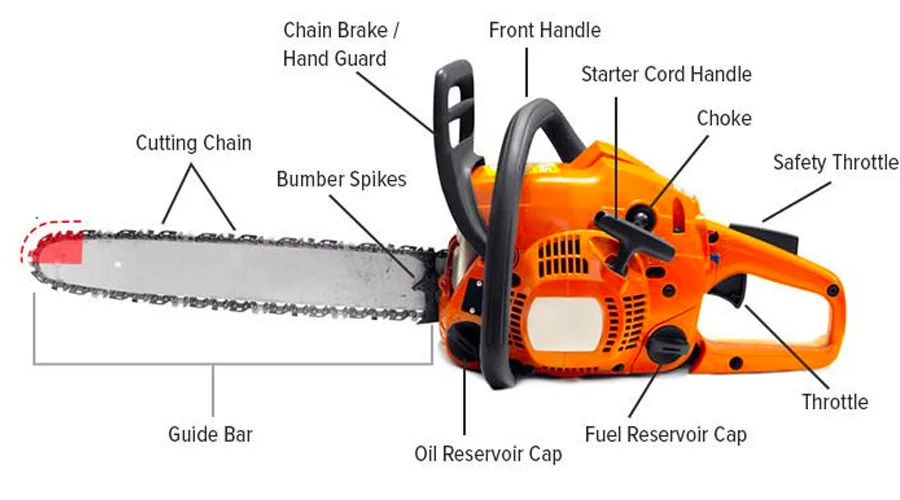
The chain brake is a safety feature on your chainsaw. It stops the chain from spinning around the bar. This helps protect you from accidents during startup. The brake is usually a lever in front of the handle.
How To Engage The Chain Brake
Push the chain brake lever forward until it clicks. This locks the chain in place. Check that the chain does not move by gently trying to pull it. If it stays still, the brake is engaged properly.
Why Engage The Chain Brake Before Starting?
Starting a chainsaw with the brake on keeps you safe. The chain will not spin if the engine starts suddenly. This lowers the risk of cuts or scratches. It also gives you better control while starting the saw.
When To Release The Chain Brake
Release the chain brake only when the engine runs smoothly. Pull the brake lever back towards the handle. The chain will start moving once the brake is off. Make sure you hold the saw firmly before releasing the brake.
Credit: www.homedepot.com
Prime The Engine
Priming the engine is the first step to start your chainsaw smoothly. It prepares the fuel system by pushing fuel into the carburetor. This step helps avoid hard starts and engine flooding. Taking time to prime ensures the chainsaw runs reliably on the first pull.
Use The Purge Bulb
Locate the purge bulb on the side of your chainsaw. It looks like a small rubber button. Press the bulb several times until you see fuel inside it. This action removes air from the fuel line. It helps deliver fuel directly to the engine for an easier start.
Set The Choke
Find the choke lever near the carburetor. Move it to the full choke position. This closes the air intake and enriches the fuel mixture. A rich mixture helps the engine start cold. After the engine warms, you will adjust the choke to run smoothly.
Position The Chainsaw
Positioning the chainsaw correctly is key to a safe and easy start. Proper placement ensures stability and control. It also reduces the risk of injury and helps the chainsaw run smoothly from the first pull.
Ground Start Method
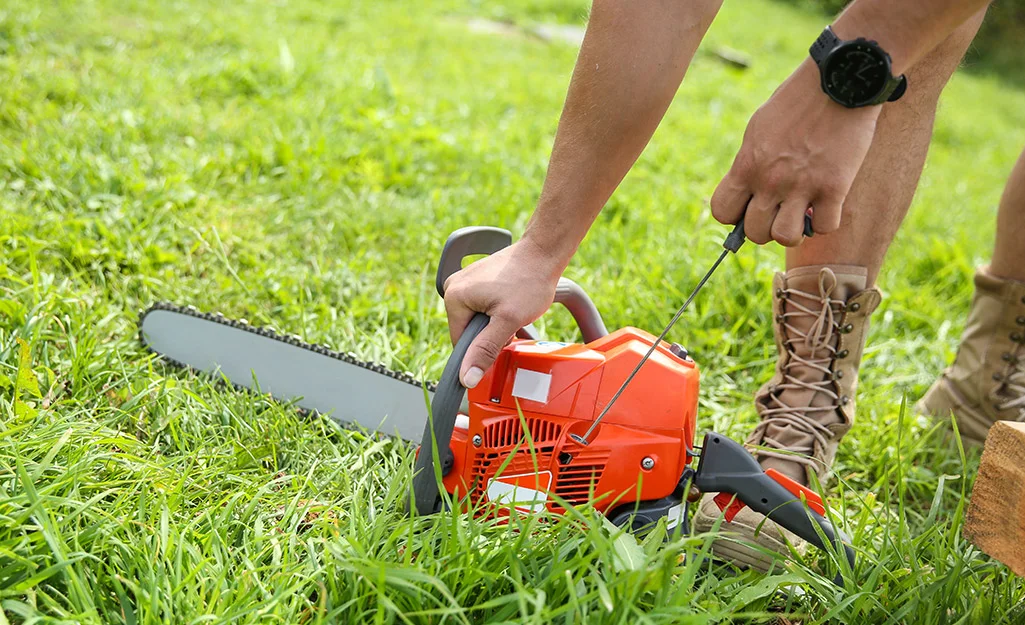
Place the chainsaw flat on a level surface. Hold the front handle firmly with one hand. Keep the saw steady against the ground. Use your foot to hold the rear handle down. This prevents the chainsaw from moving during the start. Pull the starter cord with your other hand. This method offers stability and safety.
Hold With Firm Grip
Always hold the chainsaw with a strong grip. Your left hand should grip the front handle tightly. Your right hand controls the rear handle and throttle. Keep thumbs wrapped around the handles. This grip controls the saw and reduces kickback risks. A firm grip helps you start the chainsaw smoothly and safely.
Credit: www.hirepool.co.nz
Pull The Starter Cord
Pulling the starter cord is the key step to get your chainsaw running. It powers the engine by turning the crankshaft. Proper technique makes starting easier and safer. Pulling too fast or hard can cause problems. Follow simple steps to pull the cord correctly and start your chainsaw smoothly.
Slow Pulls To Clear
Begin with slow pulls to clear the engine. This helps move fuel and air into the carburetor. Pull the cord gently until you feel resistance. Do this two or three times to prepare the engine. Slow pulls prevent flooding and make the next step easier.
Strong Pull To Start
After clearing, give the cord a strong, steady pull. Use your whole arm, not just your wrist. Pull quickly and firmly to turn the engine over. The chainsaw should start or at least try to start. If it does not, repeat slow pulls and try again. A strong pull is the final step to ignite the engine.
Release The Chain Brake
Before starting your chainsaw, releasing the chain brake is essential. This step allows the chain to move freely once the engine runs. The chain brake is a safety feature that stops the chain from spinning when not in use. Knowing how to release it safely prevents accidents and prepares the chainsaw for cutting.
Locate The Chain Brake Lever
Find the chain brake lever on the front handle of the chainsaw. It usually sits just in front of the top handle. The lever can be pushed forward or pulled back to engage or release the brake. Identifying this lever clearly helps you control the chainsaw safely.
Check The Chain Brake Position
Make sure the chain brake is engaged before starting the saw. The brake should be pushed forward, locking the chain in place. This prevents the chain from moving when you pull the starter cord. Always verify the brake position to avoid accidental chain movement.
Release The Chain Brake After Starting
Once the chainsaw engine runs smoothly, gently pull the chain brake lever back. This action releases the brake and allows the chain to spin freely. Do this only when you are ready to begin cutting. Releasing the brake at the right moment ensures safe operation.

Credit: www.youtube.com
Warm Up And Adjust
Warming up and adjusting your chainsaw is a key step before cutting wood. It helps the engine run smoothly and lasts longer. Taking time to let the chainsaw settle ensures better performance and safer operation. Follow these steps for a proper warm-up and adjustment.
Allow Engine To Idle
After starting the chainsaw, let the engine run without any load. Idling warms up the engine parts gently. This step prevents damage from sudden high-speed use. Give it about one to two minutes to reach the right temperature. Listen for a steady sound, showing the engine is running well. Do not rush this process to avoid stalling or flooding.
Adjust Throttle As Needed
Once warmed up, adjust the throttle for smooth acceleration. Slowly increase the throttle to test the engine’s response. If the chainsaw hesitates or stalls, fine-tune the throttle settings. Use the manufacturer’s guide to set the correct throttle speed. Proper adjustment helps maintain steady power during cutting. It also improves fuel efficiency and reduces wear on the engine.
Frequently Asked Questions
How Do You Start A Chainsaw Step By Step?
Engage the chain brake and set the on/off switch to “on. ” Press the primer bulb 3-5 times. Set the choke to full. Pull the starter cord firmly until the engine fires. Move the choke to half and pull again.
Release the chain brake before cutting.
Do You Start A Chainsaw With The Brake On Or Off?
Start a chainsaw with the chain brake engaged to prevent accidental chain movement. Release the brake before cutting.
How To Use The Choke On A Chainsaw?
To use the choke on a chainsaw, set the choke lever to the full choke position. Pull the starter cord until the engine tries to start. Move the choke to half or off position and pull again to start the engine fully.
Release the choke once running smoothly.
Why Is It So Hard To Start My Chainsaw?
Chainsaws are hard to start due to stale fuel, dirty air filters, or faulty spark plugs. Check the choke and primer bulb. Ensure the chain brake is on for safety. Proper maintenance and following the correct starting steps improve ease and performance.
How Do You Start A Chainsaw Step By Step?
First, engage the chain brake. Then, set the choke, prime the engine, pull the starter cord, and adjust the choke.
Conclusion
Starting a chainsaw safely and correctly makes your work easier. Always engage the chain brake before starting. Use the choke and primer bulb as needed. Pull the starter cord firmly but smoothly. Practice these steps to build confidence. With care, you can handle your chainsaw well.
Stay safe and follow the instructions every time.
Related reading: Why Won’t My Chainsaw Start.
{ “@context”: “https://schema.org”, “@type”: “Article”, “headline”: “How to Start a Chainsaw: Quick Tips for Safe and Easy Use”, “description”: “Learn how to start a chainsaw quickly and safely with our step-by-step guide. Perfect for beginners ready to tackle yard work.”, “url”: “https://www.powertoolstoday.com/how-to-start-a-chainsaw/”, “datePublished”: “2025-11-23”, “dateModified”: “2026-03-18”, “author”: { “@type”: “Organization”, “name”: “Power Tools Today”, “url”: “https://www.powertoolstoday.com” }, “publisher”: { “@type”: “Organization”, “name”: “Power Tools Today”, “url”: “https://www.powertoolstoday.com” }, “mainEntityOfPage”: { “@type”: “WebPage”, “@id”: “https://www.powertoolstoday.com/how-to-start-a-chainsaw/” }, “image”: { “@type”: “ImageObject”, “url”: “https://www.powertoolstoday.com/wp-content/uploads/2025/11/How-to-Start-a-Chainsaw-1024×576.webp” } }nnnn