
Last Updated: March 20, 2026
Starting your lawn mower might seem tricky if you’re new to it, but it doesn’t have to be. Imagine getting your grass perfectly trimmed without frustration or wasted time.
You’re just a few simple steps away from mastering how to start your lawn mower quickly and confidently. Whether your mower is brand new or hasn’t been used in a while, this guide will walk you through everything you need to know.
Follow along, and you’ll be ready to tackle your lawn like a pro in no time!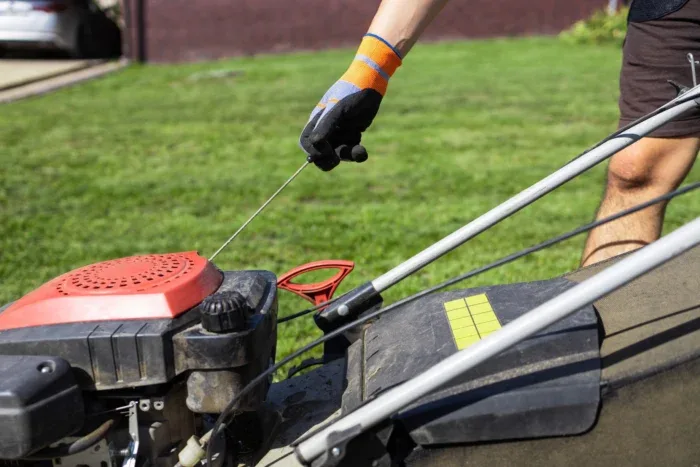
Credit: www.myhometurf.com.au
Check Fuel And Oil
Checking fuel and oil is the first step to start a lawn mower. Without enough fuel, the engine won’t run. Low or dirty oil can cause damage or make the mower hard to start.
Always use fresh gasoline. Old fuel loses its power and can clog the engine. Check the oil level carefully. Too little or too much oil affects engine performance.
Check The Fuel Tank
Open the fuel cap and look inside the tank. The gasoline should be clean and fresh. Fill the tank if the fuel is low. Avoid overfilling to prevent spills and fire risks.
Inspect The Oil Level
Find the oil dipstick and wipe it clean. Reinsert it fully, then pull it out again. Check if the oil reaches between the “add” and “full” marks. Add oil slowly if the level is low.
Use The Correct Fuel And Oil
Use unleaded gasoline with the right octane rating. Check your mower’s manual for the best oil type. Using the wrong fuel or oil harms the engine and shortens mower life.
Prime The Engine
Priming the engine prepares your lawn mower to start smoothly. It pushes fuel into the carburetor. This step is important for a quick engine start. Without priming, the mower may stall or fail to start.
Most gas lawn mowers have a small primer bulb. Pressing this bulb injects fuel into the engine. This helps the engine get the right mix of fuel and air.
Locate The Primer Bulb
Find the primer bulb on your lawn mower. It is usually a small, round, rubber button. The bulb is near the carburetor or air filter. If you do not see it, your mower might not need priming.
Press The Primer Bulb
Push the primer bulb firmly with your finger. Do this three to five times. Each press moves fuel into the carburetor. Avoid pressing too hard to prevent damage.
Check For Fuel Movement
After pressing, look for fuel inside the bulb or carburetor. You may see the bulb fill slightly. This means fuel is ready for ignition. If nothing moves, check fuel levels.
Prepare To Start The Engine
Once primed, the engine has fuel to start. Hold the throttle or choke in the correct position. Usually, this is the “fast” or “start” setting. Now you are ready to pull the starter cord.
Position The Mower
Positioning the lawn mower correctly is essential before starting it. The right spot ensures safety and smooth operation. It also helps you avoid damage to the mower or your lawn.
Place the mower on a flat, level surface. This prevents fuel or oil from spilling. It also helps the mower start easily and run smoothly.
Clear the area of stones, sticks, or toys. These objects can block the blades or cause accidents. Make sure children and pets are far from the mower.
Check that the mower’s wheels are stable and not stuck. Locked or uneven wheels can make the mower hard to start or control. Adjust the height settings if needed to fit your lawn type.
Choose A Safe And Stable Surface
Select a firm, flat ground for the mower. Avoid slopes or soft soil to prevent tipping. A stable surface keeps the mower balanced during startup.
Clear The Area Around The Mower
Remove debris such as rocks, sticks, and toys. Keep pets and children at a safe distance. This reduces the risk of injury and damage.
Adjust The Mower Height
Set the blade height to match your grass length. Taller grass needs a higher setting. Adjusting height improves cutting performance and mower safety.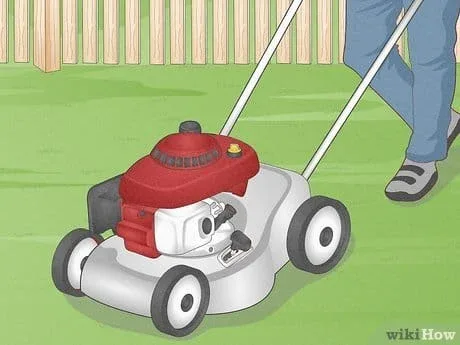
Credit: www.wikihow.com
Engage Safety Lever
The safety lever on a lawn mower is a crucial part of starting the machine safely. It acts as a control that must be engaged to allow the engine to start. This lever helps prevent accidental starts and ensures the mower only runs when you are ready.
Engaging the safety lever is simple but important. It keeps you safe and protects the mower from damage. Without engaging this lever, the mower will not start or run.
Locate The Safety Lever
Find the safety lever on the handle of the mower. It usually looks like a small bar or lever near the main handle. This lever must be held down or pulled to start the engine.
Hold The Safety Lever Firmly
Press or squeeze the safety lever tightly with your hand. This action unlocks the engine’s ignition system. Keep the lever pressed while you pull the starter cord.
Check For Proper Engagement
Make sure the safety lever is fully engaged before starting. If it is not pressed correctly, the mower will not start. A fully engaged lever ensures the engine can run smoothly.
Pull The Starter Cord
Pulling the starter cord is the key step to get your lawn mower running. This action turns the engine over and starts the combustion process. Doing it right saves time and effort.
It takes a firm, smooth pull to make the mower engine come alive. The cord connects to the engine’s flywheel and spinning it creates the spark needed for ignition. Prepare your body and grip the handle tightly.
Grip The Starter Handle Firmly
Hold the starter handle with your dominant hand. Wrap your fingers around it so it feels secure. Avoid a loose grip to prevent slipping during the pull.
Position Your Body For A Strong Pull
Stand with your feet shoulder-width apart. Keep your knees slightly bent. This stance gives you balance and power to pull the cord smoothly.
Pull The Cord Smoothly And Quickly
Pull the cord straight out with a quick, steady motion. Don’t jerk or yank it hard. A smooth pull spins the engine fast enough to start.
Return The Cord Gently
Let the cord rewind slowly back into the mower. Do not let it snap back. This protects the cord and starter mechanism from damage.
Repeat If The Engine Does Not Start
Try pulling the cord again if the mower does not start. Wait a few seconds between pulls. Multiple pulls may be needed to get the engine going.
Credit: www.youtube.com
Troubleshoot Starting Issues
Starting a lawn mower can sometimes be tricky. Small issues often stop the mower from starting. Knowing how to troubleshoot these problems saves time and effort.
This section covers common starting issues and easy fixes. Follow these steps to get your mower running smoothly again.
Check The Fuel Supply
Old or empty fuel tanks cause starting problems. Use fresh gasoline for the best results. Avoid using fuel that is more than 30 days old. If the tank is empty, fill it with new gas.
Inspect The Spark Plug
A dirty or damaged spark plug can stop the engine from starting. Remove the spark plug and check for dirt or cracks. Clean it with a wire brush or replace it if needed. Make sure the spark plug is tight when you put it back.
Prime The Engine Properly
Many mowers have a primer bulb. Press it 3 to 5 times to send fuel to the carburetor. This helps the engine start quickly. Do not press too many times; it may flood the engine.
Check The Air Filter
A clogged air filter limits airflow and stops the engine. Remove the filter and clean it with soap and water or replace it if very dirty. Dry it completely before reinstalling.
Examine The Safety Switches
Modern mowers have safety features that stop the engine if not engaged. Check if the handle lever or blade control is fully pressed. The mower will not start unless all safety switches are active.
Pull The Starter Cord Correctly
Use a firm and steady pull on the starter cord. Avoid quick jerks or slow pulls. If the cord is hard to pull, check for engine or cord damage. Rewind the cord properly after each pull.
Conclusion
Starting a lawn mower is simple with the right steps. Always check fuel and oil before you begin. Use the primer bulb if your mower has one. Hold the safety lever firmly while pulling the starter cord. Pull smoothly and with steady force for a good start.
Repeat if it does not start immediately. Regular maintenance keeps your mower ready and working well. Follow these tips to cut your grass easily and safely.
Frequently Asked Questions
Check fuel and oil levels. Prime the engine by pressing the primer bulb 3-5 times. Hold the safety lever. Pull the starter cord firmly until the engine starts. Release the lever and adjust throttle if needed. Repeat if it doesn’t start.
To start a mower, check fuel and oil levels first. Press the primer bulb 3-5 times if available. Hold the safety lever and pull the starter cord firmly. Repeat if needed. Ensure the spark plug is clean and connected for smooth starting.
Check fuel and oil levels, then prime the engine by pressing the primer bulb 3-5 times. Hold the safety lever, pull the cord firmly until the engine starts. Release the lever and adjust the throttle if needed. Repeat if it doesn’t start.
Check fuel and oil levels, press the primer bulb 3-5 times, hold the safety lever, then pull the starter cord firmly. Repeat if needed. Clean the spark plug if it won’t start.
Check fuel and oil levels first. Press the primer bulb, hold the safety lever, then pull the starter cord firmly.
Stand behind the mower, press the primer bulb, hold the handle, and pull the cord quickly and smoothly.
