
Last Updated: March 21, 2026
If you’ve ever stood in front of a thick log or an overgrown branch and wished you could cut it down quickly and safely, learning how to use a chainsaw is your key to getting the job done right. You might feel a bit unsure about handling this powerful tool, but with the right steps and safety tips, you’ll gain confidence and control in no time.
This guide will walk you through everything you need to know—from the basics of holding and starting your chainsaw to cutting techniques that keep you safe and efficient. Keep reading, and soon you’ll be ready to tackle your outdoor projects like a pro.
Credit: www.youtube.com
Chainsaw Components
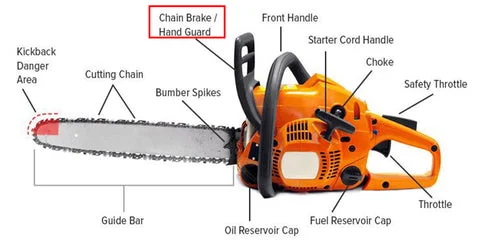
A chainsaw is a powerful tool with several important parts. Knowing these parts helps you use the chainsaw safely and effectively. Each component has a specific role in the cutting process.
Understanding the chainsaw parts makes maintenance easier. It also helps you spot problems early. Let’s explore the main chainsaw components.
Engine
The engine powers the chainsaw. It can be gas or electric. The engine turns the chain around the bar. This allows the chainsaw to cut through wood quickly.
Guide Bar
The guide bar is a long metal bar. The chain runs around this bar. The bar controls the direction of the cut. It supports the chain and keeps it straight.
Chain
The chain has sharp teeth that cut wood. It moves fast around the guide bar. The chain must be sharp and well-oiled. A dull chain makes cutting hard and unsafe.
Throttle
The throttle controls the engine speed. Pressing the throttle increases the chain speed. Releasing it slows the chain down. This helps control the cutting action.
Handle
The handle lets you hold and guide the chainsaw. Most chainsaws have two handles. One handle is at the front, and the other at the rear. Holding both handles keeps you balanced.
Chain Brake
The chain brake stops the chain quickly. It is a safety feature. It activates if kickback happens. Kickback is a sudden movement of the chainsaw that can cause injury.
Safety Gear Essentials
Using a chainsaw requires more than just skill. Safety gear is vital to protect you from serious injuries. Wearing the right equipment helps reduce risks from flying debris, loud noise, and sharp blades.
Proper safety gear creates a barrier between you and potential hazards. It allows you to focus on your work with confidence. Here are the essential safety items you must wear before starting your chainsaw.
Helmet With Face Shield
A helmet protects your head from falling branches or debris. The attached face shield guards your eyes and face from wood chips. Clear vision and head protection prevent many common injuries.
Hearing Protection
Chainsaws produce loud noise that can damage your hearing. Ear muffs or ear plugs reduce noise levels and prevent hearing loss. Protecting your ears helps you stay alert and focused.
Gloves
Gloves provide a firm grip and protect your hands from cuts and splinters. Choose gloves made of tough, cut-resistant materials. Good gloves improve control and reduce hand fatigue.
Chainsaw Chaps Or Pants
Chaps are made from special fibers that stop the chain if it touches your legs. They protect your thighs and lower legs from severe cuts. Wearing chaps greatly lowers the risk of leg injuries.
Steel-toe Boots
Boots with steel toes protect your feet from heavy falling objects. They also give good traction on slippery or uneven ground. Sturdy boots keep you safe and stable while working.
Preparing The Chainsaw
Preparing a chainsaw is the first step before any cutting task. Proper preparation ensures the saw works well and keeps you safe. It helps avoid accidents and mechanical problems. Take time to get your chainsaw ready. This will make your work smoother and faster.
Check The Chain Tension
The chain must be tight enough to stay on the bar. Too loose chains can fly off and cause injury. A loose chain also cuts poorly and wears out fast. To check tension, lift the chain from the bar’s middle. It should snap back quickly without sagging. Adjust the tension using the side screw if needed.
Fill The Fuel And Oil Tanks
Use fresh fuel mixed correctly for your chainsaw type. Gasoline and two-stroke oil mix is common for gas chainsaws. Fill the fuel tank carefully to avoid spills. Also, fill the bar and chain oil tank. This oil lubricates the chain during cutting. Running without oil can damage the saw and chain.
Inspect The Chain And Bar
Look for damage or dull teeth on the chain. A sharp chain cuts faster and safer. Replace or sharpen the chain if it looks worn out. Check the guide bar for cracks or bends. Clean the bar groove and oil holes to keep oil flowing well. Replace the bar if it shows serious damage.
Test The Safety Features
Make sure the chain brake works properly. This brake stops the chain quickly in case of kickback. Check the throttle lock and trigger to ensure smooth operation. Test the chain catcher to prevent chain from flying off. Never use a chainsaw with broken safety parts. Safety checks protect you from injury.
Wear Proper Safety Gear
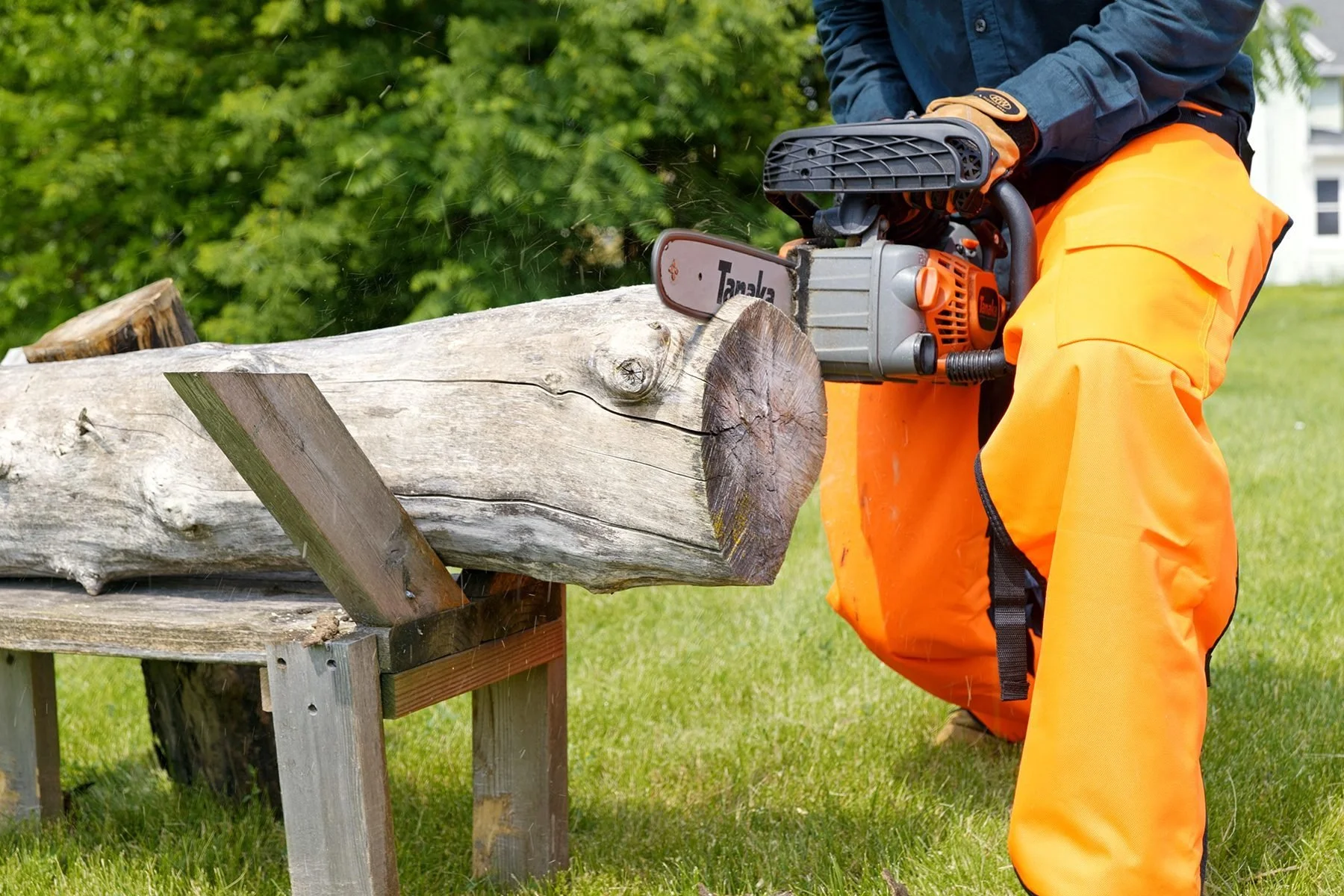
Wear gloves, safety glasses, and ear protection. Use a helmet and chainsaw chaps for extra safety. Proper gear protects you from flying debris and loud noise. Dress in close-fitting clothes to avoid getting caught. Being prepared means using the right safety equipment every time.
Credit: www.familyhandyman.com
Starting Techniques
Starting a chainsaw correctly is essential for safety and efficiency. Proper starting techniques reduce the risk of accidents and help the saw run smoothly. These steps guide beginners through a safe and effective start every time.
Prepare The Chainsaw
Place the chainsaw on a flat surface. Make sure the chain brake is engaged. Check fuel and oil levels before starting. Remove any debris around the chain and bar.
Use The Correct Starting Position
Hold the front handle with your left hand firmly. Place your right foot inside the rear handle. This position keeps the saw steady. It also prevents accidental movement when pulling the cord.
Engage The Choke
Move the choke lever to the full choke position. This setting helps the engine start in cold conditions. If the saw is warm, set the choke to half or off. Follow the manufacturer’s instructions for choke use.
Pull The Starter Cord
Pull the cord smoothly until you feel resistance. Then give a strong, quick pull to start the engine. Avoid yanking the cord too hard. It can damage the starter mechanism.
Release The Choke Gradually
Once the engine fires, move the choke to half or off. Let the engine run for a few seconds. This warms up the chainsaw and stabilizes the idle speed.
Disengage The Chain Brake
Release the chain brake before cutting. Hold the saw firmly with both hands. Check the chain moves freely before making any cuts.
Basic Cutting Methods
Learning the basic cutting methods is essential for safe and effective chainsaw use. These methods help control the saw and ensure clean, precise cuts. Understanding each technique reduces risks and improves your work quality.
Chainsaws cut wood in different ways depending on the job. Knowing the right method makes cutting easier and safer. Here are some common cutting methods every user should know.
Notch Cut
The notch cut creates a small wedge on the tree’s side. This cut controls the direction of the tree fall. Make a 45-degree cut downward, then a horizontal cut to meet it. This removes a notch that guides the tree as it falls.
Felling Cut
The felling cut is the final cut that brings the tree down. It is made opposite the notch cut. Cut straight and slowly until the tree begins to fall. Stop cutting once the tree starts moving to avoid accidents.
Bucking
Bucking means cutting a fallen tree into smaller sections. Place the saw bar fully in the wood for a smooth cut. Watch for pinching where the wood may close on the chain. Use proper body position to avoid injury.
Liming
Liming removes branches from a fallen or standing tree. Cut branches at their base, close to the trunk. Hold the chainsaw firmly and use smooth, controlled motions. Keep the saw tip away from obstacles to prevent kickback.
Handling Common Cutting Issues
Using a chainsaw can be challenging when cutting does not go as planned. Common cutting issues slow down work and can cause frustration. Learning how to handle these problems ensures smoother, safer cutting. This section explains key problems and simple fixes.
Dealing with Chain PinchingChain pinching happens when the wood closes on the chain. It stops the chain and can damage the saw. To fix this, release the trigger immediately. Then, gently pull the saw out of the cut. Avoid forcing the saw, as it may cause kickback. Use wedges to keep the cut open during cutting.
Fixing a Dull ChainA dull chain makes cutting slow and unsafe. It causes the saw to work harder and can lead to accidents. Sharpen the chain regularly using a file or a chain sharpener. Check the chain tension too. A loose chain also reduces cutting power and can come off the bar.
Preventing Chain KickbackKickback is a sudden, dangerous movement of the saw. It happens when the tip of the chain touches wood or another object. Always hold the saw firmly with both hands. Avoid cutting with the tip of the bar. Keep the saw chain sharp and properly tensioned. Use a chainsaw with a chain brake for extra safety.
Handling Uneven or Crooked CutsUneven cuts occur when the saw is not steady. Keep a firm grip on the handles. Stand with feet apart for balance. Cut straight by moving the saw smoothly through the wood. Check the saw’s guide bar for damage or warping. Replace the bar if it bends or twists.
Managing OverheatingOverheating can stop the chainsaw from working well. It may happen if the chain is too tight or dull. Clean the air filter regularly to keep the engine cool. Use the right fuel mix if your saw uses a two-stroke engine. Give the chainsaw breaks to cool down during long jobs.
Maintenance Tips
Proper maintenance keeps your chainsaw working safely and well. Regular care extends its life and improves performance. Simple checks prevent breakdowns and costly repairs.
Cleaning The Chainsaw After Use
Remove dirt and sawdust from the chain and bar. Use a brush or cloth for cleaning. Clear the air filter to keep the engine running smoothly. Avoid water on the engine parts.
Checking And Sharpening The Chain
Dull chains slow work and increase risk. Check the sharpness before each use. Use a round file to sharpen the teeth evenly. Maintain the correct angle for best results.
Lubricating The Chain And Bar
Lubrication reduces friction and wear. Fill the oil reservoir with bar and chain oil. Check the oil flow during operation. Never run the chainsaw without proper lubrication.
Inspecting The Chain Tension
Loose chains can jump off and cause injury. Tighten the chain so it fits snug but moves freely. Check tension often, especially after heavy use. Adjust with the tensioning screw as needed.
Examining The Spark Plug
A clean spark plug ensures easy starting. Remove the plug and check for dirt or damage. Clean or replace the plug every season. Set the gap according to the manual.
Storing The Chainsaw Properly
Store in a dry, cool place to prevent rust. Drain fuel if storing long-term to avoid gum buildup. Cover the bar to protect the chain. Keep away from children and pets.
Credit: www.hipastore.com
Storage And Transport
Proper storage and transport of a chainsaw keep it safe and ready to use. It also protects people and prevents damage. Chainsaws need careful handling after use and during movement.
Follow simple steps to store and carry your chainsaw. These steps help maintain its condition and ensure safety.
Storing Your Chainsaw Safely
Clean the chainsaw before storing it. Remove sawdust, oil, and debris from the chain and body. Store it in a dry place to avoid rust and damage. Use a protective case or cover to keep dirt away.
Drain the fuel if you plan to store it for a long time. This prevents fuel from going bad and clogging the engine. Check the chain tension and adjust if needed before storage.
Transporting Your Chainsaw Securely
Turn off the chainsaw and let it cool before transport. Use a hard case or a sturdy bag for carrying. Keep the chain guard on to protect the blade and people.
Place the chainsaw in a stable position in your vehicle. Avoid leaving it loose where it can move or fall. Secure it with straps if needed to prevent accidents.
Handling Fuel And Oil During Transport
Carry fuel and oil in approved containers only. Do not fill the chainsaw tank inside a vehicle. Fill the tank outdoors and away from open flames.
Keep fuel containers upright and secure. Avoid spills by closing lids tightly. Transport fuel separately from the chainsaw if possible.
Frequently Asked Questions
How Do You Use A Chainsaw For Beginners?
Hold the chainsaw firmly with both hands. Check your footing and wear protective gear. Start the saw safely, avoid touching the tip, and cut steadily. Keep the chain sharp and maintain correct tension for smooth cutting. Always stay alert and follow safety guidelines.
What Is The Proper Way To Cut With A Chainsaw?
Hold the chainsaw firmly with both hands and maintain stable footing. Keep the saw tip clear of objects. Cut slowly, avoiding pinching. Release the trigger if the chain stops, then reposition before restarting. Always wear proper protective gear.
What Are The Basic Chainsaw Rules?
Basic chainsaw rules include wearing full protective gear, holding the saw firmly with both hands, maintaining stable footing, avoiding loose clothing, and keeping the saw tip clear of objects. Always stay alert and follow proper cutting techniques to ensure safety.
Why Can’t I Cut Straight With My Chainsaw?
Chainsaws cut crooked due to dull or unevenly sharpened chains, improper tension, or worn guide bars. Sharpen teeth evenly, adjust tension properly, and replace or flip the guide bar to cut straight.
How Do I Safely Start A Chainsaw?
Place the chainsaw on the ground, engage the chain brake, hold it firmly, and pull the starter cord smoothly.
Conclusion
Using a chainsaw safely and correctly takes practice and attention. Always wear protective gear and keep a firm grip. Check your chainsaw before each use to ensure it works well. Cut slowly and carefully to avoid accidents. Remember, safety comes first in every step.
With patience, you can handle a chainsaw confidently. Stay alert and follow the basic rules for best results. This way, your work stays safe and effective every time.
{ “@context”: “https://schema.org”, “@type”: “Article”, “headline”: “How to Use a Chainsaw: Expert Tips for Safe, Efficient Cutting”, “description”: “Learn how to use a chainsaw safely and effectively by understanding its parts, operation, and essential techniques for cutting wood and managing tasks.”, “url”: “https://www.powertoolstoday.com/how-to-use-a-chainsaw/”, “datePublished”: “2025-11-29”, “dateModified”: “2026-03-18”, “author”: { “@type”: “Organization”, “name”: “Power Tools Today”, “url”: “https://www.powertoolstoday.com” }, “publisher”: { “@type”: “Organization”, “name”: “Power Tools Today”, “url”: “https://www.powertoolstoday.com” }, “mainEntityOfPage”: { “@type”: “WebPage”, “@id”: “https://www.powertoolstoday.com/how-to-use-a-chainsaw/” }, “image”: { “@type”: “ImageObject”, “url”: “https://www.powertoolstoday.com/wp-content/uploads/2025/11/how-to-use-a-chainsaw.webp” } }nn