
Last Updated: March 21, 2026
Are you ready to take your DIY skills to the next level? Knowing how to use a circular saw can open up a world of possibilities for your home projects.
Whether you want to cut plywood, trim boards, or tackle bigger woodworking tasks, this powerful tool can make your work faster and more precise. But if you’ve never handled one before, it might feel a bit intimidating. Don’t worry — with the right guidance, you’ll learn how to use a circular saw safely and effectively, avoiding common mistakes that beginners make.
Keep reading, and you’ll gain the confidence and know-how to make clean, accurate cuts every time. Your next project is about to get a lot easier!
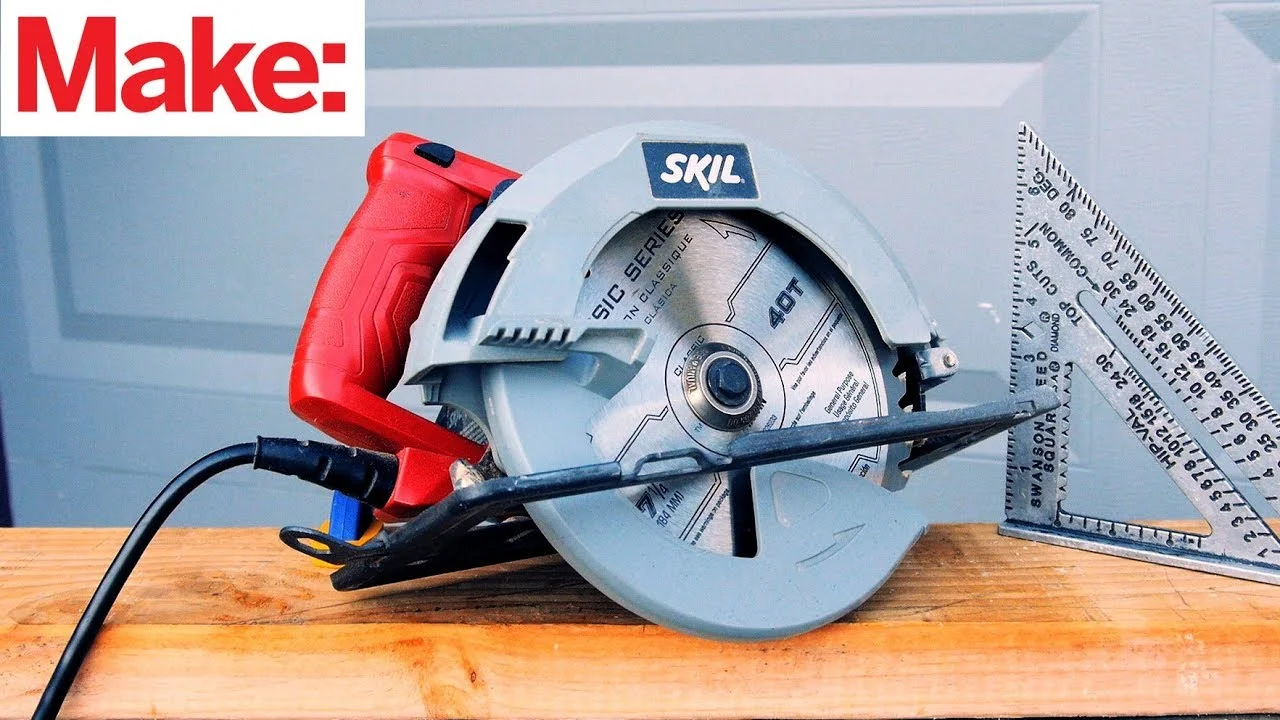
Credit: www.youtube.com
Choosing The Right Blade
Choosing the right blade for your circular saw is essential for clean, accurate cuts. The blade affects the quality and speed of your work. Using the wrong blade can cause rough edges or damage to the material. It can also wear out your saw faster. Understanding blade types, sizes, and teeth count helps you pick the best blade for each job.
Blade Types For Different Materials
Blades come in various types depending on the material you cut. For wood, use a blade with large, sharp teeth. They cut fast and smooth through softwood and hardwood. For cutting metal, select a blade made of carbide or with special coatings. These blades resist heat and stay sharp longer. Masonry blades are designed for stone, brick, or concrete. They have a diamond edge for tough materials. Using the right blade type prevents damage and improves safety.
Blade Size And Teeth Count
Blade size usually ranges from 4 to 7 1/4 inches. The size must match your saw’s specifications. Larger blades cut deeper but need more power. Teeth count affects cut smoothness and speed. Fewer teeth mean faster, rougher cuts. More teeth offer smoother, slower cuts. For rough cuts, choose blades with 24 to 40 teeth. For fine cuts, blades with 60 to 80 teeth work best. Match teeth count to the job for better results.
Preparing Your Workspace
Preparing your workspace is essential before using a circular saw. A clean, organized area helps you work safely and efficiently. Taking time to set up reduces mistakes and accidents.
Securing The Workpiece
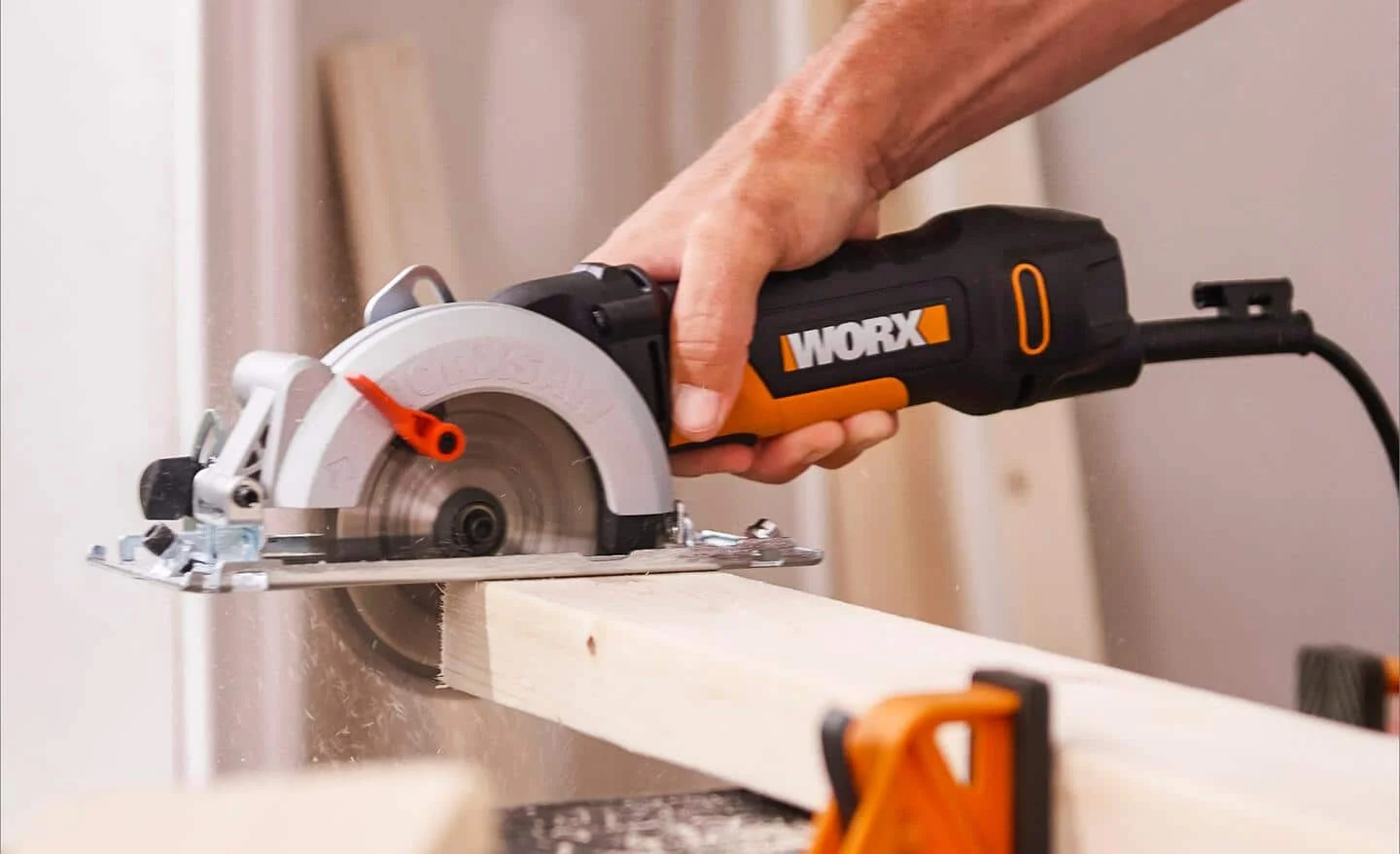
Firmly secure the wood or material to a stable surface. Use clamps or a workbench to hold it in place. This prevents movement during cutting. A steady workpiece leads to accurate cuts and safer use. Avoid holding the material with your hands while cutting.
Clearing The Cutting Path
Remove all objects and debris near the cutting line. Make sure the blade has a clear path to move freely. Check for nails, screws, or other metal pieces in the wood. These can damage the blade or cause kickback. Keep the workspace free from clutter to avoid tripping or distractions.
Setting The Saw For Cuts
Setting the saw correctly is crucial before making any cuts. Proper adjustments ensure accuracy and safety. Two important settings are cutting depth and bevel angle. These help you get clean and precise cuts on your material. Take time to adjust these settings on your circular saw before starting your work.
Adjusting Cutting Depth
Set the blade depth so it cuts just below the material thickness. A good rule is to let the blade stick out about 1/4 inch under the wood. Too deep cuts waste energy and cause rough edges. Too shallow cuts may not go through the material fully. To adjust, unlock the depth lever, move the base plate up or down, and lock it again securely.
Setting Bevel Angles
The bevel angle controls the tilt of the blade for angled cuts. Most circular saws allow bevel cuts up to 45 degrees. Loosen the bevel adjustment knob or lever, tilt the saw base to the desired angle, then tighten it firmly. Check the angle with a protractor or angle gauge for accuracy. This setting helps make chamfers and decorative edges easily.
Marking And Aligning Cuts
Marking and aligning cuts is crucial for accurate results with a circular saw. Clear, precise lines guide your saw through the material. Proper alignment helps avoid mistakes and keeps cuts straight. Taking time to mark and align cuts improves both safety and quality.
Using Straightedges And Guides
Use a straightedge or guide to keep your cut line straight. Clamp a straight board or metal ruler along the mark. Rest the saw’s base against the guide for stability. This prevents the saw from drifting off course. A guide helps especially with long or tricky cuts.
Accounting For Blade Thickness
Remember the blade has thickness, called the kerf. The kerf removes a small amount of material during the cut. Mark your line on the side where you want to keep the wood. Position the blade so it cuts just outside the line. This preserves the correct size for your piece.
Safe Operation Techniques
Safe operation techniques are crucial when using a circular saw. The tool is powerful and can cause serious injury if not handled correctly. Following clear steps helps protect both the user and the workpiece. Understanding these basics builds confidence and skill.
Starting And Stopping The Saw
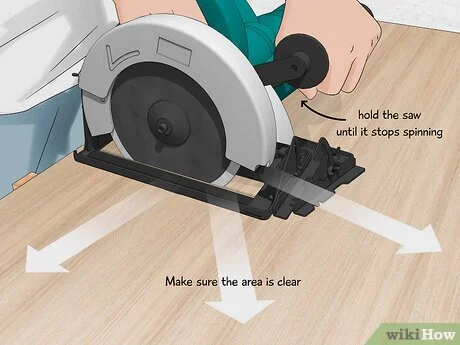
Always place the saw flat on the material before turning it on. Hold it firmly with both hands. Switch on the saw and wait until the blade reaches full speed. Begin cutting only after the blade spins steadily. To stop, release the trigger and wait for the blade to stop completely. Never set the saw down while the blade is still moving.
Maintaining Steady Pressure
Use steady, even pressure while cutting. Do not force the saw; let the blade do the work. Pushing too hard can cause the blade to bind or kick back. Keep the saw moving at a consistent speed to get a clean cut. Maintain control by holding the saw firmly and following the cut line carefully.
Credit: www.wikihow.com
Tips For Accurate Cutting
Accurate cutting with a circular saw depends on control and attention to detail. Small errors can lead to crooked cuts and wasted material. Use these tips to improve your cutting precision and get clean, straight lines every time.
Focus on steady movements and avoid rushing. A careful approach helps maintain accuracy and safety.
Cutting At A Consistent Speed
Keep the saw moving at a steady, even pace along the cut line. Going too fast can cause the blade to wander or bind. Move too slow, and the blade may burn the wood or cause rough edges.
Let the saw blade do the work. Apply gentle forward pressure without forcing it. This balance helps create a smooth, straight cut.
Always wait for the blade to reach full speed before starting the cut. This prevents the blade from dragging or jumping off the line.
Avoiding Common Mistakes
Check blade alignment before cutting. Make sure the blade matches your marked cut line precisely. Use a guide or straight edge to keep the saw on track.
Secure the wood firmly. Movement or vibration during cutting can cause uneven edges. Clamp or hold the material steady for best results.
Do not twist or angle the saw while cutting. Keep the base flat on the surface. Twisting can cause the blade to drift and ruin the cut.
Credit: www.homedepot.com
Frequently Asked Questions
Can A Beginner Use A Circular Saw?
Yes, beginners can use a circular saw safely by following instructions and wearing proper safety gear. Practice on scrap wood first.
How To Cut Straight With A Circular Saw For Beginners?
Use a straight edge or saw guide to follow your cut line precisely. Secure the wood firmly. Align the blade with the line, start the saw, and cut steadily without forcing it. Let the blade stop before setting the saw down.
Wear safety gear for protection.
Is It Hard To Use A Circular Saw?
Using a circular saw is not hard with basic safety and technique. Wear protection, secure the material, and follow the cut line steadily. Practice ensures better control and accuracy.
How To Cut Accurately With A Circular Saw?
Mark your cut line clearly with a pencil. Clamp the workpiece securely. Align the saw’s guide with the line. Start the saw, reach full speed, then push steadily. Let the saw cut without forcing it. Wait for the blade to stop before setting the saw down.
What Safety Gear Should I Wear Using A Circular Saw?
Always wear eye protection, ear plugs, and snug clothing to stay safe while cutting.
How Do I Make Straight Cuts With A Circular Saw?
Use a guide or speed square along your cut line to keep the saw straight.
Conclusion
Using a circular saw can make cutting tasks easier and faster. Always wear safety gear and keep your work area clear. Take your time to follow the cut lines carefully. Let the saw do the cutting without forcing it. Practice on scrap wood to build confidence.
With these simple steps, you can cut wood safely and accurately. Enjoy your projects with your new skills and tools. Stay safe and cut smart!
Related reading: How to Mix Concrete in a Bucket.
Related reading: Can You Cut Ceramic Tile With a Circular Saw.
Related reading: How to Cut an Angle on a Table Saw.
{ “@context”: “https://schema.org”, “@type”: “Article”, “headline”: “How to Use a Circular Saw: Essential Tips for Safe, Precise Cuts”, “description”: “Learn how to use a circular saw by understanding its parts, safety tips, and step-by-step guidance for accurate and efficient cutting in woodworking projects.”, “url”: “https://www.powertoolstoday.com/how-to-use-a-circular-saw/”, “datePublished”: “2025-12-12”, “dateModified”: “2026-03-18”, “author”: { “@type”: “Organization”, “name”: “Power Tools Today”, “url”: “https://www.powertoolstoday.com” }, “publisher”: { “@type”: “Organization”, “name”: “Power Tools Today”, “url”: “https://www.powertoolstoday.com” }, “mainEntityOfPage”: { “@type”: “WebPage”, “@id”: “https://www.powertoolstoday.com/how-to-use-a-circular-saw/” }, “image”: { “@type”: “ImageObject”, “url”: “https://www.powertoolstoday.com/wp-content/uploads/2025/11/how-to-use-a-circular-saw.jpg” } }{ “@context”: “https://schema.org”, “@type”: “Article”, “headline”: “How to Use a Circular Saw: Essential Tips for Safe, Precise Cuts”, “description”: “Learn how to use a circular saw by understanding its parts, safety tips, and step-by-step guidance for accurate and efficient cutting in woodworking projects.”, “url”: “https://www.powertoolstoday.com/how-to-use-a-circular-saw/”, “datePublished”: “2025-12-12”, “dateModified”: “2026-03-19”, “author”: { “@type”: “Organization”, “name”: “Power Tools Today”, “url”: “https://www.powertoolstoday.com” }, “publisher”: { “@type”: “Organization”, “name”: “Power Tools Today”, “url”: “https://www.powertoolstoday.com” }, “mainEntityOfPage”: { “@type”: “WebPage”, “@id”: “https://www.powertoolstoday.com/how-to-use-a-circular-saw/” }, “image”: { “@type”: “ImageObject”, “url”: “https://www.powertoolstoday.com/wp-content/uploads/2025/11/how-to-use-a-circular-saw.jpg” } }nnnn