
Last Updated: March 20, 2026
If you’ve ever felt unsure about handling a cordless drill, you’re not alone. This handy tool might seem a bit intimidating at first, but once you know the simple steps, it becomes your best friend for countless projects around your home.Whether you want to drill holes in wood, metal, or even masonry, or drive screws quickly and securely, mastering your cordless drill will save you time and effort. In this guide, you’ll learn exactly how to choose the right drill bit, set the perfect speed and torque, and handle your drill safely and confidently.Keep reading, and you’ll discover how easy it is to turn your DIY ideas into reality with your cordless drill.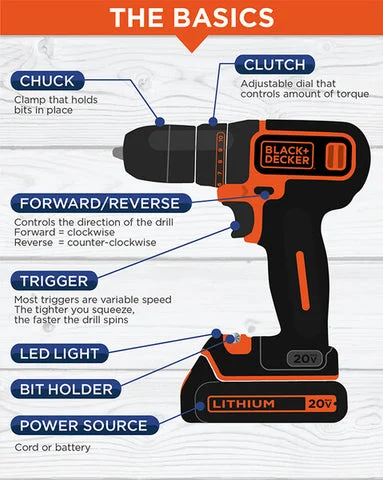 Credit: www.blackanddecker.com
Choosing The Right Drill
Choosing the right cordless drill makes your tasks easier and faster. A good drill fits your needs and feels comfortable in your hand. Picking the correct drill helps you avoid frustration and wasted time. Focus on the drill type and battery power. These affect performance and battery life.Types Of Cordless Drills
Cordless drills come in several types. A drill driver is the most common. It works well for drilling holes and driving screws. Hammer drills add a pounding action. Use them for drilling into concrete or brick. Impact drivers deliver high torque. They are great for tough screws and bolts. Choose the type based on the jobs you plan to do.Battery And Power Options
Batteries power cordless drills and affect how long they run. Lithium-ion batteries last longer and charge faster than older types. Battery voltage shows the power of the drill. Higher voltage means more power but also more weight. For light tasks, a 12-volt drill works well. Heavy-duty work may need 18 volts or more. Consider battery capacity too. It shows how long the drill runs before recharging.Selecting Drill Bits
Selecting the right drill bit is key for effective drilling. The drill bit must match the task and material. Using the correct bit saves time and avoids damage. This section explains different types of drill bits and how to match them to materials.Different Bit Types
Twist bits are common and work well on wood and metal. Spade bits have a flat shape for drilling large holes in wood. Masonry bits have a strong tip for drilling into concrete or brick. Brad point bits create clean holes in wood with precision. Hole saws cut large diameter holes in wood or drywall.Matching Bits To Materials
Wood needs sharp bits like spade or brad point for clean holes. Metal requires strong twist bits made of high-speed steel. Concrete and brick need masonry bits with carbide tips. Plastic works well with standard twist bits at low speed. Choose bits designed for the material to get best results.Setting Up Your Drill
Setting up your cordless drill correctly makes every job easier and safer. Before drilling, prepare your tool well. This step ensures accuracy and prevents damage to your drill or work surface. Follow simple steps to get your drill ready.Installing Drill Bits
Start by choosing the right drill bit for your task. Hold the drill firmly and open the chuck by turning it counterclockwise. Insert the drill bit straight into the chuck. Tighten the chuck by turning it clockwise until the bit is secure. Check that the bit does not wobble or slip. Use the chuck key if your drill has one for extra tightness.Adjusting Speed And Torque
Find the speed control switch on your drill. Choose low speed for driving screws or drilling soft materials. Select high speed for drilling hard surfaces like metal or stone. Adjust the torque setting to control the drill’s power. Low torque prevents overdriving screws and damaging materials. Higher torque is needed for tougher jobs. Set the torque dial to match your project’s needs.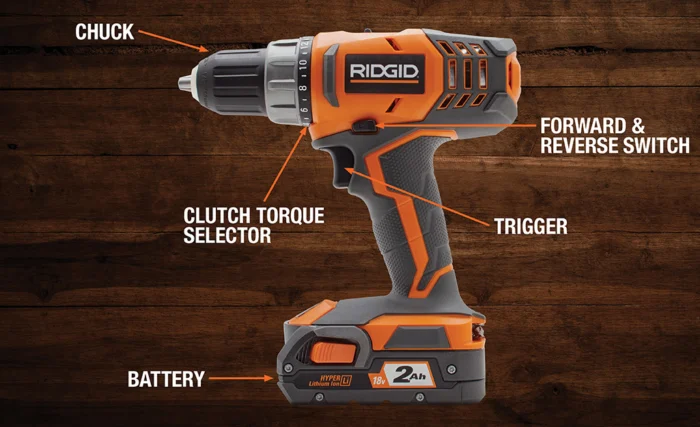 Credit: www.homedepot.com
Basic Drilling Techniques
Basic drilling techniques form the foundation of using a cordless drill safely and effectively. Understanding how to hold the drill and control its speed helps create clean, precise holes. This section covers two key skills: how to grip the drill properly and how to start and control the drilling process.Proper Grip And Stance
Hold the drill firmly with your dominant hand around the handle. Your index finger should rest on the trigger for easy control. Use your other hand to support the drill near the front for better balance. Stand with your feet shoulder-width apart for stability. Keep your body aligned with the drill to apply even pressure. This stance reduces fatigue and improves accuracy during drilling.Starting And Controlling Drilling
Place the drill bit tip on the spot where you want to drill. Apply light pressure and gently squeeze the trigger to start the drill. Begin at a slow speed to prevent the bit from slipping. Increase speed gradually as the bit bites into the material. Maintain steady pressure without pushing too hard. Release the trigger slowly to stop the drill smoothly. Controlling speed and pressure ensures clean holes and prevents damage.Using The Drill For Screwing
Using a cordless drill for screwing is simple and fast. It saves time and effort compared to manual screwing. The drill can drive screws into wood, metal, and plastic. It also removes screws with ease. Knowing how to switch modes and control speed helps avoid damage. Follow these easy steps to use your drill as a screwdriver effectively.Switching To Screwdriver Mode
Most cordless drills have a screwdriver mode. This mode controls the torque for delicate screwing tasks. To switch, locate the torque adjustment ring near the chuck. Turn the ring to a lower number for lighter torque. Higher numbers give more power for tough screws. Some drills have a dedicated screwdriver mode button or setting. Check your drill’s manual if unsure. Using the correct mode protects the screw and the material.Driving And Removing Screws
Choose the right screwdriver bit for the screw head. Insert the bit into the drill chuck and tighten it firmly. Place the screw tip on the surface where you want to drive it. Hold the drill steady and apply gentle pressure. Pull the trigger slowly to start the screw. Increase speed as the screw goes in smoothly. To remove a screw, reverse the drill’s rotation. Keep the bit aligned with the screw to avoid slipping. Stop when the screw is fully out or flush with the surface.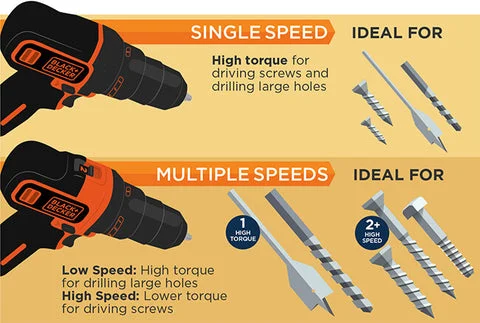 Credit: www.blackanddecker.com
Safety And Maintenance Tips
Using a cordless drill safely ensures your projects go smoothly without accidents. Proper maintenance keeps your drill working well for a long time. Follow these important safety and care tips to protect yourself and your tool.Protective Gear
Always wear safety glasses to protect your eyes from dust and debris. Use ear protection to reduce noise from the drill. Wear gloves to improve grip and protect your hands from injury. Avoid loose clothing or jewelry that can get caught in the drill. Work in a well-lit area to see clearly and avoid mistakes.Cleaning And Storing Your Drill
After each use, wipe the drill with a dry cloth to remove dust and dirt. Check the drill bits for damage and replace if needed. Keep the battery charged but do not overcharge it. Store your drill in a cool, dry place away from moisture. Use a case or toolbox to protect the drill from damage and dust.Frequently Asked Questions How Do You Put A Drill Bit In A Cordless Drill?Open the chuck by turning it counterclockwise. Insert the drill bit into the chuck. Tighten the chuck clockwise until secure. Ensure the bit is firmly in place before use.How Do I Use My Cordless Drill?Choose the right drill bit and insert it into the chuck. Tighten the chuck securely. Set speed and torque. Hold the drill firmly, then press the trigger to drill or drive screws. Use the forward/reverse switch as needed. Always wear safety glasses.How Do You Use A Drill Step By Step?Select the correct drill bit and insert it tightly into the chuck. Set speed and torque. Hold the drill firmly. Position the bit on the target. Pull the trigger to drill. Reverse to remove the bit. Always wear safety glasses and work steadily.How To Use A Cordless Drill As A Screwdriver?Insert a screwdriver bit into the drill chuck. Set low torque and forward direction. Align bit with screw head. Apply steady pressure and pull the trigger.What Is The First Step To Use A Cordless Drill Safely?Always read the user manual and wear safety glasses before starting.Conclusion
Using a cordless drill is simple and saves time on many tasks. Always pick the right drill bit for your project. Hold the drill firmly and start slowly to keep control. Apply steady pressure without forcing the drill. Remember to check your work often to avoid mistakes.With practice, your confidence and skill will grow. Enjoy the freedom a cordless drill provides for home projects. Keep safety in mind and have fun building and fixing things around you.Related reading: What Is a Cordless Drill Used For.
Related reading: Brushless vs Brushed Drill: Real Differences Explained.
Related reading: How to Sharpen Drill Bits on a Bench Grinder.
Related reading: How to Sharpen a Lawn Mower Blade With a Bench Grinder.
Related reading: Why Won’t My Chainsaw Start.
{ “@context”: “https://schema.org”, “@type”: “Article”, “headline”: “How to Use a Cordless Drill: Essential Tips for Beginners”, “description”: “Learn how to use a cordless drill by understanding its key features, operation techniques, and common applications for efficient drilling and fastening tasks.”, “url”: “https://www.powertoolstoday.com/how-to-use-a-cordless-drill/”, “datePublished”: “2025-11-11”, “dateModified”: “2026-03-18”, “author”: { “@type”: “Organization”, “name”: “Power Tools Today”, “url”: “https://www.powertoolstoday.com” }, “publisher”: { “@type”: “Organization”, “name”: “Power Tools Today”, “url”: “https://www.powertoolstoday.com” }, “mainEntityOfPage”: { “@type”: “WebPage”, “@id”: “https://www.powertoolstoday.com/how-to-use-a-cordless-drill/” }, “image”: { “@type”: “ImageObject”, “url”: “https://www.powertoolstoday.com/wp-content/uploads/2025/11/How-to-Use-a-Cordless-Drill-1024×576.webp” } }nn