
Last Updated: March 21, 2026
A clogged drain can turn a simple day into a frustrating one. Grease, hair, food, or even soap can build up and block pipes. Sometimes, basic plungers or chemical cleaners don’t solve the problem. This is where a drain bladder comes in. It’s a powerful tool for clearing tough blockages in home plumbing. If you have never used a drain bladder before, or you’re unsure about the process, this guide will walk you through everything you need to know—from choosing the right bladder to using it safely and effectively.
What Is A Drain Bladder?
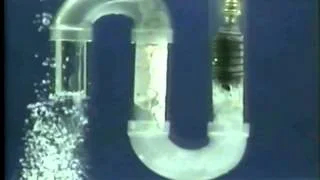
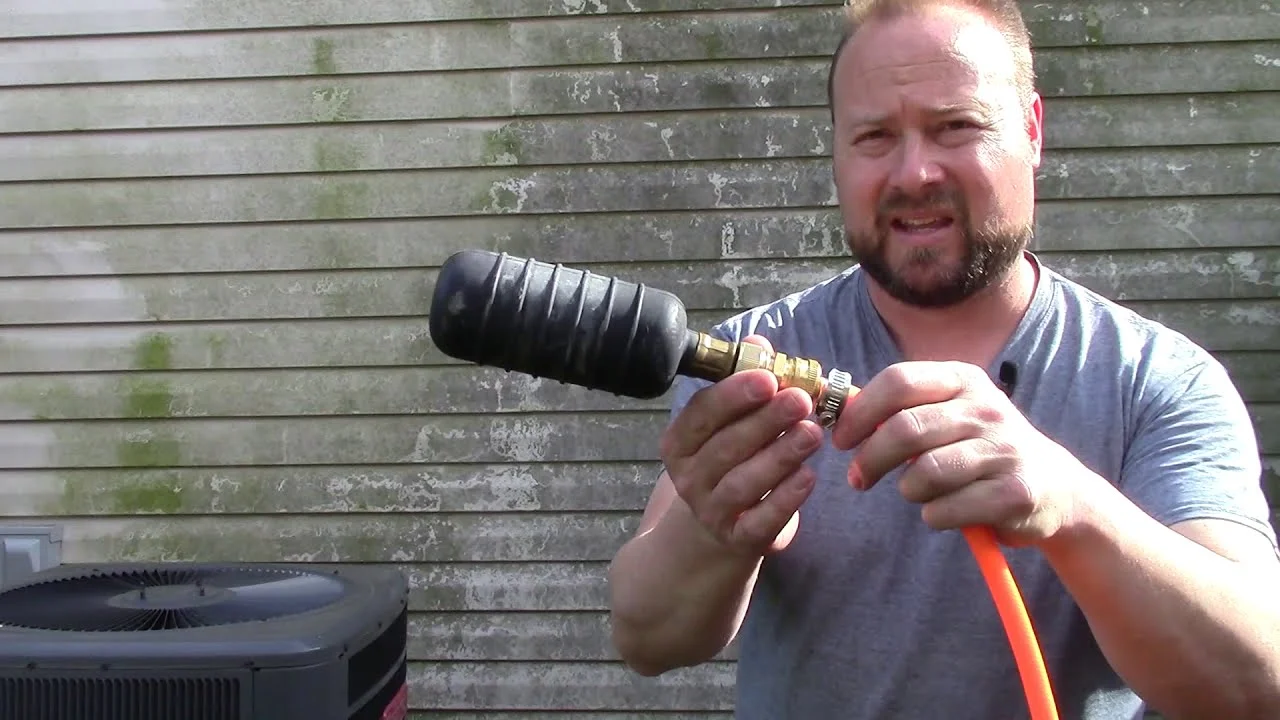
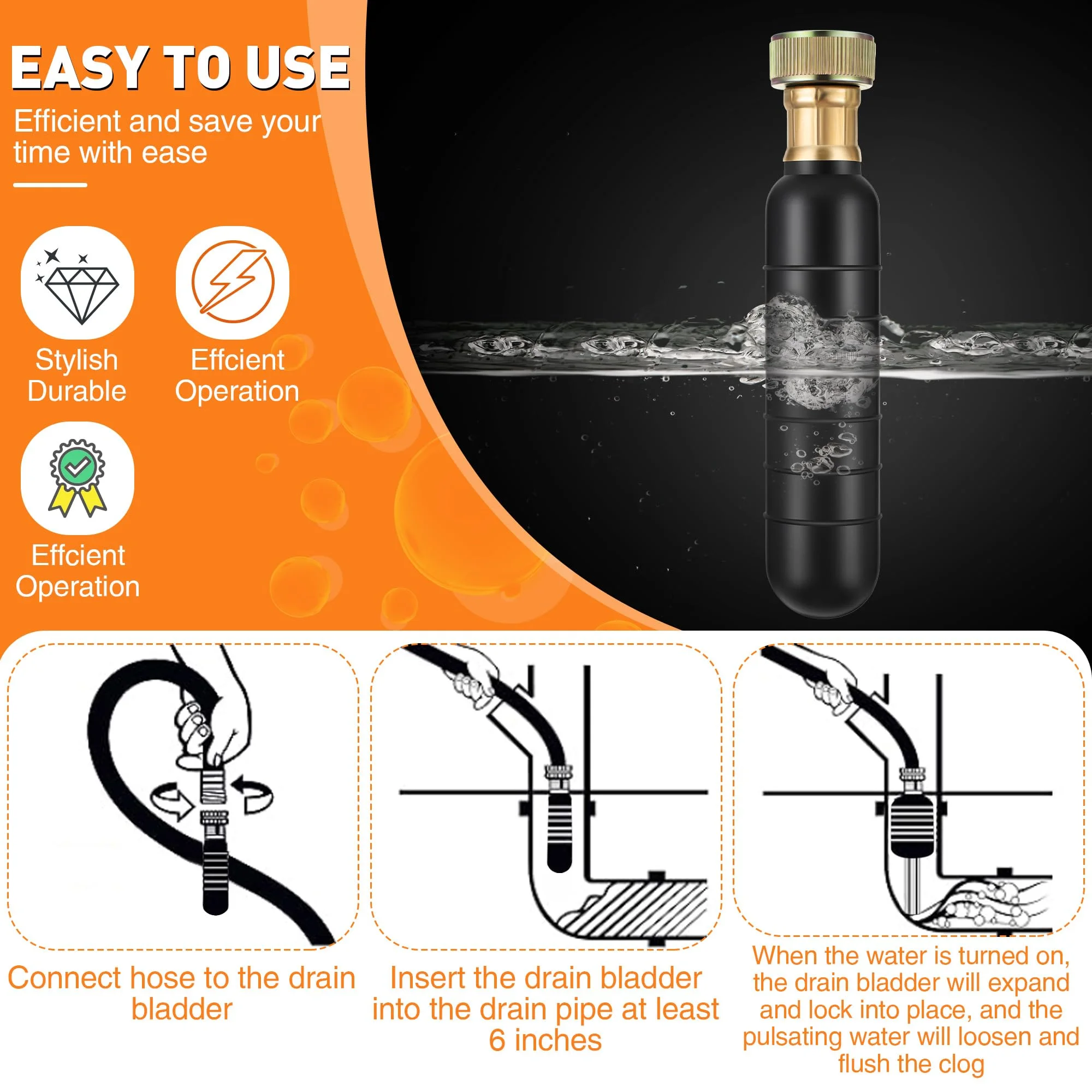
A drain bladder is a small rubber device that connects to a garden hose. When water flows in, the bladder expands and seals itself inside the pipe. Pressure builds up behind the blockage, forcing it to break apart and flush away.
Unlike traditional plungers, drain bladders use water pressure instead of air. This makes them more effective for deep or stubborn clogs.
Drain bladders are available in different sizes to fit various pipes. Most home models work for sinks, tubs, showers, and even toilets. Professional plumbers often use them to clear main sewer lines and large drains.
When Should You Use A Drain Bladder?
Drain bladders are best for:
- Tough clogs that don’t respond to plunging
- Long pipes where the blockage is deep inside
- Grease, hair, or soap buildup
- Multiple drains blocked at once
However, avoid using a drain bladder if:
- The pipe is old or fragile (risk of damage)
- There are leaks or cracks in the pipe
- The blockage is caused by hard objects (toys, tools, large debris)
If you’re unsure, check with a plumber before using a drain bladder.
Choosing The Right Drain Bladder
Drain bladders come in several sizes. Picking the correct size is important for safety and effectiveness. Here’s a quick comparison:
| Bladder Size | Pipe Diameter | Common Use |
|---|---|---|
| Small (1-2 inches) | 1-2 inches | Sinks, tubs, shower drains |
| Medium (2-4 inches) | 2-4 inches | Toilets, laundry drains |
| Large (4-6 inches) | 4-6 inches | Main sewer lines, outdoor drains |
Measure your pipe before buying. Using the wrong size can damage your plumbing or make the tool ineffective.
Tools And Materials Needed
Before starting, gather these items:
- Drain bladder (correct size)
- Garden hose (long enough to reach the drain)
- Bucket or towels (for spills)
- Gloves (protect hands)
- Safety goggles (protect eyes)
Optional: flashlight, pipe wrench (for stubborn drains), and a helper for holding the hose.
Step-by-step Guide: Using A Drain Bladder
Follow these steps to clear your drain safely.
1. Prepare The Area
Remove items around the drain. Lay towels or a bucket nearby to catch water spills. Wear gloves and goggles for safety.
2. Access The Drain
For sinks or tubs, take out the drain cover or stopper. For toilets, remove the toilet if necessary—although this is rarely needed. The goal is to have direct access to the pipe opening.
3. Attach The Bladder To The Hose
Screw the drain bladder onto the end of your garden hose. Make sure the connection is tight. If it’s loose, water may leak and reduce pressure.
4. Insert The Bladder Into The Pipe
Push the bladder gently into the drain. It should go at least 6-8 inches deep, but do not force it. For larger pipes, push further if possible. The bladder must be fully inside the pipe.
5. Turn On The Water Slowly
Start with low water pressure. Gradually increase the flow. The bladder will expand and seal itself against the pipe walls.
6. Wait For Pressure To Build
Keep water running for 30 seconds to 2 minutes. The bladder will force water behind the clog. You may hear gurgling or rushing sounds as the blockage breaks up.
7. Turn Off The Water And Remove The Bladder
Turn off the hose. Wait a few seconds for pressure to drop. Pull the bladder out carefully—some water may spill.
8. Test The Drain
Run water into the drain to check flow. If water moves freely, the clog is gone. If not, repeat the process up to two more times.
9. Clean Up
Wipe up spills, rinse the bladder, and wash your hands. Replace any drain covers or stoppers.
Practical Tips For Success
Using a drain bladder can be messy and tricky. Here are some tips to improve results:
- Always start with low water pressure. High pressure can damage pipes or cause leaks.
- Never leave the bladder unattended. Water pressure can build quickly, leading to bursts or flooding.
- Do not use a drain bladder in old clay or fragile pipes. These can crack under pressure.
- If water backs up, stop immediately. This means there’s a blockage you can’t clear, or the pipe is damaged.
- Clean the bladder after each use. Debris can stick to the rubber and block future use.
- For deep clogs, insert the bladder as far as possible. This ensures maximum pressure at the blockage.
- Store the bladder dry and away from sunlight. Rubber breaks down with heat and moisture.
Credit: www.youtube.com
Common Mistakes And How To Avoid Them
Most beginners make mistakes that can damage pipes or reduce effectiveness. Here’s a quick overview:
| Mistake | Effect | How to Avoid |
|---|---|---|
| Using wrong size bladder | Poor seal, weak pressure | Measure pipe before buying |
| Turning water on too fast | Risk of pipe bursting | Start with low pressure |
| Leaving bladder in place too long | Rubber damage, flooding | Limit use to 2 minutes |
| Using in damaged pipes | Leaks, pipe cracks | Inspect pipes before use |
| Not cleaning after use | Reduced performance | Wash bladder and store dry |
Safety Precautions
Drain bladders use water pressure, which can be dangerous if misused. Always follow these safety tips:
- Wear gloves and goggles to protect from splashes and debris.
- Do not use excessive pressure. This can burst pipes and flood your home.
- Keep children and pets away during use.
- Inspect pipes for cracks or leaks before starting.
- Never use a drain bladder in pipes with chemical cleaners inside. Mixes can cause dangerous reactions.
Credit: www.youtube.com
Drain Bladder Vs. Other Drain Cleaning Methods
How does a drain bladder compare to other tools? Here’s a quick overview:
| Method | Effectiveness | Cost | Best For |
|---|---|---|---|
| Drain bladder | High (for tough clogs) | Low ($10-$30) | Deep, stubborn clogs |
| Plunger | Medium | Very low ($5-$15) | Surface clogs |
| Drain snake | High (for solid objects) | Medium ($20-$50) | Hard debris, hair |
| Chemical cleaner | Low-Medium | Low ($5-$20) | Grease, soap |
| Professional service | Very high | High ($100+) | Complex or main line clogs |
Drain bladders are often more effective for tough clogs than plungers or chemicals, but less effective for solid objects like toys or large debris. For these, a drain snake or professional service is better.
Real-life Example: Drain Bladder Success
Let’s look at a common scenario. Imagine a homeowner with a slow shower drain. They try a plunger—no luck. Chemical cleaner doesn’t help. After measuring the pipe (1. 5 inches), they buy a small drain bladder. They follow the steps above, and after two cycles, the water flows quickly again.
The homeowner saves money by avoiding a plumber, and the shower is back to normal.
A less obvious insight is that repeated use can sometimes clear tougher clogs. If the drain clears partially, try again after a few hours. Sometimes, water pressure loosens debris, but it needs another push to fully clear.
Credit: gropower.com
Maintenance And Storage
After using a drain bladder, proper maintenance keeps it working for years:
- Wash with clean water after every use.
- Dry fully before storing.
- Keep in a cool, dry place. Avoid sunlight and heat.
- Inspect for cracks or wear. Replace if damaged.
Many homeowners skip these steps, but a well-maintained bladder lasts longer and works better.
When To Call A Professional
Sometimes, a drain bladder isn’t enough. If you notice:
- Water backing up in multiple drains
- Strange odors from pipes
- Visible leaks or water damage
- Repeated clogs that don’t clear
These signs mean a larger problem. Call a professional plumber for help. Home tools work for small to medium clogs, but main line issues need expert attention.
For more information on plumbing tools and methods, visit Wikipedia.
Frequently Asked Questions
What Pipes Can A Drain Bladder Be Used In?
Drain bladders work in most home pipes, including sinks, tubs, showers, and toilets. Check the pipe diameter and choose the correct bladder size. Avoid using in old, fragile, or damaged pipes.
How Long Should I Leave The Drain Bladder Running?
Keep the bladder running for 30 seconds to 2 minutes. Longer use can damage pipes or cause flooding. If the clog doesn’t clear, repeat the process up to two more times.
Is A Drain Bladder Safe For Septic Systems?
Yes, drain bladders are safe for septic systems if used correctly. Do not use in pipes with chemical cleaners or if you suspect pipe damage. Water pressure alone won’t harm septic tanks.
Can A Drain Bladder Damage My Pipes?
If used as directed, drain bladders are safe. Problems occur with high pressure, wrong size bladder, or using in weak pipes. Always start with low pressure and inspect pipes first.
What Should I Do If The Drain Bladder Does Not Clear The Clog?
Try again after a few hours, as water pressure may loosen debris. If the clog remains, use a drain snake or call a plumber. Do not force the bladder or use excessive water pressure.
A drain bladder is a simple tool that can save you time and money. By following the steps and tips above, you can clear tough clogs and keep your plumbing in good shape. The key is choosing the right size, using correct pressure, and staying safe.
Most homeowners can handle basic clogs with this tool, but do not hesitate to call a professional for bigger problems. With patience and care, a drain bladder can be your best friend in home maintenance.
nn
Related Articles
- How to Extend Battery Life in Power Tools: Expert Tips & Tricks
- Water Stone Vs Oil Stone: Which Sharpening Stone Is Best?
- Chop Saw Vs Circular Saw: Ultimate Guide to Choose the Best Tool
- Band Saw Vs Jigsaw: Ultimate Guide to Choose the Best Tool
nnnn
