
Last Updated: March 27, 2026
A Dremel tool is one of the most versatile power tools you can own. Whether you are a hobbyist, a DIYer, or just someone who needs a tool for small repairs, a Dremel can help with a huge range of tasks. Many people buy a Dremel after seeing it used for engraving, but soon discover it can cut, sand, polish, carve, grind, and even clean. But with all these functions, it’s easy to feel lost at first. This guide will show you how to use a Dremel tool safely and effectively, help you understand its attachments, and give you confidence for your next project.
What Is A Dremel Tool?
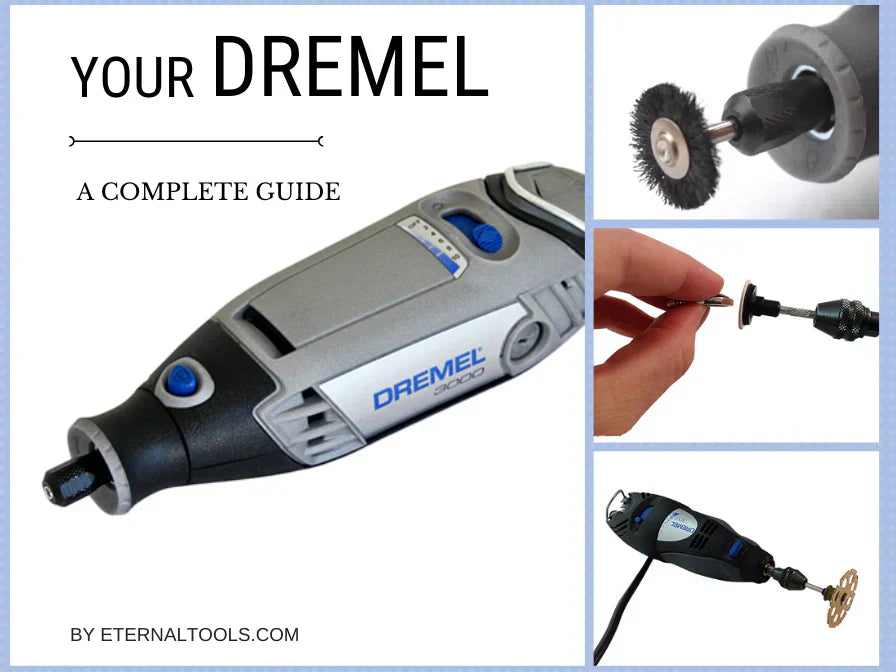
A Dremel tool is a rotary tool that spins at high speed. It has a small, pen-like shape and can hold many attachments. The most common Dremel tools spin at 5,000 to 35,000 RPM (rotations per minute), which is much faster than a normal drill. This speed allows it to cut, grind, or polish with precision.
Dremel is actually a brand name, but people often use it to describe any rotary tool. The most popular models are electric, but there are also cordless (battery) and even some air-powered versions. The light weight and small size make them perfect for detail work.
Main Uses Of A Dremel Tool
The true power of a Dremel is its versatility. Here are some of the most common ways people use it:
- Cutting: Metal, plastic, wood, drywall, screws, bolts.
- Grinding: Sharpening blades, smoothing welds or rough edges.
- Sanding: Small wood pieces, model parts, furniture detail, tight corners.
- Polishing: Jewelry, metal parts, glass, car headlights.
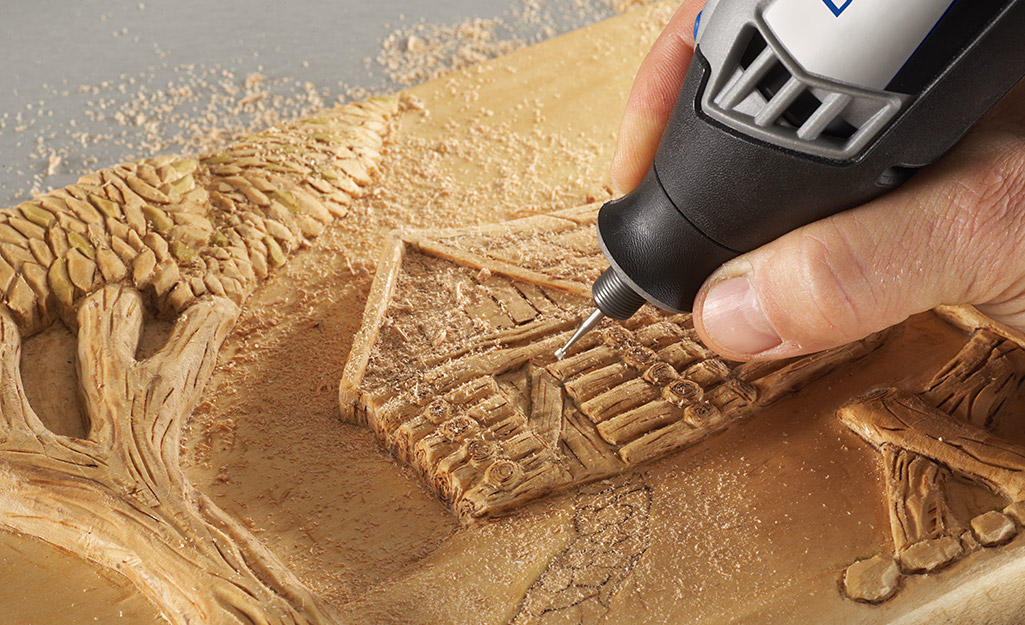
- Carving and Engraving: Wood, metal, glass, stone.
- Cleaning: Rust removal, cleaning grout, polishing shoes or tools.
Most people buy their first Dremel for one job, then find they use it for many more.
Credit: www.homedepot.com
Understanding Dremel Attachments And Accessories
To use a Dremel well, you need to know about the different attachments and accessories.
Attachments are add-ons that change the way you hold or use the tool (for example, a flexible shaft for detail work).
Accessories are the bits that do the actual work (like cutting wheels, sanding drums, or polishing pads).
Here’s a comparison of some popular Dremel accessories:
| Accessory Type | Main Use | Material Examples | Common Grit/Size |
|---|---|---|---|
| Cutting Wheel | Cutting | Metal, plastic | 1-1.5″ diameter |
| Sanding Drum | Sanding/Grinding | Wood, metal, plastic | 60-120 grit |
| Grinding Stone | Sharpening/Grinding | Metal, ceramic, glass | 1/4″ to 1/2″ diameter |
| Polishing Wheel | Polishing | Metal, glass, jewelry | Felt/cotton |
| Engraving Bit | Carving/Engraving | Wood, glass, stone | Various shapes |
Pro tip: Beginners often forget that accessory speed and pressure matter. Too much pressure can burn wood or wear out bits quickly. Let the tool do the work.
Choosing The Right Dremel For Your Needs
Not all Dremel tools are the same. Some are better for heavy-duty work, while others are perfect for detail. Here’s a quick comparison:
| Model | Power Source | Speed Control | Best Use |
|---|---|---|---|
| Dremel 4000 | Electric (corded) | Variable | All-purpose, heavy use |
| Dremel 3000 | Electric (corded) | Variable | General use, affordable |
| Dremel Lite 7760 | Battery (cordless) | Variable | Light use, portability |
| Dremel Stylo+ | Electric (corded) | Variable | Detail, engraving |
If you plan to work on tough materials like metal, choose a model with more power. For craft or detail work, lighter models are easier to control.
How To Set Up A Dremel Tool
Getting started is simple, but a few steps make a big difference:
- Read the manual: It sounds basic, but each model is a little different. You’ll learn about speed settings and safety.
- Choose the right attachment: Pick the bit or wheel that matches your job.
- Insert the accessory: Hold the spindle lock button, unscrew the collet nut, insert the bit, and tighten. Make sure it’s secure.
- Check the speed: Most Dremels have variable speed. Start slow, then increase if needed.
- Wear safety gear: Safety glasses and a dust mask are essential. Ear protection is a good idea for long jobs.
- Secure your work: Clamp or hold your piece so it doesn’t move.
Many beginners skip the spindle lock or don’t tighten the collet enough. This can cause the bit to fly out—a common mistake that’s easy to avoid.
Basic Techniques For Using A Dremel Tool
Cutting
Cutting with a Dremel is fast and precise. Use a cutting wheel for metal or plastic. Hold the tool with both hands, steady but not too tight. Let the wheel do the work—don’t force it.
For example, to cut a rusty bolt:
- Mark where you want to cut.
- Set the speed to medium-high.
- Hold the tool at 90 degrees to the bolt.
- Gently move through the metal.
Tip: Metal can get hot quickly. Dip the end in water between cuts to avoid overheating.
Grinding And Sharpening
Grinding stones and sanding drums smooth rough edges or sharpen blades. Always use the right bit for the material. Move the tool back and forth, never holding it in one place too long.
For knife sharpening:
- Use a grinding stone at a low to medium speed.
- Hold the blade at the same angle as the edge.
- Run the stone along the edge slowly.
Don’t forget, sharpening too fast can overheat and damage the blade’s temper.
Sanding
A Dremel is perfect for sanding in small spaces. Attach a sanding drum and pick the grit you need. Coarse grits (lower number) remove material quickly; fine grits (higher number) smooth the surface.
Move the tool in the direction of the grain if sanding wood. Change to a fresh drum when the old one clogs or wears out.
Polishing
For shining up metal or plastic, use a felt or cotton polishing wheel. Add a little polishing compound for a better finish. Work at a medium speed and keep the wheel moving.
Many people press too hard when polishing. Light pressure is best. Too much can create swirl marks or heat up the part.
Carving And Engraving
Carving with a Dremel is like drawing with a pen. Use a diamond or carbide bit for glass, stone, or metal, and a high-speed steel bit for wood.
- Hold the tool like a pencil.
- Start with a light touch.
- Practice on scrap material before starting your project.
If you’re engraving glass, use short bursts and don’t press hard. Glass can crack if you overheat it.
Credit: eternaltools.com
Advanced Projects And Tips
Once you’re comfortable, you can use your Dremel for more complex jobs:
- Jewelry making: Cut, polish, and engrave metal or stone beads.
- Model making: Shape small parts, sand tight spaces, or add details.
- Home repair: Cut pipes, clean grout, or sand corners.
- Restoration: Remove rust from tools, polish car parts, or clean old coins.
Non-obvious tip: Use masking tape to protect surfaces around your work area. This helps avoid accidental scratches.
Another insight: If you need to cut a straight line, attach a guide or use a straight edge. The Dremel can wander if you don’t have a guide.
Maintenance And Care
A Dremel tool lasts many years with basic care:
- Clean after every use: Brush off dust and debris.
- Lubricate moving parts: Some models need a drop of oil on the shaft.
- Replace worn accessories: Bits and wheels wear out faster than you think.
- Store properly: Keep the tool and accessories in a dry place.
Cordless models need to be charged regularly. For corded models, check the cord for any damage before use.

Credit: www.youtube.com
Safety Tips
Safety is critical with any rotary tool:
- Always wear safety glasses.
- Use a dust mask if cutting or sanding.
- Tie back long hair and avoid loose clothing.
- Keep hands clear of moving parts.
- Unplug before changing accessories.
- Start at low speed until you’re comfortable.
It’s easy to get small cuts or burns if you don’t pay attention. The tool moves fast, so focus on your work and take breaks often.
Common Mistakes And How To Avoid Them
Many beginners make similar errors:
- Using the wrong accessory: Always match the bit to the material and job.
- Forcing the tool: Let the Dremel do the work. Too much pressure can break accessories.
- Ignoring speed settings: Slow speeds for plastic and detail, high speeds for metal or cutting.
- Not securing your work: Loose items can move and cause injury or mistakes.
- Skipping safety gear: Always use eye protection, even for small jobs.
Real-world Example
Imagine you need to cut a plastic pipe under a sink. A hacksaw can be slow and hard to use in tight spaces. With a Dremel and a cutting wheel:
- Mark the pipe.
- Secure it with a clamp.
- Start at low speed, then increase.
- Cut through the pipe with ease.
This same tool can then be used to sand rough edges or polish metal fixtures. That’s the real value—one tool, many jobs.
Where To Find More Information
If you want to see the Dremel in action, many people watch videos or visit official guides. The Wikipedia article on Dremel offers more history and technical details.
Frequently Asked Questions
What Materials Can A Dremel Tool Cut?
A Dremel can cut metal, wood, plastic, drywall, and even ceramics with the right attachment. Always use the specific cutting wheel for the material.
Is A Dremel Safe For Beginners?
Yes, with basic safety gear and by starting with simple projects, even beginners can use a Dremel. Always read the manual and start at low speed.
How Do I Change Accessories On My Dremel?
Press the spindle lock button, loosen the collet nut, insert the new accessory, and tighten. Always unplug the tool before changing bits.
Can A Dremel Replace Other Power Tools?
A Dremel is very flexible but not as powerful as a full-sized drill or angle grinder. It’s best for detail, light work, and small spaces.
How Long Do Dremel Accessories Last?
It depends on use and material. Cutting wheels may last only one or two big cuts, while grinding stones and sanding drums can last for several projects if used gently.
A Dremel tool opens a world of creative and practical projects. With the right attachment, a little practice, and a focus on safety, you’ll soon find there’s almost nothing you can’t do.
