
Last Updated: March 21, 2026
If you’ve ever struggled to drill into tough surfaces like concrete or brick, you know the frustration of a regular drill just not cutting it. That’s where a hammer drill becomes your best friend.
But how do you use one safely and effectively to get the job done right the first time? In this guide, you’ll discover simple, step-by-step instructions to help you master your hammer drill quickly. Whether you’re a DIY enthusiast or tackling a home improvement project, learning the right techniques will save you time, effort, and even avoid costly mistakes.
Ready to unlock the power of your hammer drill and drill through hard materials with confidence? Let’s get started!
Credit: www.youtube.com
Choosing The Right Drill And Bit
Choosing the right hammer drill and bit is key for a successful project. Using the correct tools makes drilling easier and safer. It also protects your materials and equipment from damage. Understanding the types of hammer drills and the best bits for masonry helps you work efficiently. This guide explains what to choose for different tasks and surfaces.
Types Of Hammer Drills
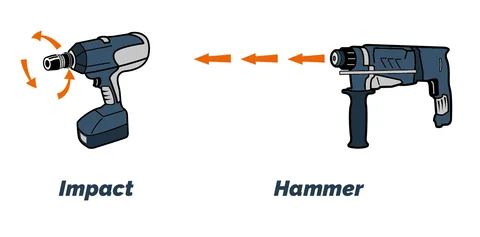
Hammer drills come in different styles. A corded hammer drill offers steady power and runs continuously. Cordless hammer drills give freedom to move and are easy to handle. Some models combine hammer and rotary functions. This allows drilling into wood, metal, and concrete without switching tools. Choose a drill that fits your job size and power needs.
Selecting Masonry Bits
Masonry bits are designed for tough materials like brick and concrete. They have a carbide tip that stays sharp longer. Choose bits with the right diameter for your hole size. Ensure the bit matches the drill chuck size. Using the right bit reduces wear and prevents breakage. Always pick a bit suited for hammer drilling, not regular drilling.
Credit: holemaker-technology.com
Preparing For Drilling
Preparing for drilling is a crucial step before using a hammer drill. It sets the stage for accurate and safe drilling. Taking time to prepare helps avoid mistakes and accidents.
Proper preparation includes wearing the right safety gear and marking the drilling spot clearly. It also means positioning yourself and the drill correctly for the best results. These steps improve control and precision.
Safety Gear Essentials
Wear safety goggles to protect your eyes from dust and debris. Use ear protection to guard against loud noise. Gloves protect your hands from vibration and sharp edges. A dust mask keeps you from inhaling harmful particles. Dress in sturdy clothes that cover your skin. Avoid loose clothing that can get caught in the drill.
Marking And Positioning
Use a pencil or marker to mark the exact drilling spot. Check the mark twice to ensure accuracy. Place the drill bit on the mark before starting. Hold the drill firmly with both hands. Stand in a stable position with feet shoulder-width apart. Keep the drill perpendicular to the surface for a straight hole. This helps the bit cut smoothly and prevents damage.
Setting Up The Drill
Setting up your hammer drill correctly is crucial for safe and efficient work. This step prepares the tool for the task ahead. It helps prevent damage to the drill and the material you will work on.
Proper setup also improves accuracy and control during drilling. Take your time to adjust the settings and secure the bit firmly. Let’s explore the key steps in this process.
Adjusting Speed And Hammer Mode
Most hammer drills have multiple speed settings. Choose a lower speed for harder materials like concrete. Higher speeds work well on wood or metal.
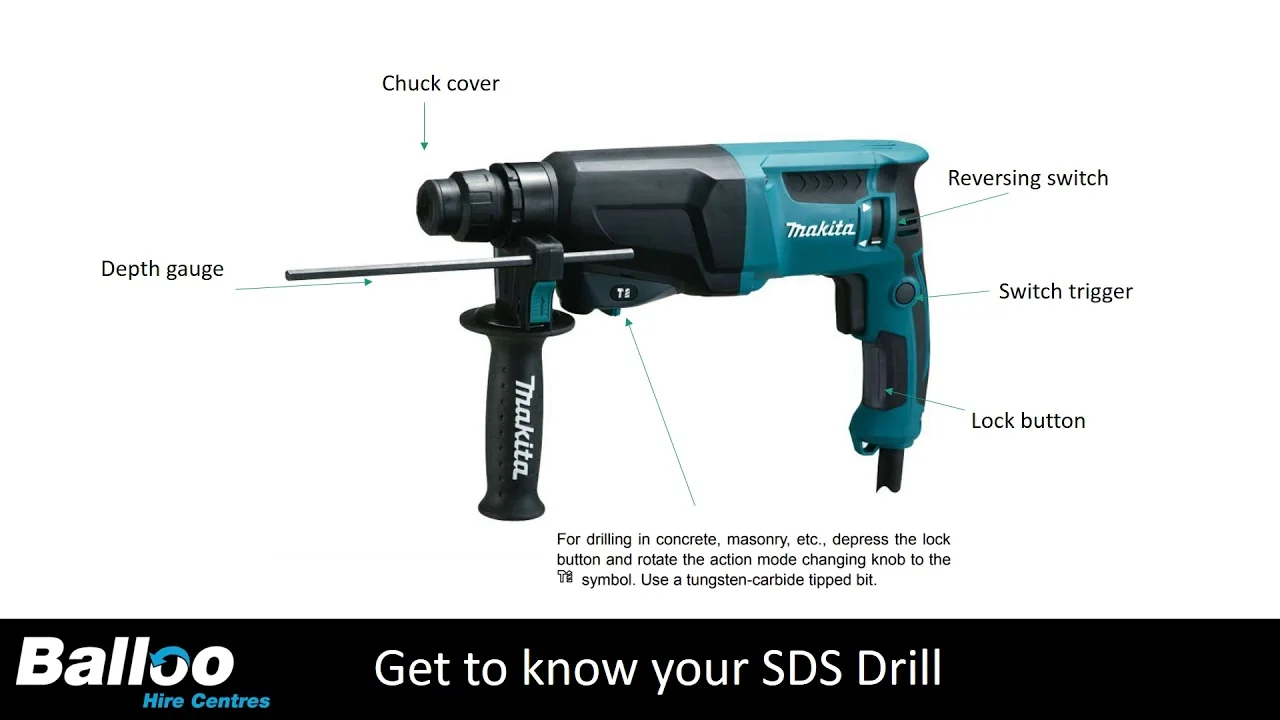
Switch on the hammer mode only when drilling masonry or concrete. This mode adds a pounding action to the drill. It helps break the material faster and makes drilling easier.
Turn off hammer mode when working on softer materials. This prevents unnecessary wear on the drill bit.
Securing The Bit
Insert the correct drill bit for your project. Use a bit designed for hammer drills to ensure durability.
Open the chuck by turning it counterclockwise. Insert the bit fully into the chuck.
Tighten the chuck by turning it clockwise until the bit is secure. Some drills have a key to tighten the chuck further. Use it if available.
Check the bit by giving it a gentle pull. It should not move or wobble. A loose bit can cause accidents or damage.
Credit: handyguyspodcast.com
Drilling Techniques
Drilling techniques are essential for effective use of a hammer drill. Proper methods ensure clean holes and protect your drill bits. Using the right approach saves time and effort.
Focus on how you start the hole, keep the right angle and pressure, and control the drill speed. Each step affects the final result and tool performance.
Starting The Hole
Place the drill bit tip on the exact spot. Hold the drill steady to avoid slipping. Start drilling at a slow speed to create a small guide mark. This helps keep the drill bit in place as you increase speed.
Do not push too hard at the start. Let the drill bit do the work. A steady start prevents damage to the surface and bit.
Maintaining Angle And Pressure
Keep the drill perpendicular to the surface. Check the angle often to avoid angled holes. Apply firm but gentle pressure. Pressing too hard can break the bit or overload the motor.
Use both hands for better control. Let the hammer drill’s power handle the tough material. Consistent pressure improves drilling speed and hole quality.
Managing Drill Speed
Adjust the speed based on material hardness. Use slower speeds for hard surfaces like concrete. Faster speeds work well on wood or softer materials. Avoid high speeds that cause overheating.
Pause occasionally to let the bit cool down. Overheating dulls the bit faster. Proper speed control extends the life of your drill bits and improves drilling accuracy.
Drilling Into Different Materials
Drilling into different materials requires specific techniques and the right drill settings. A hammer drill works well on various surfaces. Adjusting the mode and using the correct drill bit ensures better results. Here is how to drill into concrete, masonry, wood, and metal safely and effectively.
Concrete And Masonry
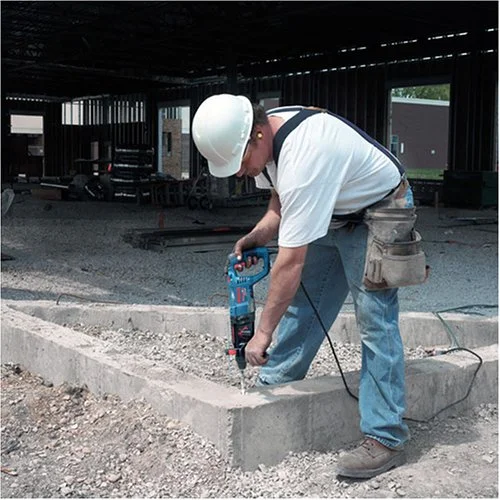
Use a hammer drill with a masonry bit for concrete or brick. Set the drill to hammer mode to combine rotation and impact. Hold the drill steady and apply firm pressure. Start drilling slowly to create a guide hole. Increase speed once the bit is stable. Avoid pushing too hard to prevent bit damage. Clear dust by pulling the bit out occasionally. Wear safety goggles and a dust mask for protection.
Wood And Metal
Switch the hammer drill to regular drill mode for wood and metal. Use a wood bit for wood and a metal bit for metal surfaces. Clamp the material firmly to avoid movement. Begin drilling at a low speed for better control. Increase speed as the bit penetrates the material. Cool the bit with oil when drilling metal to avoid overheating. Keep the drill straight to make clean, precise holes.
Troubleshooting Common Issues
Troubleshooting common issues helps keep your hammer drill working well. Problems can slow your work or damage the tool. Knowing how to fix these issues saves time and money. Below are solutions for frequent problems users face with hammer drills.
Bit Slipping And Overheating
Bit slipping happens when the drill chuck does not hold the bit tightly. Check if the chuck is properly tightened. Use the correct size and type of bit for your drill. Overheating occurs when the drill bit moves too fast or stays in one spot too long. Take breaks to let the drill cool down. Use water or cutting oil to reduce heat when drilling hard materials.
Drill Not Hammering
The hammer function may stop working due to mode settings or mechanical issues. Verify the drill is set to hammer mode, not just drill mode. Clean the drill’s mechanism to remove dust and debris. Inspect the internal parts for wear or damage. If the hammer action still fails, consider professional repair or replacement.
Dealing With Tough Surfaces
Hard surfaces like concrete can be difficult to drill. Use a carbide-tipped masonry bit designed for tough materials. Apply steady pressure but avoid forcing the drill, which can cause damage. Start with a small pilot hole to guide the larger bit. Keep the drill perpendicular to the surface for better control and efficiency.
Frequently Asked Questions
How Do I Use My Hammer Drill?
Hold the hammer drill firmly and select the hammer mode. Position the bit perpendicular to the surface. Start drilling slowly to create a guide hole, then increase speed to drill through hard materials like concrete or brick. Adjust clutch settings to avoid overtightening when driving screws.
How To Use A Hammer Drill To Drill A Hole In Concrete?
Hold the hammer drill perpendicular to concrete. Start at low speed to create a guide hole. Increase speed and drill to desired depth. Use a masonry bit and apply steady pressure without forcing the drill.
What Should Hammer Drills Be Used For?
Hammer drills are used to drill into hard materials like concrete, brick, and stone. They combine rotation with hammering action. They work best for installing anchors, running wiring through masonry, and mounting fixtures on tough surfaces. Use them when regular drills cannot penetrate dense materials.
How To Put A Drill Bit Into A Hammer Drill?
Open the chuck by turning it counterclockwise. Insert the drill bit fully into the chuck. Tighten the chuck clockwise by hand, then secure it with a chuck key if available. Ensure the bit is firmly fixed before use.
What Is A Hammer Drill Used For?
A hammer drill is used to drill holes in hard materials like concrete and brick.
How Do You Operate A Hammer Drill Safely?
Wear safety glasses, hold the drill firmly, and keep a steady pace while drilling.
Conclusion
Using a hammer drill becomes easier with practice and care. Always wear safety gear to protect yourself. Choose the right drill bit for the material. Keep the drill steady and let it do the work. Start slow to make a guide hole, then speed up.
Clean the drill bit often to avoid overheating. Regular maintenance helps your hammer drill last longer. Follow these simple steps for better results every time. Now, you can handle your projects with confidence and safety.
nn
Related Articles
- Hammer Drill Vs Impact Driver: Ultimate Guide to Choose Right Tool
- Electric Screwdriver Vs Drill: Ultimate Guide to Choose Right Tool
- How Does an Impact Driver Work: Ultimate Guide to Power and Precision
- What is a Rotary Hammer Used for: Ultimate Guide to Powerful Drilling
nnnn
