
Last Updated: March 21, 2026
Are your hedges looking unruly or uneven? Using a hedge trimmer is the quickest way to get them neat and tidy again.But if you’ve never handled one before, it can feel a bit tricky. Don’t worry—this guide will show you exactly how to use a hedge trimmer safely and effectively, step by step. By following these simple tips, you’ll turn your bushes into beautifully shaped greenery that enhances your outdoor space.Ready to gain confidence and master your hedge trimming skills? Let’s dive in and make your garden look its best!Choosing The Right Hedge Trimmer
Choosing the right hedge trimmer makes trimming easier and safer. Different models fit different needs. Knowing what to pick saves time and effort. Consider power source, blade type, and safety features. These factors affect how well the trimmer works and how comfortable it is to use.Electric Vs Gas Models
Electric hedge trimmers are lighter and quieter. They work well for small to medium hedges. Corded models need an outlet, limiting movement. Battery-powered trimmers offer more freedom but need charging. Gas models are stronger and better for large hedges. They allow longer use without recharging. Gas trimmers tend to be heavier and noisier. Choose electric for ease and gas for power.Blade Types And Sizes
Blade length affects trimming reach and control. Short blades (12-18 inches) work well for detailed shaping. Long blades (20-26 inches) cover big areas quickly. Double-sided blades cut both sides at once. Single-sided blades are lighter and easier to handle. Blade teeth spacing suits different branch sizes. Closer teeth cut thin branches; wider teeth handle thicker ones. Pick blades that match your hedge size and shape.Safety Features To Look For
Safety matters when using a hedge trimmer. Look for a blade guard to protect your hands. A two-handed switch prevents accidental starting. Some models have a safety lock to avoid unintentional use. Anti-vibration handles reduce hand fatigue. A sharp blade cuts cleanly and reduces effort. Choose a trimmer with safety features that fit your comfort and skill level.Preparing For Trimming
Preparing for trimming is the first step to a neat and safe hedge cut. Taking time to prepare helps avoid accidents and improves results. Proper preparation makes trimming easier and faster. Focus on the hedge, your surroundings, and your safety before you start.Inspecting The Hedge
Walk along the hedge and look closely at all sides. Check for broken branches or hidden obstacles like wires or garden decorations. Notice any thick or dead branches that may need special care. Understanding your hedge’s shape helps plan your cuts. This inspection prevents damage to the trimmer and the plants.Clearing The Work Area
Remove any objects around the hedge that could get in your way. Clear toys, stones, and garden tools from the ground near your work zone. Make sure pets and children stay away during trimming. A clean area reduces tripping risks and allows free movement. It also keeps the trimmings easier to collect after cutting.Wearing Protective Gear
Always wear safety glasses to protect your eyes from flying debris. Use gloves to shield your hands from cuts and scratches. Wear sturdy shoes with good grip to avoid slipping. Long sleeves and long pants help protect your skin from scratches. Proper gear is key to staying safe and comfortable while trimming.Basic Trimming Techniques
Basic trimming techniques help shape hedges evenly and keep them healthy. Using the right method makes your work easier and gives neat results. These simple steps guide you to trim like a pro without much effort. Follow these tips to keep your hedge tidy and well-formed.Starting From The Bottom
Begin trimming at the bottom of the hedge. Hold the trimmer firmly and cut gently upward. This helps avoid uneven cuts and damage. Moving from bottom to top lets loose branches fall away safely. Always keep the trimmer blade flat against the hedge.Trimming The Sides
Trim the sides by moving the trimmer in smooth, vertical strokes. Keep your hands steady to create straight edges. Avoid cutting too deep to protect the inside branches. Regularly step back to check the shape and balance of both sides. This keeps your hedge symmetrical and tidy.Shaping The Top
Shape the top by trimming horizontally with slow, steady movements. Aim for a slight slope from the center down to the edges. This slope helps water drain off the hedge easily. Use a string line for a straight guide if needed. Keep your trimmer level to avoid uneven cuts.Advanced Shaping Tips
Advanced shaping with a hedge trimmer elevates the look of your garden. It requires precision and good techniques to create clean, attractive hedges. The tips below help you shape like a pro. These methods improve both form and consistency.Using String Lines For Straight Cuts
String lines act as a guide for straight, even cuts. Stretch a string tight along the hedge where you want the cut. Keep the trimmer blade just above the string to avoid cutting it. This method ensures a level top or side. It helps maintain a neat, professional look across long hedges.Creating Symmetrical Shapes
Symmetry makes hedges appear balanced and pleasing. Start by trimming one side of the hedge. Use the first side as a reference for the other side. Stand back often to check both sides match in shape and size. Use your trimmer slowly to correct small differences. Symmetrical shapes suit formal gardens and add visual harmony.Maintaining Consistent Angles
Consistent angles improve hedge health and appearance. Hold the trimmer at a steady angle while cutting. Avoid changing angles mid-cut as this causes uneven shapes. Practice cutting at common angles like 45 or 90 degrees. This skill helps the hedge grow evenly and prevents patchy growth. Consistent angles give your hedge a sharp, clean profile.Maintaining Your Hedge Trimmer
Maintaining your hedge trimmer is key for its long life and safe use. Regular care keeps the blades sharp and the motor running smoothly. Simple steps can prevent damage and improve performance. Proper maintenance saves money by avoiding costly repairs or replacements.Cleaning The Blades
After each use, remove dirt and sap from the blades. Use a brush or cloth to wipe off debris. For stubborn residue, apply soapy water or a specialized cleaner. Dry the blades completely to prevent rust. Clean blades cut better and last longer.Lubricating Moving Parts
Lubricate the blades and joints regularly to reduce friction. Use light machine oil or spray lubricant designed for garden tools. Apply a thin layer along the blade edges and moving parts. Wipe off excess oil to avoid attracting dust. Proper lubrication keeps the trimmer running smoothly.Sharpening Techniques
Sharp blades cut cleaner and reduce strain on the motor. Use a flat file or sharpening stone to maintain the blade edges. Follow the blade’s original angle while sharpening. Work carefully, removing small amounts of metal at a time. Regular sharpening ensures efficient trimming and safer use.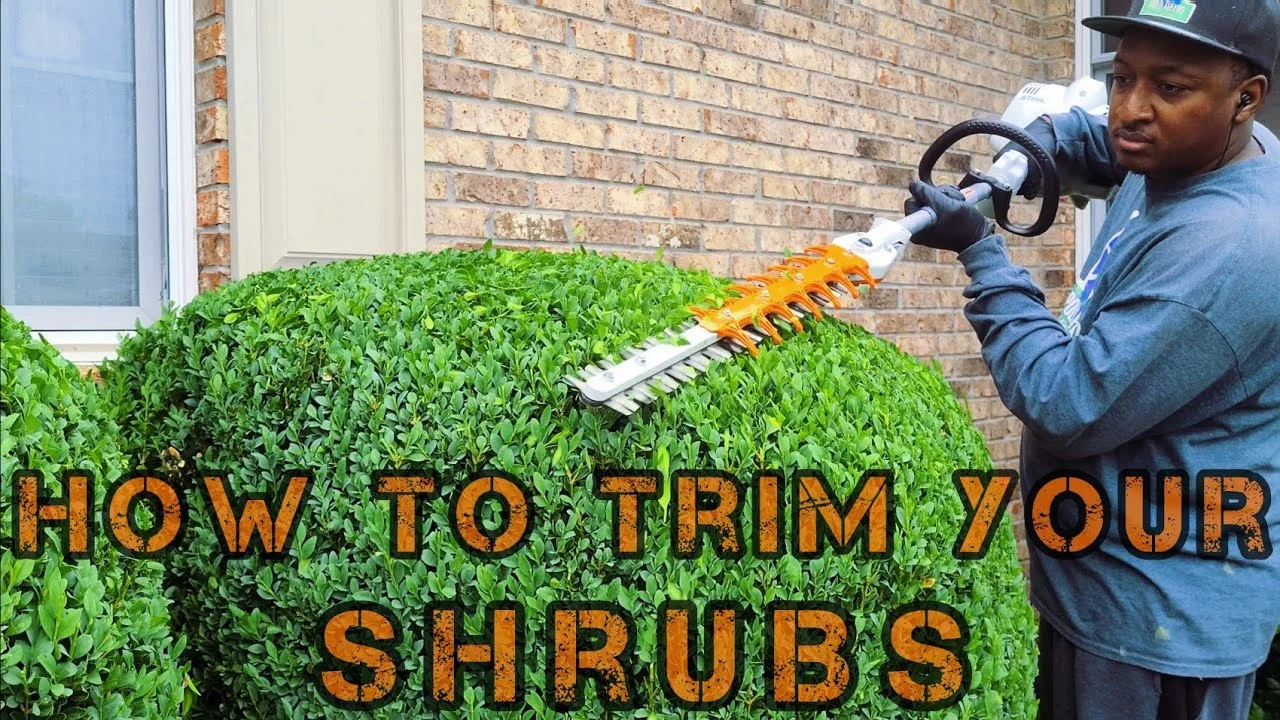 Credit: www.youtube.com
Safety And Troubleshooting
Using a hedge trimmer safely ensures a smooth, accident-free trimming experience. Knowing how to handle common problems keeps your tool working well. This section covers key safety tips and troubleshooting steps for hedge trimmers.Avoiding Common Injuries
Always wear protective gear, such as gloves and safety glasses. Keep your hands away from the blades at all times. Use both hands to hold the trimmer firmly. Avoid trimming wet or slippery plants to prevent slipping. Never operate the trimmer near electrical wires. Turn off the trimmer before cleaning or adjusting it. Clear the area of stones and debris to avoid flying objects. Maintain a stable stance to prevent falls while trimming.Handling Power Issues
Check the power source if the trimmer won’t start. For electric models, ensure the cord is plugged in and undamaged. For battery trimmers, charge the battery fully before use. Clean the air filter regularly to improve performance. Remove any plant material stuck in the blades. Inspect the spark plug on gas trimmers and replace it if dirty. Avoid overloading the trimmer by cutting thick branches slowly.When To Call A Professional
Seek help if the trimmer has unusual noises or vibrations. If the blades do not rotate or get stuck, professional service may be needed. Do not attempt to fix electrical issues beyond basic checks. Call an expert if fuel leaks occur in gas models. Regular professional maintenance can extend the life of your trimmer. Trust specialists to handle complex repairs safely and correctly.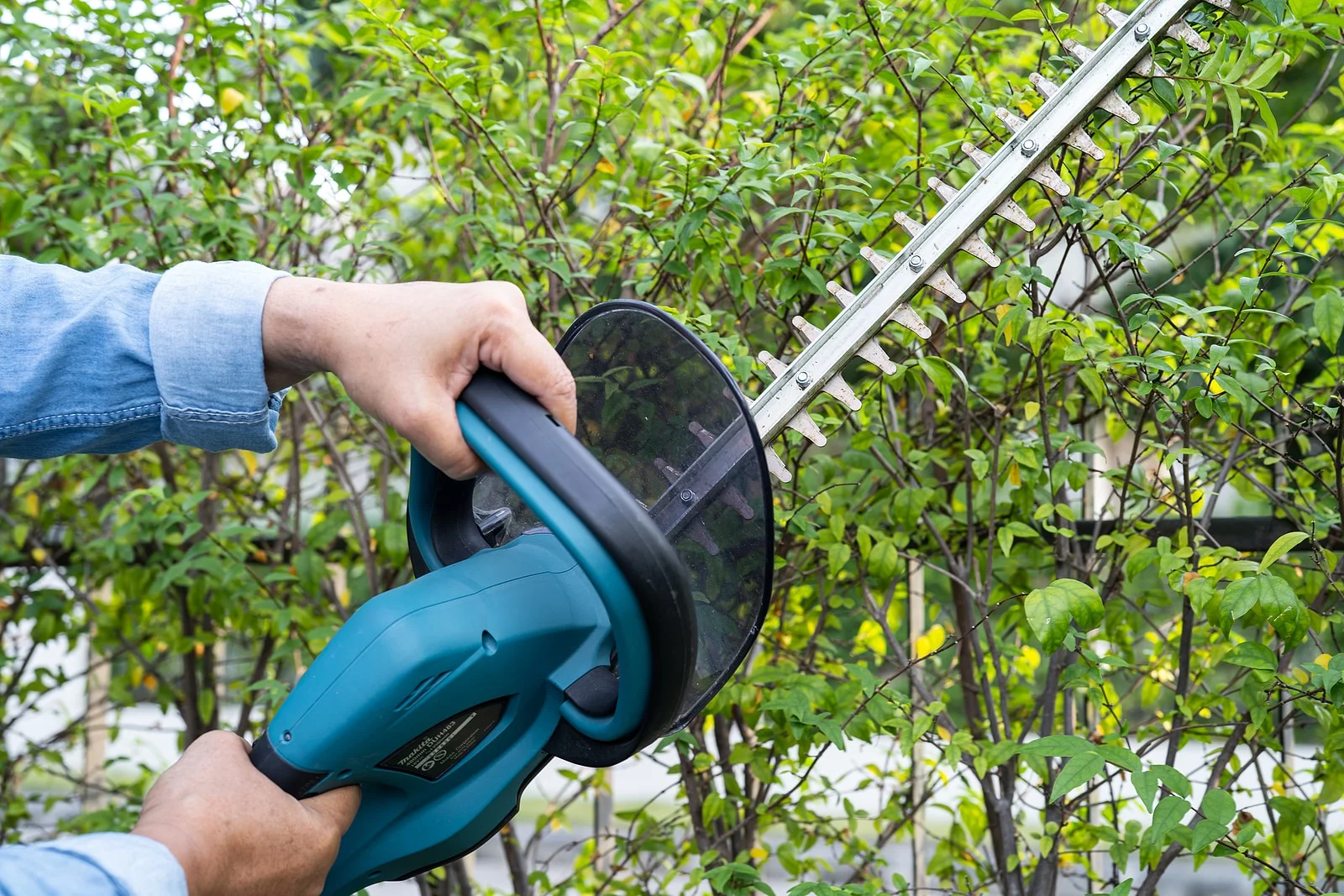 Credit: simsgardenmachinery.co.ukFrequently Asked Questions
How Do You Trim Hedges For Beginners?Start by assessing the hedge’s shape and growth. Use sharp shears or a trimmer, cut the sides first, then the top. Keep the base wider than the top for sunlight. Trim regularly for neatness. Clear clippings to maintain health and appearance.How To Properly Use A Hedge Trimmer?Hold the hedge trimmer firmly with both hands. Start trimming from the bottom, moving upward in smooth strokes. Keep blades parallel to the hedge for even cuts. Avoid forcing the tool through thick branches. Always wear safety gear and clear trimmings after use.What Is The Difference Between A Hedge Cutter And A Hedge Trimmer?A hedge trimmer is lightweight for shaping thin branches, while a hedge cutter is heavier, designed to cut thick, tough branches.What Month Do You Trim Hedges?Trim hedges during late spring to early summer for most types. Avoid trimming in late fall or winter to protect growth.What Safety Gear Should I Wear When Using A Hedge Trimmer?Wear safety glasses, gloves, long sleeves, and sturdy shoes to protect yourself from debris and cuts.How Do I Start Trimming A Hedge With A Hedge Trimmer?Begin trimming from the bottom, moving the trimmer upward in smooth, even strokes for best results.
Credit: simsgardenmachinery.co.ukFrequently Asked Questions
How Do You Trim Hedges For Beginners?Start by assessing the hedge’s shape and growth. Use sharp shears or a trimmer, cut the sides first, then the top. Keep the base wider than the top for sunlight. Trim regularly for neatness. Clear clippings to maintain health and appearance.How To Properly Use A Hedge Trimmer?Hold the hedge trimmer firmly with both hands. Start trimming from the bottom, moving upward in smooth strokes. Keep blades parallel to the hedge for even cuts. Avoid forcing the tool through thick branches. Always wear safety gear and clear trimmings after use.What Is The Difference Between A Hedge Cutter And A Hedge Trimmer?A hedge trimmer is lightweight for shaping thin branches, while a hedge cutter is heavier, designed to cut thick, tough branches.What Month Do You Trim Hedges?Trim hedges during late spring to early summer for most types. Avoid trimming in late fall or winter to protect growth.What Safety Gear Should I Wear When Using A Hedge Trimmer?Wear safety glasses, gloves, long sleeves, and sturdy shoes to protect yourself from debris and cuts.How Do I Start Trimming A Hedge With A Hedge Trimmer?Begin trimming from the bottom, moving the trimmer upward in smooth, even strokes for best results.Conclusion
Using a hedge trimmer makes garden care simple and fast. Always wear safety gear and check your tool before starting. Trim slowly and evenly for best results. Keep blades sharp to ensure clean cuts. Clean up clippings to keep your garden neat.With practice, your hedges will look well-kept and healthy. Regular trimming helps plants grow strong and beautiful. Enjoy the fresh look of your trimmed bushes. A little effort brings great garden charm.Related reading: Best Lubricant for Hedge Trimmer Blades.
nn