
Last Updated: March 20, 2026
If you’re ready to tackle your next woodworking project, mastering how to use a miter saw is a game-changer. This powerful tool lets you make precise angled cuts quickly and safely, giving your work a professional finish.
But if you’ve never used one before, it can feel intimidating. Don’t worry—you’re about to learn simple steps that will boost your confidence and help you avoid common mistakes. By the end of this guide, you’ll know exactly how to set up your miter saw, make clean cuts, and keep safety top of mind.
Ready to turn your ideas into reality? Let’s get started!
Miter Saw Basics
A miter saw is a powerful tool used to make precise cuts in wood and other materials. Knowing the basics helps you use it safely and effectively. This section covers the main types of miter saws and explains their key parts and functions. Understanding these basics makes your cutting tasks easier and more accurate.
Types Of Miter Saws
There are three common types of miter saws. The standard miter saw cuts at different angles left and right. It is perfect for simple angled cuts.
The compound miter saw can tilt the blade to cut angles on two planes. This is great for crown molding and complex trims.
The sliding compound miter saw adds a sliding feature. It allows cutting wider pieces of wood with ease. This type is very versatile for many projects.
Key Parts And Functions
The blade is the part that makes the cut. It spins fast to slice through wood or material.
The fence holds the wood steady and guides the cut. It helps keep the cut straight and accurate.
The miter gauge adjusts the angle of the cut. It lets you change the blade’s direction from left to right.
The bevel control tilts the blade for angled cuts on the wood’s thickness. It helps make compound cuts.
The trigger or switch turns the saw on and off. Press it to start the blade spinning and release it to stop.
Setting Angles And Cuts
Setting angles and cuts is a key step when using a miter saw. It controls how the blade moves and shapes the wood. Correct angle settings help make precise cuts for frames, moldings, and furniture. Understanding how to adjust these angles makes your work easier and more accurate.
Every cut starts with choosing the right angle. The miter saw offers two main adjustments: miter angles and bevel settings. These allow you to cut straight, angled, or beveled edges depending on your project needs.
Adjusting Miter Angles
The miter angle lets you tilt the saw left or right. Use it to make angled cuts across the wood’s width. Start by unlocking the miter handle. Turn it to the desired angle marked on the scale. Common angles include 45° for corners and 22.5° for half angles.
Always lock the handle after setting the angle. This keeps the blade steady during the cut. Check the angle with a protractor if you want extra accuracy. Practice on scrap wood to get comfortable with the settings.
Using Bevel Settings
The bevel setting tilts the blade forward or backward. This is useful for cutting sloped edges or crown moldings. To adjust, unlock the bevel knob or lever. Tilt the saw head to the needed angle shown on the bevel scale.
Most miter saws have bevel stops at common angles like 0°, 33.9°, or 45°. Lock the bevel after setting it. Use both miter and bevel angles together for compound cuts. These cuts combine tilt and turn for complex shapes.
Preparing For A Cut
Preparing for a cut with a miter saw is the first step to making clean, precise cuts. It involves careful measuring, marking, and securing the wood. These steps help ensure safety and accuracy.
Measuring And Marking Wood
Use a tape measure to find the exact length you need. Mark the wood clearly with a pencil. Draw a straight line where you want to cut. Double-check your measurements before moving on. Precise marking prevents mistakes and wasted material.
Securing The Workpiece
Place the wood firmly against the saw’s fence. Use clamps or hold the wood tightly by hand. Make sure the wood does not move during the cut. A stable workpiece leads to cleaner cuts and better safety. Never cut loose or unstable wood.

Credit: www.homedepot.com
Cutting Techniques
Cutting techniques are essential for using a miter saw safely and effectively. Understanding how to move the saw and position the wood improves your results. Proper cutting methods reduce mistakes and help you work faster. This section covers the push versus pull method and how to make straight and angled cuts with a miter saw.
Push Vs Pull Method
The push method means moving the blade forward into the wood. This keeps the wood pressed firmly against the fence. It prevents the wood from shifting during the cut. Pushing also avoids a dangerous climb cut, which can cause kickback.
The pull method involves pulling the blade back through the wood. This can make the wood move and cause less accurate cuts. Pulling is not recommended for most miter saws. Always push the blade into the wood for safer, cleaner cuts.
Making Straight And Angled Cuts
For straight cuts, align the wood against the fence. Set the saw blade to zero degrees. This ensures a square cut that fits well with other pieces.
To make angled cuts, adjust the miter angle on the saw. Use the saw’s angle guide to set the desired angle. Hold the wood tight against the fence and base. Slowly push the blade down and through the wood to make a clean angle cut.
Practice these cutting techniques to improve your skills. Accurate cuts lead to better woodworking projects and less waste.
Safety Tips
Safety is the top priority when using a miter saw. Understanding key safety tips reduces the risk of accidents. This section highlights essential safety measures every user must follow. Proper safety helps ensure a smooth and injury-free woodworking experience.
Protective Gear
Always wear safety glasses to protect your eyes from flying debris. Use hearing protection such as earplugs or earmuffs to guard your ears. Wear a dust mask to avoid inhaling sawdust. Choose sturdy gloves to protect your hands without losing grip. Avoid loose clothing or jewelry that could get caught in the saw.
Safe Handling Practices
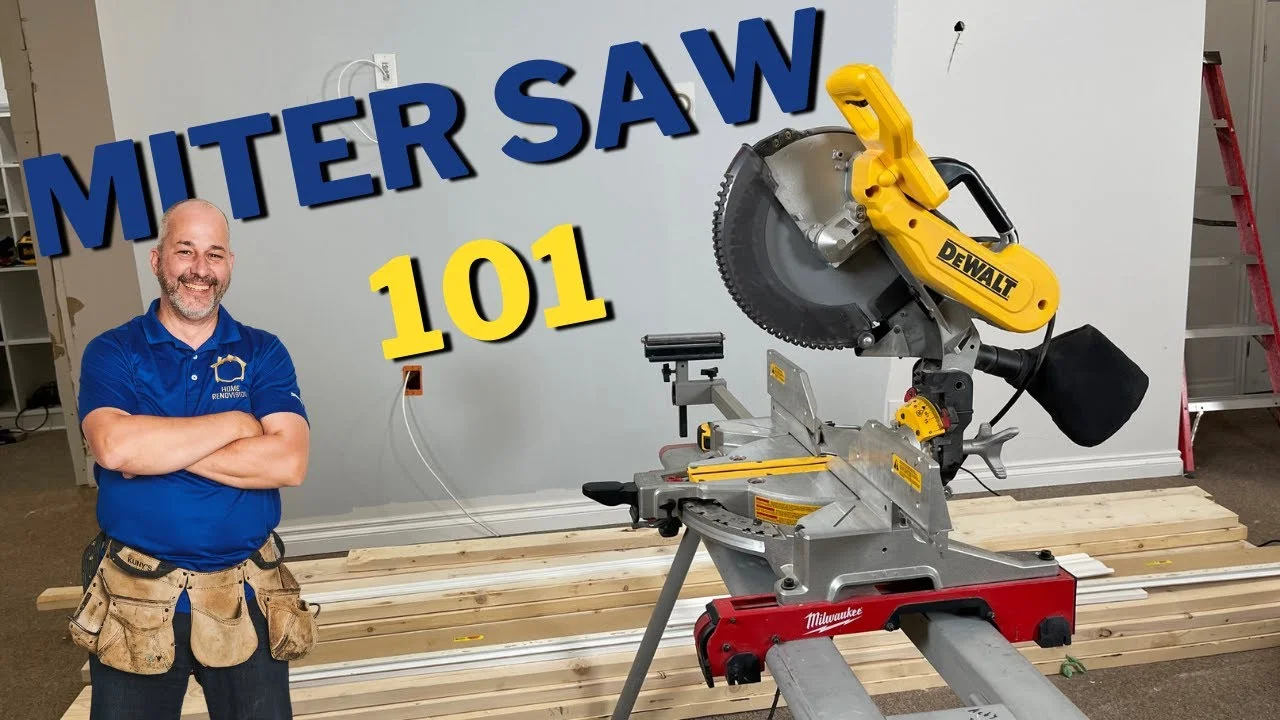
Keep both hands clear of the blade at all times. Secure the workpiece firmly against the fence before cutting. Use the saw’s handle to control the blade’s movement smoothly. Never reach around or behind the blade while it is running. Allow the blade to stop completely before removing any cut pieces. Always unplug the saw when changing the blade or making adjustments.
Credit: www.youtube.com
Maintenance And Troubleshooting
Keeping your miter saw in good condition helps it work well and last longer. Regular maintenance prevents problems during cutting jobs. Troubleshooting common issues saves time and avoids frustration.
Clean parts and check the saw often. Watch for signs of wear or damage. Fix small problems early to keep the saw safe and accurate.
Blade Care And Replacement
Keep the blade clean from resin and dust. Use a soft brush or cloth to wipe it after use. A sharp blade cuts better and safer.
Replace the blade if it becomes dull, chipped, or bent. Choose the right blade size and type for your saw. Always unplug the saw before changing the blade. Tighten the blade securely to avoid wobbling during cuts.
Common Issues And Fixes
The saw may not cut straight if the fence is loose. Tighten the screws to fix this. If the blade doesn’t spin smoothly, check for debris or worn bearings.
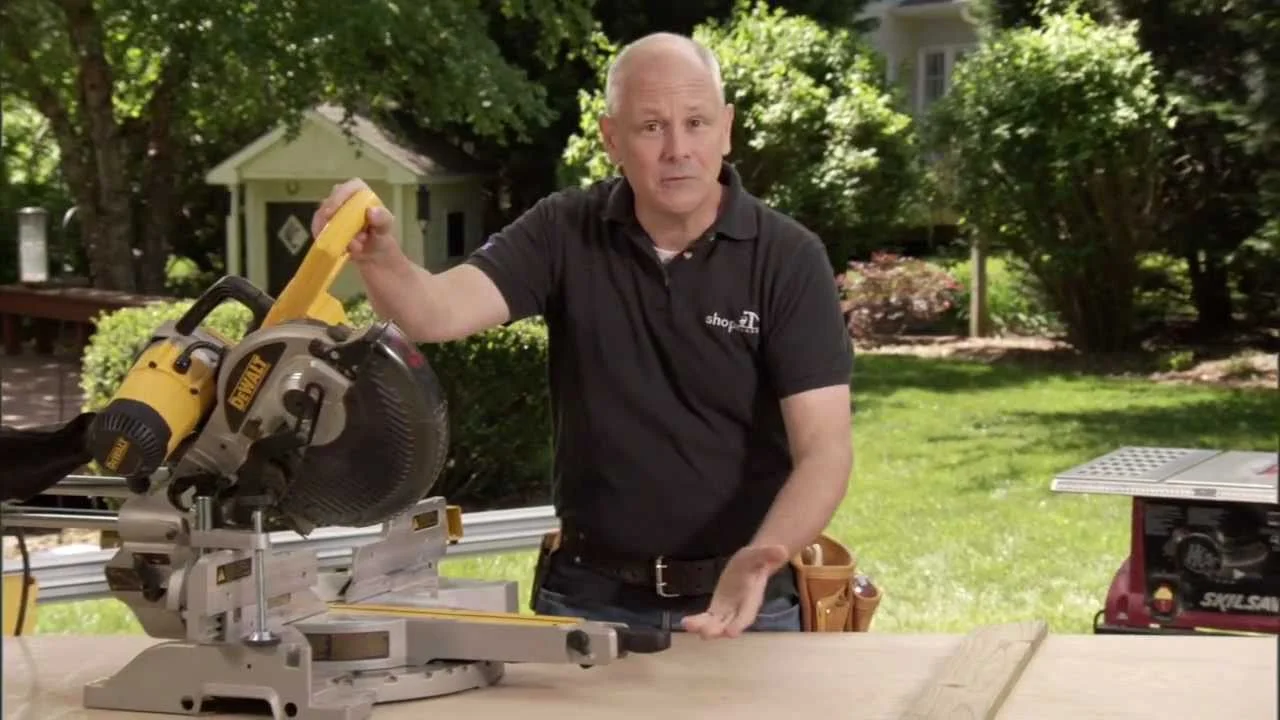
Sometimes, the saw motor overheats. Let it cool down before restarting. For strange noises, inspect the blade and motor parts. Replace damaged parts to prevent bigger problems.
Credit: www.youtube.com
Frequently Asked Questions
What Are Two Rules When Using A Miter Saw?
Always wear safety gear like goggles and keep your hands clear of the blade. Secure the workpiece firmly against the fence before cutting.
Do You Pull Or Push A Miter Saw?
Push the miter saw blade into the wood, pressing the workpiece firmly against the fence. Avoid pulling the blade through.
Can I Make Straight Cuts With A Miter Saw?
Yes, a miter saw makes precise straight cuts using its perpendicular fence and calibrated blade. It excels at square cuts.
What Should You Never Cut With A Miter Saw?
Never cut stock too small to hold safely or make free-hand cuts with a miter saw. Avoid metal, masonry, or wet wood.
What Is A Miter Saw Used For In Woodworking?
A miter saw cuts wood at precise angles for frames, molding, and trim work.
How Do You Make Accurate Cuts With A Miter Saw?
Align the wood firmly against the fence and use the angle guide.
Conclusion
Using a miter saw can make cutting wood easier and more precise. Always follow safety steps to protect yourself. Keep the blade sharp and check your measurements twice. Practice simple cuts before trying complex angles. With time, your confidence and skill will grow.
A miter saw is a helpful tool for many projects. Start small, stay safe, and enjoy building!
{ “@context”: “https://schema.org”, “@type”: “Article”, “headline”: “How to Use a Miter Saw: Ultimate Guide for Perfect Cuts”, “description”: “Learn how to use a miter saw to make precise angled cuts for woodworking and carpentry projects with this essential guide to its functions and techniques.”, “url”: “https://www.powertoolstoday.com/how-to-use-a-miter-saw/”, “datePublished”: “2025-11-17”, “dateModified”: “2026-03-18”, “author”: { “@type”: “Organization”, “name”: “Power Tools Today”, “url”: “https://www.powertoolstoday.com” }, “publisher”: { “@type”: “Organization”, “name”: “Power Tools Today”, “url”: “https://www.powertoolstoday.com” }, “mainEntityOfPage”: { “@type”: “WebPage”, “@id”: “https://www.powertoolstoday.com/how-to-use-a-miter-saw/” }, “image”: { “@type”: “ImageObject”, “url”: “https://www.powertoolstoday.com/wp-content/uploads/2025/11/How-to-Use-a-Miter-Saw-1024×576.webp” } }{ “@context”: “https://schema.org”, “@type”: “Article”, “headline”: “How to Use a Miter Saw: Ultimate Guide for Perfect Cuts”, “description”: “Learn how to use a miter saw to make precise angled cuts for woodworking and carpentry projects with this essential guide to its functions and techniques.”, “url”: “https://www.powertoolstoday.com/how-to-use-a-miter-saw/”, “datePublished”: “2025-11-17”, “dateModified”: “2026-03-19”, “author”: { “@type”: “Organization”, “name”: “Power Tools Today”, “url”: “https://www.powertoolstoday.com” }, “publisher”: { “@type”: “Organization”, “name”: “Power Tools Today”, “url”: “https://www.powertoolstoday.com” }, “mainEntityOfPage”: { “@type”: “WebPage”, “@id”: “https://www.powertoolstoday.com/how-to-use-a-miter-saw/” }, “image”: { “@type”: “ImageObject”, “url”: “https://www.powertoolstoday.com/wp-content/uploads/2025/11/How-to-Use-a-Miter-Saw-1024×576.webp” } }nnnn