
Last Updated: March 21, 2026
If you’ve ever struggled with stubborn pipes that just won’t budge, a pipe wrench can be your best friend. But only if you know how to use it right.
This tool is designed to grip round objects tightly, giving you the leverage you need to loosen or tighten pipes without slipping or damaging them. In this guide, you’ll learn the simple yet essential steps to handle a pipe wrench like a pro.
Whether you’re fixing a leak under the sink or working on a bigger plumbing project, mastering this tool will save you time, effort, and frustration. Ready to get a grip? Let’s dive in.
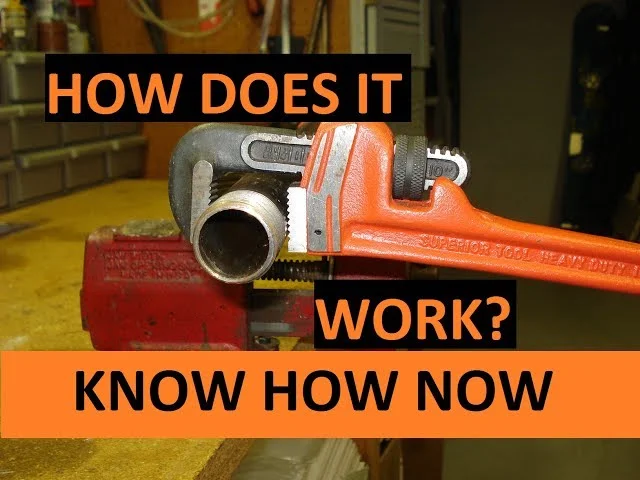
Credit: www.youtube.com
Pipe Wrench Basics
A pipe wrench is a vital tool for gripping and turning pipes. Understanding its basics helps ensure safe and effective use. This section covers the essential information about pipe wrenches. You will learn about different types and the key parts that make them work.
Types Of Pipe Wrenches
Several types of pipe wrenches exist to fit various jobs. The most common is the straight pipe wrench. It has a long handle and two jaws for gripping pipes. Another type is the end pipe wrench, which is smaller. It works well in tight spaces. The chain pipe wrench uses a chain to hold pipes. It suits irregular shapes and large pipes. Each type serves specific needs in plumbing and repair tasks.
Key Components
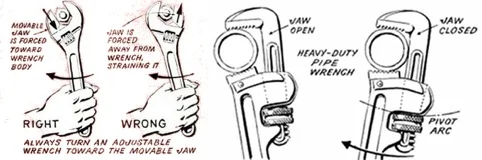
A pipe wrench has several important parts. The handle provides leverage to turn pipes. The jaws grip the pipe firmly. One jaw is fixed, and the other is adjustable. The adjustable jaw moves to fit different pipe sizes. Teeth on the jaws help hold the pipe tightly. The nut or knurled knob adjusts the jaw width. These components work together for a strong, secure grip.
Credit: www.youtube.com
Choosing The Right Size
Choosing the right size pipe wrench is key for effective work. A wrench that fits well grips firmly and turns smoothly. The wrong size can slip or damage the pipe. This section helps you pick the correct wrench size for your task.
Matching Wrench To Pipe Diameter
Pick a wrench size that matches the pipe diameter. The wrench jaw should open wide enough to fit the pipe. It must also close tightly around it. For small pipes, use a wrench from 6 to 10 inches. Larger pipes need bigger wrenches, up to 24 inches or more.
The wrench size often refers to its total length. Longer wrenches give more leverage on bigger pipes. Shorter ones work better in tight spaces. Check the pipe’s diameter before choosing your wrench. This match keeps your grip strong and safe.
Handling Different Pipe Materials
Pipe materials affect which wrench size to use. Metal pipes like steel or iron need a sturdy wrench size. Plastic pipes require a gentler grip to avoid cracks. Adjust the wrench jaw to hold the pipe firmly but not too tight.
Soft materials need care. Use a smaller wrench or padding to protect them. Hard materials allow a tighter grip with a bigger wrench. Choose the wrench size that fits the material’s strength and shape. This prevents damage and ensures good control.
Adjusting The Wrench
Adjusting the pipe wrench correctly is essential for effective use. The wrench must fit the pipe firmly to avoid slipping. Proper adjustment ensures safety and efficiency during your work. Follow these steps carefully to adjust your pipe wrench for the best grip.
Setting The Jaw Gap
Turn the knurled nut to open or close the jaws. Set the gap so the pipe fits snugly inside. The jaws should not be too loose or too tight. A proper gap allows the wrench to grip without damaging the pipe.
Place the wrench on the pipe and adjust until the jaws touch the pipe surface lightly. Leave a small space for the hook jaw to move when pressure is applied. This space helps the wrench bite into the pipe securely.
Ensuring Proper Grip
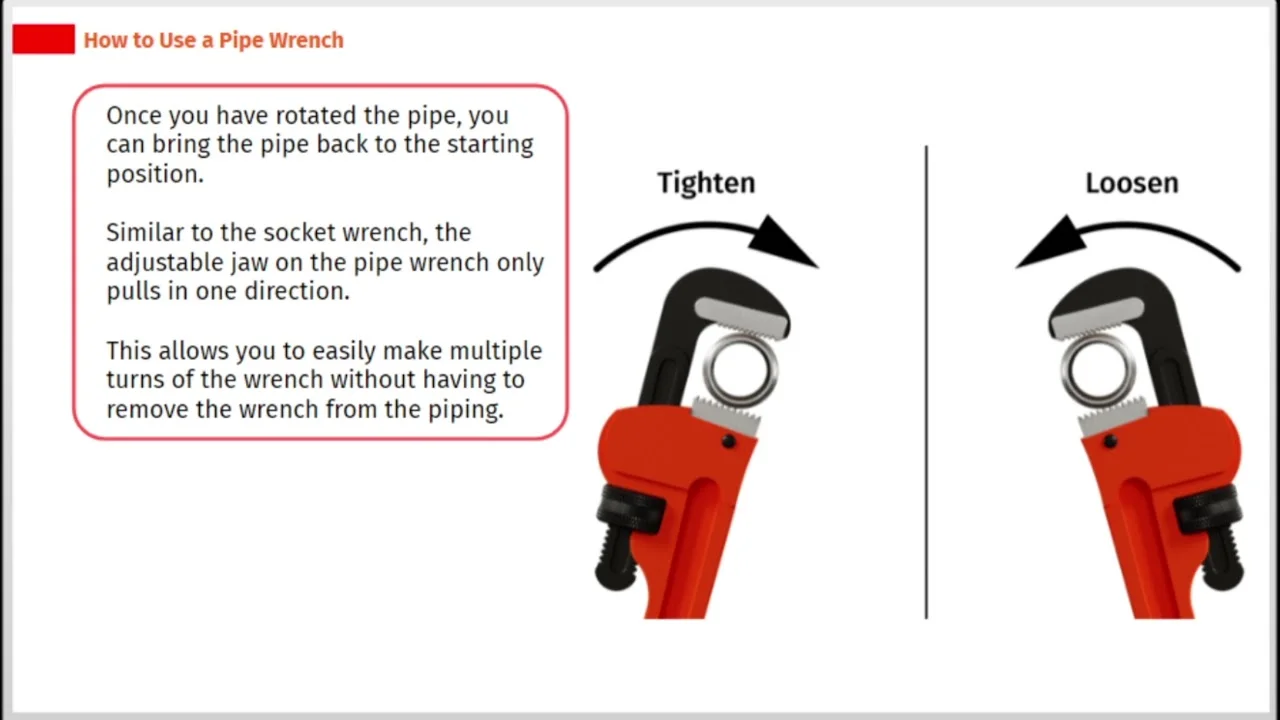
Position the wrench so the hook jaw faces the direction of turning. The wrench works by tightening when you pull or push it in that direction. Check that the wrench does not slip before applying full force.
Hold the handle firmly and apply steady pressure. The teeth on the jaws will bite into the pipe for a strong grip. Re-adjust the jaw gap if the wrench slips or feels loose. Proper grip prevents damage to both the pipe and wrench.
Correct Grip And Position
Using a pipe wrench correctly starts with a good grip and proper position. Holding the wrench right helps avoid slips and damage. It also makes turning pipes easier and safer. Follow these tips to get the best hold and angle for your pipe wrench.
Jaw Orientation
The jaw must face the direction you want to turn the pipe. The fixed jaw stays on top, and the adjustable jaw grips below. This setup lets the wrench bite into the pipe as you apply force. Always check that the teeth are clean and sharp for a strong hold.
Maintaining Leverage
Place your hand near the wrench’s end for the best leverage. Pull the wrench handle toward you rather than push it away. This method gives better control and uses your strength well. Keep the wrench tight on the pipe to avoid slipping and damage.
Turning Techniques
Turning techniques are key to using a pipe wrench properly. They help you grip and move pipes without slipping or damage. Understanding how to turn the wrench makes your work safer and easier.
Pushing Vs Pulling
With a pipe wrench, pushing is often safer than pulling. Push the handle away from you to turn the pipe. This gives better control and reduces injury risk. Pulling can cause the wrench to slip or lose grip. Always apply steady pressure when pushing. This keeps the wrench teeth biting firmly into the pipe.
Direction For Tightening And Loosening
Turn the wrench clockwise to tighten pipes. Turn it counterclockwise to loosen them. The wrench’s jaw locks in one direction only. This means it grips firmly when turning one way and slips slightly the other way. Place the wrench so the jaw faces the direction you want to turn. This ensures a strong hold on the pipe. Check the pipe’s thread direction if unsure which way to turn.
Credit: www.apexinds.com
Avoiding Common Mistakes
Using a pipe wrench correctly is key to getting the job done without trouble. Many users make simple mistakes that cause damage or reduce tool effectiveness. Avoiding these errors saves time and prevents frustration. Focus on how to handle the wrench and the pipe carefully. Small steps can make a big difference in your work.
Preventing Pipe Damage
Always adjust the wrench to fit the pipe snugly. A loose grip can slip and scratch or dent the pipe. Avoid using excessive force; it may crush thin pipes. Use the right size wrench for the pipe diameter. Protect pipe surfaces by placing a cloth between the wrench and pipe for delicate materials. Check the pipe condition before working; rusty or thin pipes need extra care. Keep the wrench teeth clean and sharp for a firm hold without slipping.
Minimizing Slippage
Position the wrench so the jaws face the direction you want to turn. This allows the teeth to bite into the pipe properly. Pull the wrench handle toward you rather than pushing it away. Pulling increases grip and control, reducing slippage. Do not over-tighten the wrench; this can cause it to lose grip. Keep the wrench handle at a right angle to the pipe for better force application. Regularly inspect the wrench for worn teeth and replace the tool if needed.
Using Two Wrenches Together
Using two pipe wrenches together is a common technique to handle stubborn pipes. This method helps apply force efficiently and prevents damage. It also gives better control when working with pipes that are hard to turn. Knowing how to use two wrenches together can make your plumbing tasks easier and safer.
Counteracting Force
One wrench applies force to turn the pipe. The second wrench holds the pipe steady. This stops the pipe from twisting or bending. By counteracting the force, you protect your plumbing from damage. Make sure both wrenches are tight and properly placed.
Securing Pipes
Place the first wrench on the pipe joint you want to turn. Position the second wrench on a nearby pipe to hold it firmly. This keeps the pipe from moving while you work. Secure pipes prevent leaks and breakage. Always check the grip before turning the wrench.
Maintenance And Safety Tips
Proper maintenance and safety are vital for using a pipe wrench effectively. Keeping the tool clean and well-lubricated ensures smooth operation. Observing safe handling practices protects both the user and the workpiece. This section covers simple tips to maintain your pipe wrench and use it safely.
Cleaning And Lubrication
Remove dirt and grease from the wrench after each use. Use a wire brush to clean the teeth on the jaws. Wipe the entire wrench with a dry cloth. Apply light machine oil to the moving parts. This prevents rust and keeps the wrench working smoothly. Regular cleaning extends the life of your pipe wrench.
Safe Handling Practices
Always wear gloves to protect your hands from sharp edges. Check the wrench for damage before use. Do not use a wrench with worn or broken teeth. Position the wrench so the jaws grip firmly on the pipe. Pull the wrench toward you instead of pushing. This gives better control and reduces slipping. Store the wrench in a dry place to avoid rust. Follow these steps to work safely and avoid injury.
Frequently Asked Questions
What Is The Correct Way To Use A Pipe Wrench?
Place the pipe wrench jaw facing the direction to turn. Adjust the wrench snugly, leaving a small gap behind the hook jaw. Pull the handle to tighten grip and turn the pipe. Use steady pressure, avoiding twisting the pipe. Always maintain control for safety and efficiency.
Should You Push Or Pull A Pipe Wrench?
Push a pipe wrench to tighten and pull it to loosen pipes. Always apply force in the wrench’s gripping direction for a secure hold.
How To Get A Pipe Wrench To Bite?
Adjust the pipe wrench jaw to fit snugly around the pipe. Apply firm pressure and pull the handle toward you to make it bite securely.
Which Way To Turn A Pipe Wrench To Loosen?
Turn the pipe wrench counterclockwise (left) to loosen a pipe. Always apply force in the direction that opens the jaws.
What Is The Correct Way To Hold A Pipe Wrench?
Hold the wrench firmly with the jaw facing the pipe direction you want to turn.
Conclusion
Using a pipe wrench correctly makes plumbing tasks easier and safer. Always position the wrench jaw to grip the pipe firmly. Turn the wrench in the right direction to avoid damage. Keep the tool clean and well-maintained for best results.
Practice these simple steps to handle pipes with confidence. This basic knowledge helps you fix leaks and tighten joints quickly. Remember, patience and care prevent accidents and save time. Now, you can tackle pipe work without stress or confusion.
Related reading: How to Unclog a Toilet Without a Plunger.
Related reading: How to Remove a Cylinder From an Office Chair Without a Pipe Wrench.
{ “@context”: “https://schema.org”, “@type”: “Article”, “headline”: “How to Use a Pipe Wrench: Essential Tips for Easy Plumbing Tasks”, “description”: “Learn how to use a pipe wrench to grip and turn pipes securely, ensuring proper leverage and preventing damage during plumbing and mechanical tasks.”, “url”: “https://www.powertoolstoday.com/how-to-use-a-pipe-wrench/”, “datePublished”: “2025-12-08”, “dateModified”: “2026-03-18”, “author”: { “@type”: “Organization”, “name”: “Power Tools Today”, “url”: “https://www.powertoolstoday.com” }, “publisher”: { “@type”: “Organization”, “name”: “Power Tools Today”, “url”: “https://www.powertoolstoday.com” }, “mainEntityOfPage”: { “@type”: “WebPage”, “@id”: “https://www.powertoolstoday.com/how-to-use-a-pipe-wrench/” }, “image”: { “@type”: “ImageObject”, “url”: “https://www.powertoolstoday.com/wp-content/uploads/2025/11/how-to-use-a-pipe-wrench.jpg” } }{ “@context”: “https://schema.org”, “@type”: “Article”, “headline”: “How to Use a Pipe Wrench: Essential Tips for Easy Plumbing Tasks”, “description”: “Learn how to use a pipe wrench to grip and turn pipes securely, ensuring proper leverage and preventing damage during plumbing and mechanical tasks.”, “url”: “https://www.powertoolstoday.com/how-to-use-a-pipe-wrench/”, “datePublished”: “2025-12-08”, “dateModified”: “2026-03-19”, “author”: { “@type”: “Organization”, “name”: “Power Tools Today”, “url”: “https://www.powertoolstoday.com” }, “publisher”: { “@type”: “Organization”, “name”: “Power Tools Today”, “url”: “https://www.powertoolstoday.com” }, “mainEntityOfPage”: { “@type”: “WebPage”, “@id”: “https://www.powertoolstoday.com/how-to-use-a-pipe-wrench/” }, “image”: { “@type”: “ImageObject”, “url”: “https://www.powertoolstoday.com/wp-content/uploads/2025/11/how-to-use-a-pipe-wrench.jpg” } }nnnn