
Last Updated: March 20, 2026
Are you ready to tackle tough cutting jobs with ease? A reciprocating saw is one of the most versatile tools you can have, whether you’re renovating, doing demolition, or handling quick fixes around your home.
But if you’re new to this powerful tool, it can feel tricky to use without the right know-how. Don’t worry—you’re about to discover simple, step-by-step tips that will help you use your reciprocating saw safely and effectively. By the end of this guide, you’ll have the confidence to cut through wood, metal, and more like a pro.
Keep reading to unlock the full potential of your reciprocating saw and make your next project smoother and faster.
Credit: www.protoolreviews.com
Blade Selection
Choosing the right blade for your reciprocating saw is essential for efficient and safe cutting. The blade affects how smoothly and quickly you can cut through different materials. Using the wrong blade can cause poor results or damage the tool. Focus on selecting blades that match your project needs.
Matching Blade To Material
Each blade is made for a specific material. Wood blades have large, sharp teeth. Metal blades have small, fine teeth. For cutting plastics or drywall, use blades designed for those materials. Picking the correct blade ensures cleaner cuts and longer blade life.
Choosing The Right Blade Length
Blade length should match the thickness of the material. Longer blades cut deeper but may be harder to control. Shorter blades give more precision for thin materials. Always use a blade long enough to cut through the entire workpiece safely.
Secure Blade Installation
Install the blade firmly before starting. Disconnect the saw from power first. Insert the blade into the clamp or holder. Tighten it securely to prevent slipping. A loose blade can cause accidents and poor cutting performance.
Preparing The Work Area
Preparing the work area is an important first step before using a reciprocating saw. A clean, organized space helps you work safely and efficiently. It also reduces the risk of accidents and allows better control over the saw. Take time to arrange your tools and materials neatly. Remove any objects that could get in the way of your cutting. Make sure there is enough light to see your work clearly.
Securing The Workpiece
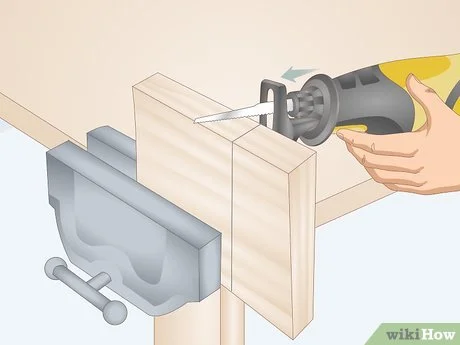
Always secure the material you want to cut. Use clamps or a vise to hold the workpiece firmly. This prevents it from moving or slipping during cutting. A stable workpiece gives better control and cleaner cuts. Avoid holding the material with your hands. This keeps your hands safe and away from the blade.
Wearing Safety Gear
Wear the right safety gear before starting the saw. Safety glasses protect your eyes from flying debris. Use gloves to shield your hands from sharp edges. Hearing protection helps reduce noise from the saw. A dust mask can protect your lungs when cutting dusty materials. Safety gear is key to preventing injuries.
Adjusting Saw Speed
Check your saw’s speed settings before cutting. Different materials require different speeds. Use a slower speed for metals and harder materials. Faster speeds work well for wood and soft materials. Adjust the speed to match the blade and workpiece. Proper speed control improves cutting accuracy and blade life.
Starting The Cut
Starting the cut with a reciprocating saw sets the tone for a smooth and safe operation. Proper technique helps control the tool and prevents damage to the material. Focus on preparing the saw and your stance before engaging the blade with the workpiece.
Follow these steps carefully to begin your cut efficiently and confidently.
Reaching Full Blade Speed
Turn on the saw and allow the blade to reach full speed before contact. Starting the cut too early can cause the blade to bind or jump. Hold the trigger steadily to maintain maximum speed. This ensures a clean and controlled cut from the start.
Positioning The Saw Shoe
Place the saw shoe firmly against the material before you start cutting. The shoe acts as a guide and stabilizes the saw. It helps control the depth and angle of the cut. Keep it flat and steady to reduce vibration and improve accuracy.
Two-handed Grip
Use both hands to hold the saw firmly. One hand should grip the main handle, and the other should support the front of the saw near the shoe. This grip improves balance and control. It also helps absorb kickback and keeps the saw steady during the cut.
Credit: www.wikihow.com
Cutting Techniques
Cutting techniques are vital for safe and efficient use of a reciprocating saw. Proper methods improve control and extend blade life. These techniques reduce mistakes and prevent accidents.
Focus on applying steady pressure, avoiding blade binding, and letting the tool work. Each step helps create clean cuts and protects the user and tool.
Applying Steady Pressure
Hold the saw firmly with both hands. Press the blade gently into the material. Avoid pushing too hard or forcing the saw. Steady pressure lets the blade cut smoothly. This reduces wear and prevents motor strain.
Avoiding Blade Binding
Blade binding happens when the blade gets stuck in the cut. To avoid this, keep the saw aligned with the cut line. Do not twist or bend the blade. Keep the shoe pressed against the material. If the blade binds, stop and clear debris before continuing.
Letting The Tool Work
Start the saw and let it reach full speed before cutting. Do not rush or force the blade through material. Let the saw’s motion do the cutting. This protects the blade and motor. Take breaks if the saw feels hot or stressed.
Special Cuts
Special cuts with a reciprocating saw require extra care and skill. These cuts go beyond straight lines and help you handle unique shapes and positions. Learning how to perform special cuts expands your cutting options and lets you work on complex projects.
Performing Plunge Cuts
Plunge cuts start inside the material, not at the edge. Mark the spot clearly before you begin. Use a sharp blade designed for plunge cutting. Hold the saw firmly and align the shoe on the surface. Turn the saw on and slowly push the blade into the material. Keep the shoe flat to avoid jumping. Move the saw steadily through the cut. Stop if the blade binds or the saw feels unstable.
Handling Curved Cuts
Curved cuts need careful control and a flexible blade. Choose a narrow blade that bends easily. Draw your curve clearly on the material. Begin cutting slowly along the line. Guide the saw gently, letting the blade follow the curve. Avoid forcing the saw; let the blade turn naturally. Take breaks if the blade heats up. Finish the cut smoothly by reducing speed near the end.
Credit: www.youtube.com
Safety Tips
Using a reciprocating saw can speed up many cutting tasks. Safety must be your top priority. This tool is powerful and can cause injury without care. Follow these safety tips to protect yourself and work better.
Watching The Power Cord
Keep the power cord clear of the cutting area. The cord can easily get caught in the blade. This can cause damage or a dangerous kickback. Always check the cord position before you start cutting. Move the cord away as you work to avoid accidents.
Using Protective Equipment
Wear safety glasses to protect your eyes from flying debris. Gloves help protect your hands from sharp edges and vibration. Use hearing protection to guard against loud noise. Wear a dust mask if cutting materials that create dust. Proper gear reduces injury risks and keeps you comfortable.
Preventing Kickback
Hold the saw firmly with both hands. Keep a steady grip to control the tool better. Avoid forcing the saw through the material. Let the blade do the cutting at its own speed. Make sure the shoe is against the workpiece to reduce movement. Kickback happens when the blade binds or stops suddenly. Staying alert and controlled helps prevent this.
Frequently Asked Questions
How To Properly Use A Reciprocating Saw?
Choose the correct blade and secure it tightly. Hold the saw with both hands, keeping the shoe against the workpiece. Start the saw, let it reach full speed, then cut with steady, firm pressure. Always wear safety goggles, gloves, and hearing protection.
What Should You Not Do With A Reciprocating Saw?
Avoid forcing the saw, cutting without proper blades, or using it on live electrical wires. Never neglect safety gear or let the blade overheat. Do not cut unstable materials or hold the saw with one hand only. Avoid removing safety guards or ignoring manufacturer instructions.
What Is A Reciprocating Saw Used For?
A reciprocating saw cuts through wood, metal, and plastic in demolition, remodeling, and construction tasks. It handles awkward angles and tight spaces efficiently.
Can You Make Straight Cuts With A Reciprocating Saw?
Yes, you can make straight cuts with a reciprocating saw by using a proper blade and steady, controlled motion. Keep the saw’s shoe firmly against the material and guide the blade carefully for accurate straight cuts.
What Safety Gear Is Essential When Using A Reciprocating Saw?
Wear safety glasses, gloves, and hearing protection to protect your eyes, hands, and ears.
How Do I Choose The Right Blade For My Saw?
Select a blade that matches the material type, like wood or metal, and blade length for thickness.
Conclusion
Using a reciprocating saw can make many cutting tasks easier and faster. Always choose the right blade for the material you cut. Hold the saw firmly and keep the shoe against your workpiece. Let the saw reach full speed before applying pressure.
Wear safety gear to protect your eyes, hands, and ears. Practice steady, controlled movements for the best results. With care and attention, this tool becomes a helpful part of your toolkit. Safety and patience lead to smooth, accurate cuts every time.
{ “@context”: “https://schema.org”, “@type”: “Article”, “headline”: “How to Use a Reciprocating Saw: Expert Tips for Perfect Cuts”, “description”: “Learn how to use a reciprocating saw safely and effectively with our expert tips. From blade selection and speed settings to cutting techniques for wood,…”, “url”: “https://www.powertoolstoday.com/how-to-use-a-reciprocating-saw/”, “datePublished”: “2025-11-16”, “dateModified”: “2026-03-19”, “author”: { “@type”: “Organization”, “name”: “Power Tools Today”, “url”: “https://www.powertoolstoday.com” }, “publisher”: { “@type”: “Organization”, “name”: “Power Tools Today”, “url”: “https://www.powertoolstoday.com” }, “mainEntityOfPage”: { “@type”: “WebPage”, “@id”: “https://www.powertoolstoday.com/how-to-use-a-reciprocating-saw/” }, “image”: { “@type”: “ImageObject”, “url”: “https://www.powertoolstoday.com/wp-content/uploads/2025/11/How-to-Use-a-Reciprocating-Saw-1024×576.webp” } }{ “@context”: “https://schema.org”, “@type”: “Article”, “headline”: “How to Use a Reciprocating Saw: Expert Tips for Perfect Cuts”, “description”: “Learn how to use a reciprocating saw safely and effectively with our expert tips. From blade selection and speed settings to cutting techniques for wood,…”, “url”: “https://www.powertoolstoday.com/how-to-use-a-reciprocating-saw/”, “datePublished”: “2025-11-16”, “dateModified”: “2026-03-19”, “author”: { “@type”: “Organization”, “name”: “Power Tools Today”, “url”: “https://www.powertoolstoday.com” }, “publisher”: { “@type”: “Organization”, “name”: “Power Tools Today”, “url”: “https://www.powertoolstoday.com” }, “mainEntityOfPage”: { “@type”: “WebPage”, “@id”: “https://www.powertoolstoday.com/how-to-use-a-reciprocating-saw/” }, “image”: { “@type”: “ImageObject”, “url”: “https://www.powertoolstoday.com/wp-content/uploads/2025/11/How-to-Use-a-Reciprocating-Saw-1024×576.webp” } }nnnn