
Last Updated: March 21, 2026
You’ve probably seen a socket wrench sitting in a toolbox but never been quite sure how to use it. Maybe you’ve struggled with stubborn bolts or felt frustrated trying to tighten or loosen fasteners in tight spaces.The good news? Learning how to use a socket wrench is simpler than you think—and it can save you time and effort on any project. In this guide, you’ll discover clear, step-by-step instructions to master your socket wrench quickly. By the end, you’ll feel confident tackling tasks that once seemed tricky, making your DIY work smoother and more satisfying.Ready to get started? Let’s unlock the full potential of your socket wrench together.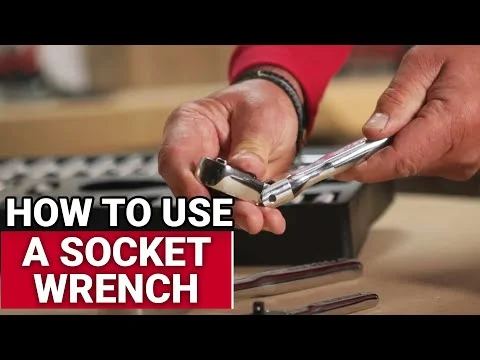 Credit: www.youtube.comChoosing The Right SocketChoosing the right socket is key to using a socket wrench effectively. The correct socket fits the fastener snugly. This prevents slipping and damage. It also makes your work faster and safer.Understanding the types and sizes of sockets helps you pick the best one. Each socket type suits different fasteners and jobs. Size matching ensures a tight grip and smooth operation.
Types Of Sockets
Sockets come in several types. The most common are six-point and twelve-point sockets. Six-point sockets grip the fastener on flat sides. They offer strong hold and less chance to round bolts.Twelve-point sockets fit on more angles. They are useful in tight spaces. Deep sockets reach nuts on long bolts. Shallow sockets work well on exposed fasteners.There are also specialty sockets. These include spark plug sockets and impact sockets. Impact sockets are thicker and made for power tools.Matching Socket Size To Fastener
Socket size must match the fastener size exactly. Sizes are measured in millimeters or inches. Using the wrong size socket can strip the fastener head.Check the fastener size with a ruler or caliper. Then select the socket with the same size marking. Test the socket on the fastener before applying force. It should slide on easily but not wiggle.Socket sets usually include a range of sizes. This makes it easier to find the right fit quickly. Always keep your sockets clean and free from damage.Setting The Ratchet DirectionSetting the ratchet direction is a key step in using a socket wrench properly. It controls whether you tighten or loosen a bolt or nut. Knowing how to adjust this direction saves time and effort. It also prevents damage to the fastener or tool.Loosening Vs Tightening
Loosening means turning the bolt counter-clockwise. Tightening means turning it clockwise. Most bolts have right-hand threads. This means turn left to loosen and right to tighten. Always check the bolt type before starting. The ratchet must be set to the correct direction. This avoids stripping or breaking the bolt.Using The Direction Switch
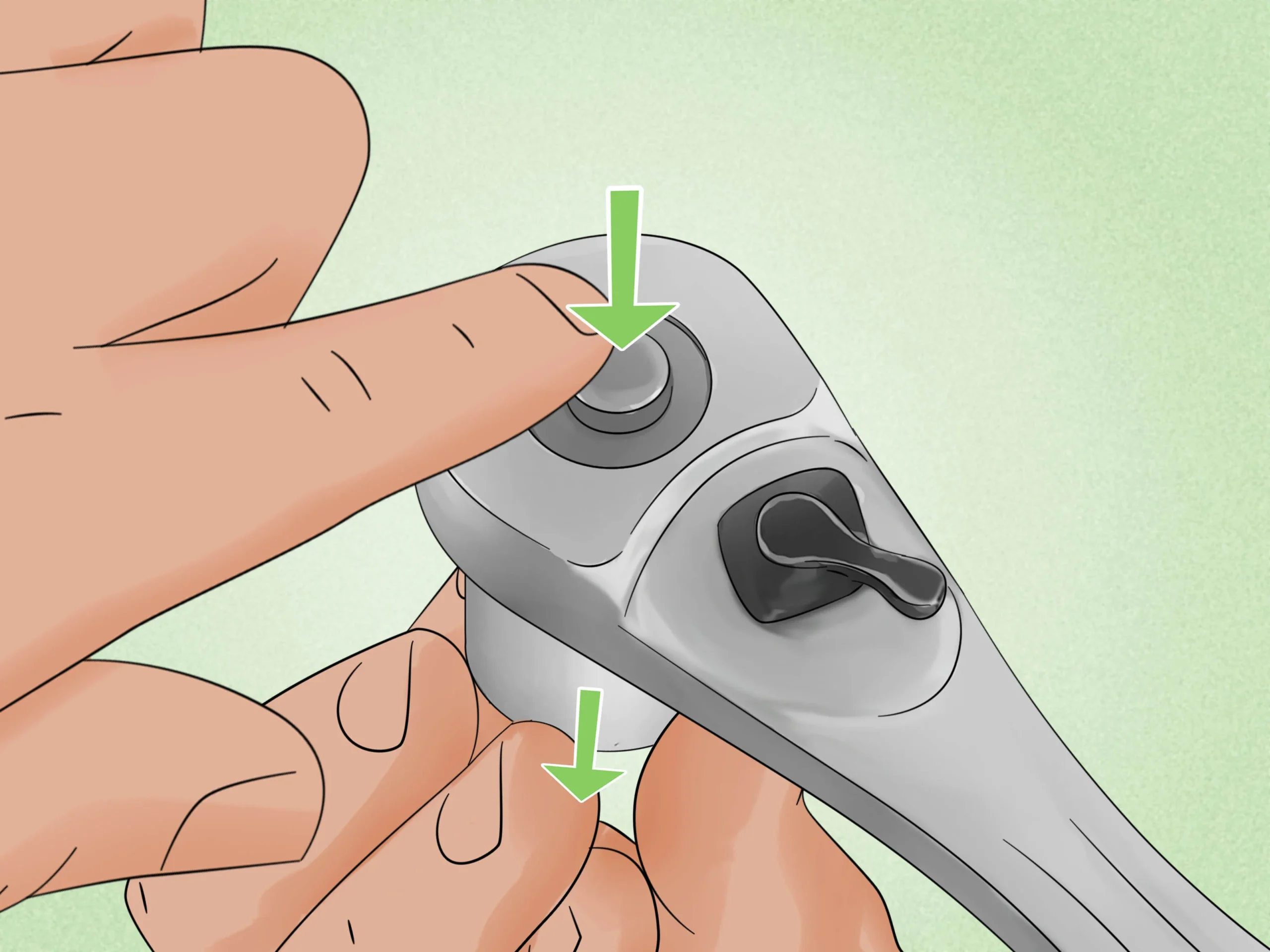
The ratchet wrench has a small switch or lever. This switch changes the turning direction. Flip the switch to set the wrench to loosen or tighten. You can feel a click when the switch moves. Test the direction by turning the handle. Make sure the wrench moves the bolt the right way. Adjust as needed before applying force.Attaching The SocketAttaching the socket is the first step to using a socket wrench correctly. A socket must be firmly connected to the wrench for safe and effective work. The right attachment prevents slipping and damage to fasteners.Each socket and wrench is designed to fit together. Understanding how to secure the socket and check its fit on the fastener improves your tool handling and project results.Securing The Socket To The Wrench
Start by choosing the correct socket size for your wrench. Slide the socket onto the square drive of the wrench.Push it until you hear or feel a click. This click means the socket is locked in place.Some wrenches have a small ball bearing that holds the socket tight. Make sure this bearing is not damaged or missing.To remove the socket, press the release button if available, then pull the socket off.Ensuring Proper Fit On Fastener
Select a socket that matches the fastener size exactly. A loose socket can round off the corners of bolts or nuts.Place the socket over the fastener head. It should fit snugly without wobbling.If the socket is too tight or too loose, try another size. A good fit ensures better grip and less wear on tools.Test the fit by gently turning the wrench without force. The socket should stay firmly on the fastener.Operating The Socket WrenchOperating a socket wrench correctly is key to making your work easier and faster. This tool helps tighten or loosen bolts with less effort. Understanding how to handle it properly improves safety and efficiency. Below are two important tips for using a socket wrench effectively.Applying Correct Turning Technique
Hold the socket wrench handle firmly but not too tight. Place the socket over the bolt head or nut carefully. Turn the wrench handle smoothly in the right direction. For most bolts, turn counter-clockwise to loosen and clockwise to tighten. Use steady pressure to avoid slipping or stripping the bolt.Keep your wrist straight to prevent injury. If the bolt is very tight, try small back-and-forth movements. This helps loosen it without damaging the tool or fastener. Avoid sudden jerks that might break the wrench or harm your hand.Using The Ratchet Mechanism Effectively
The ratchet mechanism lets you turn bolts without removing the wrench. Flip the switch on the wrench head to set the direction. One way tightens, the other loosens the bolt. Test the setting before starting to avoid mistakes.Move the handle back and forth in short arcs. The ratchet clicks as it resets, allowing continuous turning. This saves time in tight spaces where full rotations are not possible. Keep the socket fully on the bolt to maintain grip and prevent slipping.Tips For Best ResultsUsing a socket wrench correctly improves your work and saves time. Follow these simple tips to get the best results. They help you avoid errors and keep your tool in top shape. A well-maintained wrench works smoothly and lasts longer.Avoiding Common Mistakes
Pick the right socket size for the bolt or nut. A wrong size can strip the fastener or damage the wrench. Fit the socket fully onto the fastener before turning. Do not force the wrench if it feels stuck. Check the ratchet direction before use. Turning the wrench the wrong way can tighten when you want to loosen. Use steady, controlled force to prevent slips and injuries. Avoid using a cheater bar or extra leverage. It can break the wrench or fastener.Maintaining Your Socket Wrench
Clean the wrench after each use. Remove dirt, grease, and debris with a cloth. Lubricate the ratchet mechanism regularly with light oil. This keeps it moving smoothly and prevents rust. Store the wrench in a dry place to avoid corrosion. Inspect for wear or damage before each job. Replace worn parts promptly to keep the tool safe and reliable. Proper care extends the life of your socket wrench and ensures it works well every time.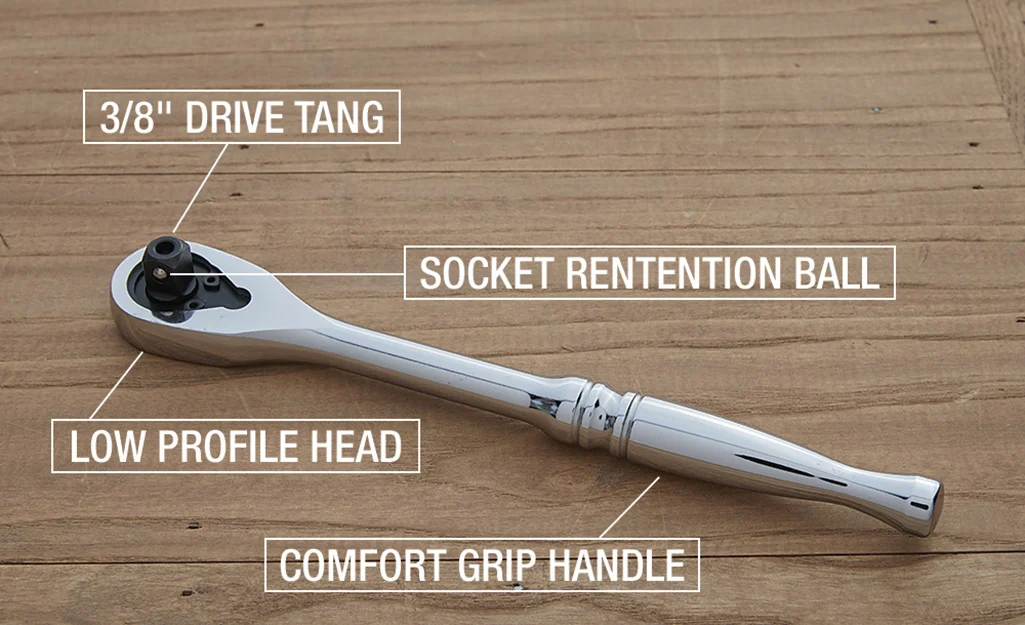 Credit: www.homedepot.com
 Credit: www.wikihow.com
Frequently Asked Questions
How To Attach A Drill Bit To A Socket Wrench?
Insert a socket adapter into the socket wrench square drive. Then, firmly attach the drill bit to the adapter’s chuck or holder. Tighten securely before use.Which Way To Turn A Ratchet To Loosen?
Turn a ratchet handle counter-clockwise to loosen standard right-hand threaded bolts. Flip the lever to change direction if needed.Should You Push Or Pull When Using A Wrench?
Push the wrench handle away from you for better control and safety. Pulling risks injury if the wrench slips. Always apply force by pushing.How Do You Properly Use A Wrench?
Grip the wrench firmly and fit it snugly on the bolt or nut. Turn the handle clockwise to tighten, counterclockwise to loosen. Adjust the ratchet direction switch if needed. Use steady, controlled force and avoid over-tightening. Maintain proper alignment to prevent slipping or damage.What Is A Socket Wrench Used For?
A socket wrench tightens or loosens nuts and bolts quickly and easily.How Do You Choose The Right Socket Size?
Match the socket size to the bolt or nut for a secure fit.Conclusion
Using a socket wrench makes tightening or loosening bolts much easier. Remember to check the ratchet’s direction before starting. Turn the handle forward to tighten, or backward to loosen bolts. Move the handle back without removing the socket to keep working smoothly.Practice these simple steps to feel more confident with your tool. Keep your socket wrench clean and store it safely after use. Small efforts bring better results and safer repairs. Socket wrenches save time and reduce effort for many tasks.Related reading: How to Use a Torque Wrench.
{ “@context”: “https://schema.org”, “@type”: “Article”, “headline”: “How to Use a Socket Wrench: Easy Steps for Perfect Results”, “description”: “Learn how to use a socket wrench to efficiently tighten or loosen bolts with its ratcheting mechanism and interchangeable sockets for various sizes.”, “url”: “https://www.powertoolstoday.com/how-to-use-a-socket-wrench/”, “datePublished”: “2026-02-05”, “dateModified”: “2026-03-18”, “author”: { “@type”: “Organization”, “name”: “Power Tools Today”, “url”: “https://www.powertoolstoday.com” }, “publisher”: { “@type”: “Organization”, “name”: “Power Tools Today”, “url”: “https://www.powertoolstoday.com” }, “mainEntityOfPage”: { “@type”: “WebPage”, “@id”: “https://www.powertoolstoday.com/how-to-use-a-socket-wrench/” }, “image”: { “@type”: “ImageObject”, “url”: “https://www.powertoolstoday.com/wp-content/uploads/2025/11/how-to-use-a-socket-wrench.jpg” } }{ “@context”: “https://schema.org”, “@type”: “Article”, “headline”: “How to Use a Socket Wrench: Easy Steps for Perfect Results”, “description”: “Learn how to use a socket wrench to efficiently tighten or loosen bolts with its ratcheting mechanism and interchangeable sockets for various sizes.”, “url”: “https://www.powertoolstoday.com/how-to-use-a-socket-wrench/”, “datePublished”: “2026-02-05”, “dateModified”: “2026-03-19”, “author”: { “@type”: “Organization”, “name”: “Power Tools Today”, “url”: “https://www.powertoolstoday.com” }, “publisher”: { “@type”: “Organization”, “name”: “Power Tools Today”, “url”: “https://www.powertoolstoday.com” }, “mainEntityOfPage”: { “@type”: “WebPage”, “@id”: “https://www.powertoolstoday.com/how-to-use-a-socket-wrench/” }, “image”: { “@type”: “ImageObject”, “url”: “https://www.powertoolstoday.com/wp-content/uploads/2025/11/how-to-use-a-socket-wrench.jpg” } }nn