
Last Updated: March 27, 2026
If you’ve ever struggled to loosen a stubborn jar lid, tighten a delicate pipe fitting, or remove an oil filter without scratching it, a strap wrench can be your best friend. This simple tool uses a flexible strap to grip objects securely without causing damage.
But how exactly do you use a strap wrench to get the job done quickly and safely? In this guide, you’ll discover easy-to-follow steps and clever tips that will make your tasks smoother and protect your tools and surfaces. Keep reading, and you’ll soon master the art of using a strap wrench like a pro.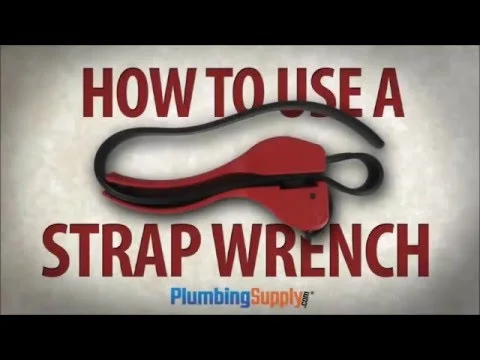
Credit: www.youtube.com
Choosing The Right Strap Wrench
Choosing the right strap wrench ensures efficient and damage-free work. This tool grips round or smooth surfaces without scratching. Picking the correct type, material, and size will make your task easier. Understanding key factors helps you select the best strap wrench for your needs.
Types Of Strap Wrenches
There are several types of strap wrenches. Some use rubber straps for extra grip and flexibility. Others have nylon straps for strength and durability. Metal chain strap wrenches fit tight spaces and tough surfaces. Each type suits different jobs and materials.
Material And Durability
The strap material affects performance and lifespan. Rubber straps are soft and prevent damage to delicate surfaces. Nylon straps resist wear and work well with oily parts. Metal straps offer high strength but may scratch soft materials. Choose a material that fits your project and tool use.
Size And Fit Considerations
Select a strap wrench size that fits your objects. The strap must wrap around the item securely. Longer straps work for larger pipes or filters. Smaller straps fit tight spaces and small objects. Proper fit prevents slipping and improves grip during use.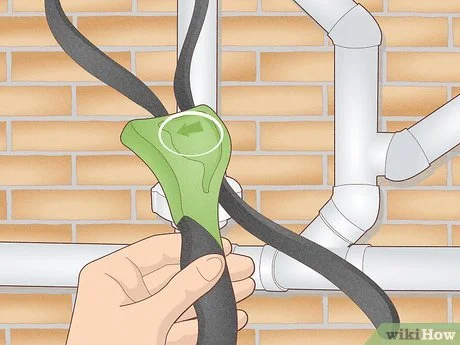
Credit: www.wikihow.com
Preparing The Surface And Tool
Preparing the surface and tool is a key step before using a strap wrench. Proper preparation ensures a firm grip and prevents damage. Take time to clean the object and check your strap wrench. This makes the task easier and safer.
Cleaning The Object
Remove dirt, grease, and debris from the object’s surface. Use a cloth or brush to clean thoroughly. A clean surface helps the strap hold tight. Avoid slippery or oily spots that reduce grip. Cleaning also protects the object from scratches.
Inspecting The Strap
Check the strap for cracks, tears, or wear. Look closely at the material and edges. A damaged strap may slip or break during use. Replace the strap if it shows signs of damage. Ensure the strap is flexible and strong for best results.
Positioning The Wrench
Place the strap around the object evenly. Adjust the strap so it fits snugly without twisting. Position the wrench handle for easy turning. Make sure the strap lies flat against the surface. Proper positioning improves grip and control while using the wrench.
Securing The Strap For Maximum Grip
Securing the strap for maximum grip is essential for effective use of a strap wrench. A tight, well-positioned strap prevents slipping and protects the surface of the object. Proper technique ensures strong hold and smooth operation.
Wrapping The Strap Correctly
Start by placing the strap around the object’s surface evenly. Avoid twists or folds in the strap to maintain consistent pressure. The strap should cover enough surface area to provide a firm grip without overlapping excessively.
Removing Slack
Pull the strap tight to remove any slack before applying force. Slack reduces the strap’s grip and may cause slipping. Keep the strap snug against the object for better control and safety.
Adjusting Tension
Adjust the strap tension by turning the wrench handle slowly. Increase tension until the strap grips firmly without damaging the object. Correct tension allows smooth turning and prevents the strap from slipping or breaking.
Applying Force Safely And Effectively
Applying force with a strap wrench requires care to protect the tool, the object, and yourself. Proper technique ensures you get the job done without damage or injury. Understanding how to apply force safely and effectively helps maintain control and prevents slippage.
Each movement should be deliberate and controlled. The strap must grip firmly, and your body should support the action. Avoid sudden or jerky motions to keep the strap in place and avoid strain.
Direction Of Rotation
Check the direction you need to turn the object. Most threads tighten clockwise and loosen counterclockwise. Align the strap wrench so it pulls in that direction.
Pull the strap wrench slowly to prevent slipping. If the strap slips, reposition and try again. Correct direction keeps the strap tight and grips the object firmly.
Using Body Mechanics
Use your body weight to apply force, not just your arm strength. Stand in a balanced position with feet shoulder-width apart. This stance improves stability and control.
Bend your knees slightly and keep your back straight. Use your legs and core to push or pull, reducing strain on your arms. Smooth, steady pressure works better than fast jerks.
Avoiding Slippage
Ensure the strap fits tightly around the object before applying force. Tighten the strap as much as possible without damaging the surface. A loose strap can slip and cause injury.
Keep the strap clean and free of oil or dirt. A clean strap grips better. Stop and reset the strap if it starts to slip. Better to adjust than risk damage or injury.
Maintaining And Storing The Wrench
Maintaining and storing your strap wrench properly helps it last longer and work better. Small care steps keep the tool ready for use and prevent damage. A clean, well-kept wrench performs smoothly and grips tightly.
Cleaning After Use
Remove dirt and grease from the strap and handle. Use a damp cloth to wipe the strap clean. Avoid soaking the strap in water to keep it strong. Dry the wrench completely before storing it. Clean tools prevent slipping and wear.
Checking For Wear
Look over the strap for cracks or fraying. Check the handle for any damage or loose parts. Replace the strap if it shows signs of wear. A worn strap can slip and cause injury. Regular checks keep the wrench safe and effective.
Proper Storage Tips
Store the wrench in a dry, cool place to avoid rust. Hang it or place it flat to keep the strap in shape. Keep it away from chemicals or sharp objects. Proper storage protects the strap and handle from damage. A well-stored wrench lasts much longer.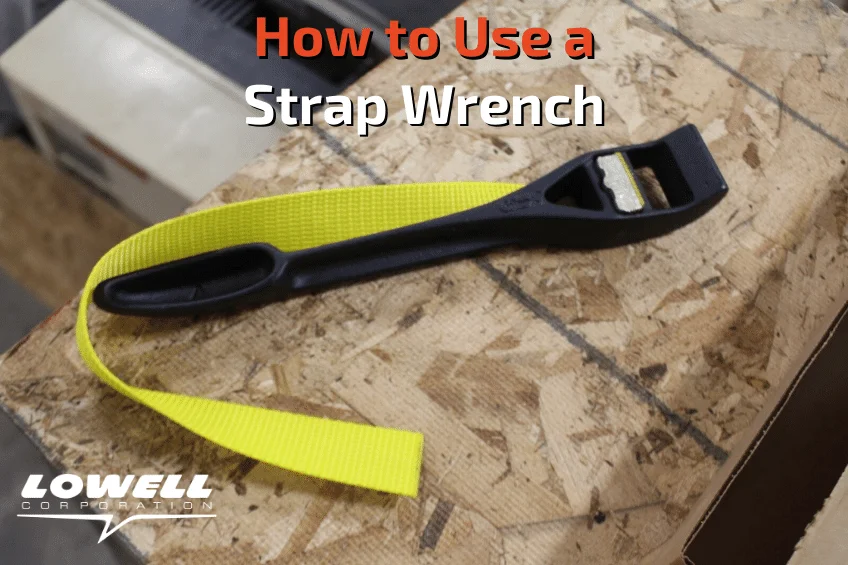
Credit: lowellcorp.com
Conclusion
Using a strap wrench is simple and effective for gripping round objects. Wrap the strap tightly around the item. Pull the handle to turn without scratching the surface. This tool works well on pipes, filters, and lids. Practice a few times to get comfortable with the motion.
Keep the strap tight to avoid slipping. A strap wrench protects delicate surfaces while providing strong grip. It’s a handy tool for many home repairs. Try it on your next project for easy, damage-free turning.
Frequently Asked Questions
Wrap the strap around the object, insert it into the wrench, and pull tight. Turn the handle to grip and twist the object securely.
Wrap the strap around the object, insert the strap end into the wrench, then pull tight. Turn the wrench to grip and loosen or tighten without damaging surfaces.
Wrap the strap around the oil filter. Tighten the strap by pulling the end. Turn the wrench counterclockwise to loosen the filter.
Tighten the strap firmly around the object, removing all slack. Ensure the strap grips evenly to prevent slipping. Use a clean, dry strap for better friction.
A strap wrench grips round or smooth objects without damage. Ideal for pipes and filters.
Wrap the strap tightly around the object. Insert the strap end into the wrench.
Related reading: What Is an Allen Wrench.
nn