
Last Updated: March 20, 2026
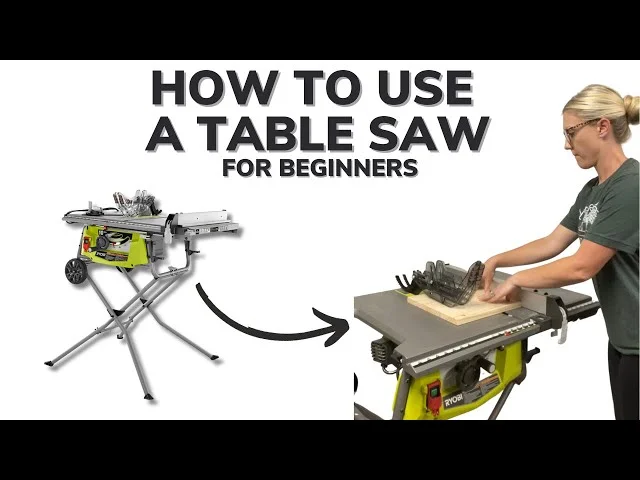
If you’re ready to take your woodworking skills to the next level, mastering how to use a table saw is a must. This powerful tool can make your cuts faster, cleaner, and more precise—but only if you know the right way to handle it.
Imagine confidently slicing through wood without fear, making perfect cuts every time. Whether you’re a beginner or looking to improve your technique, this guide will walk you through every step. From safety tips to setup tricks, you’ll discover how to use your table saw like a pro.
Keep reading, and unlock the key to safer, smarter woodworking today.
Credit: www.youtube.com
Table Saw Basics
Understanding the basics of a table saw is essential for safe and accurate woodworking. A table saw helps you make straight cuts in wood and other materials. Knowing the main parts and the types of blades can improve your cutting skills and project results.
Parts And Functions
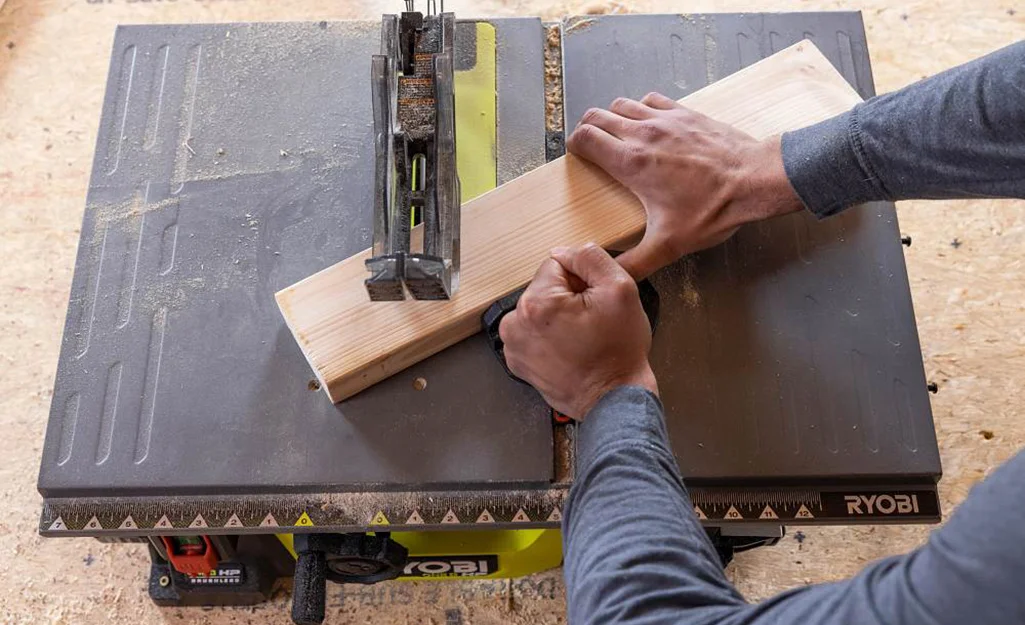
The table saw has several key parts. The table is the flat surface where you place the wood. The blade is the sharp circular disk that cuts the wood. The fence guides the wood to keep the cuts straight. The miter gauge helps make angled cuts. The blade guard covers the blade to protect your hands. The motor powers the blade. Each part plays a role in making cutting easier and safer.
Types Of Blades
Different blades suit different cutting needs. A rip blade has fewer teeth and cuts along the wood grain. A crosscut blade has more teeth for smooth cuts across the grain. Combination blades can do both rip and crosscut. Specialty blades exist for cutting plywood, laminate, or metal. Choosing the right blade affects the cut quality and tool safety.
Credit: www.homedepot.com
Safety Gear Essentials
Safety gear is crucial when using a table saw. It protects you from serious injuries. Proper gear reduces risks from flying debris and loud noise. Always prepare yourself with the right equipment before starting any cut. Safety is not optional; it is a must.
Personal Protective Equipment
Wear safety glasses to shield your eyes from wood chips. Use hearing protection to guard against loud saw noise. Gloves can protect your hands, but avoid loose gloves that may catch in the blade. A dust mask helps prevent inhaling sawdust. Wear close-fitting clothes to avoid getting caught in the saw.
Saw Guards And Accessories
Use the blade guard that comes with your table saw. It covers the blade and reduces contact risk. A riving knife prevents wood from pinching the blade and causing kickback. Push sticks keep your hands away from the blade during narrow cuts. Featherboards help hold the wood tight and steady. These accessories improve safety and cutting precision.
Setting Up The Saw
Setting up your table saw correctly is key to safe and accurate cuts. Take time to prepare the saw before starting any project. Proper setup helps avoid mistakes and accidents. Follow the steps below to ensure your saw is ready for use.
Blade Alignment
Check the blade alignment first. The blade should be parallel to the miter slot. Use a combination square or a dial indicator for accuracy. Adjust the blade if it is not aligned properly. Proper alignment reduces kickback and improves cut quality. Make sure the blade is sharp and clean. Replace dull blades to get smooth cuts.
Fence And Miter Gauge Adjustments
Next, adjust the fence and miter gauge. The fence must be parallel to the blade for straight cuts. Lock it firmly in place to prevent movement. The miter gauge should fit snugly in the miter slot. Set the angle of the miter gauge as needed for angled cuts. Test the adjustments by making a few trial cuts on scrap wood. Correct setup ensures better control and precise results.
Making Accurate Cuts
Making accurate cuts on a table saw is essential for any woodworking project. Precision ensures that pieces fit together well and look professional. Proper techniques help you achieve straight, clean edges without wasting material. Safety and accuracy go hand in hand when using a table saw. Understanding the basic methods improves your confidence and results.
Ripping And Crosscutting Techniques
Ripping cuts run along the wood’s length. Use the rip fence as a guide to keep cuts straight. Adjust the fence to the desired width before starting. Push the wood steadily through the blade without forcing it. Keep your eye on the line to maintain accuracy.
Crosscutting means cutting across the wood grain. Use a miter gauge or crosscut sled to hold the wood firmly. This helps prevent the wood from moving side to side. Make sure the wood is flat against the table. Cut slowly to avoid splintering and rough edges.
Using Push Sticks And Featherboards
Push sticks keep your hands safe and improve control. Use them to guide small or narrow pieces through the blade. This prevents your fingers from getting close to the spinning blade. Featherboards apply steady pressure against the wood. They hold the wood tight to the fence or table. This stops the wood from shifting during the cut.
Both tools increase cutting accuracy and safety. Always use push sticks and featherboards for better results. They help you make clean, precise cuts every time.
Avoiding Common Mistakes
A table saw is a powerful tool that requires attention and care. Many common mistakes can cause accidents or poor cuts. Learning how to avoid these errors improves safety and results. Focus on key practices to handle the saw confidently and correctly.
Preventing Kickback
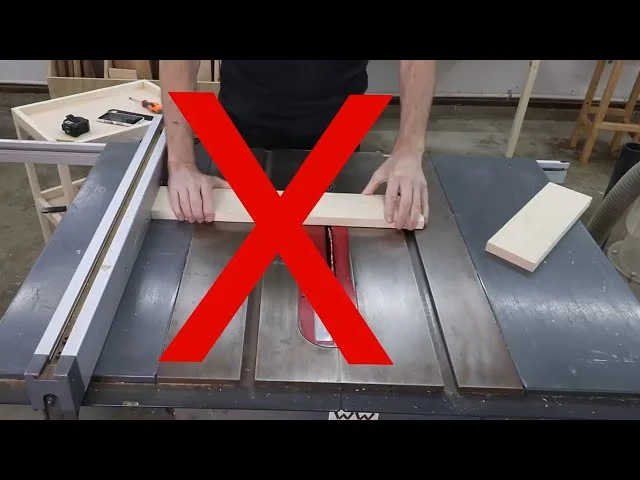
Kickback happens when wood jumps back toward the user. It can cause serious injury. Stand to the side of the blade, not directly behind it. Always use the splitter or riving knife to keep the cut open. This prevents the wood from pinching the blade. Use push sticks to guide wood through the blade safely. Keep the blade sharp and clean to reduce the chance of kickback. Never make freehand cuts; always use the fence or miter gauge.
Handling Narrow Or Small Pieces
Small or narrow wood pieces are hard to control. They increase the risk of slipping or binding. Use a push stick or push block to hold these pieces firmly. Avoid placing your hands near the blade. Support the wood with a miter gauge or sled for better control. Do not try to cut tiny pieces freehand. This keeps your hands safe and the cut accurate. Always plan your cuts to handle small pieces securely.
Credit: www.youtube.com
Maintenance And Care
Proper maintenance and care keep your table saw safe and efficient. Regular attention improves performance and extends the tool’s life. Neglect can cause poor cuts and safety risks. Focus on blade condition and cleanliness to maintain your saw.
Blade Sharpening And Replacement
A sharp blade cuts cleanly and safely. Check the blade often for dullness or damage. Replace the blade if teeth are missing or bent. Use a blade sharpener or take it to a professional. Always unplug the saw before changing or sharpening the blade.
Choose the right blade type for your wood or material. Using the wrong blade causes poor cuts and can damage the saw. Keep blades clean from resin and pitch buildup to maintain sharpness.
Cleaning And Dust Management
Dust clogs the motor and reduces saw accuracy. Clean the table surface and blade after every use. Use a brush or vacuum to remove sawdust from tight spaces.
Install a dust collection system or connect a shop vacuum. Good dust control improves air quality and keeps parts working smoothly. Regular cleaning prevents rust and prolongs your saw’s life.
Frequently Asked Questions
How Do You Properly Use A Table Saw?
Stand to the side of the blade and use the blade guard. Always use a push stick when cutting. Keep blades sharp and the area clean. Use a splitter or riving knife to prevent kickback. Never reach over the blade or cut freehand.
What Are The 10 Rules Of The Table Saw?
1. Read the manual before using the table saw. 2. Always wear proper safety gear, like goggles and ear protection. 3. Keep blades sharp and use the right blade for the cut. 4. Use blade guards, splitters, and riving knives.
5. Never remove safety devices or operate without them. 6. Use push sticks for narrow cuts to protect fingers. 7. Keep the work area clean and free of dust. 8. Stand to the side of the blade, not directly behind it.
9. Avoid freehand cuts; use fences or guides. 10. Turn off and unplug saw before adjustments or blade changes.
What Not To Do With A Table Saw?
Never use a table saw without safety gear like push sticks, blade guards, or splitters. Avoid freehand cuts and cutting narrow boards unsupported. Do not operate with dull blades, loose wood, or without proper dust collection. Never stand directly in the blade’s path or make adjustments while it runs.
Can You Rip A 2×4 With A Table Saw?
Yes, you can rip a 2×4 with a table saw. Ensure the blade is sharp and use a push stick for safety. Keep the fence aligned and cut slowly to prevent kickback.
What Safety Gear Is Essential When Using A Table Saw?
Always wear safety glasses and hearing protection to protect your eyes and ears.
How Do You Make A Straight Cut On A Table Saw?
Use the fence guide to keep the wood straight and steady while cutting.
Conclusion
Using a table saw can make woodworking easier and faster. Always follow safety rules to protect yourself. Keep your hands clear and use push sticks for small pieces. Make sure the blade is sharp and guards are in place. Stand to the side, not directly behind the blade.
Take your time and measure twice before cutting. Practice often to build confidence and skill. With care and attention, a table saw becomes a helpful tool for many projects. Stay safe and enjoy your woodworking journey.
{ “@context”: “https://schema.org”, “@type”: “Article”, “headline”: “How to Use a Table Saw: Essential Tips for Safe Precision Cuts”, “description”: “Learn how to use a table saw by understanding its components, safety tips, and techniques for precise wood cutting in various woodworking projects.”, “url”: “https://www.powertoolstoday.com/how-to-use-a-table-saw/”, “datePublished”: “2025-11-17”, “dateModified”: “2026-03-18”, “author”: { “@type”: “Organization”, “name”: “Power Tools Today”, “url”: “https://www.powertoolstoday.com” }, “publisher”: { “@type”: “Organization”, “name”: “Power Tools Today”, “url”: “https://www.powertoolstoday.com” }, “mainEntityOfPage”: { “@type”: “WebPage”, “@id”: “https://www.powertoolstoday.com/how-to-use-a-table-saw/” }, “image”: { “@type”: “ImageObject”, “url”: “https://www.powertoolstoday.com/wp-content/uploads/2025/11/how-to-use-a-table-saw.webp” } }{ “@context”: “https://schema.org”, “@type”: “Article”, “headline”: “How to Use a Table Saw: Essential Tips for Safe Precision Cuts”, “description”: “Learn how to use a table saw by understanding its components, safety tips, and techniques for precise wood cutting in various woodworking projects.”, “url”: “https://www.powertoolstoday.com/how-to-use-a-table-saw/”, “datePublished”: “2025-11-17”, “dateModified”: “2026-03-19”, “author”: { “@type”: “Organization”, “name”: “Power Tools Today”, “url”: “https://www.powertoolstoday.com” }, “publisher”: { “@type”: “Organization”, “name”: “Power Tools Today”, “url”: “https://www.powertoolstoday.com” }, “mainEntityOfPage”: { “@type”: “WebPage”, “@id”: “https://www.powertoolstoday.com/how-to-use-a-table-saw/” }, “image”: { “@type”: “ImageObject”, “url”: “https://www.powertoolstoday.com/wp-content/uploads/2025/11/how-to-use-a-table-saw.webp” } }nn